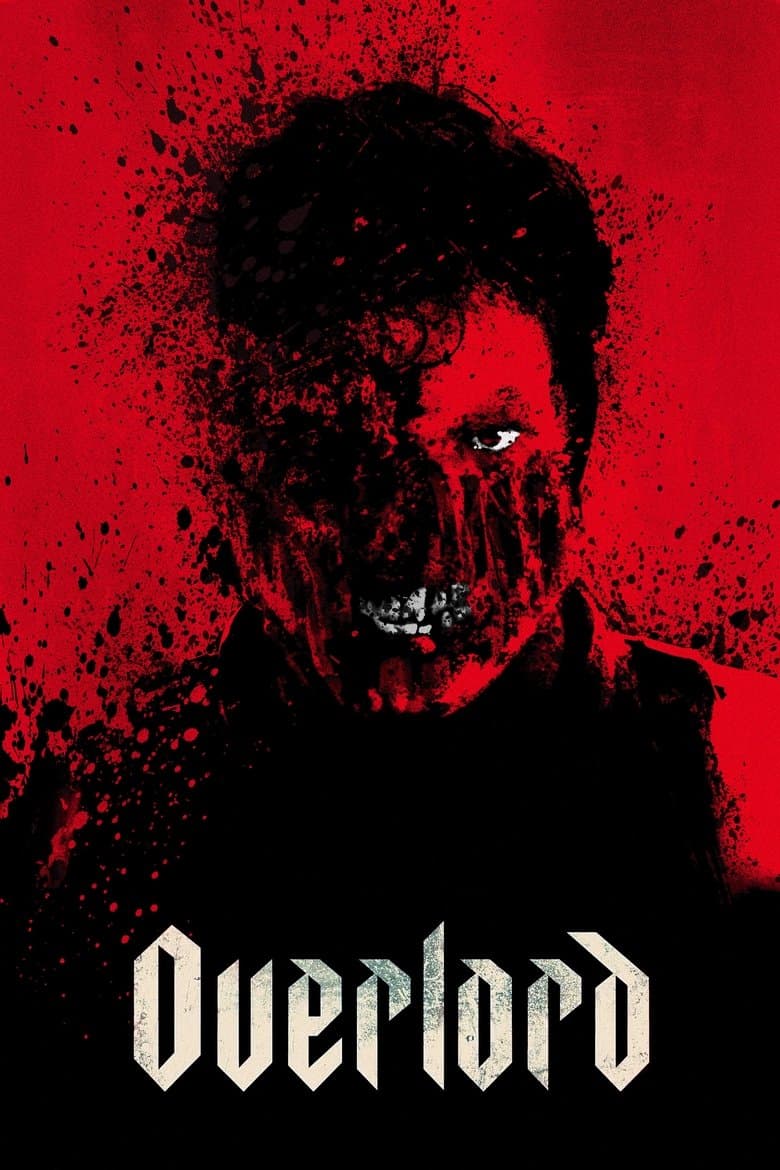
On the night before D-Day in June 1944, a small team of American paratroopers is sent to destroy a Nazi radio tower in a French village. Their plane is shot down, and only a few men survive. Private Boyce becomes the main hero as the group hides with a local woman named Chloe and finds a secret lab under a church. The film mixes war action with body horror as the Nazis try to make undead super-soldiers. The tone is bloody, fast, and built around a simple good-versus-evil fight.
The biggest modern choice viewers can see is a mixed-race U.S. unit with Black soldiers in key heroic roles, including Boyce as the lead and a black sergeant early on. In real 1944, the U.S. Army was still segregated. The movie treats the unit as normal and does not make race the plot. Chloe fights hard and helps the mission, but the story stays focused on the mission, the lab, and the monsters rather than on modern identity lessons.
Community feedback
Was our 37% Woke rating accurate?
Breakdown
These are the editorial factors and ratings behind our score for Overlord.
Woke representation / casting
The film shows a mixed U.S. paratrooper unit in June 1944 with black men in clear heroic roles. Boyce is the lead, and a black sergeant commands part of the team. Real Army units were still segregated then, so the mix stands out on screen. Casting and press treated it as a practical choice for a strong cast, not a race-focused story, but the change is still easy to notice.
40%
Woke political dialogue
Not present in this title.
0%
Identity-driven story themes
Not present. None; narrative centers on mission survival and experimental horrors without race, gender, or identity-based arcs.
0%
Western institutional / cultural critique
Not present. None modern; resistance to Nazi tyranny and experiments stays historical war story without reframing into present-day systemic critiques.
0%
Woke character or canon changes
The movie is original fiction, but it changes real U.S. military history by putting an integrated combat unit on D-Day eve years early. Press and Adepo’s comments confirm they skipped period segregation so the unit could feel modern and open. Nazi evil is shown as lab horror and tyranny more than as the real racial program of the regime. That is a clear, identity-linked rewrite of real history for the story’s look.
42%
Anti-woke backlash and complaints
A small number of viewers and posts call out the black lead and mixed unit as ignoring 1940s segregation for modern casting. Notes appear on goof lists, blogs, and social media. There was no big news wave or wide boycott. The pushback stayed niche and mild.
18%
Creator track record context
Writer Billy Ray has a clearer record of political drama and left-leaning recent projects. Casting director Theo Park has publicly backed wider diversity in casting. Director Julius Avery and most other key names show little activist or identity-driven history. Overall pull from the crew is moderate, not extreme.
24%
Production
Movie · 2020
Two New Orleans paramedics' lives are ripped apart after encountering a series of horrific deaths linked to a designer drug with bizarre, otherworldly effects.
Movie · 2024
After an experimental drug trial goes awry, the test subjects face a terrifying side effect: if you fall asleep you die.
Movie · 2020
Looking for an escape from her recurring nightmares, 18-year-old Sarah submits to a university sleep study, but soon realizes she's become the conduit to a frightening new…
Movie · 2026
After breaking the mysterious "One Wish Willow" to win his crush's heart, a hopeless romantic finds himself getting exactly what he asked for but soon discovers that some desires…
Movie · 2020
At the height of the Cold War, a Soviet spacecraft crash lands after a mission gone awry, leaving the commander as its only survivor.
Movie · 2024
With his wife out sick, a struggling father brings home a lifelike AI, only to have his self-aware new help want everything her new family has to offer...
Movie · 2016
Following the outbreak of a virus that wipes out the majority of the human population, a young woman documents her family's new life in quarantine and tries to protect her…
Movie · 2016
Picking up immediately after the events in Resident Evil: Retribution, Alice is the only survivor of what was meant to be humanity's final stand against the undead.
