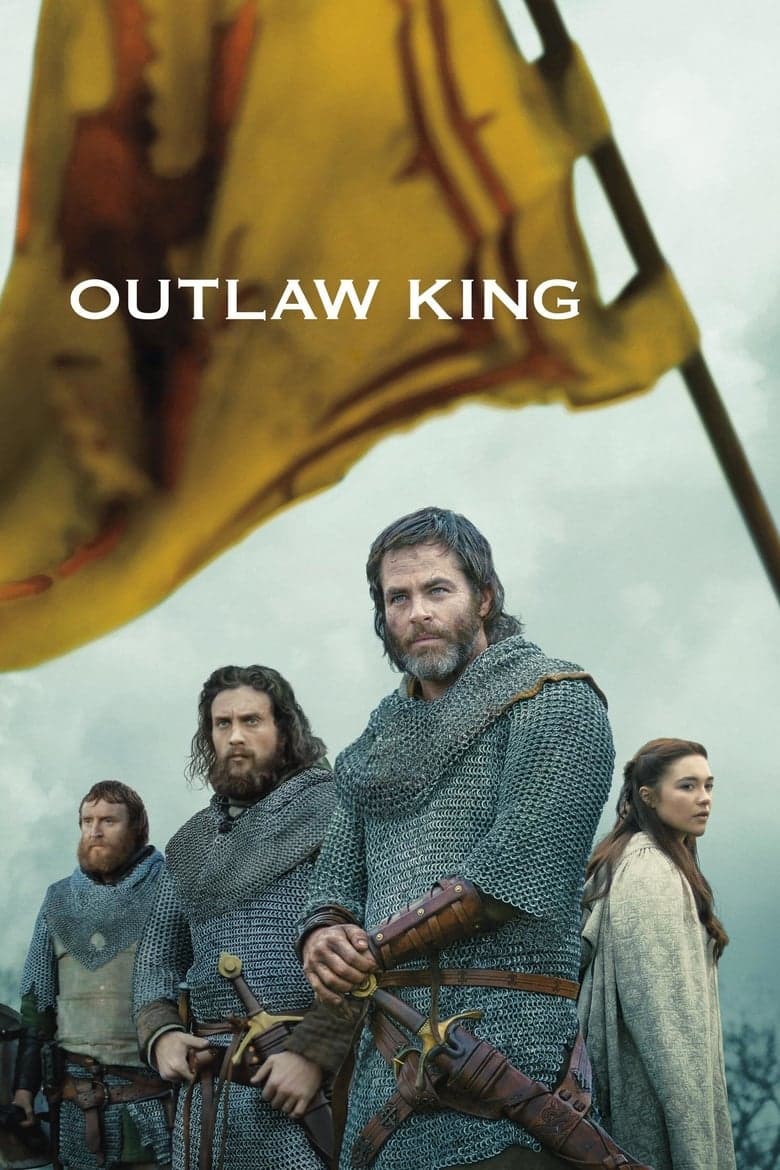
Outlaw King is a Netflix historical action drama about Robert the Bruce. It follows his claim to the Scottish throne and his guerrilla fight against English rule in the early 1300s. The film shows battles, alliances, personal sacrifice, and the hard cost of leadership. The core story is medieval war and national independence, not modern identity politics.
Audience-facing woke material is light and limited. One short monologue from Elizabeth de Burgh on power and choice sounds more modern and agency-focused than the rest of the medieval dialogue. Her intelligence and loyalty also give a limited strong-wife beat, and promo briefly called her a survivor, fighter, and queen. These notes stay secondary to occupation, kingship, loyalty, and guerrilla war. The cast is period-typical for early-1300s Scotland and England, with no race- or identity-swapped leads and no engineered diversity casting in major parts.
Community feedback
Was our 12% Woke rating accurate?
Breakdown
These are the editorial factors and ratings behind our score for Outlaw King.
Woke representation / casting
Not present. Ensemble is period-typical for early-1300s Scotland and England with European nobles, warriors, and clergy in historically matched roles, and no race- or identity-swapped leads or engineered diversity casting in prominent parts.
0%
Woke political dialogue
Elizabeth de Burgh has a short speech about power and choice that sounds more modern than the rest of the medieval talk. Critics noticed this as overly modern feminist resolve. The rest of the film does not push activist or identity-politics speech.
12%
Identity-driven story themes
The main themes are occupation, kingship, loyalty, and guerrilla war. Elizabeth’s smarts and loyalty give a limited strong-wife moment, and marketing called her a survivor, fighter, and queen. Gender or identity messaging stays secondary and never drives the plot.
10%
Western institutional / cultural critique
Not present. Conflict is English royal occupation and medieval tyranny versus Scottish rebellion as story-logic resistance, not modern activist attacks on Western culture, patriarchy, Christianity, or capitalism.
0%
Woke character or canon changes
Not relevant. Timeline compression and dramatic liberties are ordinary historical-adaptation choices, not identity- or DEI-driven rewrites of figures or canon.
0%
Anti-woke backlash and complaints
Not present. No meaningful right-leaning or anti-woke campaign treating the film as DEI or identity propaganda. Public gripes centered on length, mud, pacing, and accuracy.
0%
Creator track record context
Key creatives have low stored activist profiles and do not frame the film as social-justice work. Casting directors score higher on industry inclusivity norms but do not define the creative identity. Interviews stressed historical grit and a Braveheart correction rather than identity politics.
14%
Production
Movie · 2025
Returning to the house where his family was brutally murdered during the war, "the man who refuses to die" dismantles it, loads it on a truck, and is determined to rebuild it…
Movie · 2025
A platoon of Navy SEALs embarks on a dangerous mission in Ramadi, Iraq, with the chaos and brotherhood of war retold through their memories of the event.
Movie · 2020
A small unit of U.S. soldiers, alone at the remote Combat Outpost Keating, located deep in the valley of three mountains in Afghanistan, battles to defend against an overwhelming…
Movie · 2021
After a blood- soaked jujitsu match in Dubai, fighting legend Mickey Kelley falls to superstar Blaine. But years later, an online video proves that Blaine cheated, and the world…
Movie · 2021
Hutch Mansell, a suburban dad, overlooked husband, nothing neighbor — a "nobody." When two thieves break into his home one night, Hutch's unknown long-simmering rage is ignited…
Movie · 2023
The story of Tim Ballard, a former US government agent, who quits his job in order to devote his life to rescuing children from global sex traffickers.
Movie · 2023
During the war in Afghanistan, a local interpreter risks his own life to carry an injured sergeant across miles of grueling terrain.
Movie · 2022
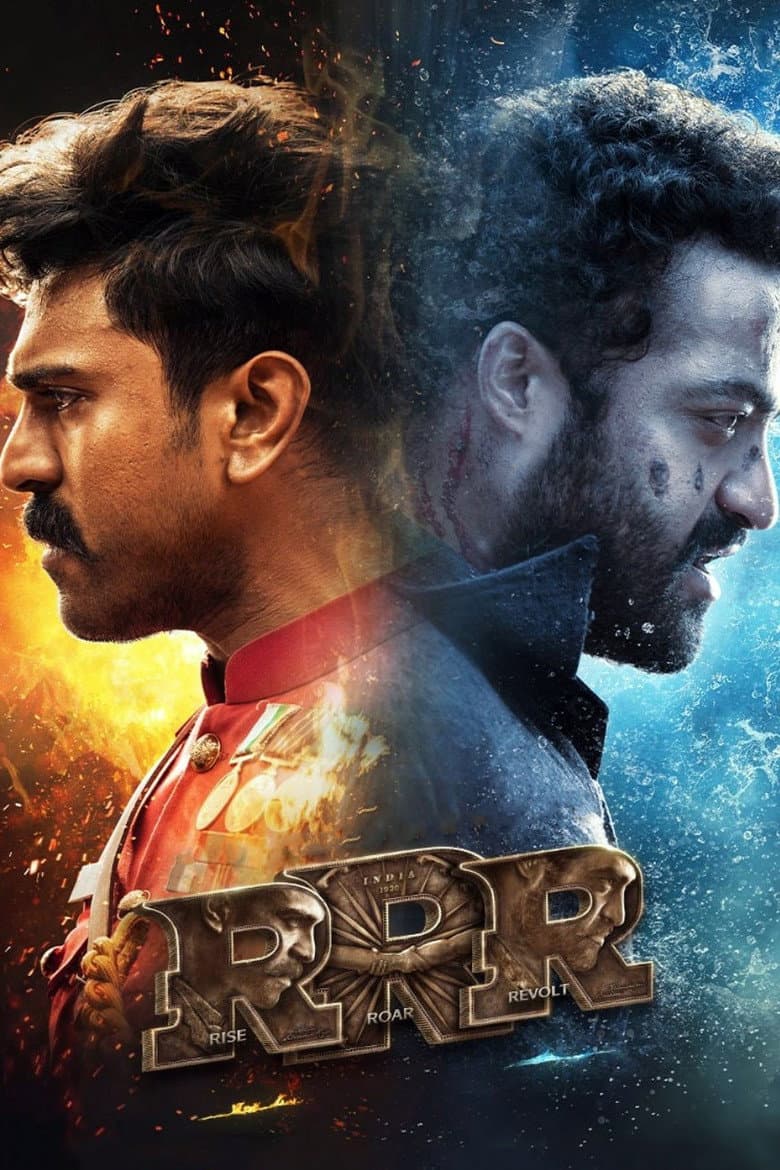
A fictional history of two legendary revolutionaries' journey away from home before they began fighting for their country in the 1920s.
