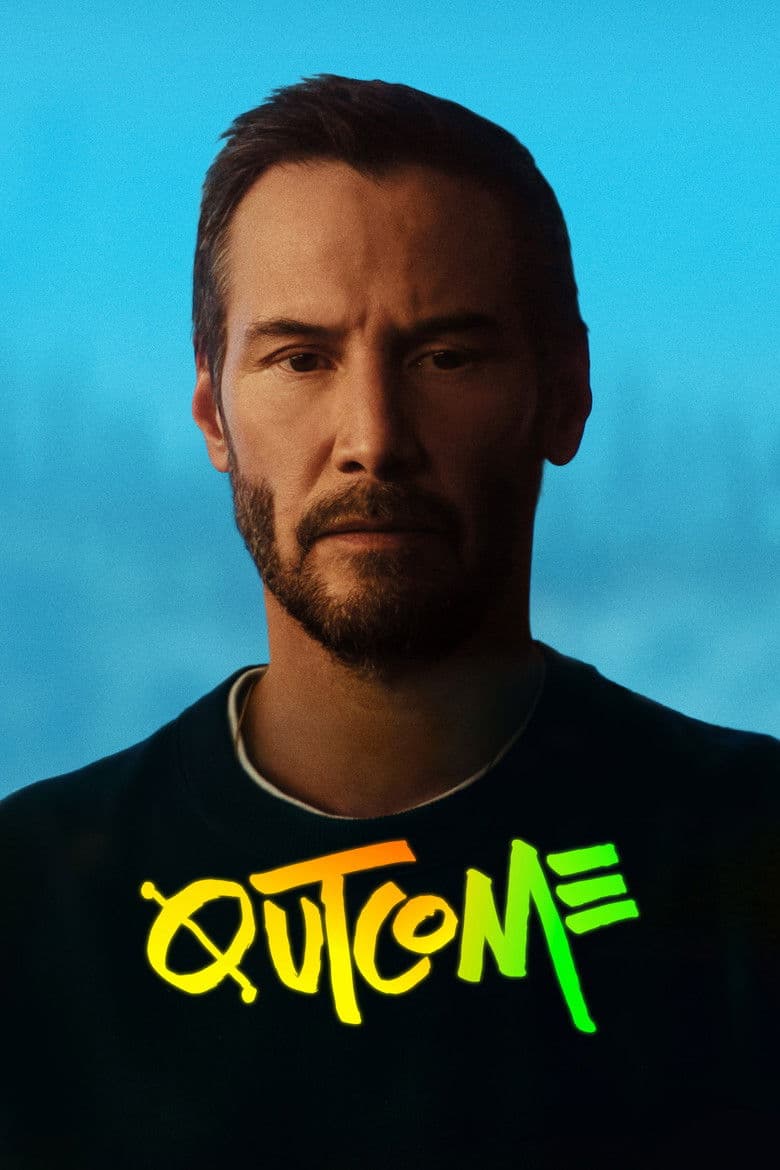
Reef Hawk has been a famous Hollywood star since childhood, but his polished image hides years of drug use, selfish choices, and people he hurt. When a stranger threatens to release a private video, Reef fears that his career and public image will collapse. He travels around Los Angeles with his two best friends and his crisis lawyer while he tries to find the blackmailer and repair old damage. The dark comedy mixes crude jokes with sad talks about fame, loneliness, addiction, and the need to face the past.
The film makes its clearest woke-related points through the crisis team built to protect Reef. The team includes a lawyer for women’s rights, a black civil-rights preacher, and an Asian lawyer and activist, while the group talks about MeToo, racism, antisemitism, old offensive movie scenes, and victim capitalism. The movie treats this language as part of a strange publicity machine and often makes the activists and their plans look foolish, but these ideas return during the main blackmail plot. Reef’s friend Xander also reveals that he is gay and remembers being called a slur as a teenager, which gives the story a small but real LGBTQ+ thread.
Community feedback
Was our 44% Woke rating accurate?
Breakdown
These are the editorial factors and ratings behind our score for Outcome.
Woke representation / casting
The crisis team is built around identity-focused roles rather than ordinary Hollywood lawyers. The team includes Laverne Cox as Virginia, a lawyer for women’s rights, a black civil-rights preacher, and an Asian lawyer and activist. The choices form a visible “one of each” joke around protecting a white male star. The main cast remains centered on familiar Hollywood stars, so this pattern is noticeable but limited to one major sequence.
30%
Woke political dialogue
The crisis meeting names MeToo, racism, antisemitism, Asian stereotypes, and old movie scenes that could be judged by today’s standards. The team also calls social media attention and victimhood a way to become famous. The dialogue mostly mocks the lawyers’ spin and Reef’s fear instead of teaching a left-wing lesson. These ideas return during the blackmail plot, but they are concentrated in the crisis-team scenes.
33%
Identity-driven story themes
Reef’s main problem comes from a blackmail video and years of bad behavior, not from an identity struggle. Identity politics still shapes the plot because his team searches old work for racist, sexist, and antisemitic material that could end his career. Xander’s disclosure that he is gay gives the friendship a sincere LGBTQ+ moment and recalls the slurs he heard in school. These parts matter, but addiction, loneliness, friendship, and personal repair remain the main story.
27%
Western institutional / cultural critique
The film repeatedly attacks Hollywood’s crisis machine and the social-media race to punish public figures. Ira tells Reef to make apologies without meaning them, and he builds a team of identity experts to turn a private scandal into a victim story. The movie treats this process as shallow, absurd, and driven by fear of offense. The critique is central to the blackmail plot, even though the story also says Reef hurt people and should face what he did.
50%
Woke character or canon changes
Not relevant. Outcome is an original story about Reef Hawk and his invented Hollywood circle. It does not change a known character, source, or historical figure.
0%
Anti-woke backlash and complaints
One tiny Christian-conservative X account called Outcome a woke movie and attacked Keanu Reeves. Its post had about one like and about 100 views, so it shows a complaint but not a real campaign. The complaint appears tied to the film’s cancel-culture subject, but it did not name a race, gender, or DEI scene. Other discussion focused on quality, with no boycott, review-bombing, or sustained anti-woke fight.
8%
Creator track record context
Hill’s public comments frame Outcome around cancel culture, fame, and the pressure of social-media judgment. That gives the film a mild social theme, but it is not a diversity-first or activist record. Available creator records show low scores for Hill and Ezra Woods and no strong pattern of political or identity-driven work. The producers also have standard industry backgrounds with no major activist record.
13%
Production

Movie · 2018
In 1990s Los Angeles, a 13-year-old spends his summer navigating between a troubled home life and a crew of new friends he meets at a skate shop.
Movie · 2023
Leo and Angela Russo live a simple life in Queens, surrounded by their overbearing Italian-American family. When their son finds success on his high school basketball team, Leo…

Movie · 2023
A curmudgeonly instructor at a New England prep school is forced to remain on campus during Christmas break to babysit the handful of students with nowhere to go.

Movie · 2024
Pansy is a woman so full of rage that every interaction she has devolves into lashing out, whether at her utterly cowed husband and son, or random strangers who have the temerity…

Movie · 2022
Two lifelong friends find themselves at an impasse when one abruptly ends their relationship, with alarming consequences for both of them.

Movie · 2023
Single mom Flora is at a loss about what to do with her rebellious teenage son, Max. Her efforts to keep him out of trouble lead to a beat-up acoustic guitar, a washed-up LA…
Movie · 2022
After discovering a once-in-a-lifetime player with a rocky past abroad, a down on his luck basketball scout takes it upon himself to bring the phenom to the States without his…

Movie · 2023
Allison's life falls apart following her involvement in a fatal accident. The unlikely relationship she forms with her would-be father-in-law helps her live a life worth living.
