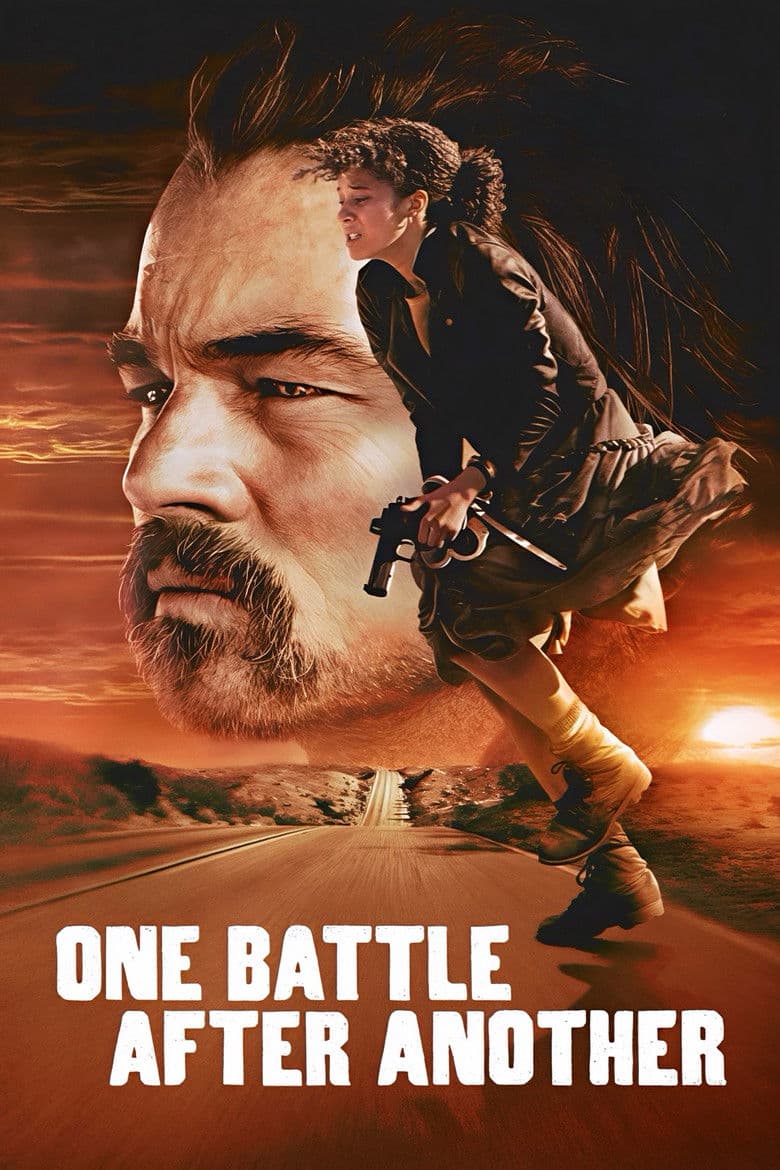
One Battle After Another is an action comedy about a former left-wing radical named Bob. He goes on a mission to rescue his daughter Willa after she is taken by a corrupt government agent. The movie features highly visible social-justice themes. These themes include a group of activists rescuing illegal immigrants from federal agents. There are also prominent female leads and a scene where a character is corrected about a friend’s non-binary pronouns.
Community feedback
Was our 89% Woke rating accurate?
Breakdown
These are the editorial factors and ratings behind our score for One Battle After Another.
Woke representation / casting
The film casts black actresses in roles that were white in the original novel, including the main daughter and her mother. It also includes an audience-visible non-binary teenage character who uses they/them pronouns. Under our rules, this confirmed LGBTQ+ element adds extra weight to the casting score.
65%
Woke political dialogue
The dialogue contains strong political talking points, with characters arguing about state oppression and corporate greed. In one highly visible scene, the main character is corrected on a teenager's pronouns and spends time learning to politely use they/them.
60%
Identity-driven story themes
The main plot centers on former left-wing activists fighting a militarized, white supremacist government force. The story also features a modern underground railroad to protect illegal immigrants, and the inclusion of a non-binary character adds a strong modern identity element to the story's themes.
65%
Western institutional / cultural critique
The film heavily criticizes American border control and federal law enforcement. The main villain is a cartoonish caricature of a right-wing, white supremacist government agent. Additionally, a group of armed, weed-growing "nuns" provides a satirical critique of traditional religious structures.
70%
Woke character or canon changes
The movie changes multiple major white characters from the 1990 novel Vineland into black female characters. The setting is also changed from the 1980s to modern-day America, reshaping the story's classic counterculture struggle into a contemporary fight against immigration agencies.
45%
Anti-woke backlash and complaints
Conservative commentators and anti-woke channels heavily criticized the film. They blasted it as left-wing propaganda that romanticizes political violence and targets right-wing institutions. This backlash was highly visible across social media and YouTube.
80%
Creator track record context
Director Paul Thomas Anderson maintains an apolitical public profile and resists modern political pressure. Author Thomas Pynchon writes anti-authoritarian novels but stays completely out of the public eye. The rest of the crew has no notable activist background.
15%
Production
Movie · 2023
Inspired by a true story, an oddball group of cops, criminals, tourists and teens converge in a Georgia forest where a 500-pound black bear goes on a murderous rampage after…
Movie · 2017
When a depressed woman is burglarized, she finds a new sense of purpose by tracking down the thieves alongside her obnoxious neighbor.
Movie · 2020
An ordinary guy suddenly finds himself forced to fight a gladiator-like battle for a dark website that streams the violence for viewers.
Movie · 2019
A serial killer strikes fear in the hearts of residents of Hamburg during the early 1970s.
Movie · 2021
The world’s most lethal odd couple – bodyguard Michael Bryce and hitman Darius Kincaid – are back on another life-threatening mission.

Movie · 2018
A series of mysterious events changes the life of a blind pianist who now must report a crime that was actually never witnessed by him.

Movie · 2017
Lynn, a brilliant student, after helping her friends to get the grades they need, develops the idea of starting a much bigger exam-cheating business.
Movie · 2024
Broke and depressed, Ray is mistaken for a dangerous hitman and given an envelope of cash. Along with his P.I.
