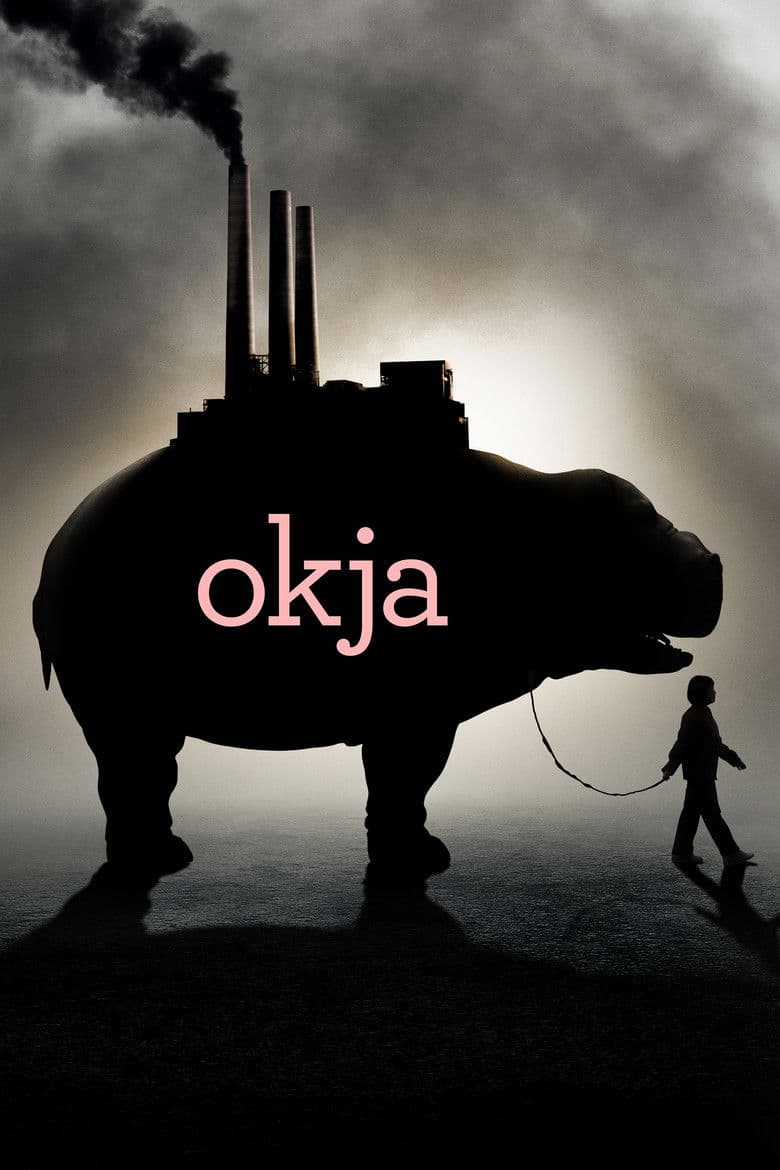
Mija is a teenage girl who lives with her grandfather in the South Korean mountains. She has raised Okja, a huge lab-made pig, as her closest friend. When the Mirando food company takes Okja to New York for a public contest and planned slaughter, Mija follows them. The film shifts from warm family adventure to frantic comedy, then to frightening scenes inside a meat plant.
Okja strongly presents animal activism as a way to fight factory farming, false green claims, and profit-first business. The Animal Liberation Front uses raids, hidden cameras, public protests, and bold actions to expose Mirando. Mija's bond with Okja makes the film ask viewers to see a farm animal as a living friend with feelings and family ties. The story also includes a brief male couple inside the activist group, but the main message is about animals, money, and the cost of treating life as a product.
Community feedback
Was our 60% Woke rating accurate?
Breakdown
These are the editorial factors and ratings behind our score for Okja.
Woke representation / casting
The film includes Blond and Silver, two male members of the Animal Liberation Front, as a couple. Their relationship appears in the background through close contact and a brief kiss. Mija's Korean identity and female lead fit her family and story, so the wider cast does not show a strong identity-first pattern.
12%
Woke political dialogue
The film gives the activists repeated lines about harming animals, exploiting food, and damaging companies that profit from suffering. The film shows Mirando executives defending mass production, false green promises, lobbying, and cheap meat. Jay and the other activists present direct action and public exposure as needed tools, even though the film also mocks their mistakes. The dialogue makes animal rights and anti-capitalist ideas easy to notice.
55%
Identity-driven story themes
The film includes a brief male couple, Blond and Silver, within the activist group. Their relationship adds a small LGBTQ+ representation element, but it does not drive Mija's rescue or the ending. The main story follows Mija and Okja's bond and the fight over animal use, not race, gender, or sexuality.
12%
Western institutional / cultural critique
The film presents Mirando as a large company that uses science, ads, public image, and political ties to turn living animals into cheap products. The story links factory farming to profit, mass production, and a system that hides harm behind friendly words. The Animal Liberation Front calls for public exposure and economic damage, while the company answers with private force and more lobbying. This makes modern anti-corporate and anti-capitalist critique a major part of the film.
65%
Woke character or canon changes
Not present in this title.
0%
Anti-woke backlash and complaints
A few anti-vegan online posts called the film propaganda and objected to its attack on meat production. Those posts treated the animal-rights message as activist pressure, not as a race, gender, or sexuality issue. The larger Cannes backlash targeted Netflix's theater policy and a broken screening, not woke content. The evidence for anti-woke backlash is small and mostly fringe.
8%
Creator track record context
Bong's cached creator score is 43/100 because his films often focus on class, power, and social harm. His interviews connect Okja's animal story to capitalism and the system around it. Tilda Swinton's cached score is 90/100 and adds activist context, but her personal causes do not drive the plot. The other cached producer scores are much lower, so they add little extra activist context.
45%
Production
Movie · 2014
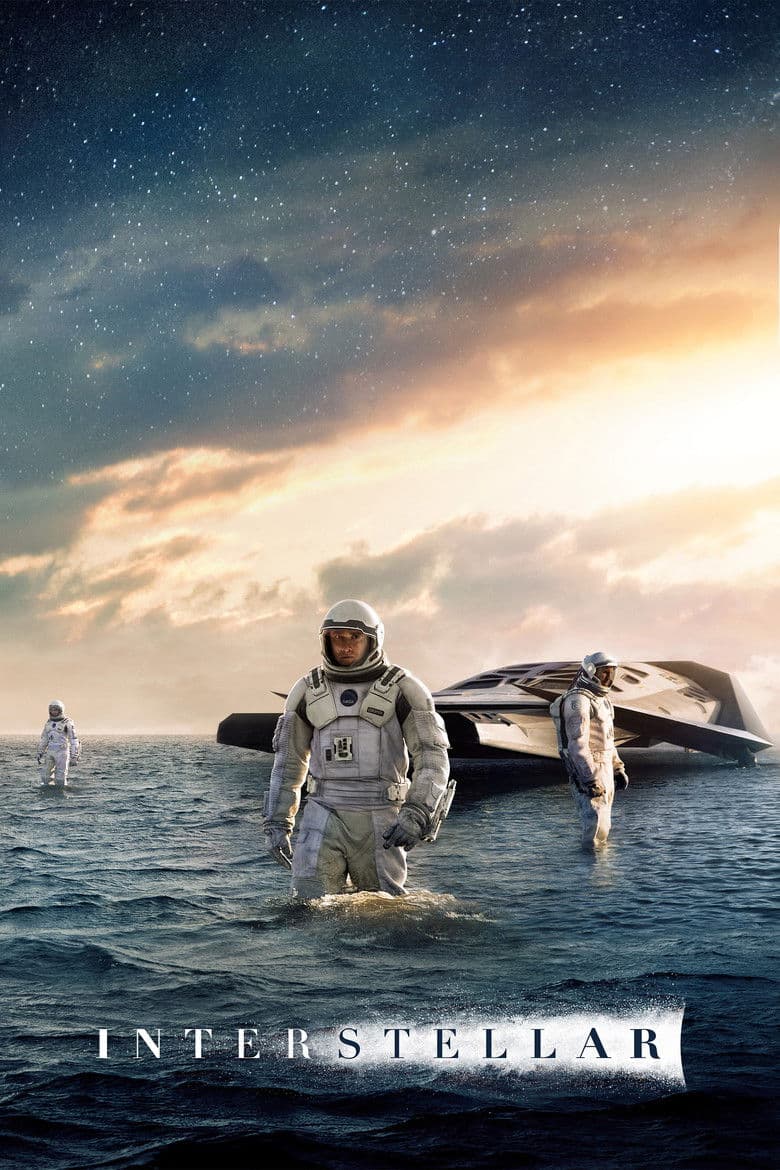
The adventures of a group of explorers who make use of a newly discovered wormhole to surpass the limitations on human space travel and conquer the vast distances involved in an…
Movie · 2024
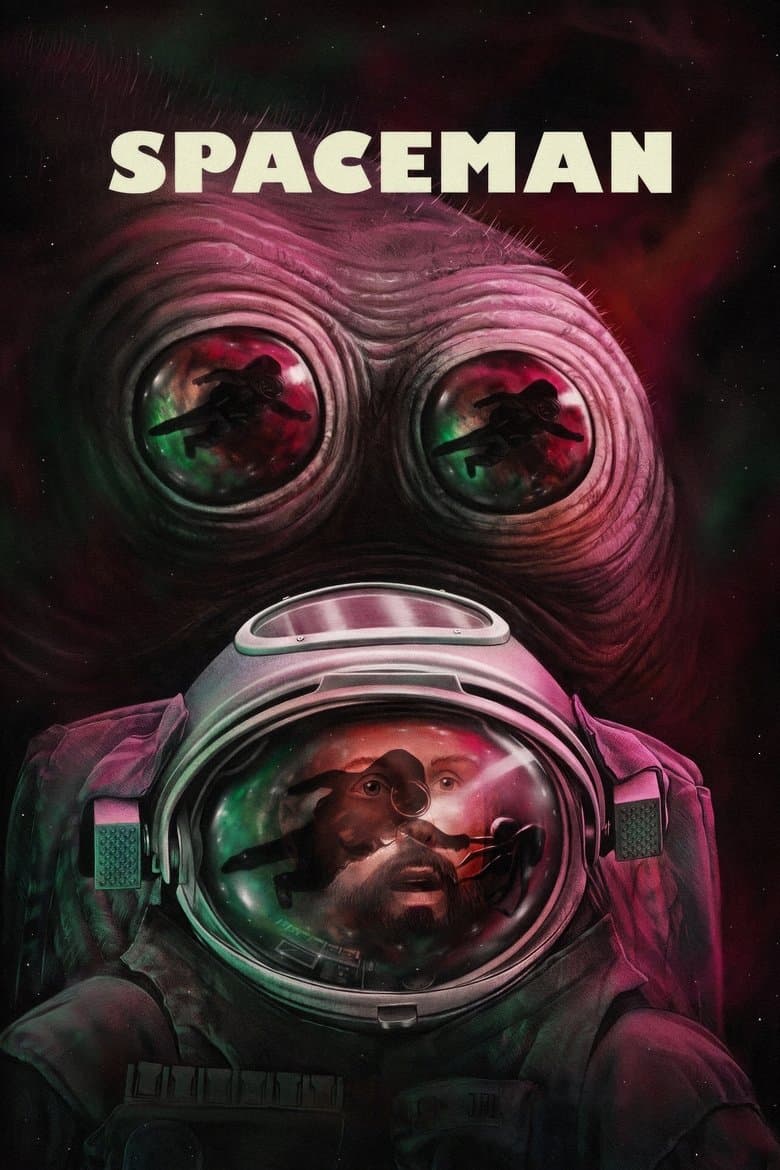
Six months into a solo mission, a lonely astronaut confronts the cracks in his marriage with help from a mysterious creature he discovers on his ship.

Movie · 2025
When a raging flood traps a researcher and her young son, a call to a crucial mission puts their escape — and the future of humanity — on the line.
Movie · 2015
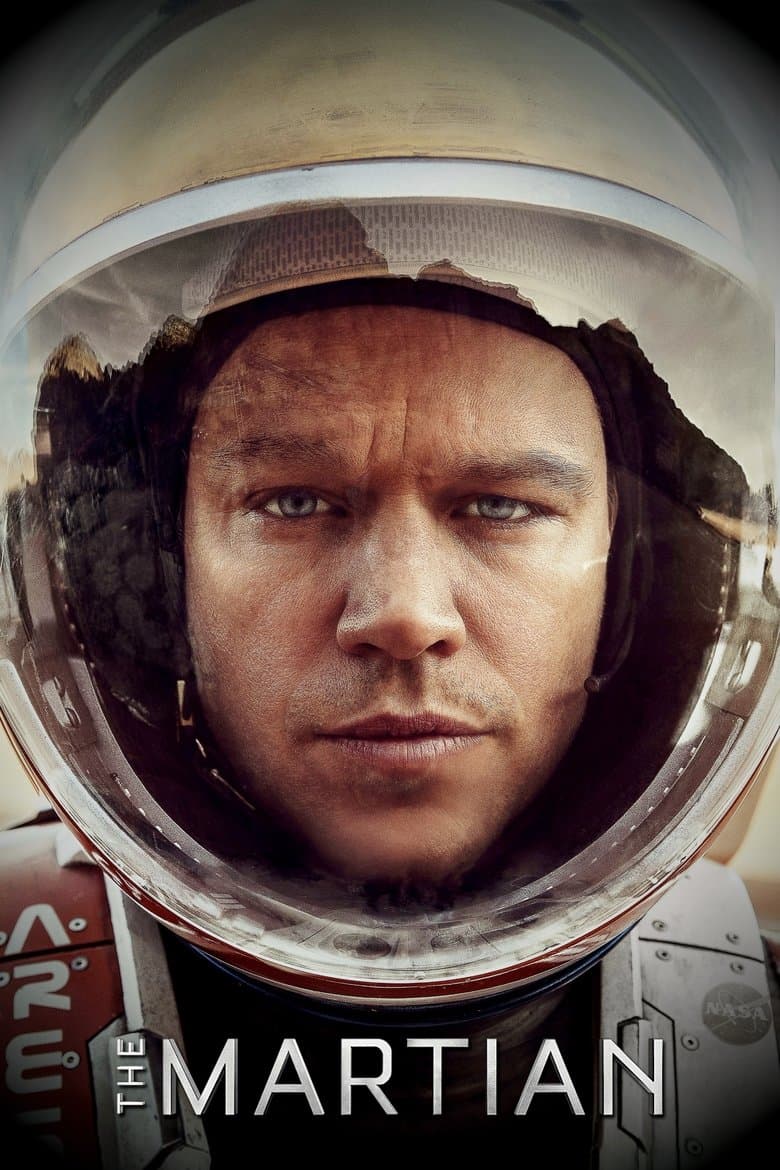
During a manned mission to Mars, Astronaut Mark Watney is presumed dead after a fierce storm and left behind by his crew.
Movie · 2021
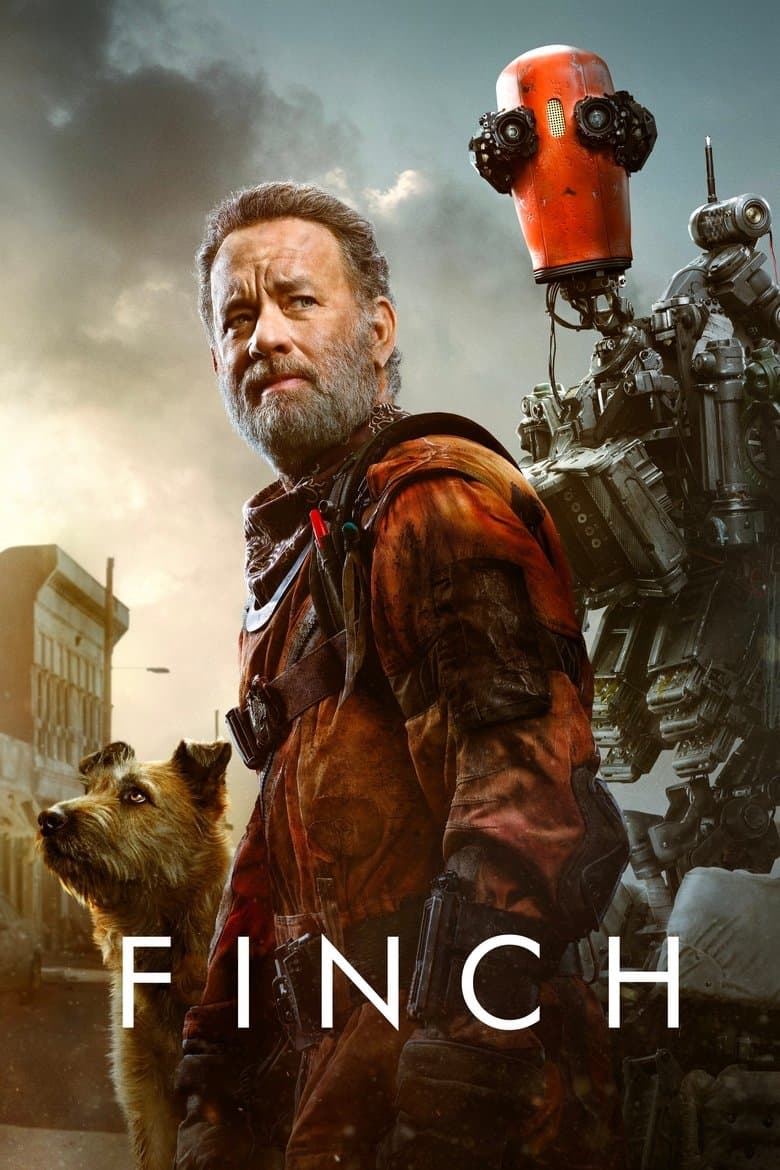
On a post-apocalyptic Earth, a robot, built to protect the life of his dying creator's beloved dog, learns about life, love, friendship, and what it means to be human.
Movie · 2016
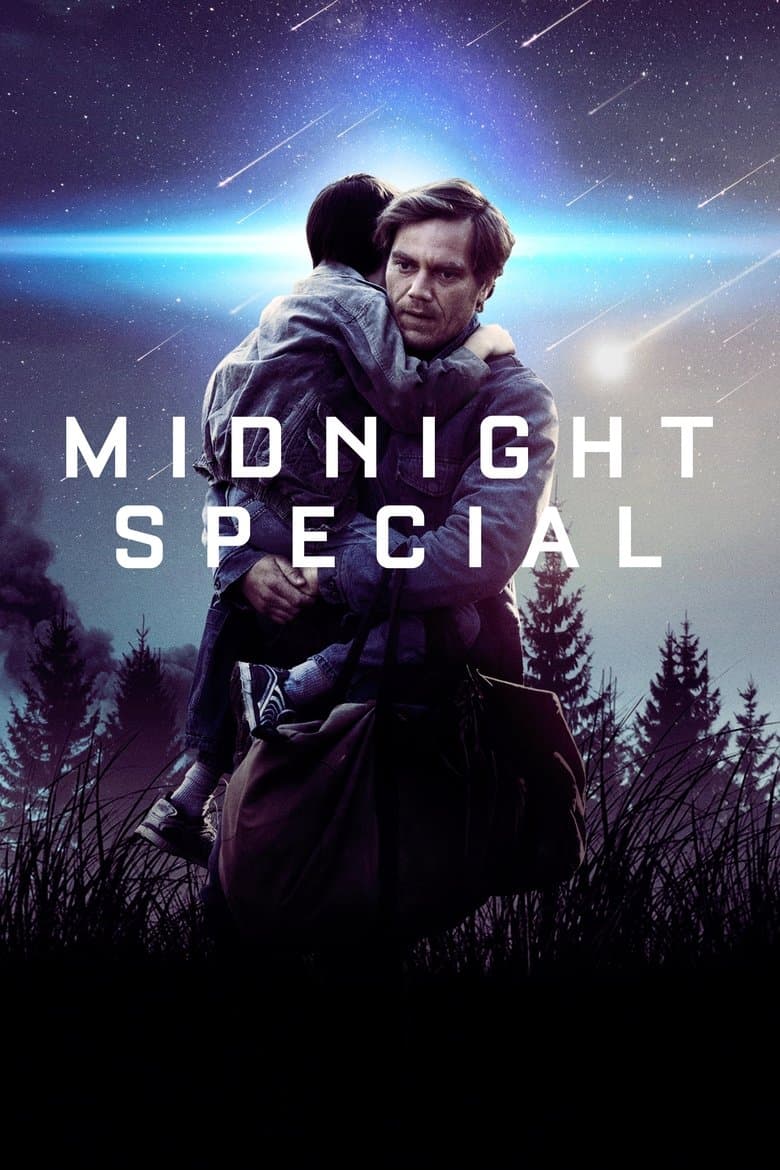
A father and son go on the run after the dad learns his child possesses special powers.
Movie · 2019
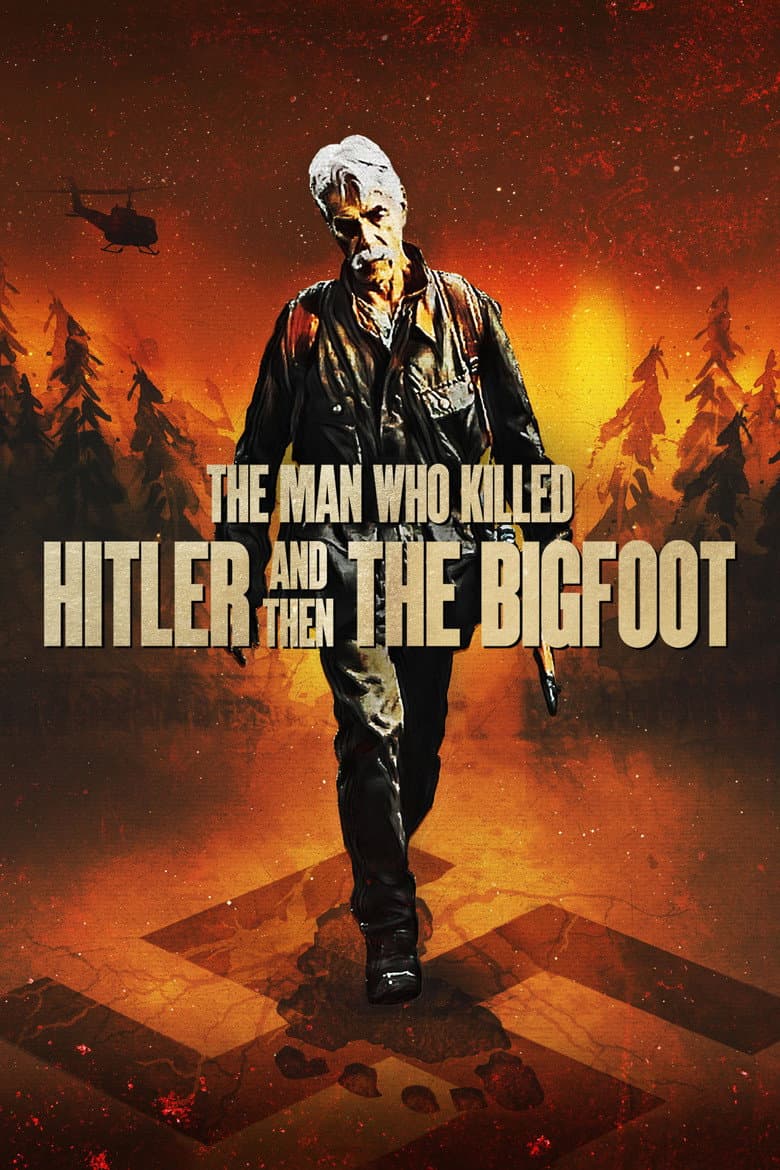
Decades after serving in WWII and assassinating Adolf Hitler, a legendary American war veteran must now hunt down the fabled Bigfoot.
Movie · 2019
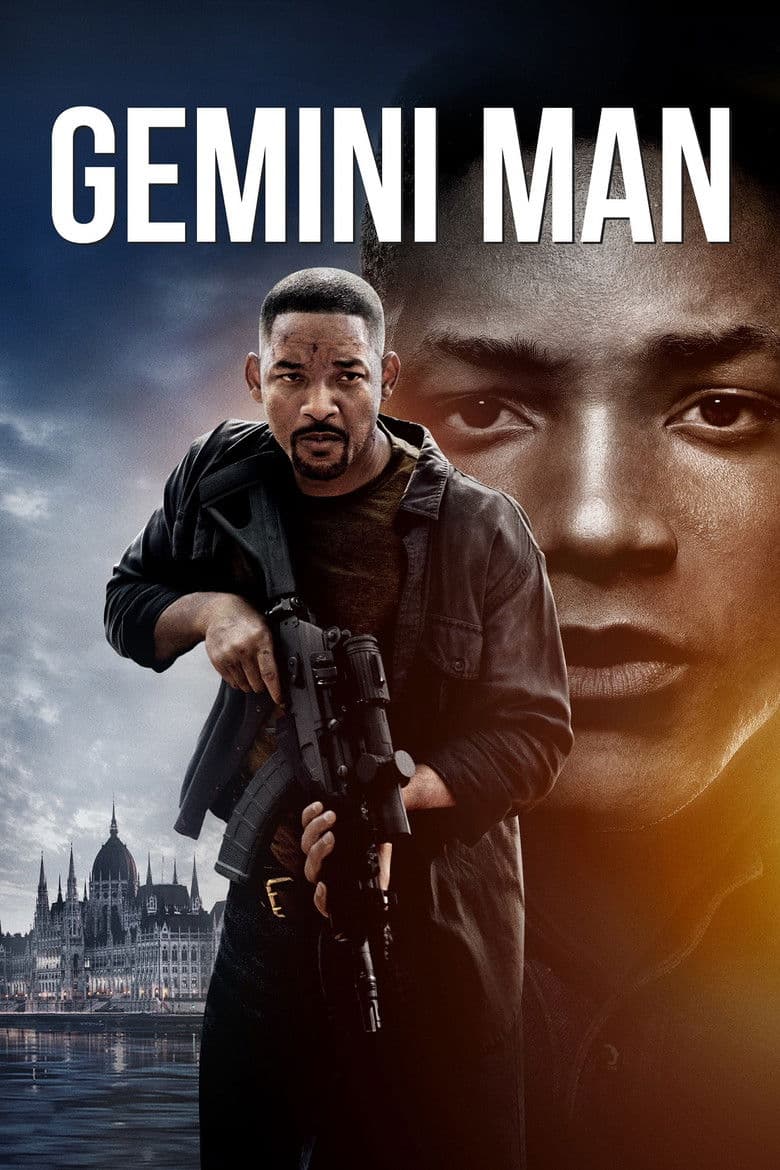
Henry Brogan is an elite 51-year-old assassin who's ready to call it quits after completing his 72nd job. His plans get turned upside down when he becomes the target of a…
