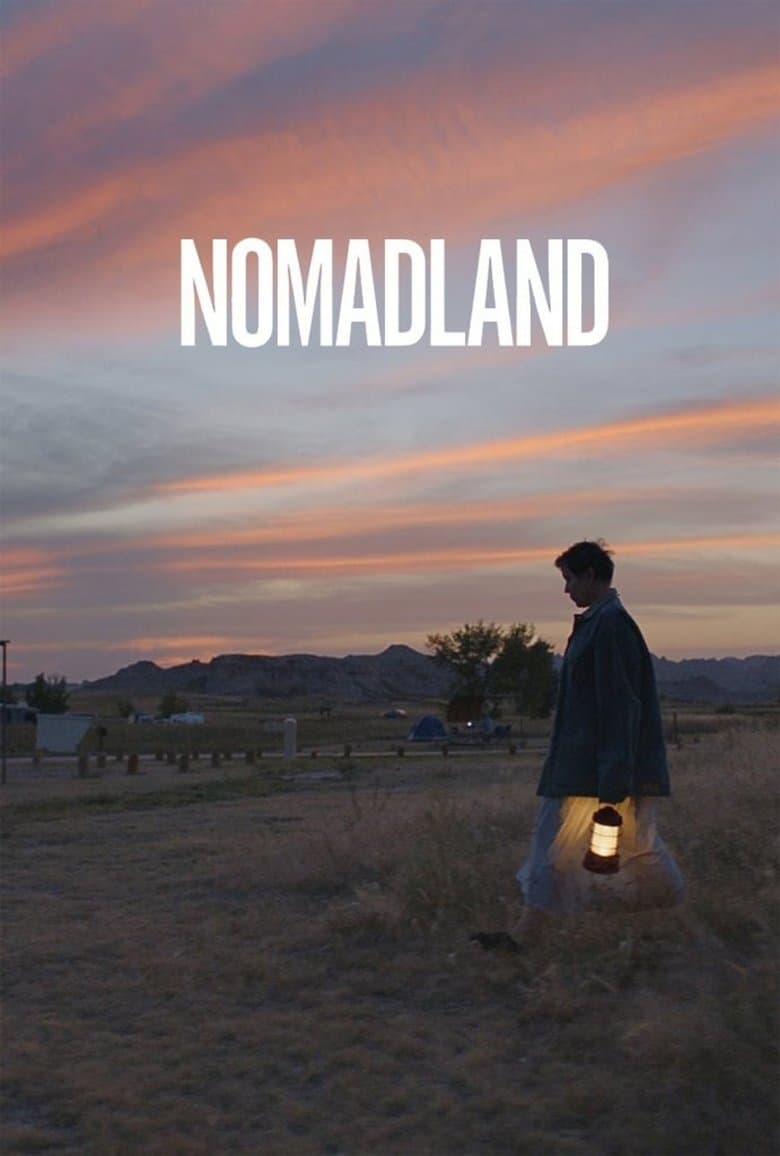
Fern is a woman in her sixties. After her husband dies and her Nevada company town shuts down, she loses her job and her old life. She packs what she can into a van and drives across the American West looking for short-term work. The film is quiet and sad, focused on grief, freedom, and people who live on the road.
The story is mainly about one woman’s loss and her choice to keep moving. Viewers see hard seasonal jobs, empty towns, and van life among older workers hit by the Great Recession. There is light talk of money trouble and temporary jobs, including Amazon warehouse work. The film does not push race, gender, or queer identity as its main message. A normal viewer would mainly notice a personal road story about sadness, friendship, and making do, with a soft look at economic hard times in the background.
Community feedback
Was our 24% Woke rating accurate?
Breakdown
These are the editorial factors and ratings behind our score for Nomadland.
Woke representation / casting
Lead is an older white widow. Most key roles are older white real-life nomads matching the real group shown. Casting follows the book’s world and documentary-style casting, not quota-style identity signaling in star roles.
0%
Woke political dialogue
Talk is mostly personal: grief, van repairs, road tips, friendship. No heavy activist lines about race, gender, or identity politics. Economic hardship is shown more than lectured.
5%
Identity-driven story themes
Core themes are mourning, independence, temporary community, and money stress after a plant closes. Class and work insecurity appear lightly. Race, gender ideology, and queer identity are not the story’s engine.
10%
Western institutional / cultural critique
Shows a dead company town, seasonal gig work, and hard low-paid jobs, including Amazon. That is a mild classical look at economic pain and insecure work, not a modern lecture on whiteness, patriarchy, or culture-war targets. The film softens harsher system blame from the book.
25%
Woke character or canon changes
Not relevant. The movie invents Fern and softens labor critique; those are story and tone choices, not identity-driven swaps of known characters or history.
0%
Anti-woke backlash and complaints
Almost no large, sustained right-leaning campaign that the film pushes DEI or identity politics. A few fringe “woke Oscar” or “Hollywood poverty plant” takes exist. Main controversy was left-side Amazon and “not political enough” criticism, which does not raise this score.
8%
Creator track record context
Mix of cached scores: Zhao low-moderate humanism; McDormand high for inclusion-rider advocacy; Bruder moderate progressive labor focus; Spears moderate queer-cinema work; several producers low. Overall supporting context is moderate, and this title itself stays personal rather than activist.
34%
Production
Movie · 2023
The true story of the inseparable Von Erich brothers, who made history in the intensely competitive world of professional wrestling in the early 1980s.
Movie · 2016
WWII American Army Medic Desmond T. Doss, who served during the Battle of Okinawa, refuses to kill people and becomes the first Conscientious Objector in American history to…
Movie · 2020
A man refuses all assistance from his daughter as he ages and, as he tries to make sense of his changing circumstances, he begins to doubt his loved ones, his own mind and even…
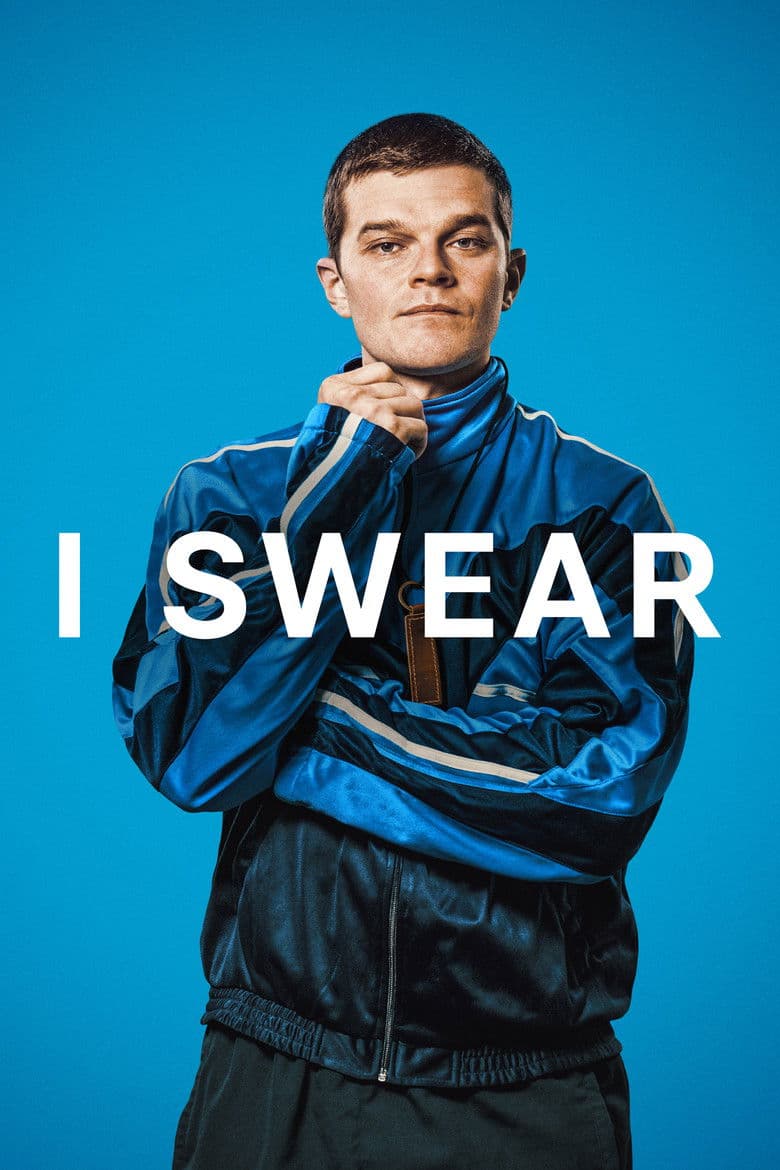
Movie · 2025
Diagnosed with Tourette Syndrome at 15, John Davidson navigates his way against the odds through troubled teenage years and into adulthood, finding inspiration in the kindness of…
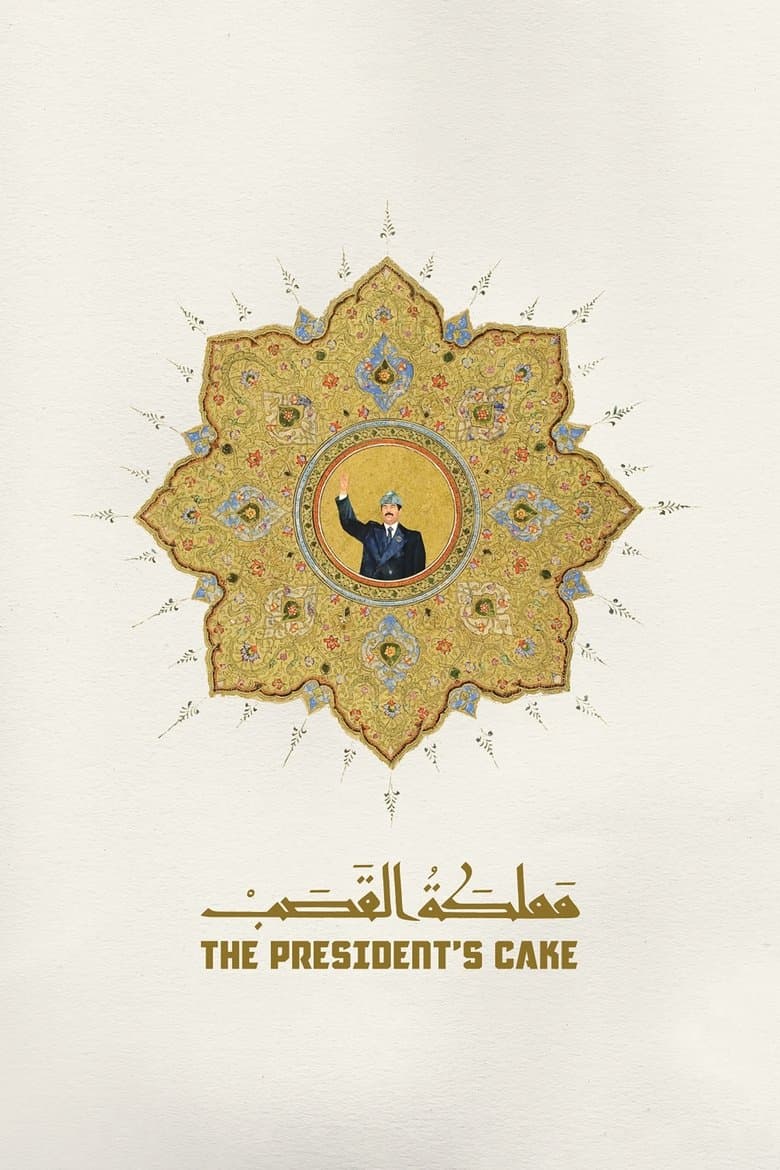
Movie · 2026
While people across 1990s Iraq struggle to survive the war and food shortages, Saddam Hussein requires each school in the country to prepare a cake to celebrate his birthday.
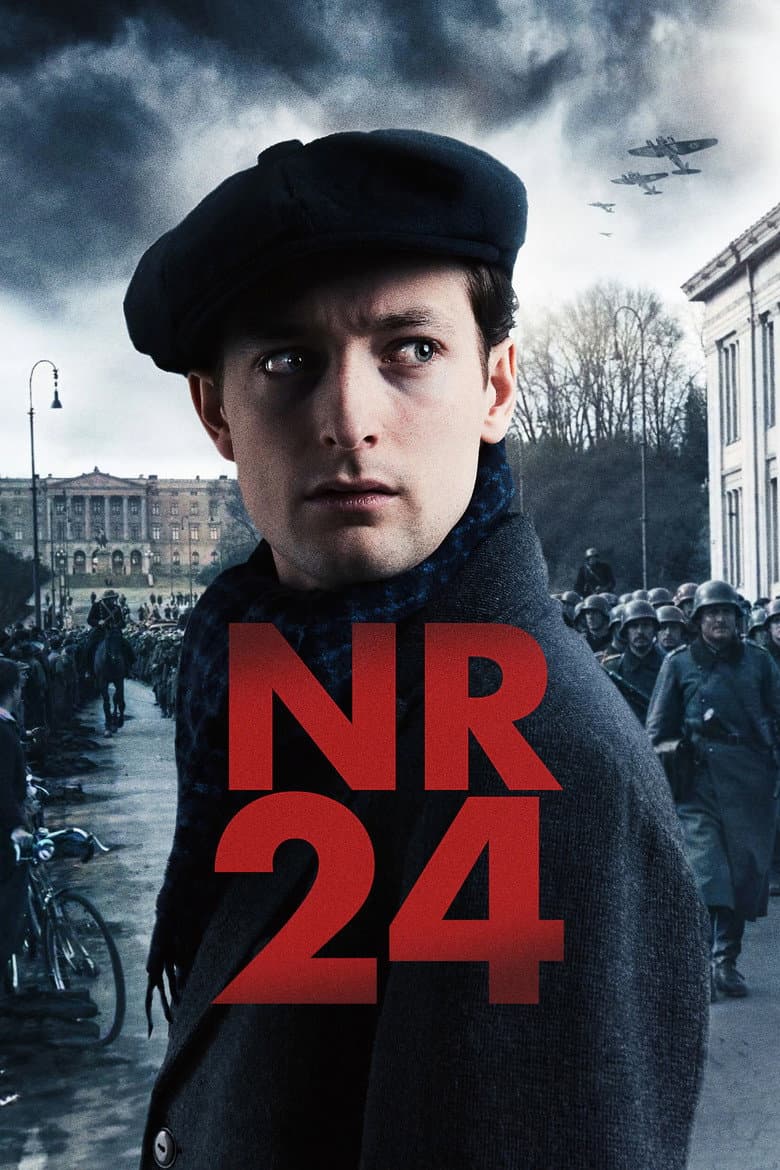
Movie · 2024
On the brink of the Second World War, a young Norwegian man's drive to resist the Nazis sets a new course for his future – and the future of his country.
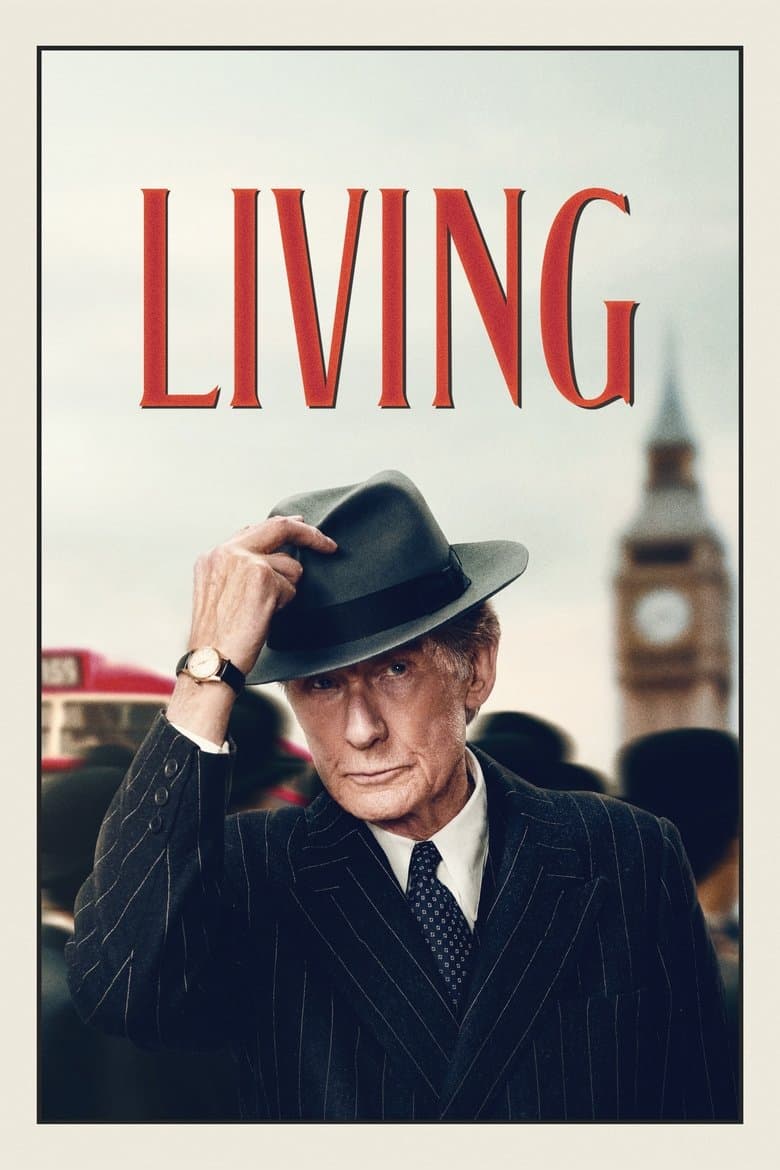
Movie · 2022
London, 1953. Mr. Williams, a veteran civil servant, is an important cog within the city's bureaucracy as it struggles to rebuild in the aftermath of World War II.
Movie · 2016
On 15 January 2009, the world witnessed the 'Miracle on the Hudson' when Captain 'Sully' Sullenberger glided his disabled plane onto the Hudson River, saving the lives of all 155…
