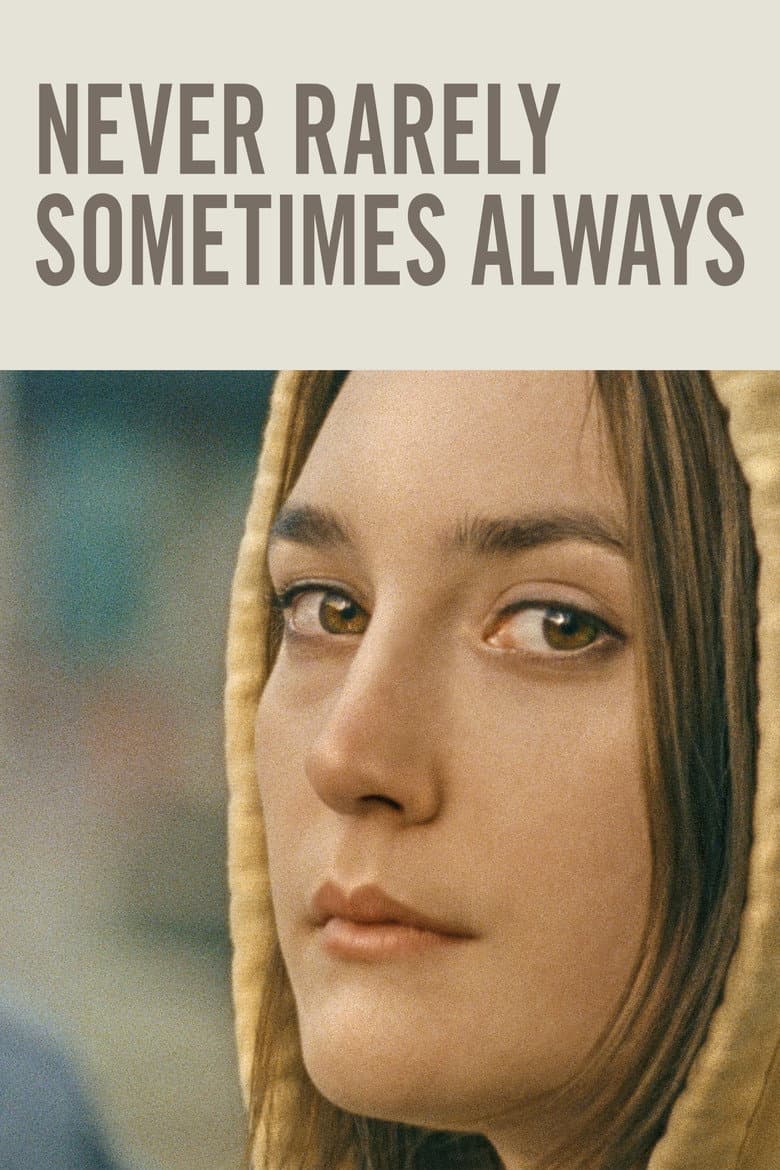
Never Rarely Sometimes Always is a quiet drama about a seventeen-year-old girl named Autumn from rural Pennsylvania. After finding out she is pregnant, she travels with her cousin to New York City to get an abortion. The movie features strong, clearly visible feminist themes focused on female support and abortion rights. It actively criticizes traditional social values, portraying conservative abortion laws as cruel barriers and showing a pattern of toxic male behavior.
Community feedback
Was our 83% Woke rating accurate?
Breakdown
These are the editorial factors and ratings behind our score for Never Rarely Sometimes Always.
Woke representation / casting
The casting is highly realistic and grounded, featuring local-looking actors who fit the rural Pennsylvania and New York settings. There are no obvious diversity quotas, identity swaps, or prominent identity signaling. The cast choices are made purely to make the story feel like real life.
15%
Woke political dialogue
The film is very quiet and relies on looks and actions rather than loud political speeches. However, there is some clear political signaling in what characters say. The girls talk about the difficulty of bypassing parental consent laws and describe local women's clinics as misleading. The clinic counselor’s questions highlight topics of sexual abuse and a lack of choices for young women, framing the talk around abortion rights.
25%
Identity-driven story themes
The entire plot is about a teenage girl's journey to get an abortion. The movie is built directly on feminist ideas of female support, reproductive rights, and body control. It highlights the struggles women face under rules made by men. The story shows the two cousins relying only on each other to survive. This sends a clear, hard-to-miss message about female strength and the struggle against unfair social barriers.
75%
Western institutional / cultural critique
The film strongly criticizes conservative ideas and institutions. It portrays rural Pennsylvania's parental consent laws as unfair barriers. It also shows pro-life pregnancy centers as dishonest and clueless. In addition, the movie shows a constant pattern of bad male behavior. Almost every man, including the girl's stepfather, a grocery store manager, and guys on the bus or subway, is shown as a creep, a bully, or an abuser.
78%
Woke character or canon changes
Not relevant. The movie is an original script with completely original characters.
0%
Anti-woke backlash and complaints
The film received strong criticism from conservative writers and pro-life viewers. They called it a movie-length ad for Planned Parenthood. Conservative outlets like the National Review criticized its unfair portrayal of pregnancy clinics and its one-sided political message. Some users also tried to lower its ratings on IMDb and Rotten Tomatoes due to its heavy feminist message, though its digital-only release kept the backlash relatively small.
45%
Creator track record context
The main creative team has a strong history of making movies about identity and social issues. Writer-director Eliza Hittman is known for feminist and queer indie films. Cinematographer Hélène Louvart often works on movies about women and LGBTQ+ experiences. Producer Barry Jenkins and his team have a famous track record of telling stories about black and gay characters. This shows a clear creative pattern of focusing on progressive representation.
62%
Production
Movie · 2022
A quiet, neglected girl is sent away from her dysfunctional family to live with relatives for the summer. She blossoms in their care, but in this house where there are meant to be…
Movie · 2025
A logger leads a life of quiet grace as he experiences love and loss during an era of monumental change in early 20th-century America.
Movie · 2016
On 15 January 2009, the world witnessed the 'Miracle on the Hudson' when Captain 'Sully' Sullenberger glided his disabled plane onto the Hudson River, saving the lives of all 155…
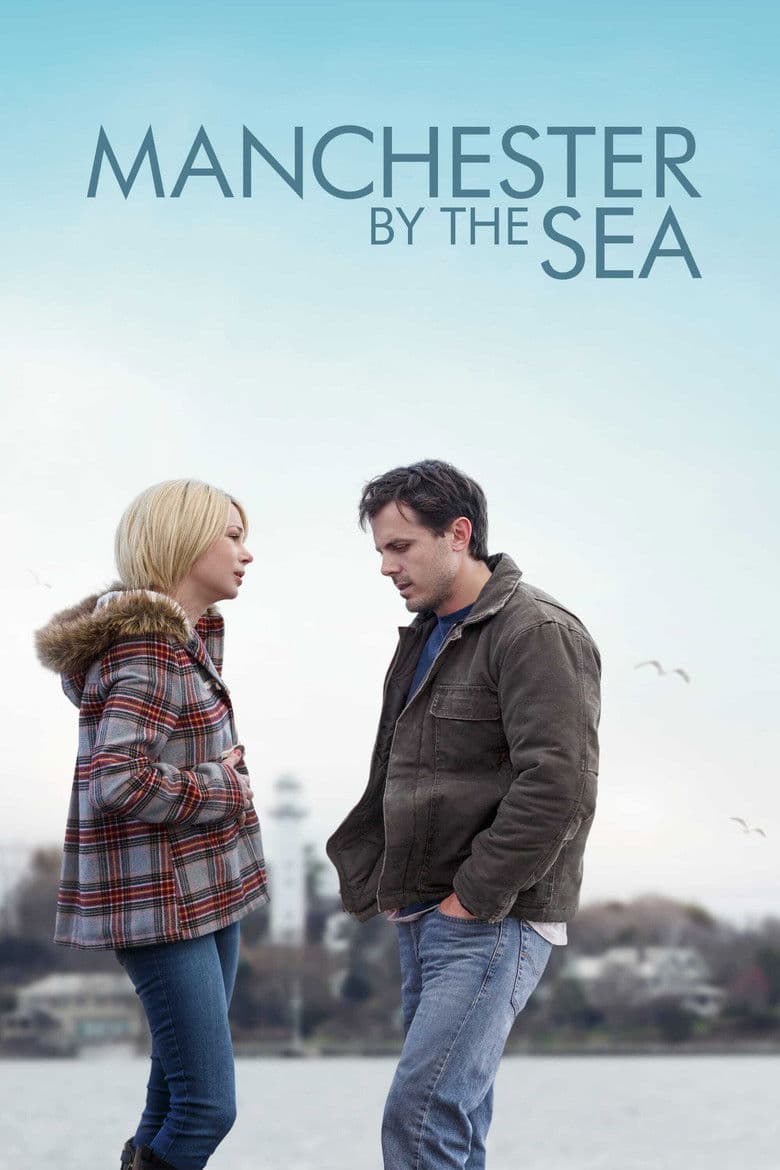
Movie · 2016
After his older brother passes away, Lee Chandler is forced to return home to care for his 16-year-old nephew.
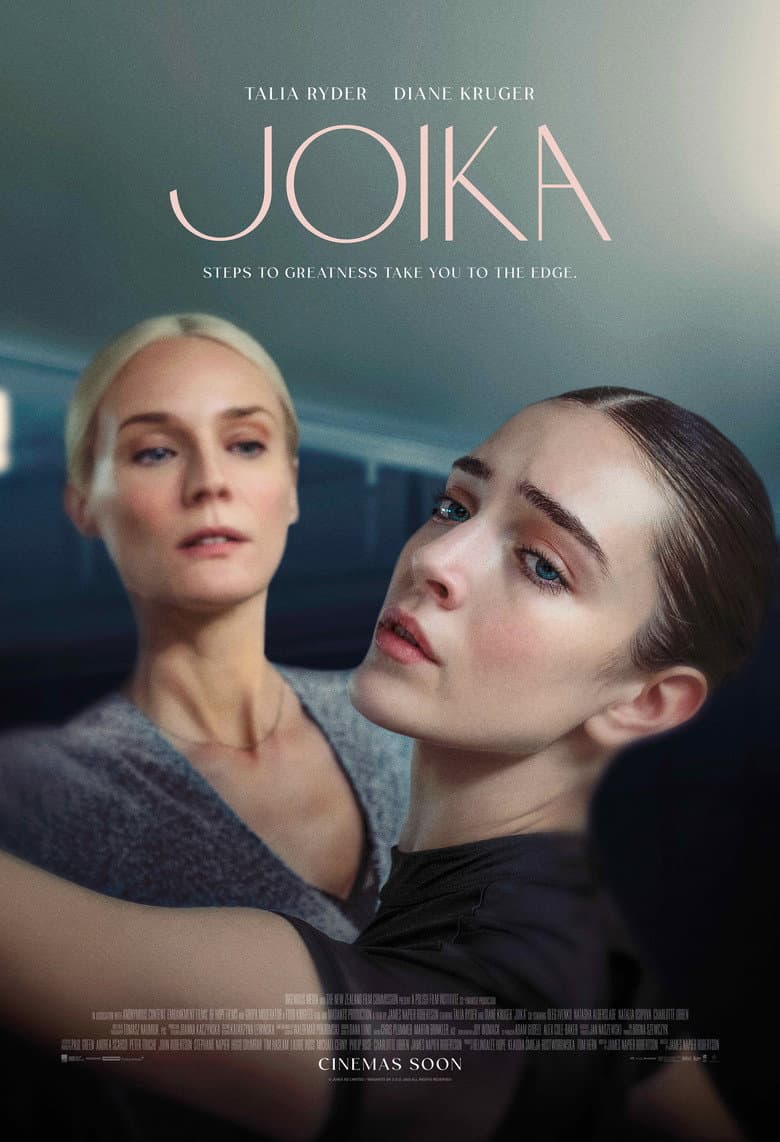
Movie · 2023
American ballet dancer Joy Womack is accepted into Moscow's infamously tough Bolshoi Ballet Academy, with the dream of becoming a great ballerina.
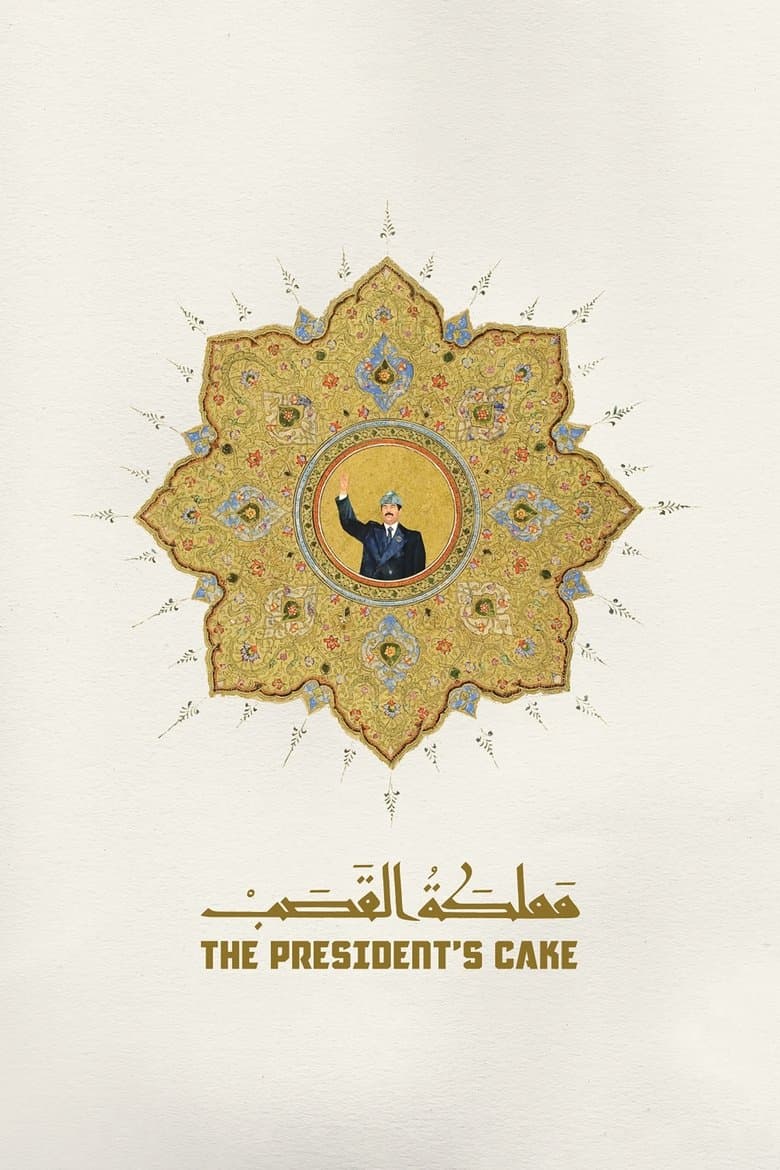
Movie · 2026
While people across 1990s Iraq struggle to survive the war and food shortages, Saddam Hussein requires each school in the country to prepare a cake to celebrate his birthday.

Movie · 2023
The true story of the inseparable Von Erich brothers, who made history in the intensely competitive world of professional wrestling in the early 1980s.
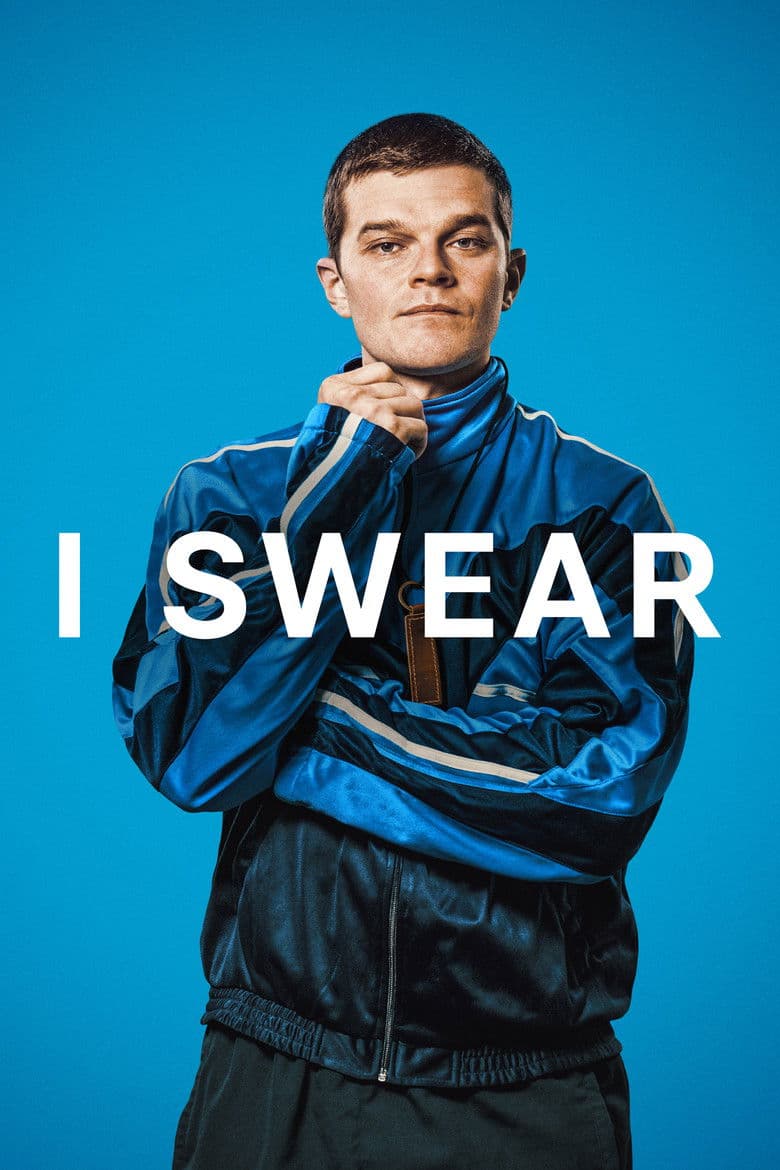
Movie · 2025
Diagnosed with Tourette Syndrome at 15, John Davidson navigates his way against the odds through troubled teenage years and into adulthood, finding inspiration in the kindness of…
