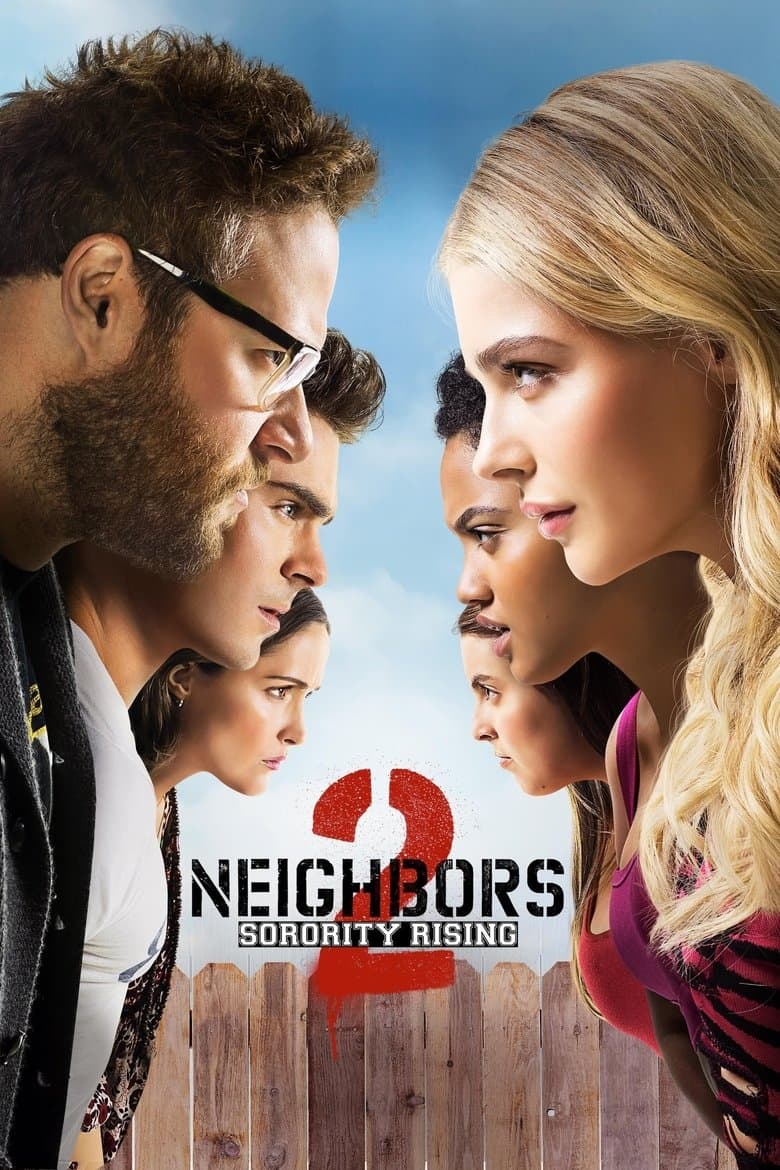
This raunchy studio sequel turns the first film’s frat war into a female-led Greek life story. Freshmen start an independent sorority after they reject what they call super rapey frat parties and the Panhellenic rules that keep sororities from hosting parties. Parenthood versus partying still drives the plot. Gender double standards, campus safety, and equal chance for wild fun carry the main ideas. The movie stays R-rated neighbor slapstick with gross-out gags rather than a pure lecture.
Viewers can see reverse sexism talk, white man putdowns, feminist-icon party jokes, and scolding of bros before hos language. Teddy’s arc moves him toward feminist ideas, and sisterhood and acceptance land softly at the end. Pete comes out as gay, there is a same-sex proposal and kiss, friends chant support, and Teddy plans gay weddings. Frat masculinity, rape-culture norms, male entitlement, and double standards in Greek life get strong mockery. The politics sit on top of parenthood comedy, so the film is only partly about identity.
Community feedback
Was our 90% Woke rating accurate?
Breakdown
These are the editorial factors and ratings behind our score for Neighbors 2: Sorority Rising.
Woke representation / casting
The modern college and suburb setting makes a mixed cast feel normal. The film and marketing still push a female-centered and casually diverse progressive group. The sorority founders form a multi-racial trio, with more visible supporting diversity. The focus is women leading a male raunch franchise more than race-swap history, but the ensemble is still identity-forward rather than neutral default casting.
40%
Woke political dialogue
Audience-facing lines hit super rapey frat culture and the claim that reverse sexism is not real. A dean roughly answers Mac with Yeah, OK, white man. Teddy scolds bros before hos talk and don’t call girls hos. On-the-nose feminist-icon party jokes appear too. A casual viewer would struggle to miss these beats.
74%
Identity-driven story themes
The core premise is women founding a house to escape sexist rules and predatory party culture. Teddy’s arc re-educates him toward feminist ideas, and a sex-positive girl power ending backs the sorority’s project. The LGBTQ subplot is prominent with Pete coming out, a gay proposal and kiss, acceptance chants, and Teddy planning gay weddings. Parenthood and raunch comedy still share the film, so it is not a full 90.
76%
Western institutional / cultural critique
The film strongly critiques frat masculinity, rape-culture norms, male entitlement, and double standards in Greek life. It mocks reverse-sexism complaints and bro culture. The main target is campus Greek and gender order and toxic masculinity norms. It is not mainly anti-Christian or anti-capitalist, and it is not generic rich people bad satire.
66%
Woke character or canon changes
Returning Pete was coded straight with women hookups in the 2014 film. The sequel makes him explicitly gay with a fiancé. Creators framed that as a progressive fix for bromance and gay-panic habits. It is an identity-driven franchise rewrite, not ordinary plot compression, and there is no race or gender swap of historical figures.
52%
Anti-woke backlash and complaints
There was real anti-PC and anti-feminist pushback that called the progressive agenda a joke killer. Conservative and culture sites blamed feminism for weaker comedy and box office. A Christian review flagged extreme political correctness and gay-marriage promotion, and Reddit discussed social-justice comedy. The scale fits 2016 print and culture criticism more than a later viral pile-on.
44%
Creator track record context
Cached scores place director Stoller mid-range and later linked to Bros, with open feminist-process messaging here. Rogen sits mid-range and Goldberg much lower, with other key names low. The main creative pair gives mid-range progressive comedy context without a full activist slate.
40%
Production
Movie · 2023
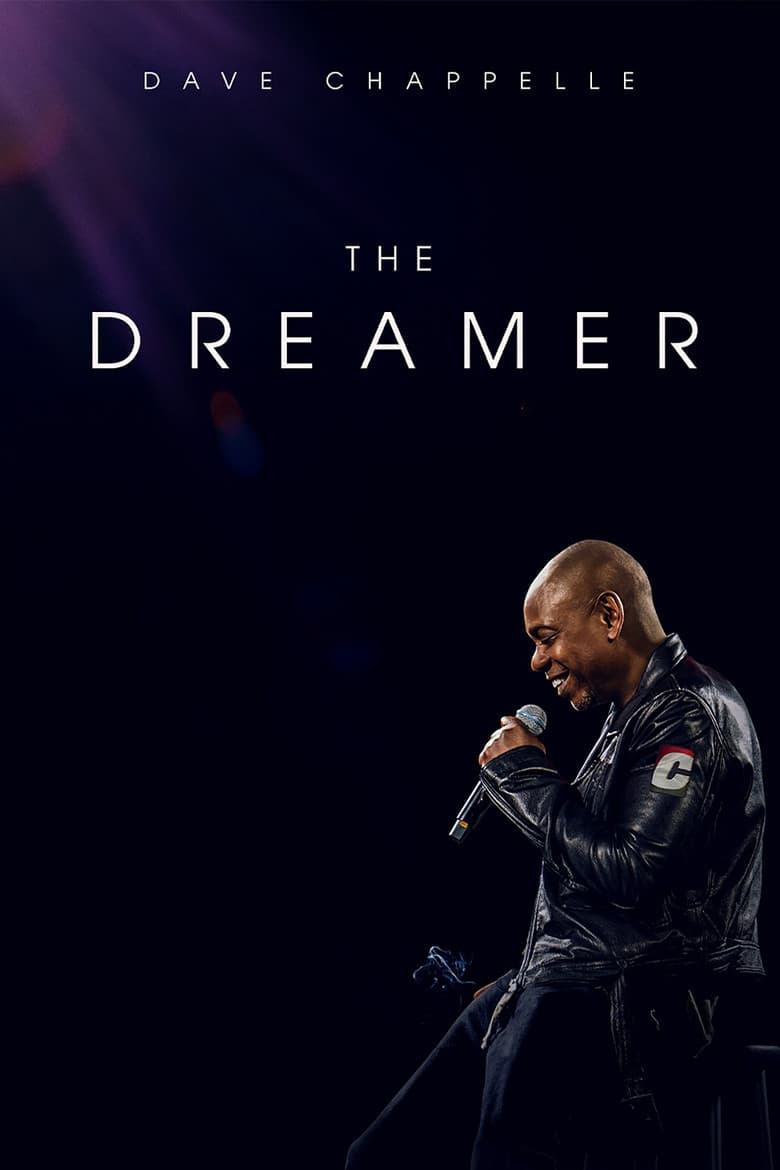
From his onstage tackle to the slap heard round the world, Dave Chappelle lets loose in this freewheeling and unfiltered stand-up comedy special.
Movie · 2018
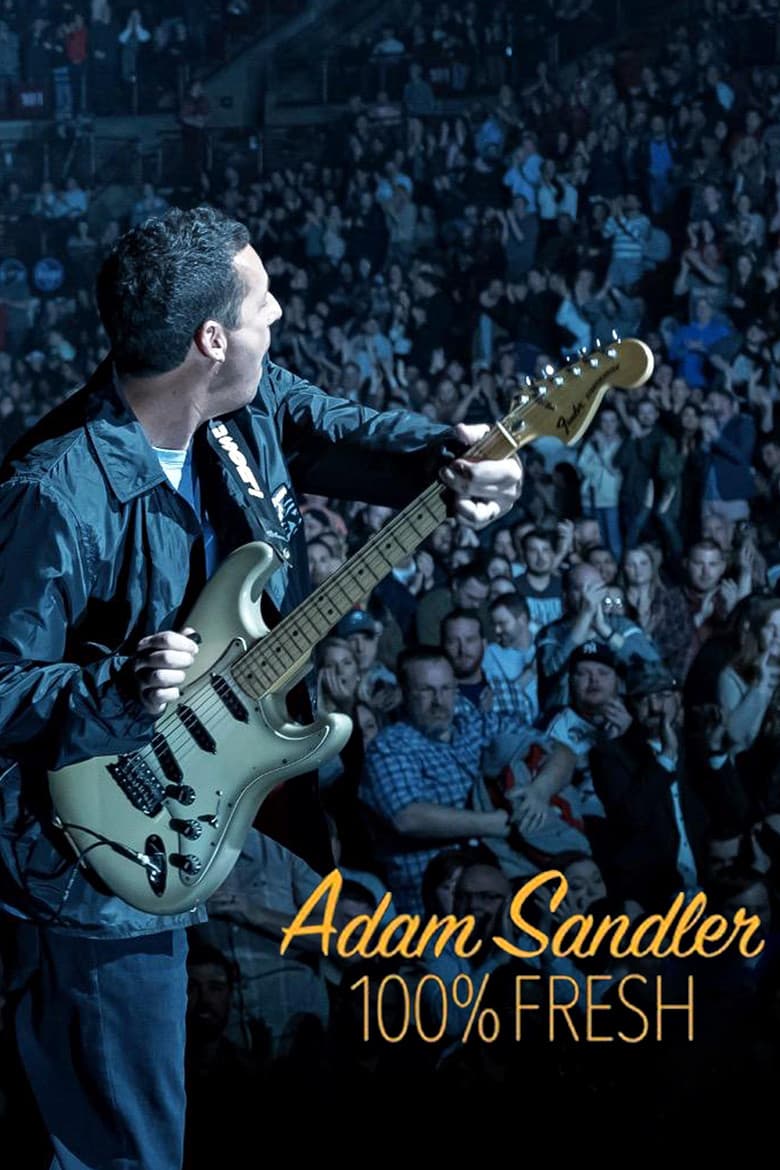
Adam Sandler takes his comical musical musings back out on the road, from comedy clubs to concert halls to one very unsuspecting subway station.
Movie · 2022
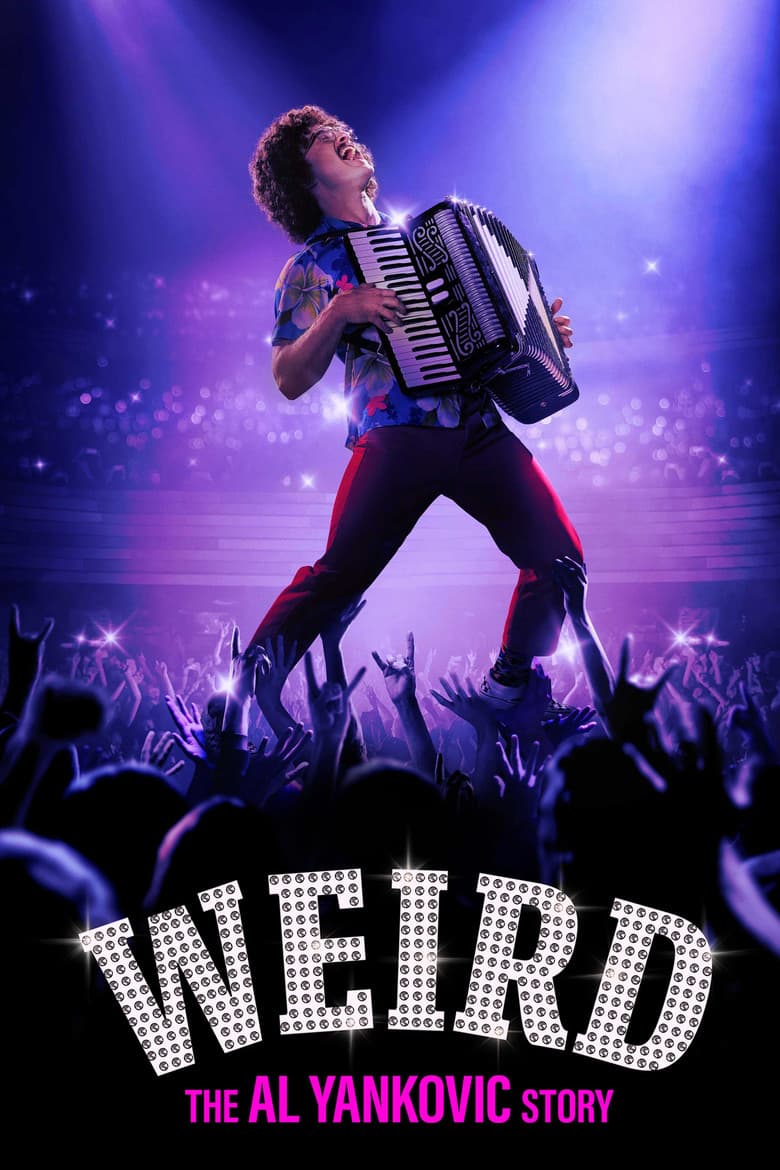
Exploring every facet of ‘Weird Al’ Yankovic’s life, from his meteoric rise to fame with early hits like ‘Eat It’ and ‘Like a Surgeon’ to his torrid celebrity love affairs and…
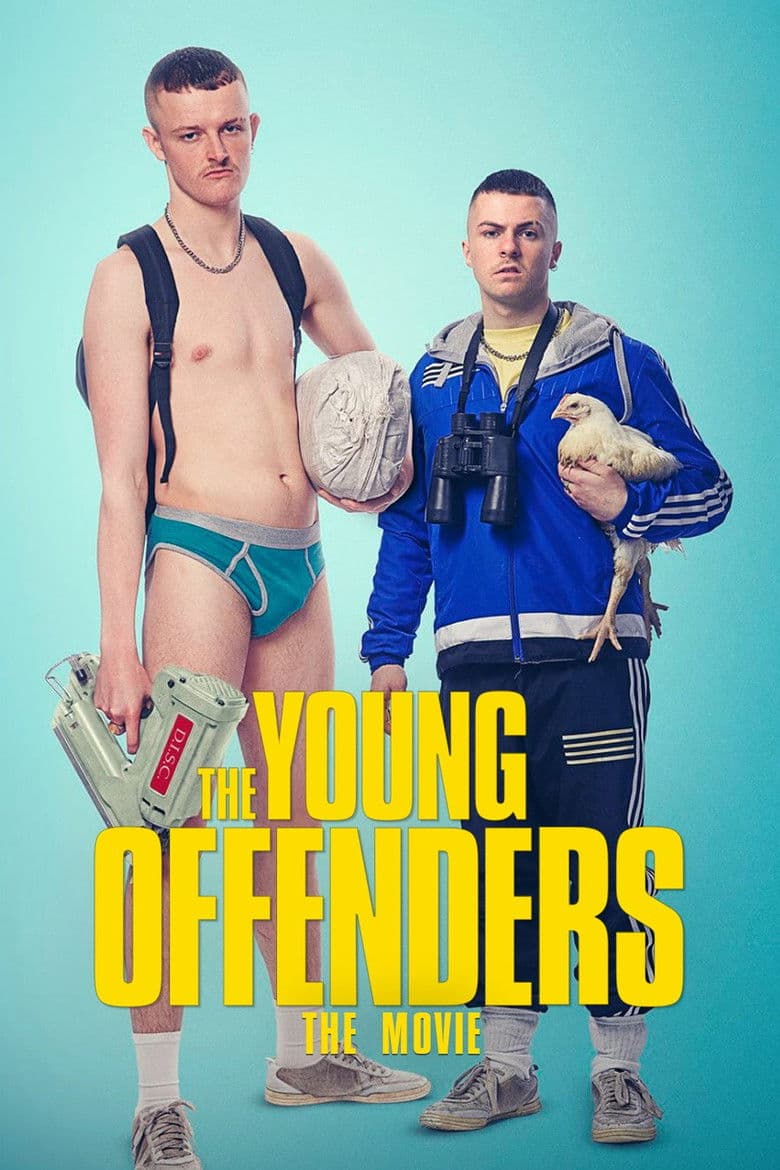
Movie · 2016
Two teenage boys from inner-city Cork steal bicycles and ride off on a 160km quest to find an unrecovered bale of cocaine worth 7,000,000 euros.
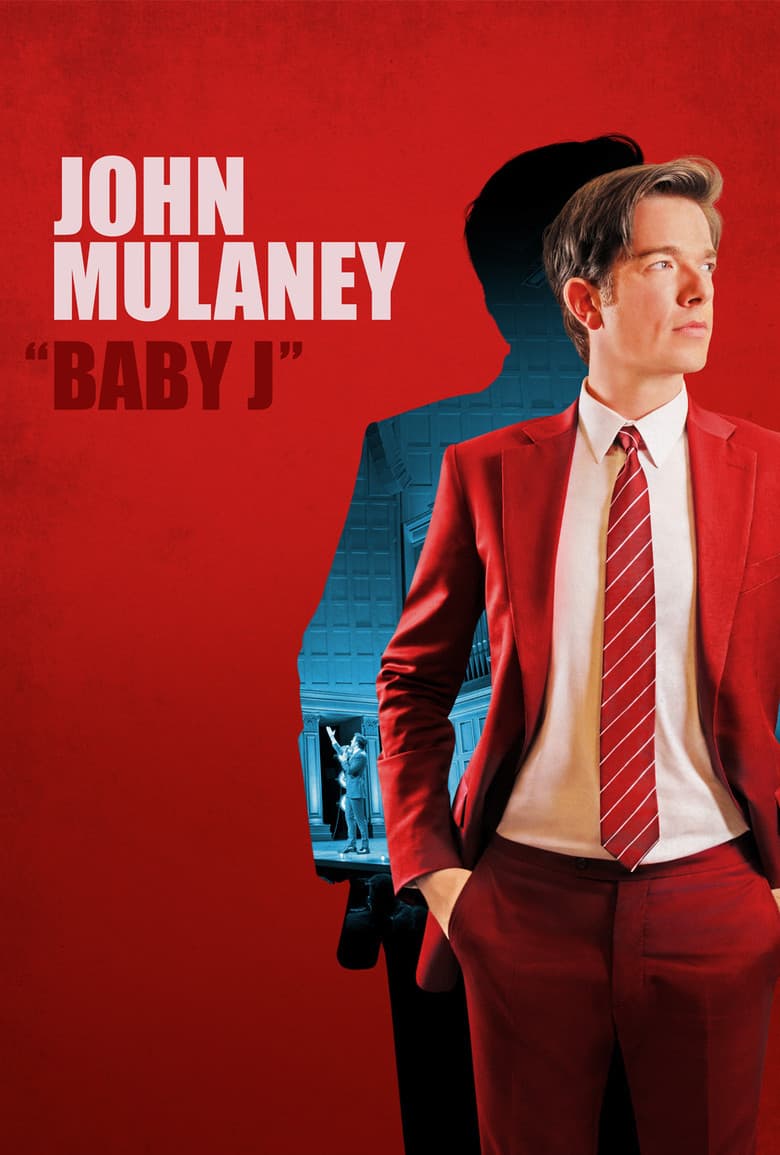
Movie · 2023
A chaotic intervention. An action-packed stay in rehab. After a weird couple of years, John Mulaney comes out swinging in his return to the stage.
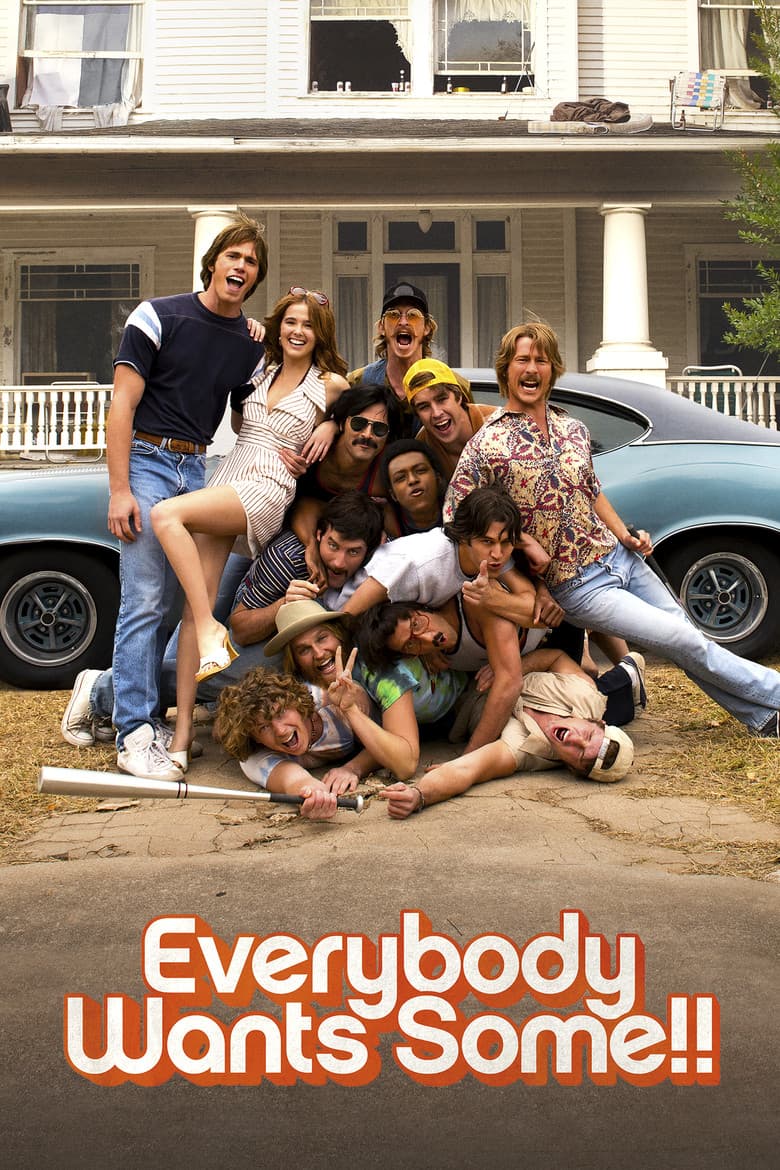
Movie · 2016
A comedy that follows a group of friends as they navigate their way through the freedoms and responsibilities of unsupervised adulthood.
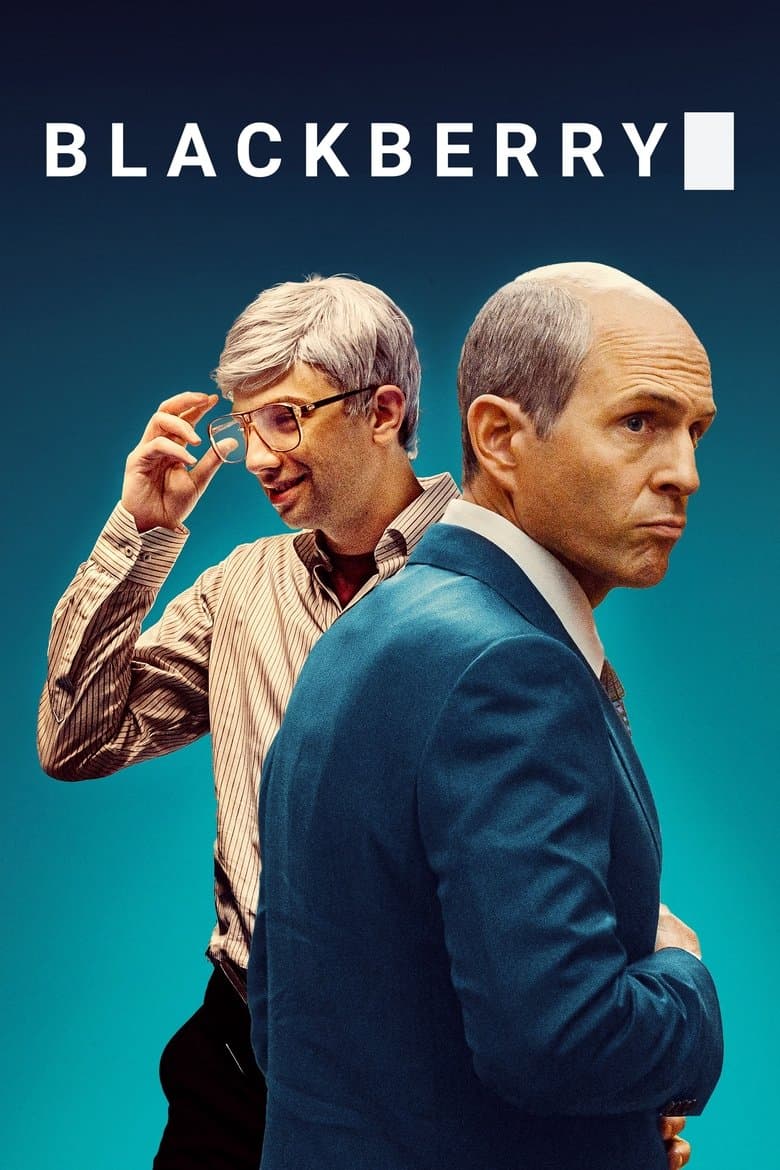
Movie · 2023
Two mismatched entrepreneurs – egghead innovator Mike Lazaridis and cut-throat businessman Jim Balsillie – joined forces in an endeavour that was to become a worldwide hit in…
Movie · 2024
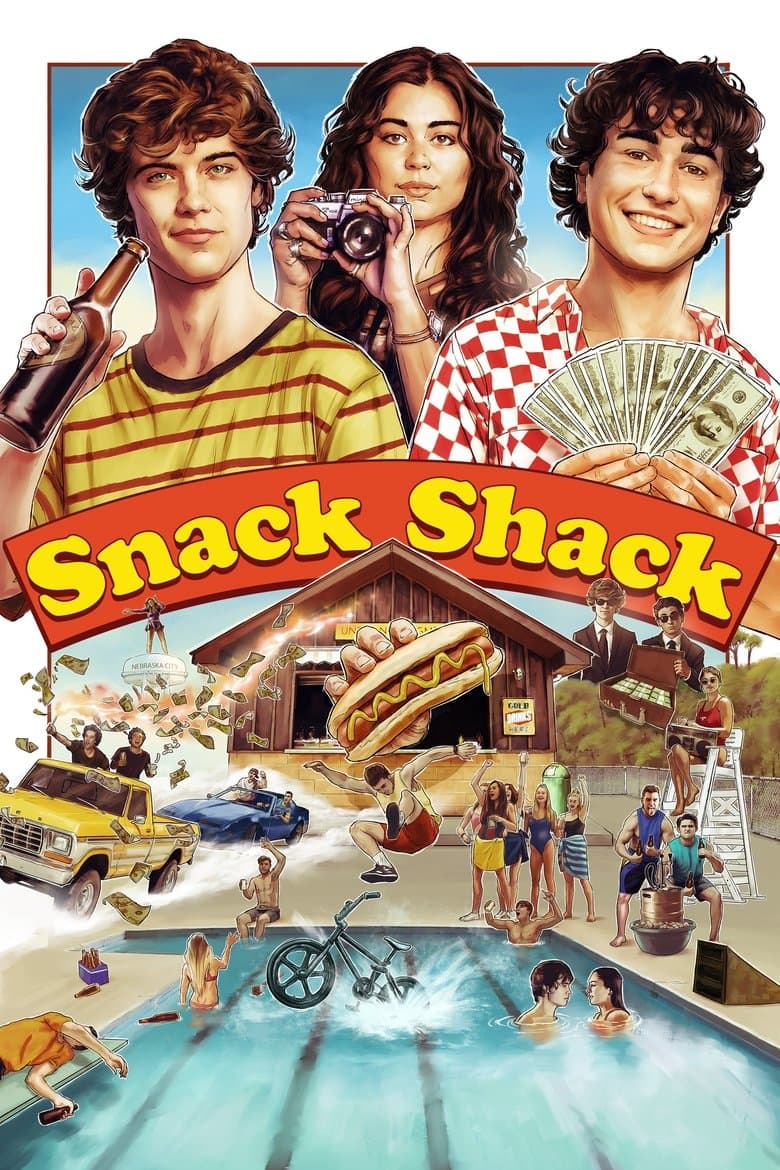
Inseparable best friends AJ and Moose decide to run the local pool's snack shack after their plan to sell home-brewed beer goes down the drain.
