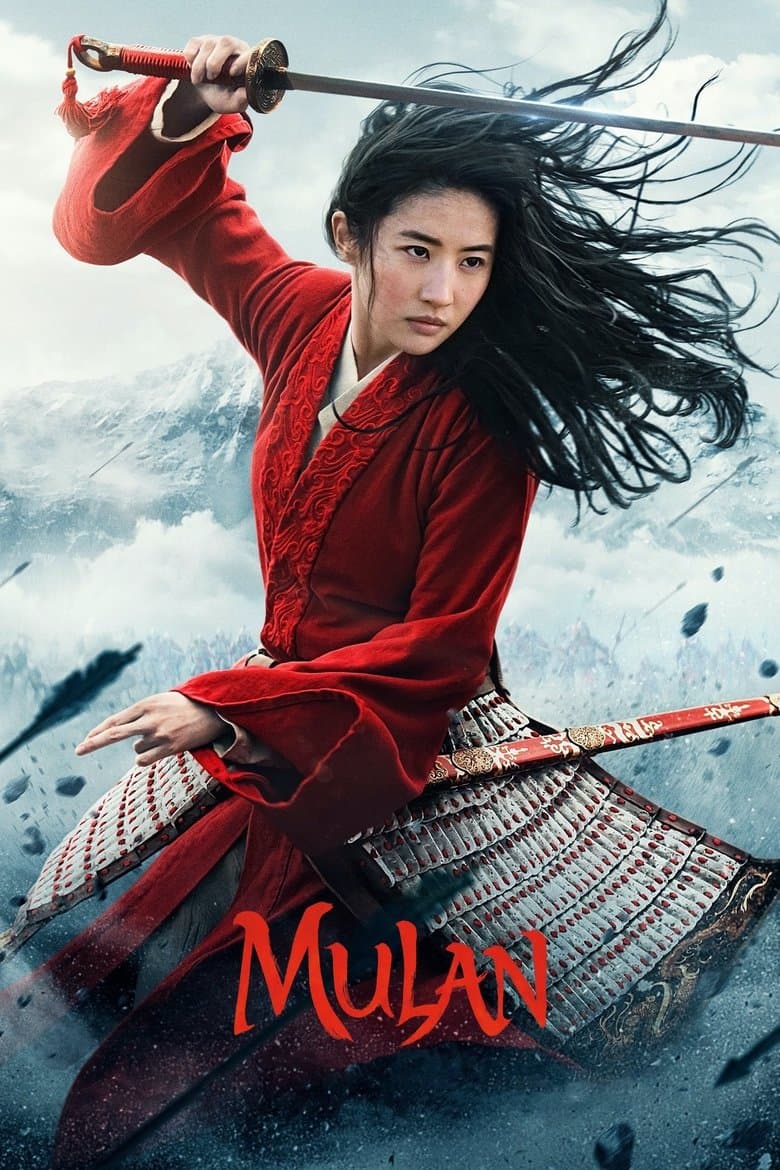
Disney’s live-action remake follows Hua Mulan as she disguises herself as a man so she can take her sick father’s place in the Imperial Army. She must help fight northern invaders. This version drops the songs and Mushu from the 1998 film. It adds a chi power system and a witch named Xianniang. It also splits the old Li Shang role and builds a strong female-empowerment story.
The film shows clear gender messages that audiences can hear. Mulan’s father says chi is for warriors and not for daughters, and that she must hide her gift. Society treats powerful women as witches. Xianniang wants to be treated as an equal. The climax shows a woman openly leading troops. The story frames traditional gender limits as unfair barriers. Mulan wins only after she stops hiding as a man and fights as a woman and a warrior.
Community feedback
Was our 75% Woke rating accurate?
Breakdown
These are the editorial factors and ratings behind our score for Mulan.
Woke representation / casting
The cast is mostly East Asian for Imperial China, which fits the setting rather than forced diversity. The female warrior lead comes from the legend itself. Mild signal comes only from marketing that framed the Asian casting search and the female director as wins.
12%
Woke political dialogue
The film repeats clear gender messages audiences can hear. The father says chi is for warriors and not daughters. Society treats strong women as witches, and the ending shows a woman leading troops. These lines are feminist politics, not modern race or DEI slogans.
40%
Identity-driven story themes
The story is built around a woman facing male-only rules and limits. Matchmaking shame, a male army, and hidden chi drive the plot. She wins only after she drops the male disguise and fights as a woman. Xianniang mirrors the gifted woman society rejects. Gender identity is central, not queer identity.
64%
Western institutional / cultural critique
Traditional gender roles, arranged marriage, and male-only warrior culture are shown as unfair walls that silence gifted women. That matches treating old gender roles as flawed. The setting is historical China, not modern Western systems. There is no focus on capitalism, whiteness, colonial guilt, or Christian bashing.
44%
Woke character or canon changes
Producer Jason Reed publicly used #MeToo concerns to drop Li Shang as both boss and love interest. The role was split into Commander Tung and Chen Honghui for ideology reasons. The new chi system and witch Xianniang serve the empowerment framing. Cutting songs and Mushu is not ideological.
50%
Anti-woke backlash and complaints
Some right-leaning voices call the remake a Mary Sue or girlboss Disney product. That complaint stream is real but not the main public fight. Bigger storms were Xinjiang credits, Liu Yifei’s Hong Kong comments, and cultural accuracy. Those fights are not scored as anti-woke content backlash.
30%
Creator track record context
Director Niki Caro often makes films about strong women challenging patriarchy, such as Whale Rider and North Country. She also framed Mulan in feminist interview talk. Writers Amanda Silver and Rick Jaffa add moderate signal. Producer Jason Reed’s #MeToo reason for the Shang change adds more. Other creatives sit lower, so the weighted signal is mid-range.
45%
Production
Movie · 2018
Half-human, half-Atlantean Arthur Curry is taken on the journey of his lifetime to discover if he is worth of being a king.
Movie · 2016
A common thief joins a mythical god on a quest through Egypt.
Movie · 2018
Lara Croft, the fiercely independent daughter of a missing adventurer, must push herself beyond her limits when she finds herself on the island where her father disappeared.
Movie · 2026
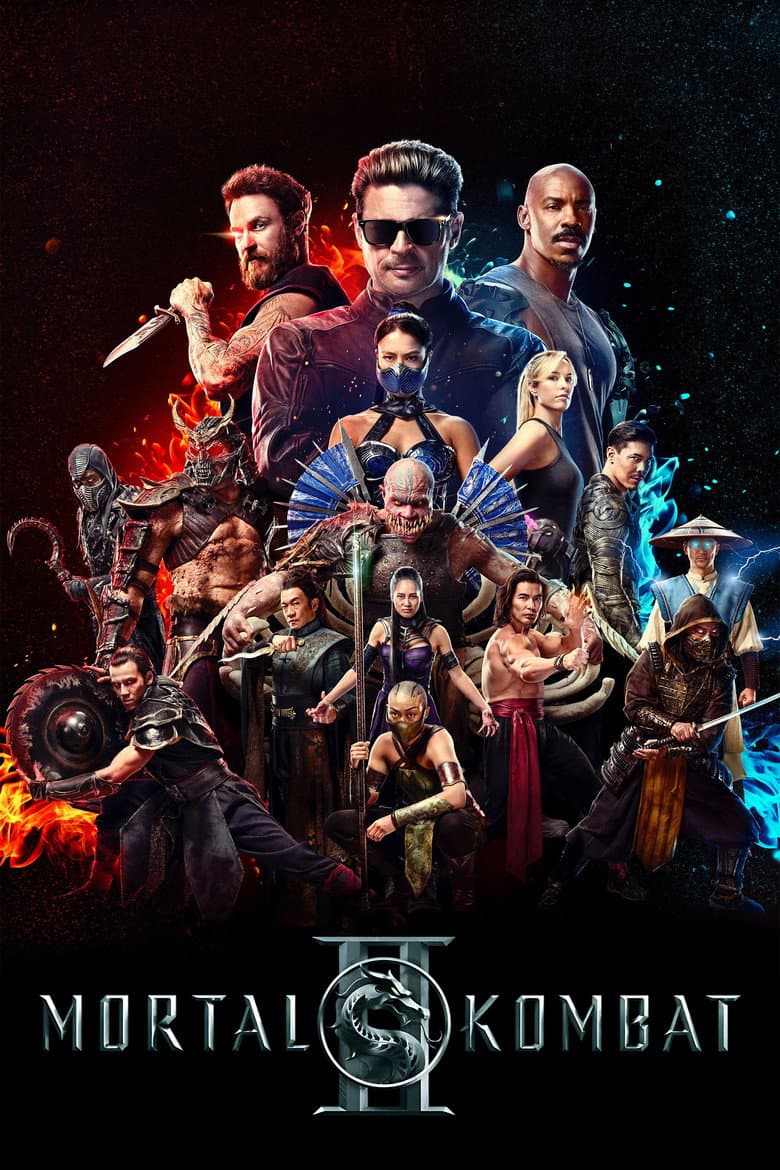
The fan favorite champions—now joined by Johnny Cage himself—are pitted against one another in the ultimate, no-holds barred, gory battle to defeat the dark rule of Shao Kahn that…
Movie · 2021
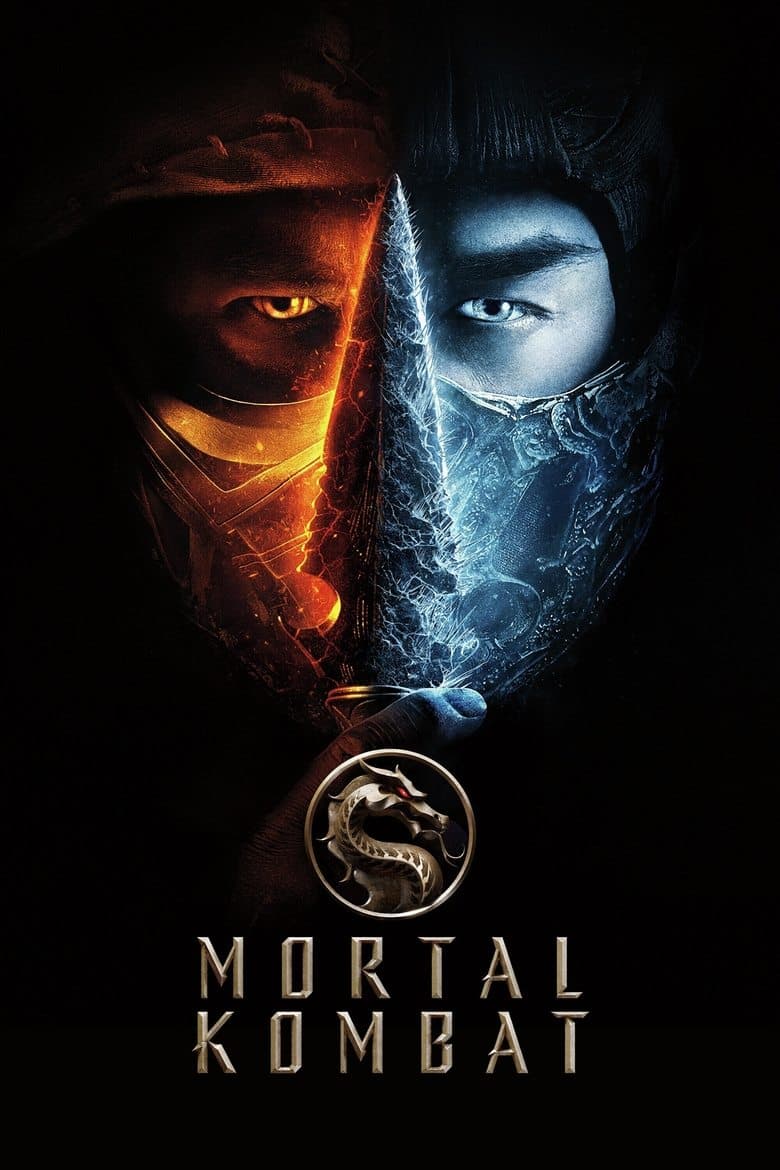
Washed-up MMA fighter Cole Young, unaware of his heritage, and hunted by Emperor Shang Tsung's best warrior, Sub-Zero, seeks out and trains with Earth's greatest champions as he…
Movie · 2020
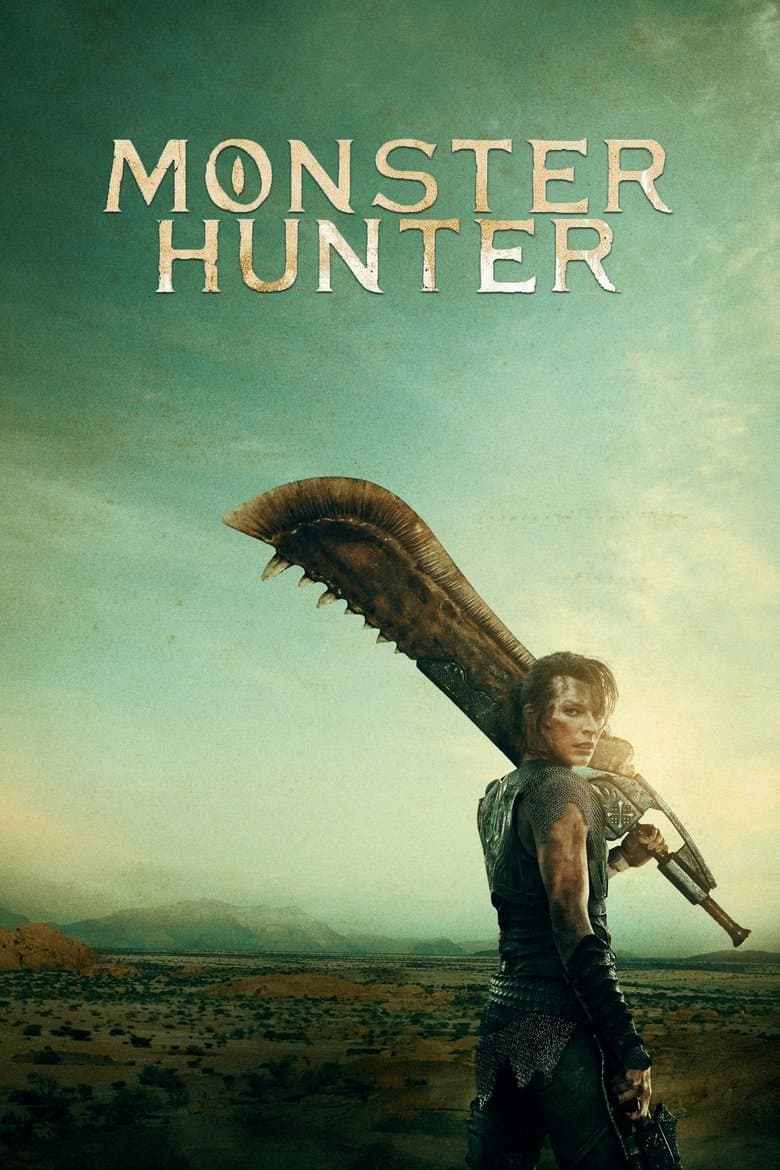
A portal transports Cpt. Artemis and an elite unit of soldiers to a strange world where powerful monsters rule with deadly ferocity.
Movie · 2025
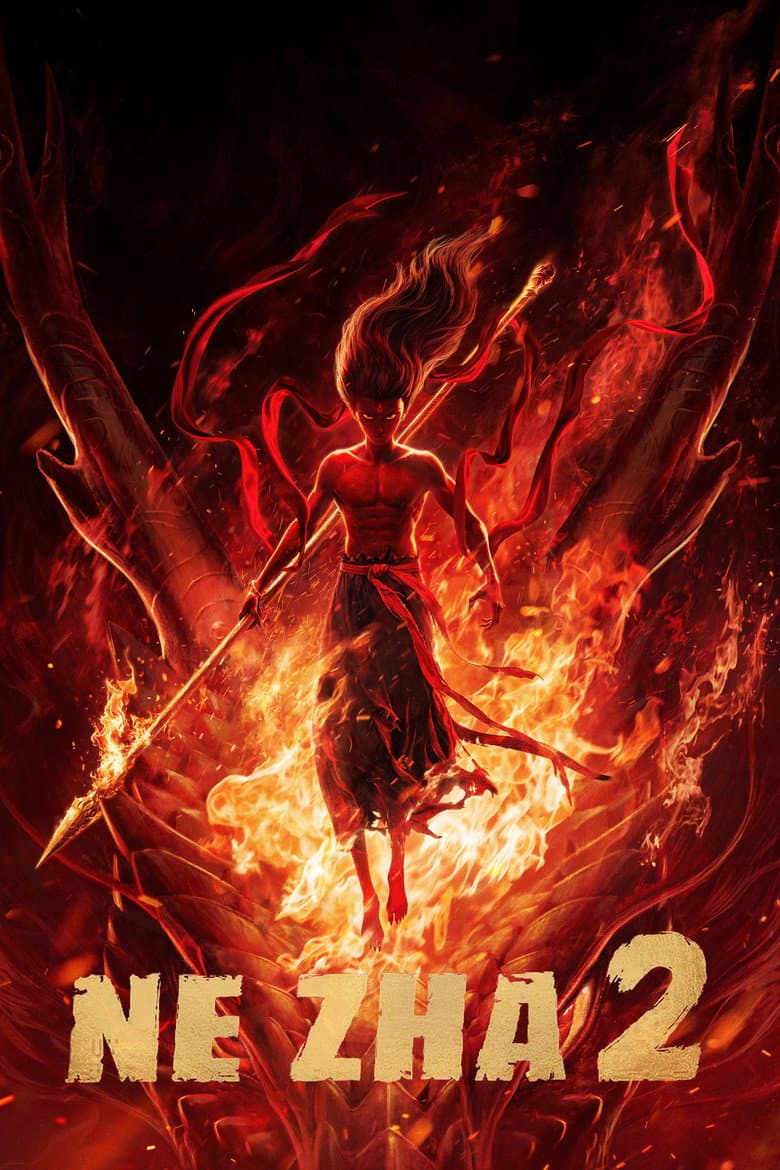
After a catastrophic event leaves their bodies destroyed, Ne Zha and Ao Bing are granted a fragile second chance at life.
Movie · 2020
Earth is decimated after intergalactic tyrant Darkseid has devastated the Justice League in a poorly executed war by the DC Super Heroes.
