Movie review
December 18, 2024 · 118 min · PG · Kids · Animation · Adventure · Family
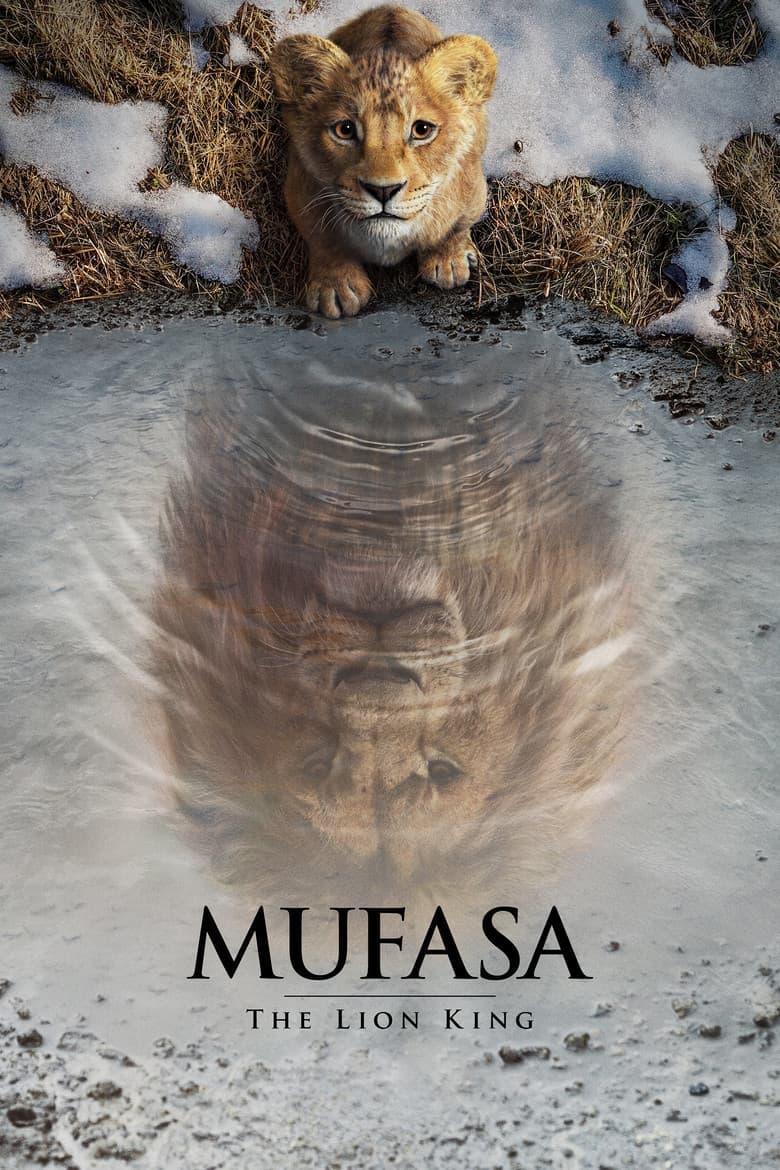
Mufasa: The Lion King is an animated movie about how a young, lost cub grows up to become a legendary king. The story follows Mufasa and his adoptive brother Taka as they search for a peaceful land. Viewers will notice strong social-justice themes, including a group of white lions who are villains because they feel rejected for their color. The film also shifts the focus away from traditional royal bloodlines, showing Mufasa learning to hunt from female lions and using maternal wisdom to win his battles.
Community feedback
Was our 87% Woke rating accurate?
Breakdown
These are the editorial factors and ratings behind our score for Mufasa: The Lion King.
Woke representation / casting
The movie uses a very famous voice cast that stands out for representation. This includes stars like Beyonce, her daughter Blue Ivy Carter, and Thandiwe Newton. The casting was a major part of the movie's marketing to show off diversity. Timon is also voiced by Billy Eichner, who is an openly gay activist actor. This makes the cast feel focused on modern representation goals instead of just matching the story's needs.
55%
Woke political dialogue
There are no direct mentions of real-world politics. However, the dialogue has strong social-justice themes. The animals speak about creating a perfect world based on equality rather than royal rule. Some lines focus on finding strength through internal feelings instead of physical power. Mufasa's final speech about building a shared home for outcasts has been criticized by some viewers. They felt it sounded too much like a modern political speech about sharing and welfare instead of natural order.
40%
Identity-driven story themes
The main story is all about identity and being cast out. The villains are a group of white lions. The movie explains that these white lions are bitter because normal lions rejected them at birth for their color. This story of color-based anger is a major theme. Also, Mufasa wins his battles through soft feelings and training from female lions. He lives and hunts with the females. He wins the final fight using a trick taught to him by a mother figure. The movie pushes themes of feminine wisdom over male power.
60%
Western institutional / cultural critique
The movie criticizes traditional male roles and structures. It portrays traditional fathers as cold, harsh, and toxic. Taka's father Obasi is a stern king whose pressure turns his son bad. On the other hand, the movie shows soft, female-led upbringing as much better. It also attacks the idea of a royal kingdom. In the original, the royal family is good. In this prequel, royal blood is downplayed. The story acts as a critique of traditional leadership, favoring a system where people earn their place.
50%
Woke character or canon changes
The movie makes huge changes to the classic Lion King story. In the original, Mufasa is the rightful king from a long royal line. In this prequel, Mufasa is changed into a poor orphan with no royal blood. Taka is the actual prince. This means they are not even real blood brothers. This change ruins Scar's famous line about having bad genes. It completely breaks the original story's family ties. This retcon was made to push a modern message about a self-made hero instead of keeping the royal legacy.
80%
Anti-woke backlash and complaints
Many conservative viewers and online critics were upset by the movie. They complained that changing Mufasa's royal origin was a forced political choice. Many criticized the white lions being the villains. They argued that making the white-furred animals bitter, unnatural villains was a thin metaphor for critical race theory. Others mocked the film for its female-power themes. They did not like that Mufasa needed a female trick to defeat the male villain. These complaints were highly visible on social media.
70%
Creator track record context
The key creative staff have a strong record of identity-focused work. Director Barry Jenkins has a high score of 95 for films like Moonlight, which centers black and queer themes. Cinematographer James Laxton has a score of 75 for his skin-tone lighting focus. Producer Mark Ceryak has a score of 65 for his diversity mandates. While writer Jeff Nathanson has a low score of 15, other producers like Adele Romanski (51) and casting director Francine Maisler (35) lean moderate. This gives a high average track record.
72%
Production
Movie · 2017
Despite his family’s baffling generations-old ban on music, Miguel dreams of becoming an accomplished musician like his idol, Ernesto de la Cruz.
Movie · 2019
Simba idolizes his father, King Mufasa, and takes to heart his own royal destiny. But not everyone in the kingdom celebrates the new cub's arrival.
Movie · 2024
Teenager Riley's mind headquarters is undergoing a sudden demolition to make room for something entirely unexpected: new Emotions!
Movie · 2017
A new dark force threatens Ponyville, and the Mane 6 – Twilight Sparkle, Applejack, Rainbow Dash, Pinkie Pie, Fluttershy and Rarity – embark on an unforgettable journey beyond…
Movie · 2026
Living on a rundown shipwreck, Mr. Fish one day discovers a hyperactive young sea dragon Pip – who had mistaken his home for a junkyard – pilfering his belongings.
Movie · 2026
A small woodland creature and a majestic bird, two natural sworn enemies of the Valley, magically trade places and set off on an adventure of a lifetime to switch back.
Movie · 2024
A solitary cat, displaced by a great flood, finds refuge on a boat with various species and must navigate the challenges of adapting to a transformed world together.
Movie · 2021
Tired of being locked in a reptile house where humans gawk at them like they are monsters, a ragtag group of Australia’s deadliest creatures plot an escape from their zoo to the…
