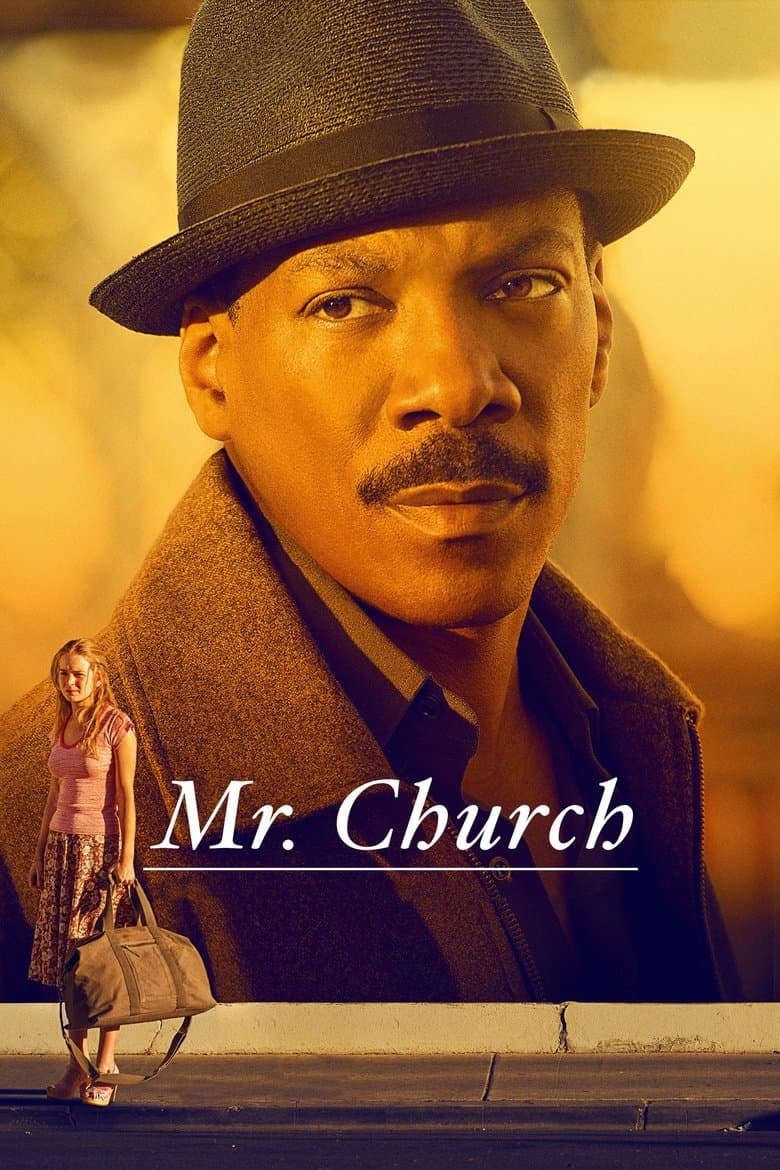
In 1970s Los Angeles, ten-year-old Charlie Brooks and her mother Marie inherit a cook named Henry Joseph Church through the will of Marie's late married lover. The plan was meant to last about six months because Marie was expected to die of cancer. The arrangement lasts for years instead. Church becomes a quiet father figure, supports Charlie after her mother dies, and later helps raise Charlie's daughter until he falls ill and dies. The movie is based on the writer's real lifelong friendship with a private, multi-talented cook.
The story focuses on found family, caretaking, privacy, grief, cooking, and books rather than modern politics. Race appears in the interracial home but stays in the background and is not the main message. Some viewers notice a coded private life for Church, including secret nights out and a drunken scene that uses a homophobic slur. That detail stays implied and personal. It is not an open pride plot or activist campaign about identity.
Community feedback
Was our 11% Woke rating accurate?
Breakdown
These are the editorial factors and ratings behind our score for Mr. Church.
Woke representation / casting
Eddie Murphy plays a black cook for a white mother and daughter because that matches the real man the writer knew. The casting follows the source story rather than a forced diversity mix. Young Charlie briefly notices his race. The film does not sell the cast as a diversity statement.
5%
Woke political dialogue
Not present. No activist speeches about systemic racism, patriarchy, DEI, or modern identity politics. Dialogue centers cooking, privacy, illness, school, and family bonds.
0%
Identity-driven story themes
The core story is found family and grief, not ideology. Race is present in the home but stays in the background. The main identity signal is light queer coding of Church's private life through nightclub scenes and a drunken slur moment. That thread is private and implied, not a pride-centered plot.
18%
Western institutional / cultural critique
Not present. No modern activist attack on Christianity, capitalism, whiteness, traditional family as oppression, or toxic masculinity as ideology. Critics often said the film was too traditional in servant and patron tropes.
0%
Woke character or canon changes
Not relevant. The film is semi-autobiographical and inspired by a true friendship. Changes such as the mother's death and timeline compression are storytelling choices, not DEI rewrites of established IP.
0%
Anti-woke backlash and complaints
Not present. No meaningful right-leaning or anti-woke campaign claiming the film pushes woke or DEI politics. Documented criticism is the reverse, from left-leaning Magical Negro complaints, which does not count for this factor.
0%
Creator track record context
Available context for Beresford, McMartin, and the producer group shows no activist or identity-first pattern. Their work sits in mainstream drama and personal tribute territory.
5%
Production
Movie · 2017
In 1950, amidst the ravages of the Korean War, Sergeant Süleyman stumbles upon a a half-frozen little girl, with no parents and no help in sight and he risks his own life to save…
Movie · 2020
A man refuses all assistance from his daughter as he ages and, as he tries to make sense of his changing circumstances, he begins to doubt his loved ones, his own mind and even…
Movie · 2022
Based on a true tragedy, the emotionally triggering film sheds light on the plight of Kashmiri Pandits (Hindus), a religious minority in the 1990s Kashmir valley, who were…
Movie · 2016
On 15 January 2009, the world witnessed the 'Miracle on the Hudson' when Captain 'Sully' Sullenberger glided his disabled plane onto the Hudson River, saving the lives of all 155…
Movie · 2026
While people across 1990s Iraq struggle to survive the war and food shortages, Saddam Hussein requires each school in the country to prepare a cake to celebrate his birthday.
Movie · 2017
Members of the Granite Mountain Hotshots battle deadly wildfires to save an Arizona town.
Movie · 2019
American car designer Carroll Shelby and the British-born driver Ken Miles work together to battle corporate interference, the laws of physics, and their own personal demons to…
Movie · 2018
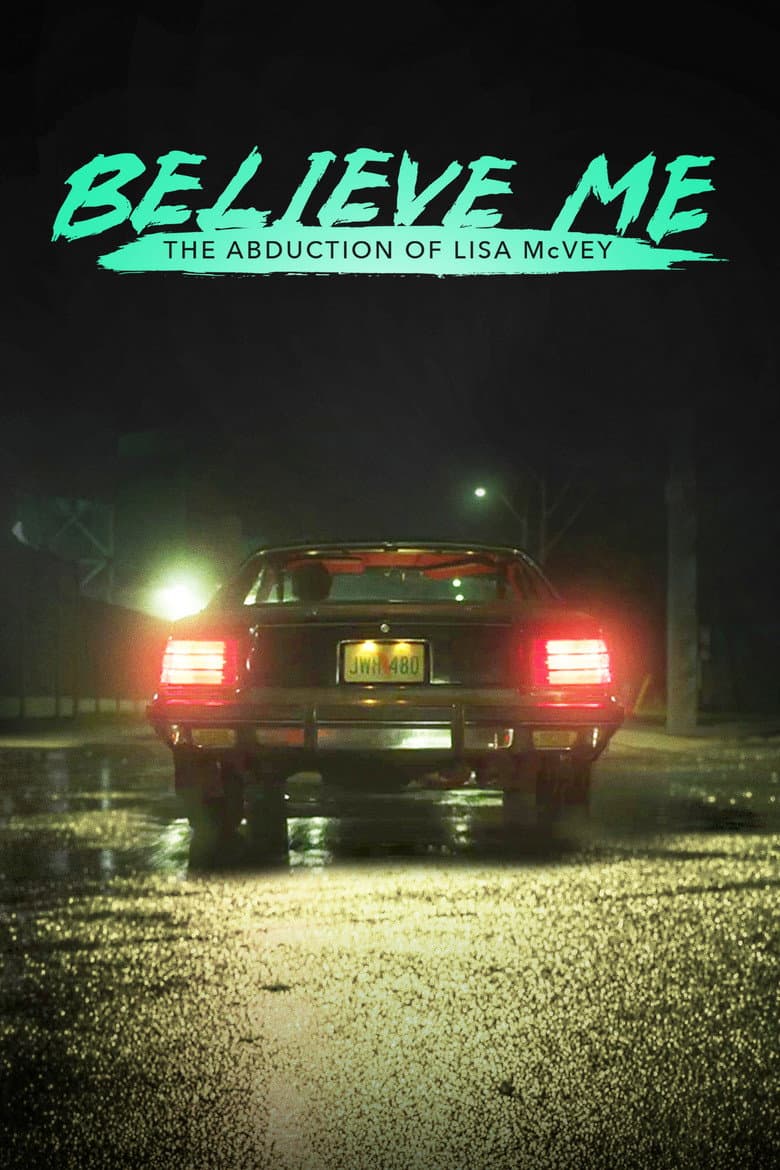
On the night she plans on taking her own life, 17-year-old 'Lisa McVey' is kidnapped and finds herself fighting to stay alive and is raped.
