
Garry Marshall’s last movie is a star-heavy holiday ensemble comedy set in modern Atlanta. It features Jennifer Aniston, Julia Roberts, Kate Hudson, and Jason Sudeikis. The stories cover divorce, an adoption reunion, a widowed dad, and two sisters who hide their families from judgmental parents. The tone is soft and sentimental. The film celebrates motherhood more than politics and leans on star chemistry and light rom-com humor.
One major subplot puts an interracial marriage and a lesbian marriage against openly racist and homophobic parents, and acceptance is the moral payoff of that arc. Faith-oriented notes say the film treats many paths to motherhood as equally valid, including cohabitation and same-sex marriage, and frames harsh moral judgment as bigotry. Viewers who want pure escape from progressive family messaging will notice that strand. Viewers fine with mild 2010s rom-com framing that all families are valid will mostly get marshmallow comedy. Other plots about divorce, a birth-mother reunion, and a military widow dad are not driven by identity politics.
Community feedback
Was our 54% Woke rating accurate?
Breakdown
These are the editorial factors and ratings behind our score for Mother's Day.
Woke representation / casting
Most leads are white A-listers, but a big subplot puts an Indian-American husband and a married lesbian couple in hero roles. Cameron Esposito is an openly lesbian comic known for LGBTQ-facing work, and there is a named Rainbow Bakery. That mix reads as deliberate progressive-family casting, not only background extras. The modern Atlanta setting still makes the cast mix feel plausible, and it is not a full main-cast identity quota.
44%
Woke political dialogue
Most talk is light rom-com chatter, not activist speeches. The sharper lines come from bigoted parents who use racial slurs and skin-color jokes, and those lines are framed as wrong. The film also soft-sells the idea that refusing to accept the sisters’ partners is backward. The politics stay mild and tied to that family conflict.
28%
Identity-driven story themes
One main arc is built on modern identity acceptance. Sisters hide an interracial marriage and a lesbian marriage, including adoptive parenting via a sperm donor, from racist and homophobic parents until a confrontation and reconciliation. Faith-oriented coverage notes that the film treats all paths to motherhood as equally valid and frames moral judgment as bigotry. Other plots about divorce, a birth-mother reunion, and a military widow dad are not identity-driven, so this is strong in one strand rather than the whole film.
56%
Western institutional / cultural critique
Traditional Southern or Texas-style parental conservatism is the clear villain of that family plot. Racism, homophobia, and boundary-stomping parents must soften for a happy ending. That is soft pushback on traditional family gatekeeping. It is not a broad attack on capitalism, the church as an institution, or whiteness as an ideology.
32%
Woke character or canon changes
Not relevant. because this is an original screenplay, not an adaptation of legacy characters or historical figures.
0%
Anti-woke backlash and complaints
There was no big social-media or news wave calling the film woke or DEI propaganda. Niche conservative and Christian outlets objected to normalized same-sex marriage, cohabitation, and the do-not-judge message. Mainstream pans focused on quality, and left-leaning notes about casting being too white do not count as anti-woke backlash.
14%
Creator track record context
Cached team scores for Marshall, the main writers, and most producers sit in a low-to-mild range. There is no strong pattern of hard identity-activist film work for this core group. Marshall’s brand was broad commercial entertainment, not activist cinema.
20%
Production

Movie · 2022
Divorced couple Georgia and David find themselves on a shared mission: they team up and travel to Bali to stop their daughter Lily from making the same mistake they once made 25…
Movie · 2021
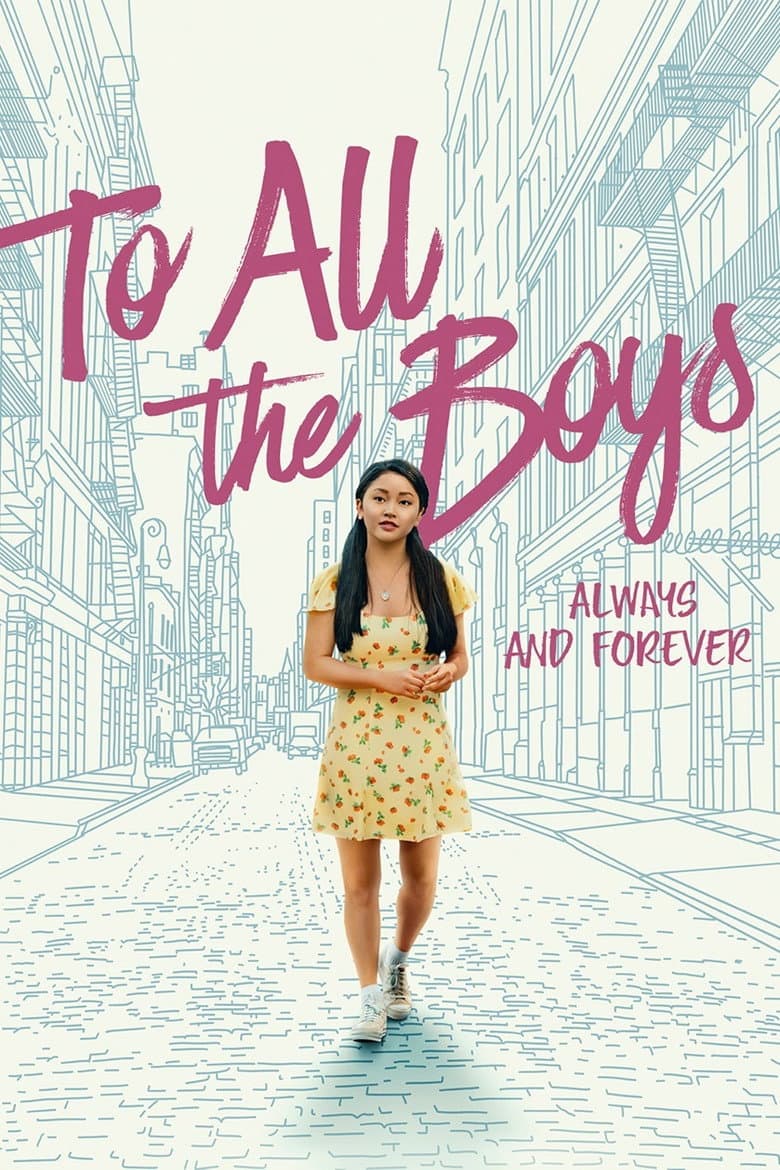
Senior year of high school takes center stage as Lara Jean returns from a family trip to Korea and considers her college plans — with and without Peter.

Movie · 2016
The story of a young man who arrives in Hollywood during the 1930s hoping to work in the film industry, falls in love, and finds himself swept up in the vibrant café society that…

Movie · 2024
After discovering their significant others are siblings, two resentful exes must spend Christmas under one roof — while hiding their romantic history.

Movie · 2016
A boy growing up in Dublin during the 1980s escapes his strained family life by starting a band to impress the mysterious girl he likes.
Movie · 2016
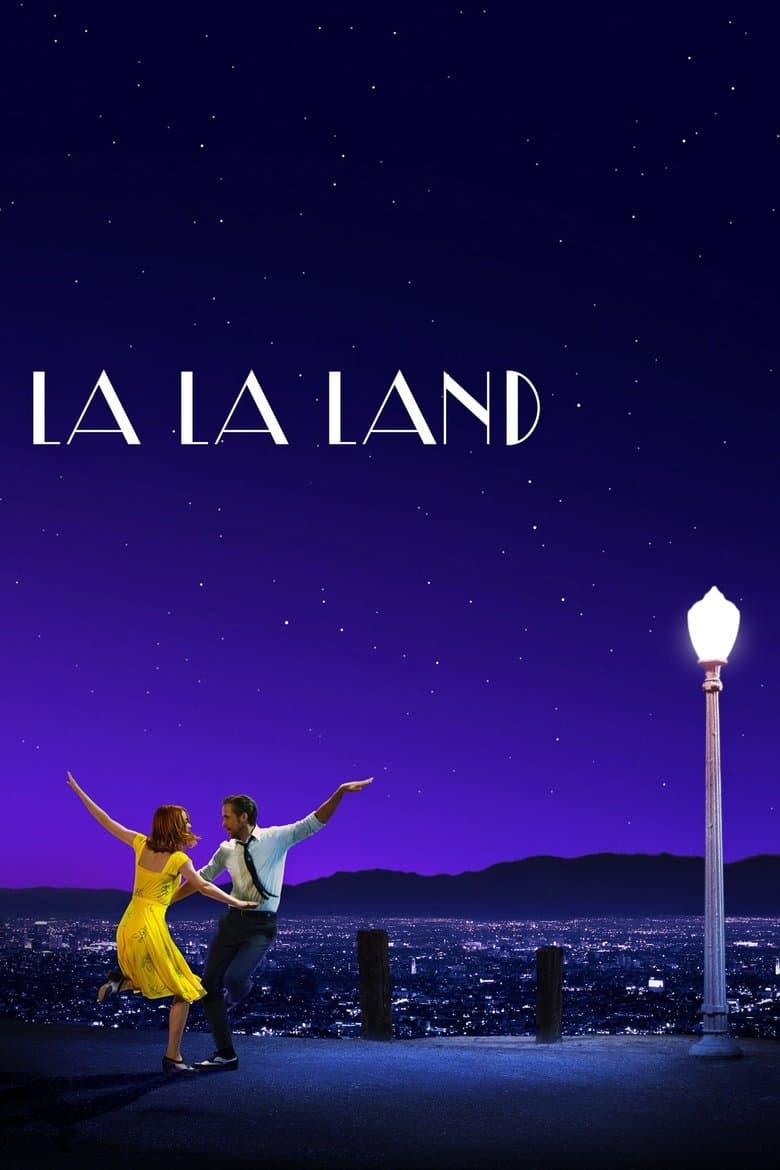
Mia, an aspiring actress, serves lattes to movie stars in between auditions and Sebastian, a jazz musician, scrapes by playing cocktail party gigs in dingy bars, but as success…

Movie · 2017
When a hapless but dedicated talent manager signs his first client who actually has talent, his career finally starts to take off.
Movie · 2025
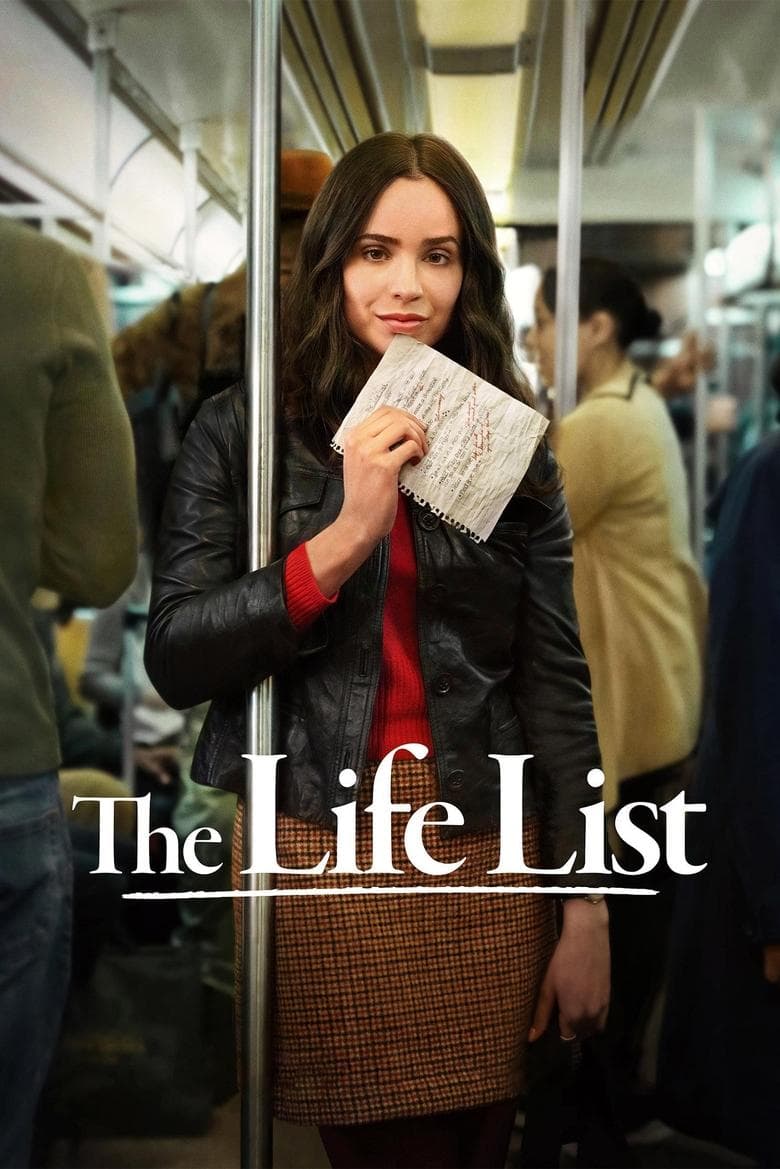
When her mother sends her on a quest to complete a teenage bucket list, a young woman uncovers family secrets, finds romance — and rediscovers herself.
