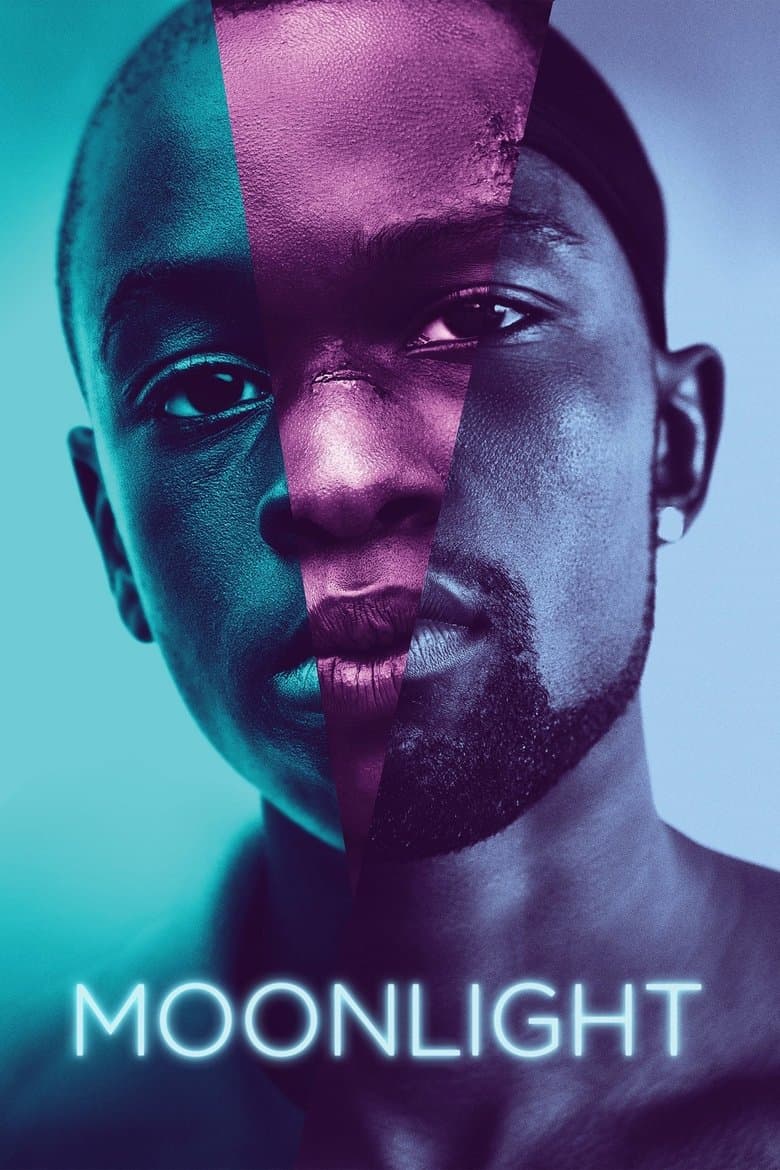
Moonlight follows Chiron, a black boy growing up in Miami’s Liberty City. The story moves through three stages of his life, from childhood to adulthood. He faces bullying, a mother who is addicted to crack, and a drug-dealer mentor. He also deals with his own same-sex desire, especially with his friend Kevin. He learns to hide soft feelings behind hard masculinity.
The film is built around black queer identity. Chiron’s sexuality, bullying for softness, and his mother’s rules about how he should act are central. Beach intimacy with Kevin and his later tough adult pose as armor matter for the whole plot. Themes of Black masculinity, vulnerability, and the mix of race, class, and homosexuality run through all three chapters. Queer life is the main story by design, not a side plot.
Community feedback
Was our 88% Woke rating accurate?
Breakdown
These are the editorial factors and ratings behind our score for Moonlight.
Woke representation / casting
Nearly the whole cast is black, which fits Liberty City and crack-era Miami rather than a forced mixed group. The film puts a gay black lead and his love interest at the center across three ages. Marketing and awards talk also treated it as a major Black LGBTQ story. That queer casting is central, not a side detail.
42%
Woke political dialogue
Talk is sparse and personal, not full of slogans. Clear moments include Juan explaining a homophobic slur and telling young Chiron nothing is wrong with being gay, plus lines about Black presence and pride. There is little modern activist jargon about institutions or theory. Viewers hear affirming queer and Black talk, not constant political speeches.
28%
Identity-driven story themes
The whole film is built around black queer identity. Chiron’s sexuality, bullying for softness, his mother policing how he acts, intimacy with Kevin, and adult hard masculinity as armor drive every chapter. Themes of Black masculinity, vulnerability, and race, class, and homosexuality are the spine, not a subplot. The source play is semi-autobiographical black gay life.
94%
Western institutional / cultural critique
The story strongly critiques rigid masculinity and community homophobia. School and peer violence punish difference, and the crack economy and neglect shape home life. There is little white institutional presence or colonial guilt framing in a nearly all-Black world. The critique targets gender norms and queer stigma, not a broad anti-Western manifesto.
52%
Woke character or canon changes
Not relevant. This is an original feature adapted from McCraney’s semi-autobiographical play, with no race or gender swaps of franchise or historical figures for ideology.
0%
Anti-woke backlash and complaints
After the Oscars and the envelope mix-up, some right-leaning and anti-PC voices said it only won because the characters were black and gay. Online threads called it identity Oscar bait, and casual woke Best Picture dismissals still appear. The pushback is real but secondary to broad critical praise. It was not one long sustained culture-war campaign.
48%
Creator track record context
Barry Jenkins and Tarell Alvin McCraney built careers around black and black queer life. Producers also backed this social-prestige lane, while cinematographer James Laxton is more craft-focused. The overall creative team strongly favors representation and queer storytelling. That matches what this film puts on screen.
78%
Production
Movie · 2019
Richard Jewell thinks quick, works fast, and saves hundreds, perhaps thousands, of lives after a domestic terrorist plants several pipe bombs and they explode during a concert…
Movie · 2016
After his older brother passes away, Lee Chandler is forced to return home to care for his 16-year-old nephew.
Movie · 2016
WWII American Army Medic Desmond T. Doss, who served during the Battle of Okinawa, refuses to kill people and becomes the first Conscientious Objector in American history to…
Movie · 2024
On the brink of the Second World War, a young Norwegian man's drive to resist the Nazis sets a new course for his future – and the future of his country.
Movie · 2023
The story of J. Robert Oppenheimer's role in the development of the atomic bomb during World War II.
Movie · 2025
Diagnosed with Tourette Syndrome at 15, John Davidson navigates his way against the odds through troubled teenage years and into adulthood, finding inspiration in the kindness of…
Movie · 2016
On 15 January 2009, the world witnessed the 'Miracle on the Hudson' when Captain 'Sully' Sullenberger glided his disabled plane onto the Hudson River, saving the lives of all 155…
Movie · 2023
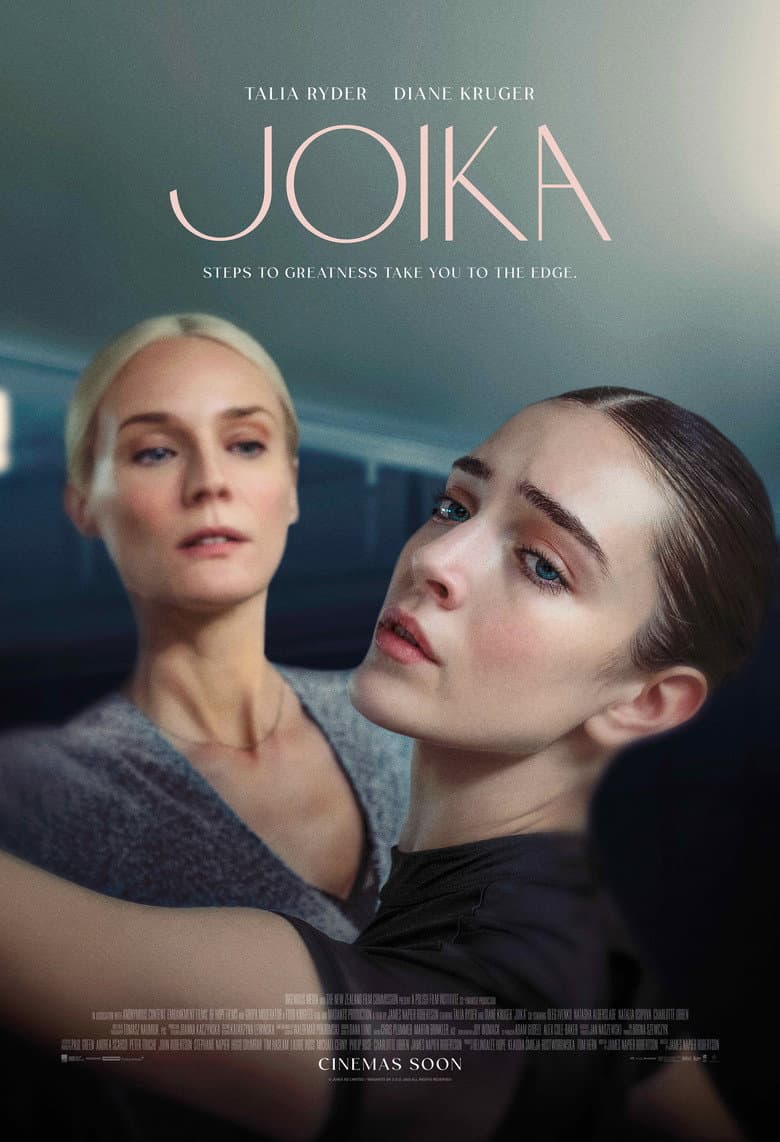
American ballet dancer Joy Womack is accepted into Moscow's infamously tough Bolshoi Ballet Academy, with the dream of becoming a great ballerina.
