
Monkey Man follows a young man known as Kid in India. He survives a land grab massacre that destroyed his community. He trains for revenge against the powerful people who hurt him. Along the way he finds shelter with a hijra community that takes him in and helps him heal. The story mixes brutal action with an underdog myth inspired by Hanuman.
The film puts caste, poverty, police brutality, and violence against women on screen in clear ways. A third gender community and its leader Alpha become Kid's allies and later fight with him. The villains are tied to a hard nationalist movement that targets the marginalized. Viewers also see faith used as a weapon by powerful people. These identity and justice themes sit on top of the revenge plot and are hard to miss.
Community feedback
Was our 79% Woke rating accurate?
Breakdown
These are the editorial factors and ratings behind our score for Monkey Man.
Woke representation / casting
The cast is mostly Indian because the story is set in India, not as Western checklist casting. The score rises because the hijra third gender community is shown as heroic allies on purpose. Alpha leads a sanctuary that heals Kid and later fights with him. Marketing also framed Asian action hero status and hijra inclusion as deliberate identity choices.
52%
Woke political dialogue
This is not a nonstop lecture movie, but justice-minded messages are clear in the story and speech. Viewers see underdogs against elites, caste and poverty, police brutality, violence against women, and faith used as a weapon by nationalists. Patel called it a Trojan horse action movie with political and social weight he did not want to soften. Audiences hear activist-leaning talk about the marginalized versus power.
48%
Identity-driven story themes
Revenge drives the plot, but the second half is built on identity-based solidarity. Kid is a religious minority survivor who is rescued by Alpha’s hijra temple, rebuilt among the marginalized, and fights a nationalist movement that targets them. Caste, discrimination, poverty, and hijra life are treated as central themes. Queer and third gender centrality makes the identity politics hard to miss.
76%
Western institutional / cultural critique
The critique mostly targets Indian institutions such as corrupt police, godmen, caste hierarchy, and Hindu nationalist style politics. It is not mainly an attack on U.S. or U.K. governments, Christianity, or classic Western toxic masculinity. Progressive style points about police brutality, religious hypocrisy, elite exploitation, and violence against women still count lightly. Western viewers may read that as activist without it being a Western culture takedown film.
32%
Woke character or canon changes
Not relevant. Original screenplay, not an adaptation of established franchise characters.
0%
Anti-woke backlash and complaints
Right leaning and cultural conservative pushback is documented, especially among some Hindu and India focused critics. The film was accused of anti Hindutva messaging, woke politics, and disrespect such as naming a sex worker character Sita. It was not released in India amid political sensitivity, and Netflix reportedly cooled on release over the political content. Western culture war volume is moderate more than a mass U.S. boycott, but anti woke complaints about agenda and identity messaging are real.
42%
Creator track record context
Cached scores place Dev Patel near mid range for framing underdogs, marginalized voices, and hijra inclusion. Jordan Peele scores mid range for social and racial themes, with Monkeypaw partners lower. Co-writers and other producers mostly sit in the low teens to high 30s. Overall creator context sits mid range and matches the film’s content and marketing.
48%
Production
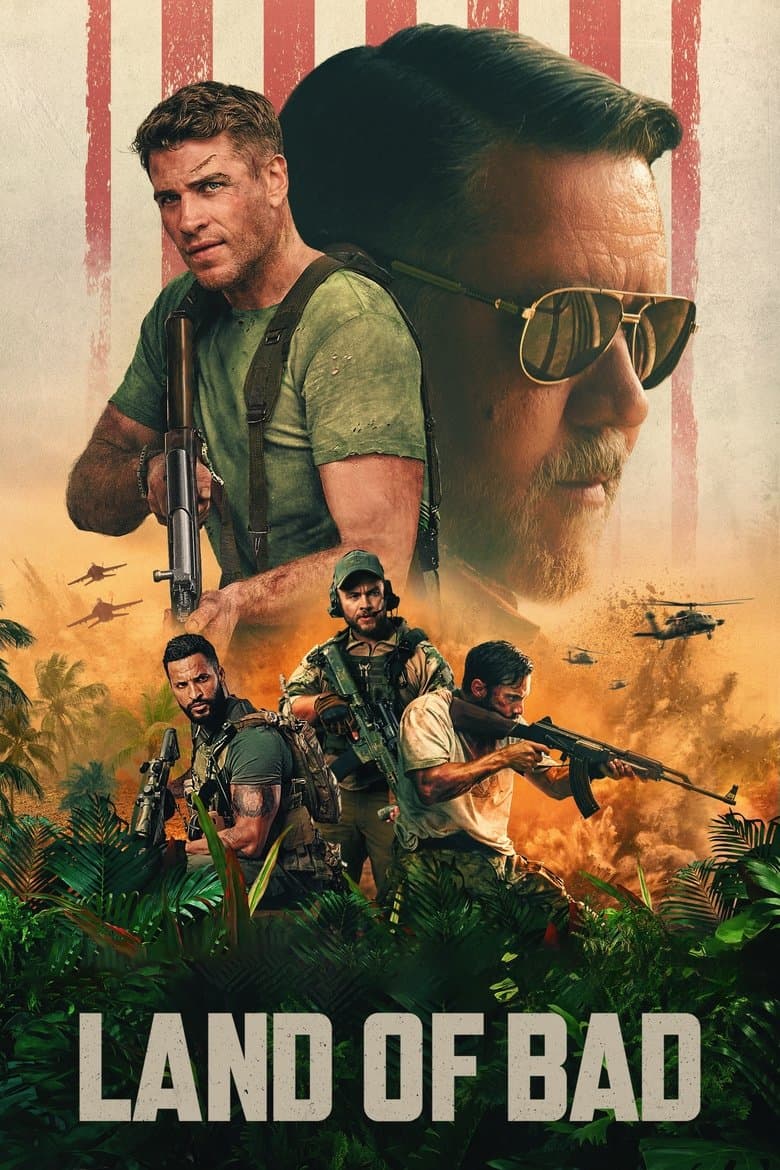
Movie · 2024
When a Delta Force special ops mission goes terribly wrong, Air Force drone pilot Reaper has 48 hours to remedy what has devolved into a wild rescue operation.
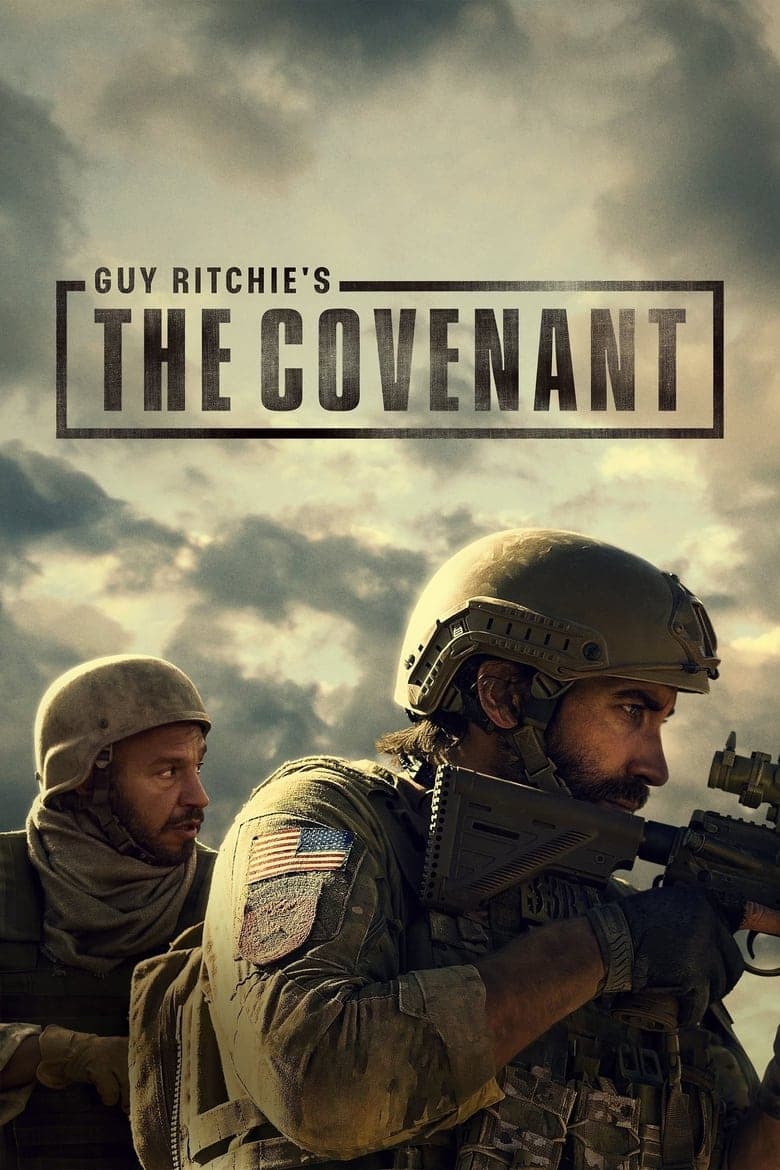
Movie · 2023
During the war in Afghanistan, a local interpreter risks his own life to carry an injured sergeant across miles of grueling terrain.
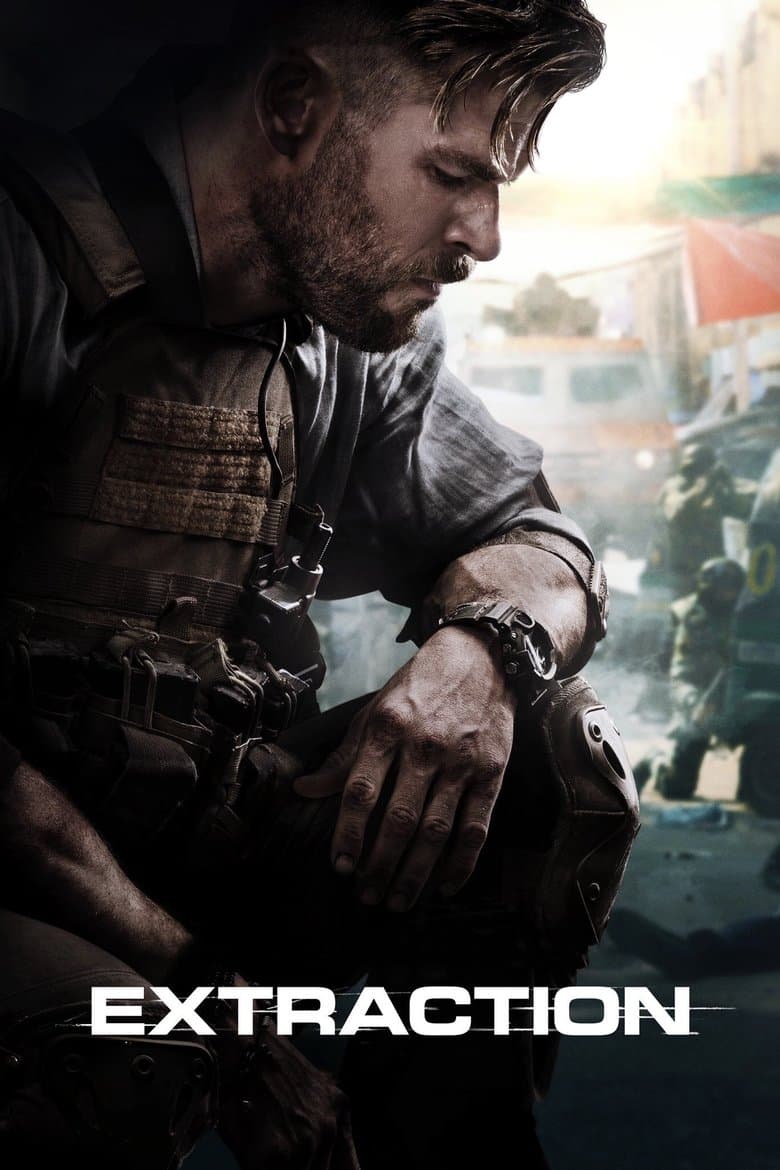
Movie · 2020
A hardened gun-for-hire's latest mission becomes a soul-searching race to survive when he's sent into Bangladesh to rescue a drug lord's kidnapped son.

Movie · 2025
Taking place during the events of John Wick: Chapter 3 – Parabellum, Eve Macarro begins her training in the assassin traditions of the Ruska Roma.

Movie · 2026
A grieving woman pushing her limits on a solo adventure in the Australian wild is ensnared in a twisted game with a cunning killer who thinks she's prey.
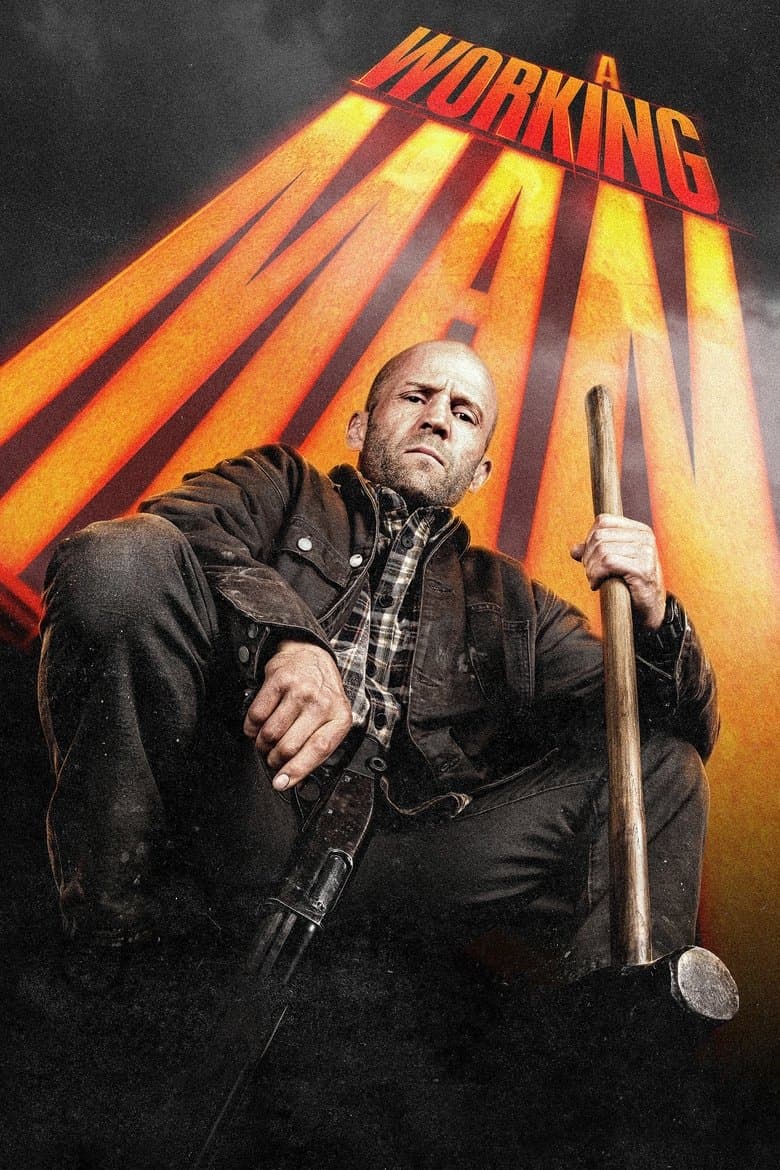
Movie · 2025
Levon Cade left behind a decorated military career in the black ops to live a simple life working construction.
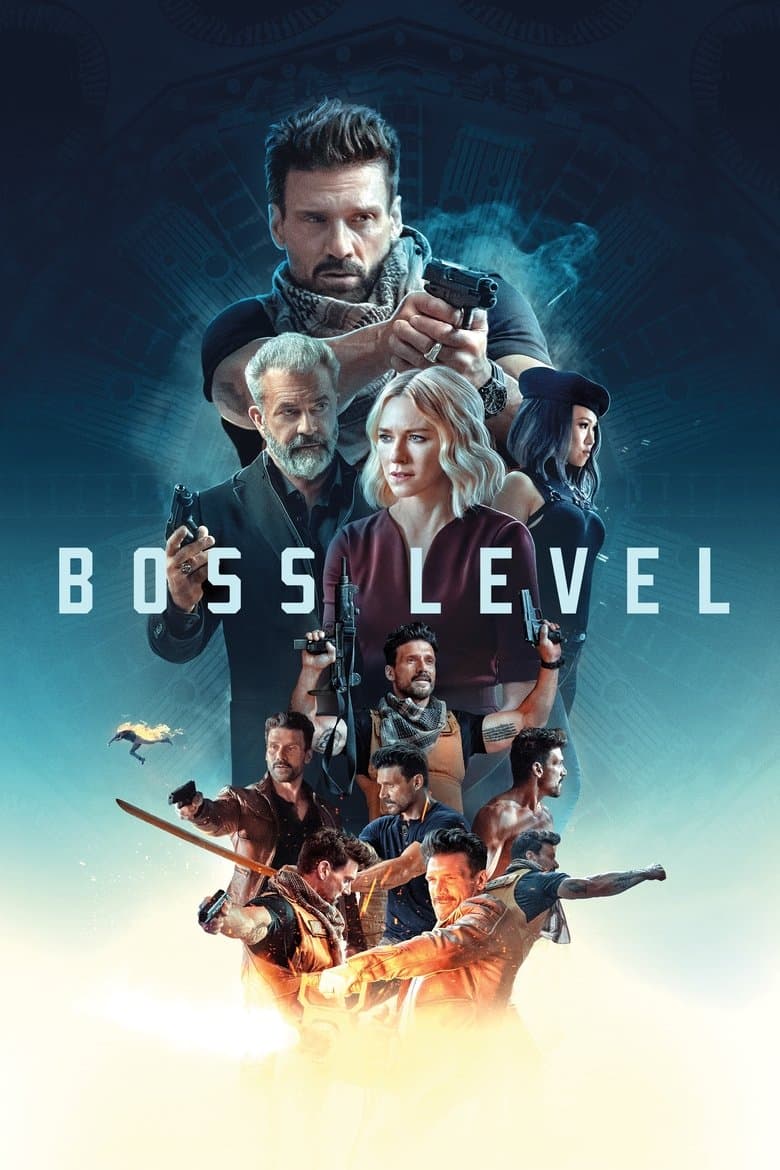
Movie · 2021
A former special forces agent is trapped in a time loop and relives his death over and over again. To escape the terrible situation, he must track down those responsible and stop…

Movie · 2025
When the girl of his dreams is kidnapped, everyman Nate turns his inability to feel pain into an unexpected strength in his fight to get her back.
