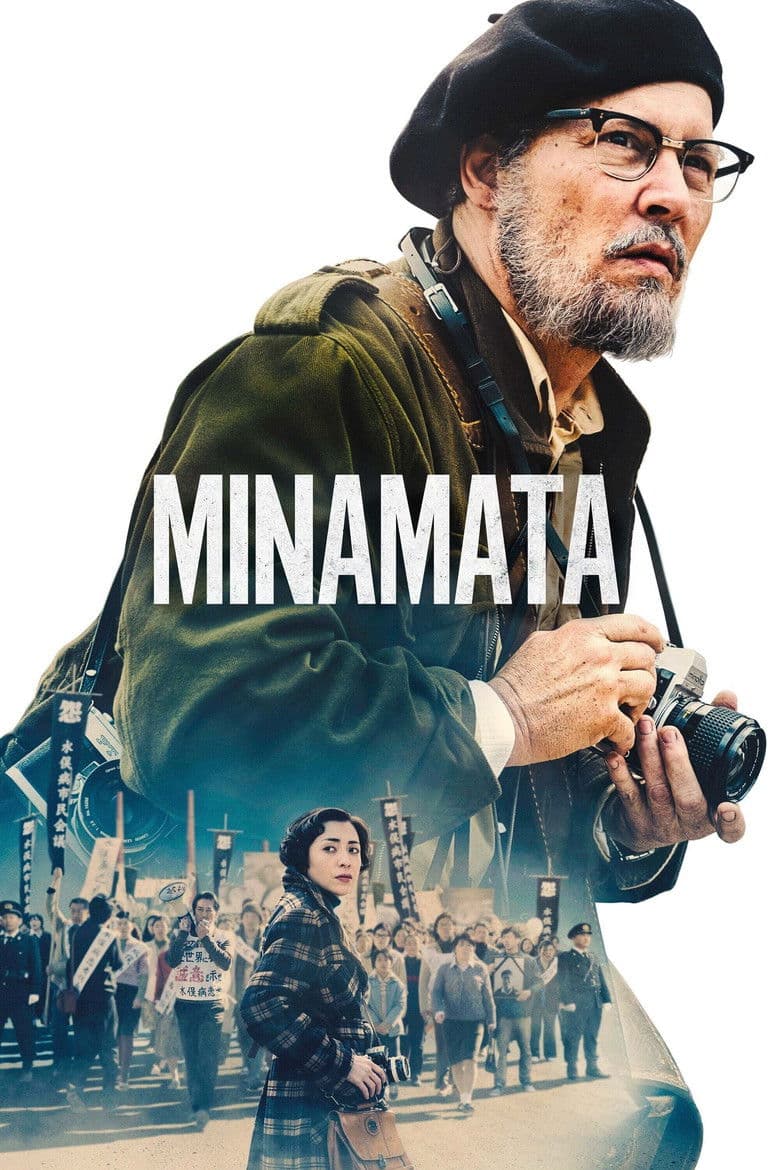
W. Eugene Smith is a famous American war photographer who has fallen into drink and isolation. In the early 1970s, a Japanese-American woman named Aileen asks him to go to the coastal town of Minamata in Japan. There, a chemical company has dumped mercury into the water, and local people are sick and disabled. Smith uses his camera to show the world what happened. The tone is serious and sad, with a classic true-story feel about truth-telling and human suffering.
The film’s main focus is the real Minamata disease disaster, corporate cover-ups, and photojournalism. Viewers mainly see pollution, sick families, protests, and Smith’s fight to publish hard photos. There is light, old-style “issue movie” talk about company greed and harm to nature, and the end credits name later industrial spills. That message is about pollution and power, not modern identity politics, race lectures, gender swaps, or queer themes. Casting follows the real people and place: an American photographer, Japanese townspeople, and Aileen as she was. Normal viewers would notice a serious environmental true story more than any woke agenda.
Community feedback
Was our 12% Woke rating accurate?
Breakdown
These are the editorial factors and ratings behind our score for Minamata.
Woke representation / casting
Not present in this title.
0%
Woke political dialogue
Some anti-corporate environmental messaging appears tied directly to the real events.
20%
Identity-driven story themes
Not present in this title.
0%
Western institutional / cultural critique
Not present in this title.
0%
Woke character or canon changes
Not present in this title.
0%
Anti-woke backlash and complaints
Not present in this title.
0%
Creator track record context
Cached producers are mostly non-activist (several at 0, one at 5). Monika Bacardi scores higher for environmental and women’s-fairness work in film, which mildly matches this pollution story. As a group, the track record is low and not identity-politics driven.
8%
Production
Movie · 2019
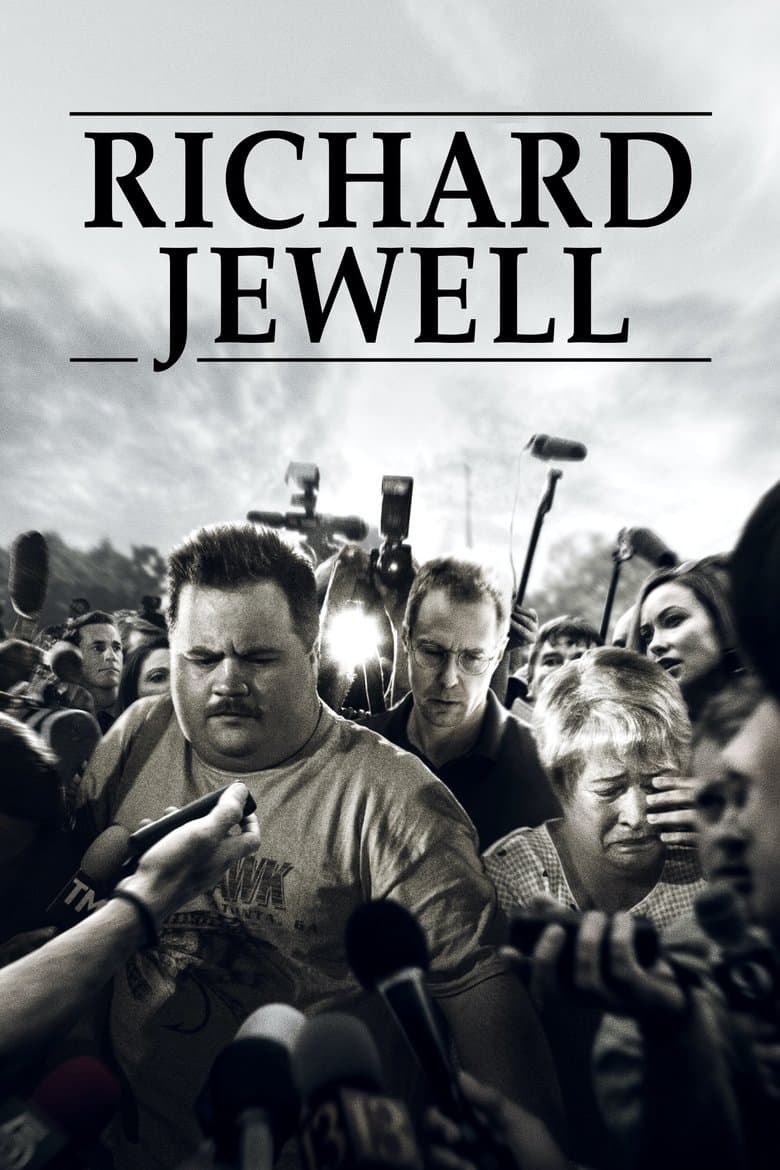
Richard Jewell thinks quick, works fast, and saves hundreds, perhaps thousands, of lives after a domestic terrorist plants several pipe bombs and they explode during a concert…
Movie · 2022
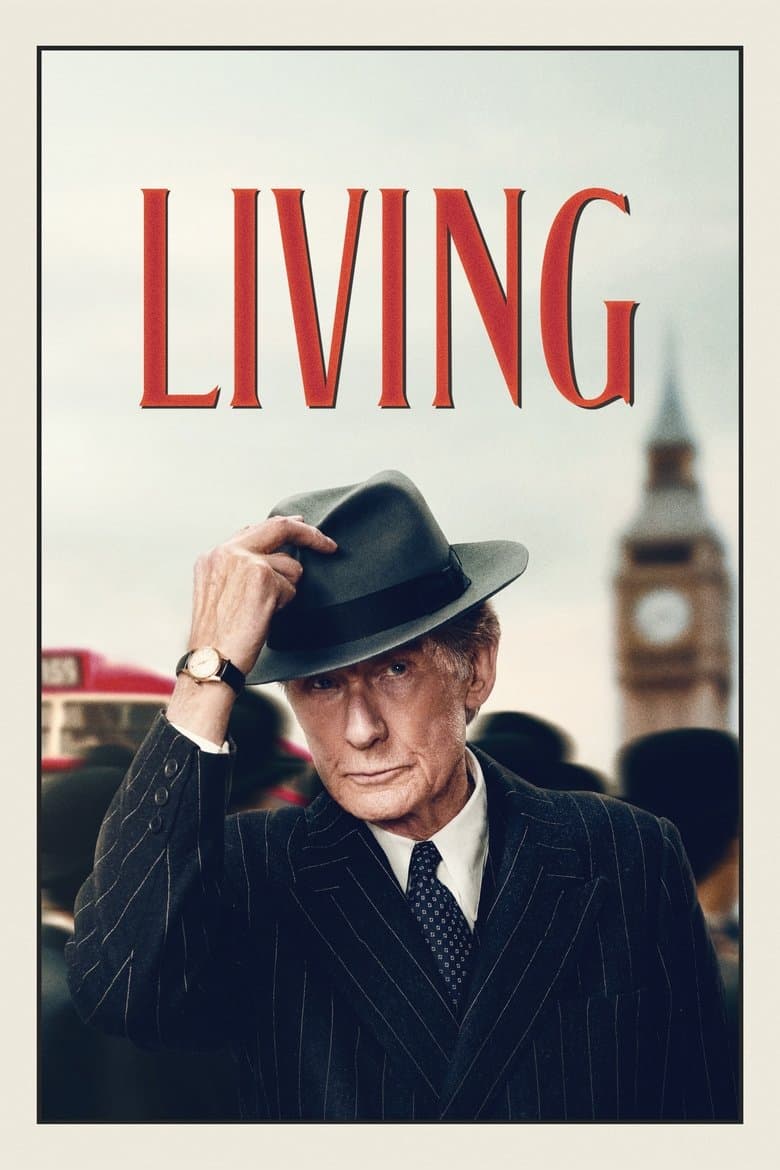
London, 1953. Mr. Williams, a veteran civil servant, is an important cog within the city's bureaucracy as it struggles to rebuild in the aftermath of World War II.

Movie · 2020
A man refuses all assistance from his daughter as he ages and, as he tries to make sense of his changing circumstances, he begins to doubt his loved ones, his own mind and even…

Movie · 2025
Diagnosed with Tourette Syndrome at 15, John Davidson navigates his way against the odds through troubled teenage years and into adulthood, finding inspiration in the kindness of…

Movie · 2024
On the brink of the Second World War, a young Norwegian man's drive to resist the Nazis sets a new course for his future – and the future of his country.
Movie · 2022
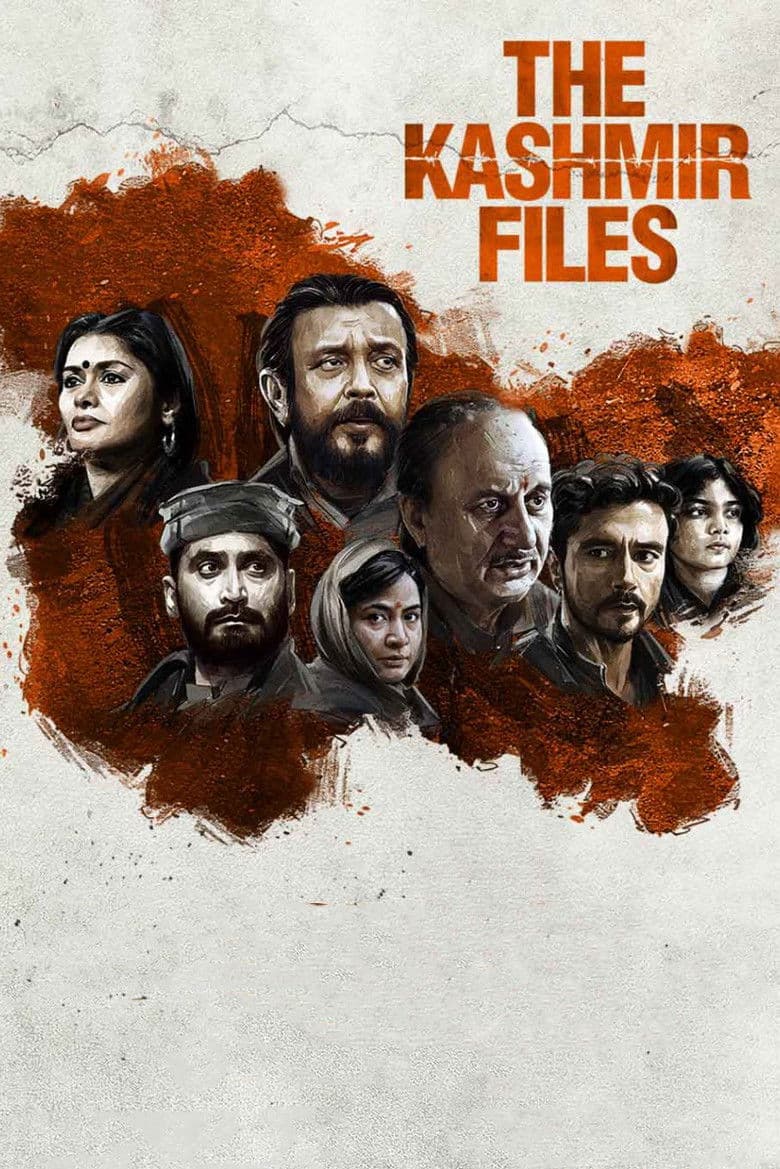
Based on a true tragedy, the emotionally triggering film sheds light on the plight of Kashmiri Pandits (Hindus), a religious minority in the 1990s Kashmir valley, who were…
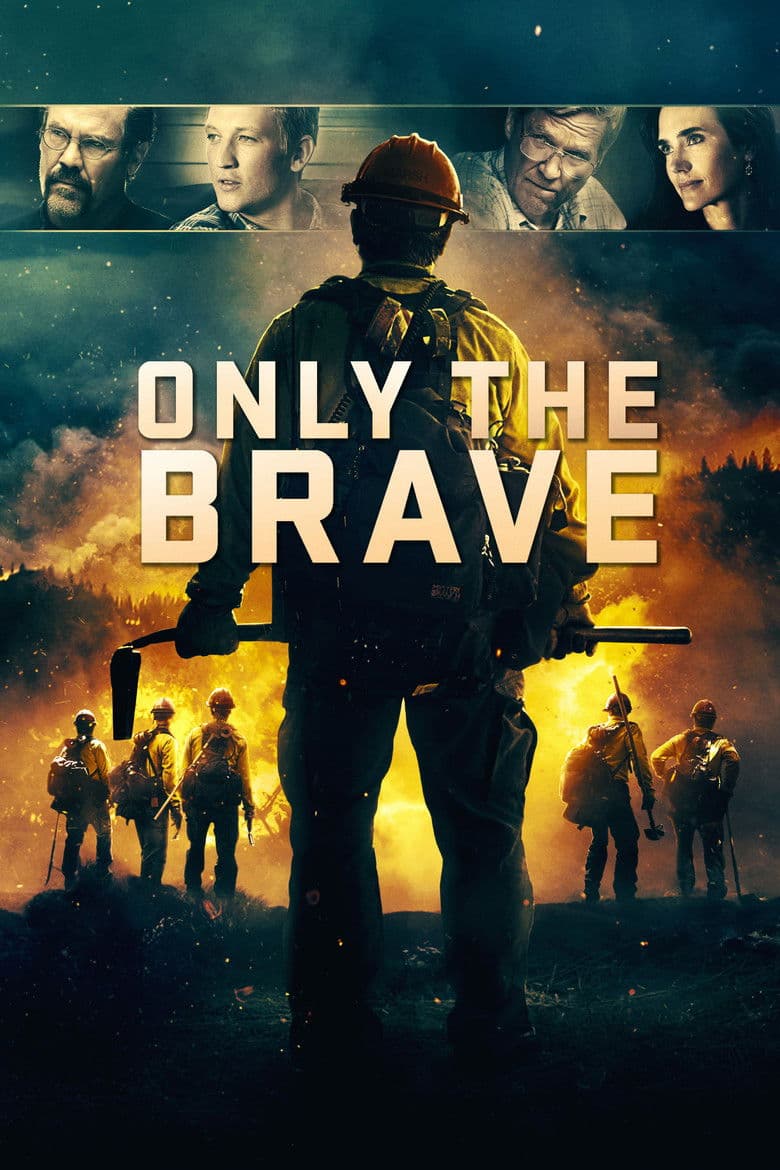
Movie · 2017
Members of the Granite Mountain Hotshots battle deadly wildfires to save an Arizona town.
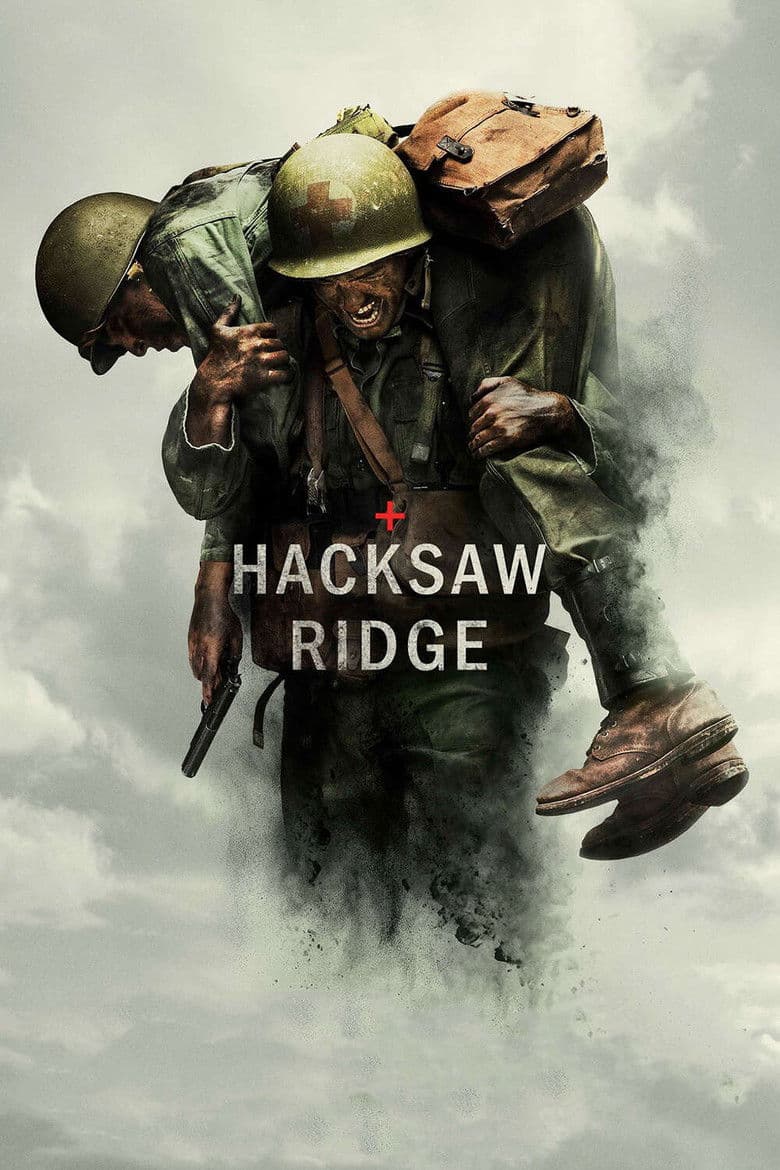
Movie · 2016
WWII American Army Medic Desmond T. Doss, who served during the Battle of Okinawa, refuses to kill people and becomes the first Conscientious Objector in American history to…
