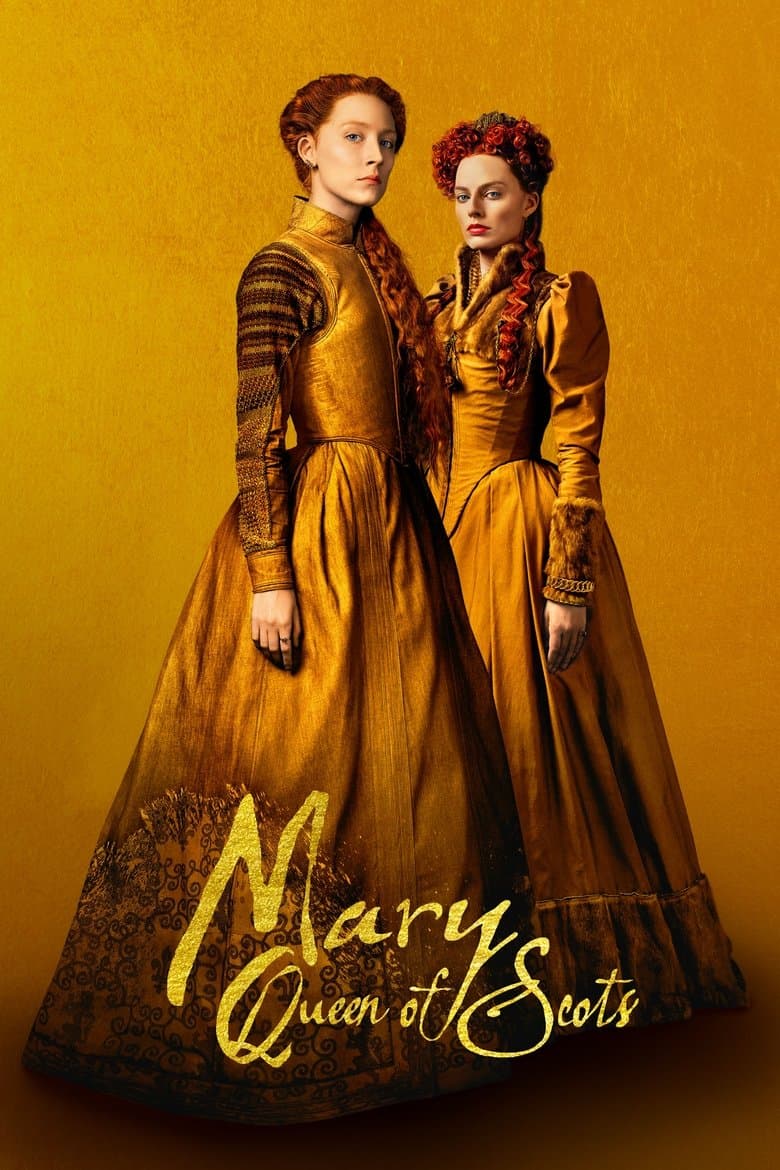
Mary Queen of Scots is a 2018 historical drama about Mary Stuart returning to claim the Scottish throne in 1561 and her rivalry with cousin Queen Elizabeth I of England over power, succession, and survival amid betrayals and rebellions. The film draws from John Guy's biography but centers the queens as women rulers navigating male-dominated courts, with explicit scenes of sex, menstruation, and childbirth. It features deliberate diverse casting of real historical white figures with actors of color and a prominent queer subplot around David Rizzio that includes cross-dressing, acceptance of his nature, and a sexual relationship with Darnley. Marketing used the tagline "Bow to no one" and creative statements highlighted female strength and independence.
Community feedback
Was our 91% Woke rating accurate?
Breakdown
These are the editorial factors and ratings behind our score for Mary Queen of Scots.
Woke representation / casting
Director explicitly rejected an all-white period drama and applied color-blind casting; multiple prominent supporting roles filled by actors of color playing historically white European figures, including Gemma Chan as Bess of Hardwick and Adrian Lester as Lord Randolph; the mismatch with the 16th-century Scottish and English court setting is audience-visible and was discussed in production statements.
78%
Woke political dialogue
Some lines and scenes reflect modern gender and sexuality views, such as Elizabeth expressing a desire to be a man and explicit discussions around intimacy and power; core exchanges stay rooted in court politics and religious conflict but carry anachronistic feminist sensibility.
42%
Identity-driven story themes
Narrative centers two female rulers in a masculine world, with recurring emphasis on female strength, the personal cost of power for women, and a complex bond between the queens; a visible queer subplot features David Rizzio cross-dressing, Mary accepting his nature, and a sexual relationship with Darnley; marketing and creative framing reinforced female independence.
72%
Western institutional / cultural critique
Traditional male court advisors, marriage expectations, and Protestant clerical authority are portrayed as sources of betrayal, limitation, and harm to the queens; male characters are frequently shown as treacherous or entitled; the story reframes historical rivalry and religious strife through a contemporary lens of gender constraints rather than solely faith or succession.
38%
Woke character or canon changes
Real historical figures such as Bess of Hardwick and Lord Randolph receive ethnicity changes via casting for diversity; David Rizzio's story expands queer elements including cross-dressing and implied relationships beyond clear historical consensus; the queens' dynamic and motivations receive modern feminist emphasis, including an invented personal meeting.
62%
Anti-woke backlash and complaints
Multiple reviews and viewer comments specifically criticized the diverse casting as forced historical revisionism and woke propaganda; complaints targeted anachronistic feminist messaging, progressive handling of gender and sexuality, and prioritization of contemporary identity over accuracy; examples include direct labels of "woke propaganda" and "Mary, Queen of Woke" focused on casting and anti-patriarchy framing.
68%
Creator track record context
Director Josie Rourke has a documented theater pattern of diverse casting and gender-focused productions; producer Kate Pakenham has theater credits on feminist historical works; Amelia Granger has mainstream Working Title credits plus later multicultural development involvement; lead writer Beau Willimon has political drama background per cached profile; historian John Guy shows no strong activist pattern; overall mix of progressive theater influences in key creative roles raises the score moderately.
48%
Production
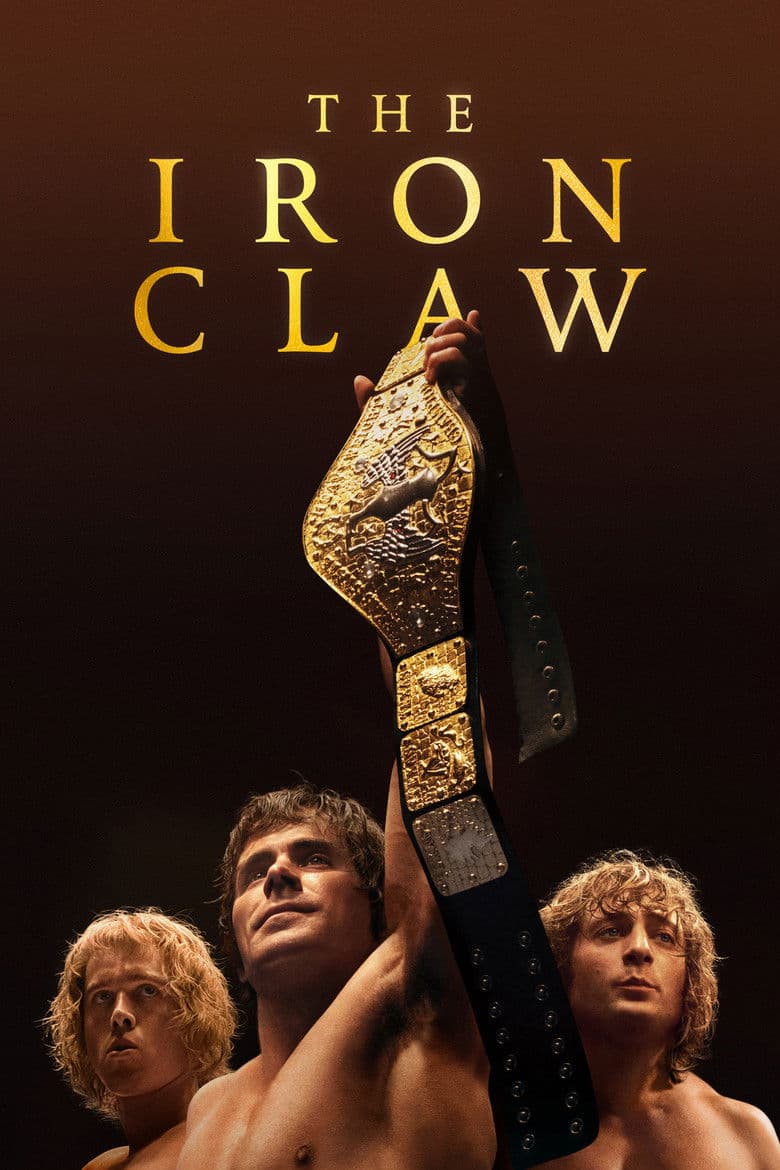
Movie · 2023
The true story of the inseparable Von Erich brothers, who made history in the intensely competitive world of professional wrestling in the early 1980s.
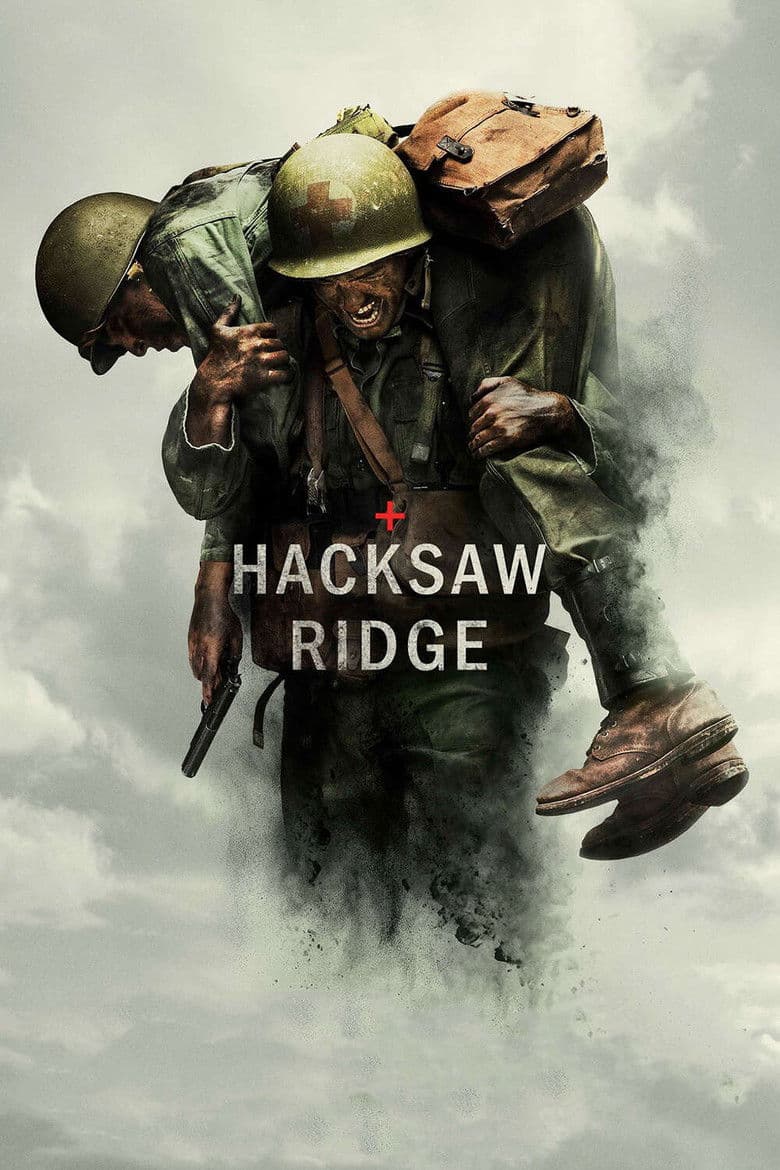
Movie · 2016
WWII American Army Medic Desmond T. Doss, who served during the Battle of Okinawa, refuses to kill people and becomes the first Conscientious Objector in American history to…

Movie · 2016
After his older brother passes away, Lee Chandler is forced to return home to care for his 16-year-old nephew.
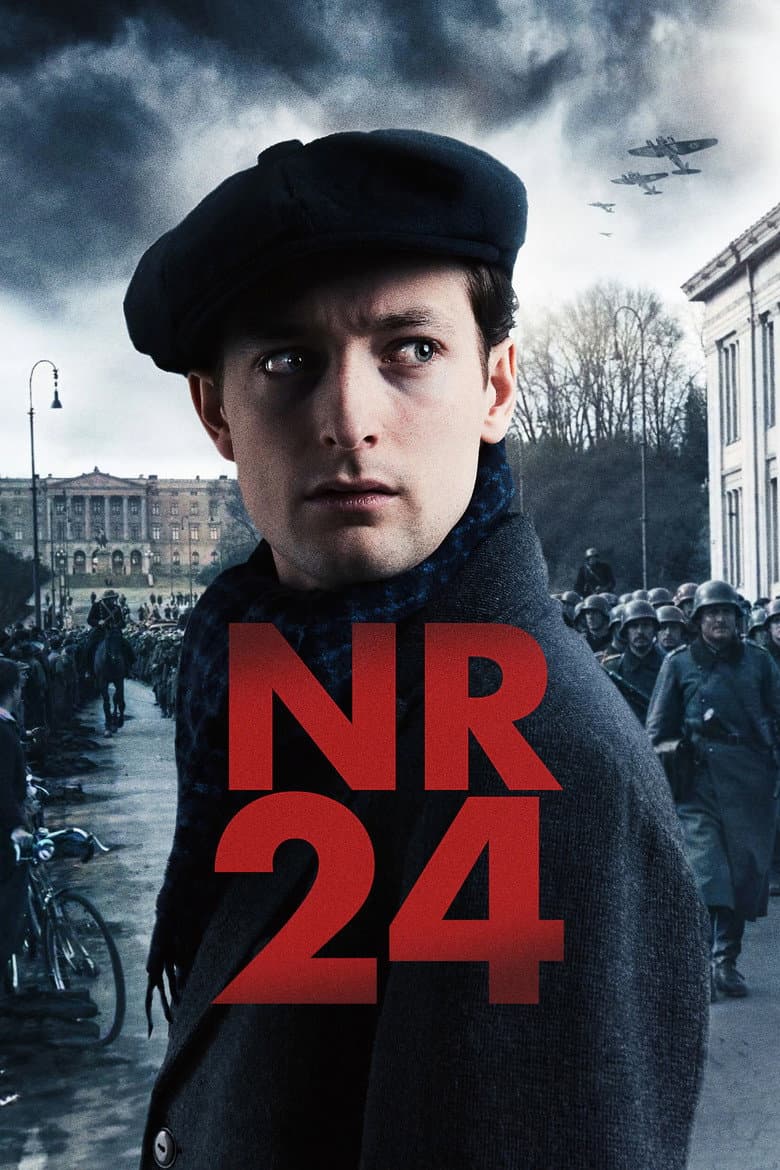
Movie · 2024
On the brink of the Second World War, a young Norwegian man's drive to resist the Nazis sets a new course for his future – and the future of his country.
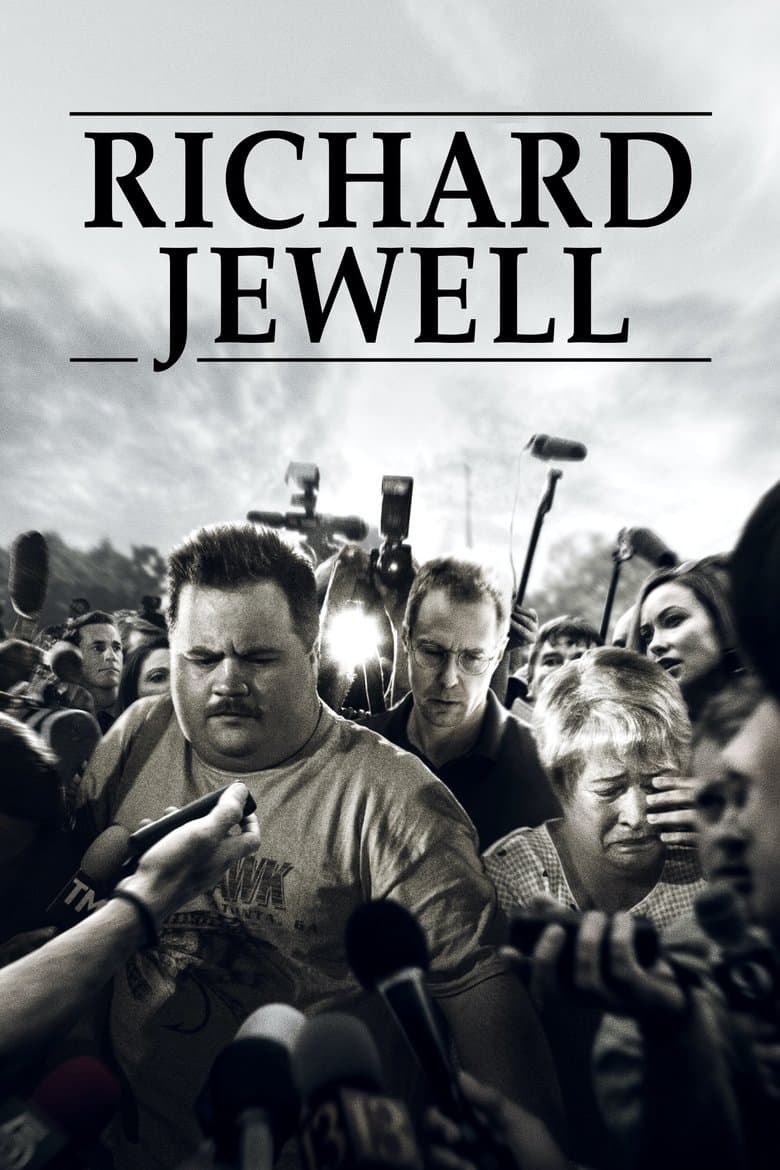
Movie · 2019
Richard Jewell thinks quick, works fast, and saves hundreds, perhaps thousands, of lives after a domestic terrorist plants several pipe bombs and they explode during a concert…
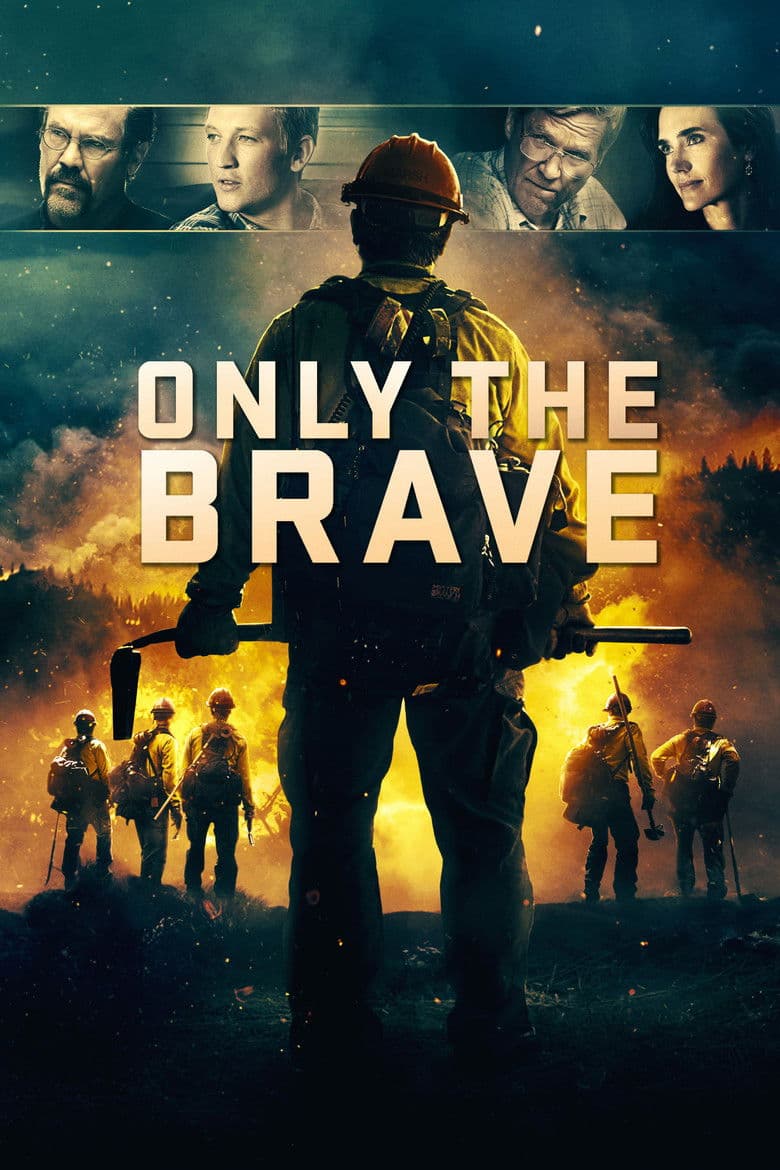
Movie · 2017
Members of the Granite Mountain Hotshots battle deadly wildfires to save an Arizona town.
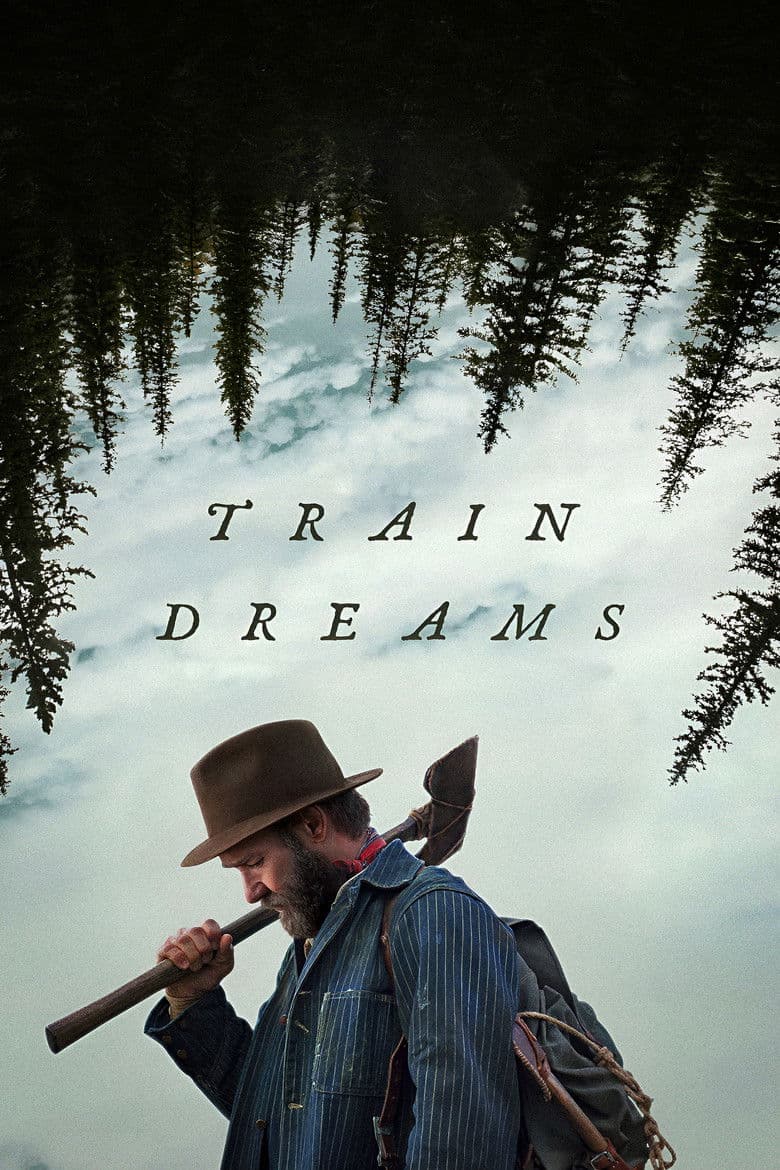
Movie · 2025
A logger leads a life of quiet grace as he experiences love and loss during an era of monumental change in early 20th-century America.
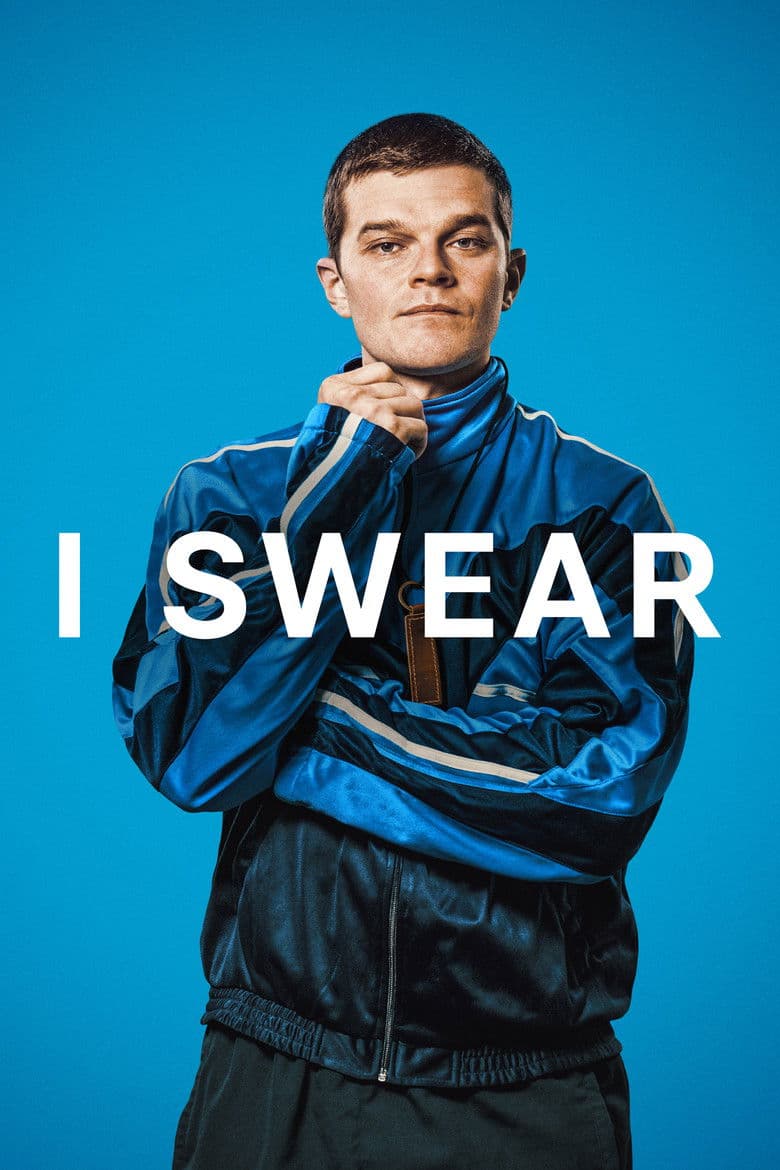
Movie · 2025
Diagnosed with Tourette Syndrome at 15, John Davidson navigates his way against the odds through troubled teenage years and into adulthood, finding inspiration in the kindness of…
