Movie review
October 16, 2019 · 119 min · PG · Kids · Fantasy · Adventure · Family
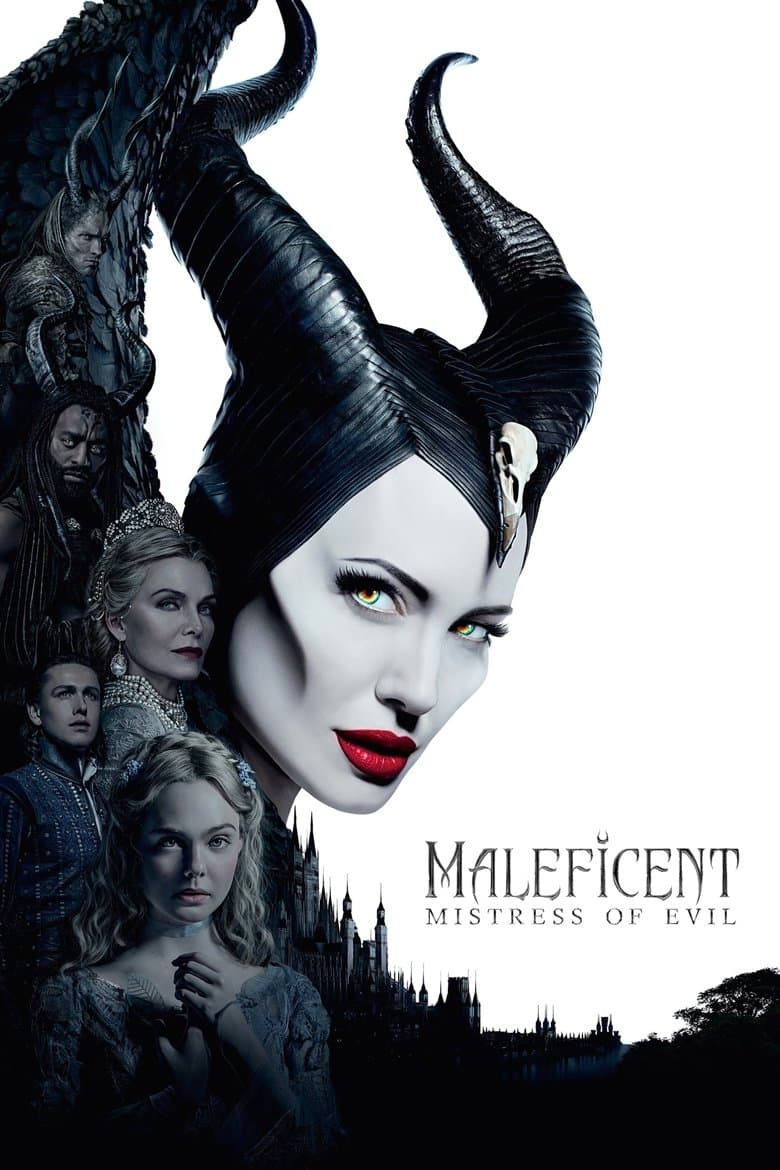
Maleficent Mistress of Evil is a live action sequel set years after the first film. Aurora rules the Moors while her planned marriage to Prince Philip pulls her toward the human kingdom of Ulstead. Queen Ingrith spreads fear of Maleficent and nearly starts a war. She also schemes to destroy the fairies with iron weapons and deadly powder. Maleficent meets the Dark Fey, winged beings driven into hiding by humans, and must choose peace or war while repairing her bond with Aurora.
The plot presents the Dark Fey as a hunted people near extinction and shows Ingrith planning to wipe fairy folk out. Creators tied the conflict to prejudice, refugees, intolerance, and control of public stories. Women hold the main power roles as Maleficent, Queen Aurora, and Queen Ingrith. Talk on screen pushes fear of outsiders and peace between humans and fairies more than modern political slogans. The ending still rests on family love and peace between kingdoms, yet the refugee and wipeout parallel stays clear and central.
Community feedback
Was our 60% Woke rating accurate?
Breakdown
These are the editorial factors and ratings behind our score for Maleficent: Mistress of Evil.
Woke representation / casting
Human fairy-tale roles stay mostly conventional. The new Dark Fey are shown as a multi-ethnic global tribe with leaders and fae of color. Three women hold the main power roles. This reads as deliberate diversity in franchise expansion, not a race swap of classic Sleeping Beauty leads.
34%
Woke political dialogue
Dialogue pushes fear of outsiders, mistrust, and peace between humans and fairies. It does not lean hard on modern DEI slogans. Inclusion-minded lines and propaganda talk add light political color without constant speechmaking.
20%
Identity-driven story themes
The sequel’s spine is the Dark Fey as persecuted refugees near extinction and Ingrith’s plan to wipe out fairy folk. Female power and mother–daughter agency stay central. Creators openly linked the story to inclusion and intolerance, so the allegory is hard to miss under the family fantasy surface.
60%
Western institutional / cultural critique
Ulstead’s court uses fake legends, military force, and plans to erase magical others. The director linked control of the story to modern power and media habits. The critique aims at fearmongering tyranny more than faith, capitalism, or marriage, and the ending favors peace and union between kingdoms.
40%
Woke character or canon changes
There is no race, gender, or sexuality swap of Aurora, Philip, or Maleficent. The film continues the first movie’s feminist Maleficent reframe. It adds multi-ethnic Dark Fey and Phoenix origin as oppressed-people lore rather than rewriting a known classic character’s core identity.
20%
Anti-woke backlash and complaints
No major sustained campaign called the film too woke. Most criticism hit plot and visuals instead. Some scattered pushback on the prejudice and refugee parallels exists, but the volume stays low.
10%
Creator track record context
Woolverton openly advances strong heroines and tied this film to inclusion and tolerance. Jolie adds a left-humanitarian producer and star presence. Rønning and the co-writers score lower, so the overall creative context is moderate and lifted mainly by Woolverton’s imprint.
36%
Production
Movie · 2016
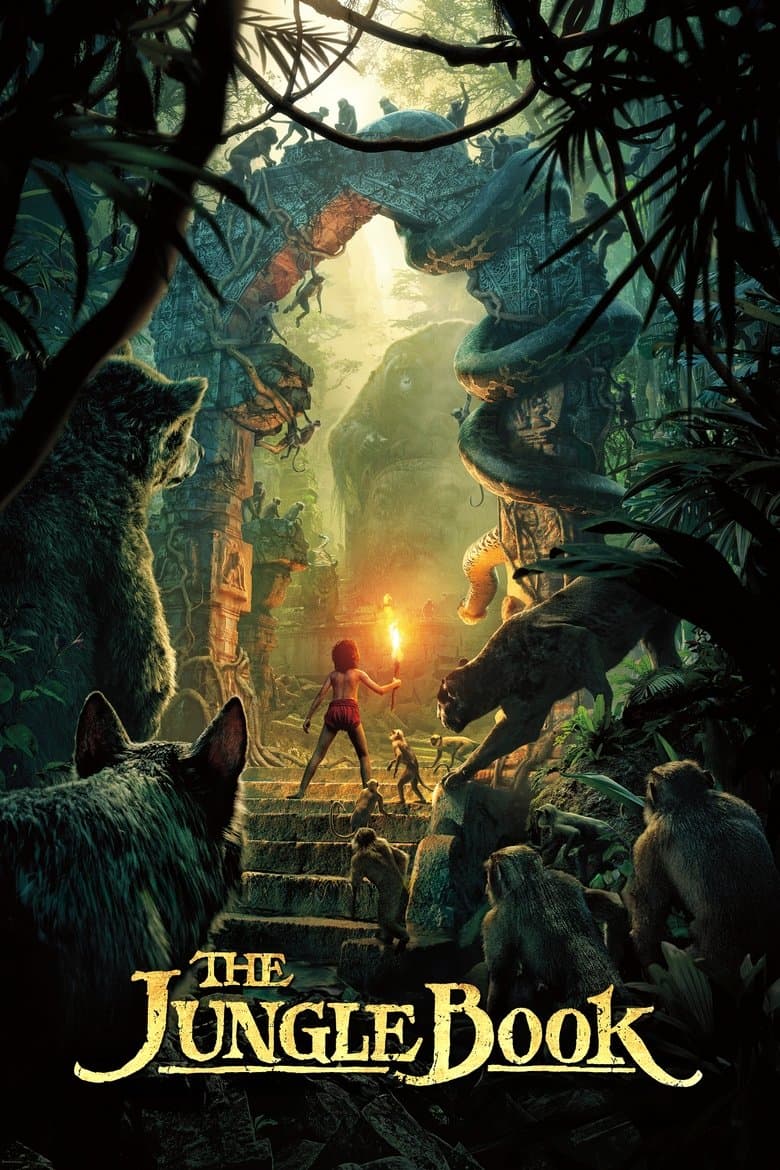
After a threat from the tiger Shere Khan, Mowgli, a man-cub fostered by wolves, is forced to flee the jungle, and he embarks on a journey of self-discovery with the help of the…

Movie · 2016
For years, old wood carver Mr. Meacham has delighted local children with his tales of the fierce dragon that resides deep in the woods of the Pacific Northwest.
Movie · 2022
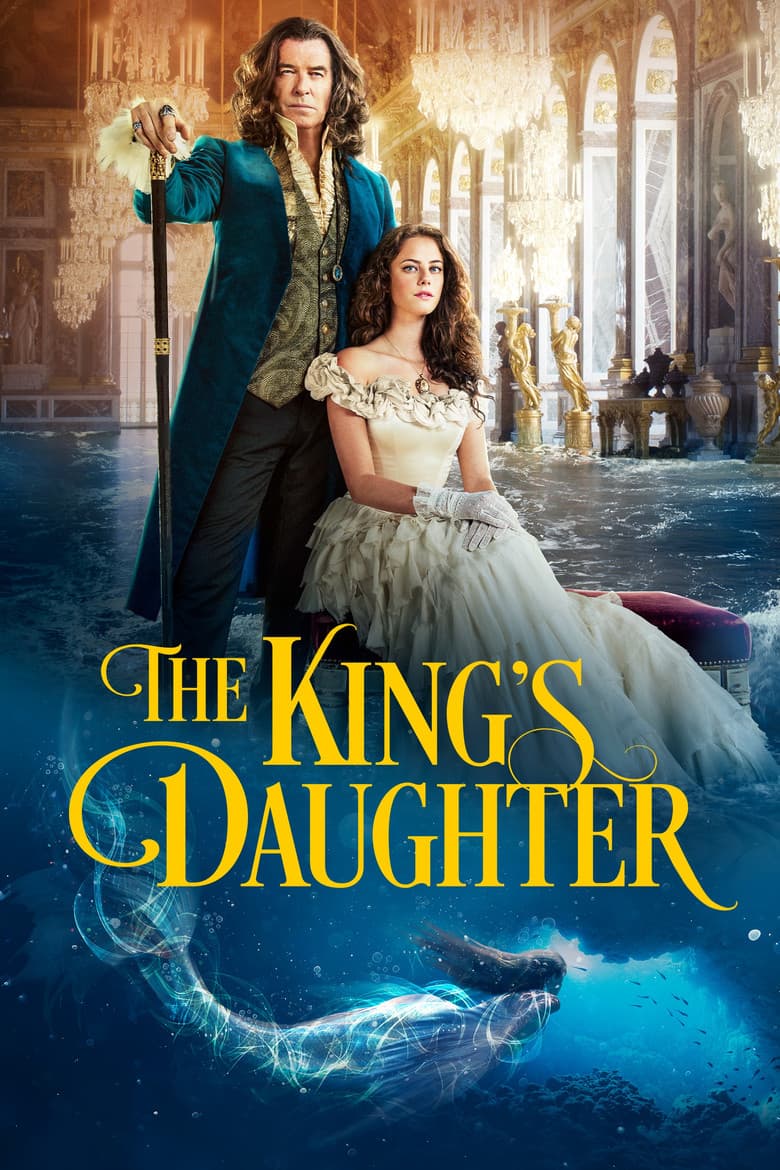
King Louis XIV's quest for immortality leads him to capture and steal a mermaid's life force, a move that is further complicated by his illegitimate daughter's discovery of the…
Movie · 2025
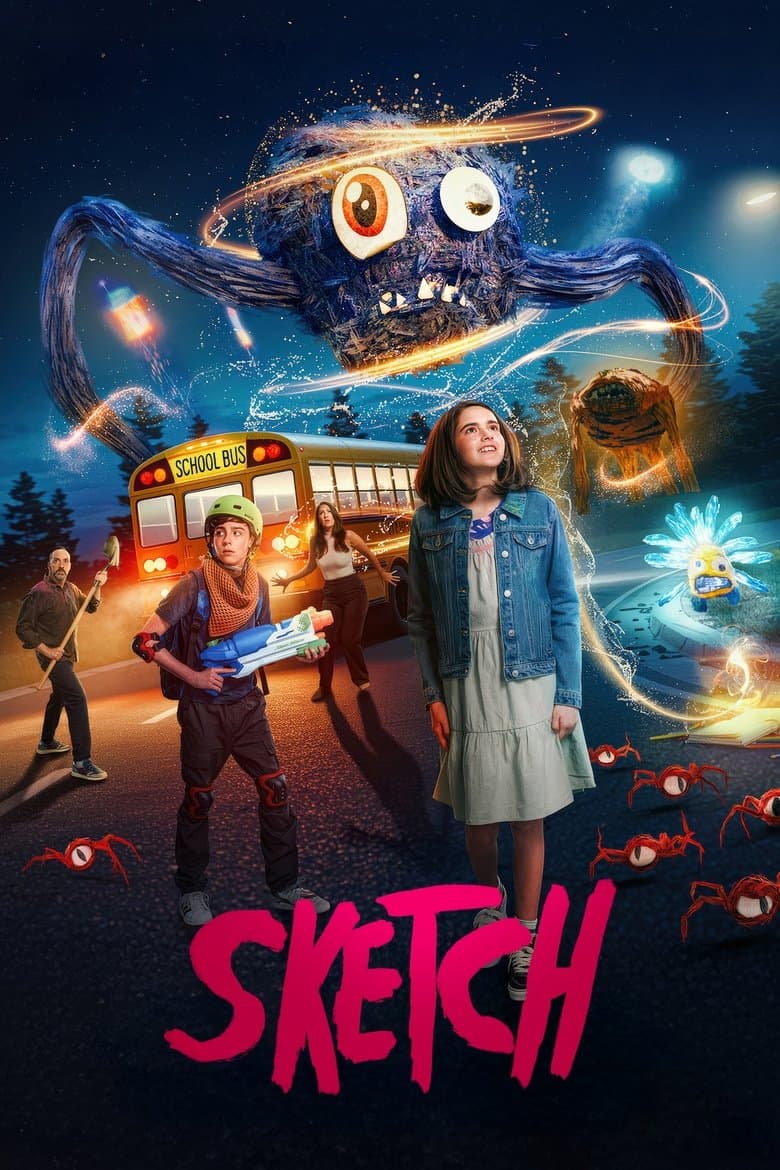
When a young girl’s sketchbook falls into a strange pond, her drawings come to life—chaotic, real, and on the loose.
Movie · 2020
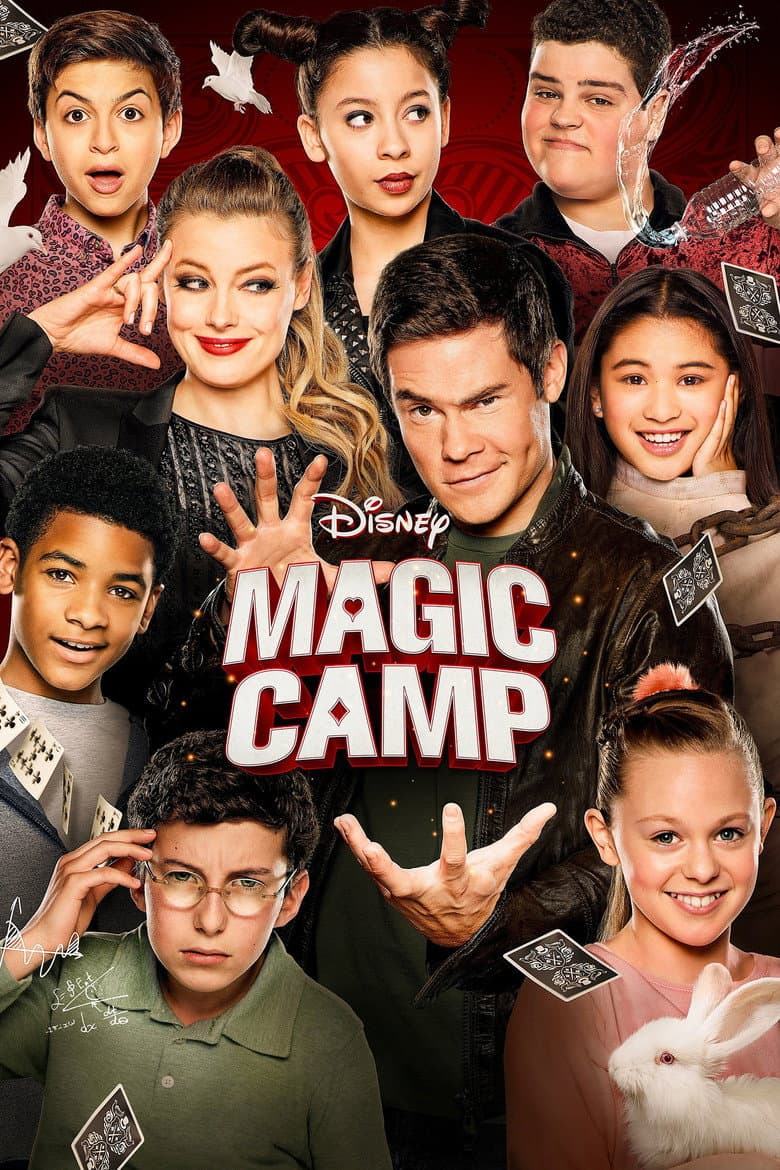
Andy, at the urging of his former mentor and Magic Camp owner Roy Preston, returns to the camp of his youth hoping to reignite his career.
Movie · 2024
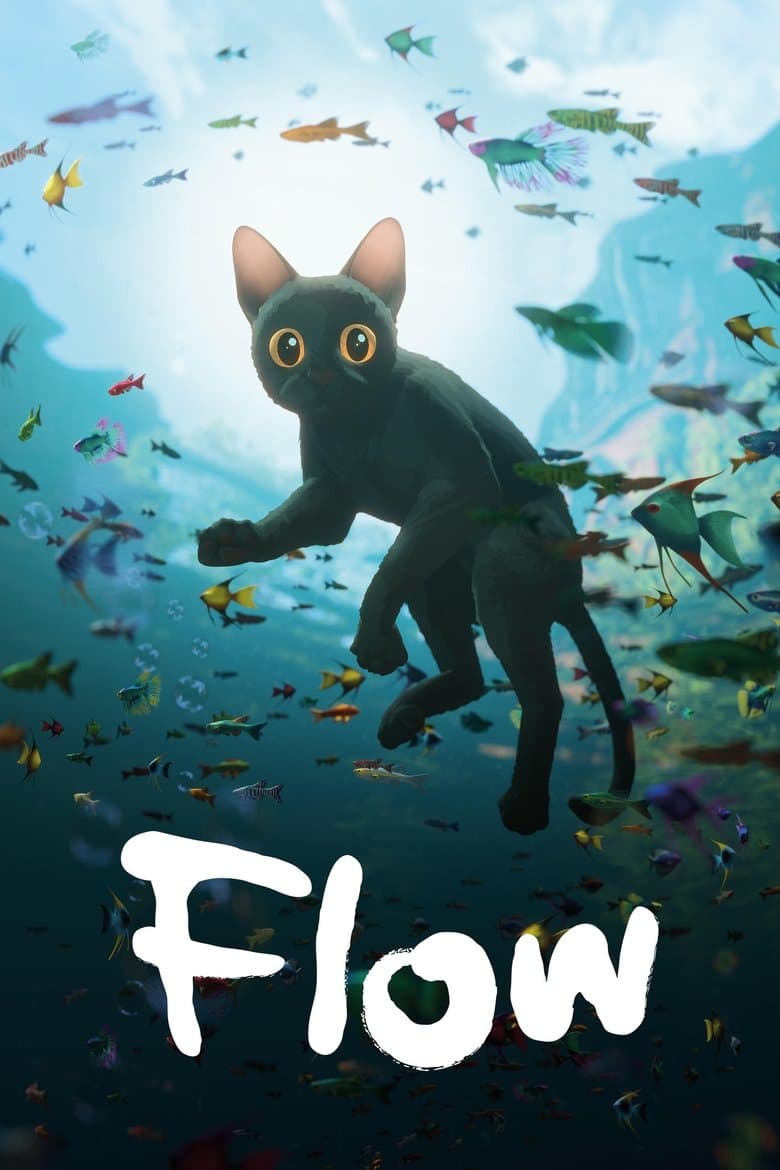
A solitary cat, displaced by a great flood, finds refuge on a boat with various species and must navigate the challenges of adapting to a transformed world together.
Movie · 2017
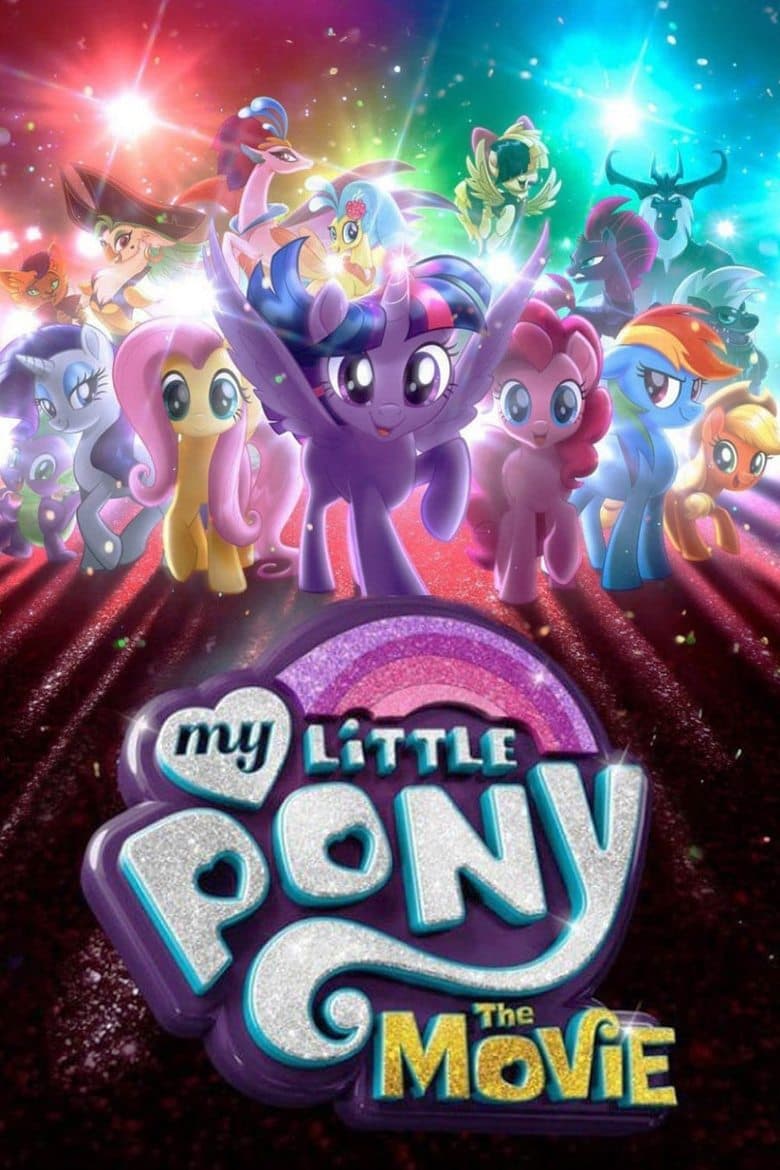
A new dark force threatens Ponyville, and the Mane 6 – Twilight Sparkle, Applejack, Rainbow Dash, Pinkie Pie, Fluttershy and Rarity – embark on an unforgettable journey beyond…

Movie · 2018
Siblings Kate and Teddy try to prove Santa Claus is real, but when they accidentally cause his sleigh to crash, they have to save Christmas.
