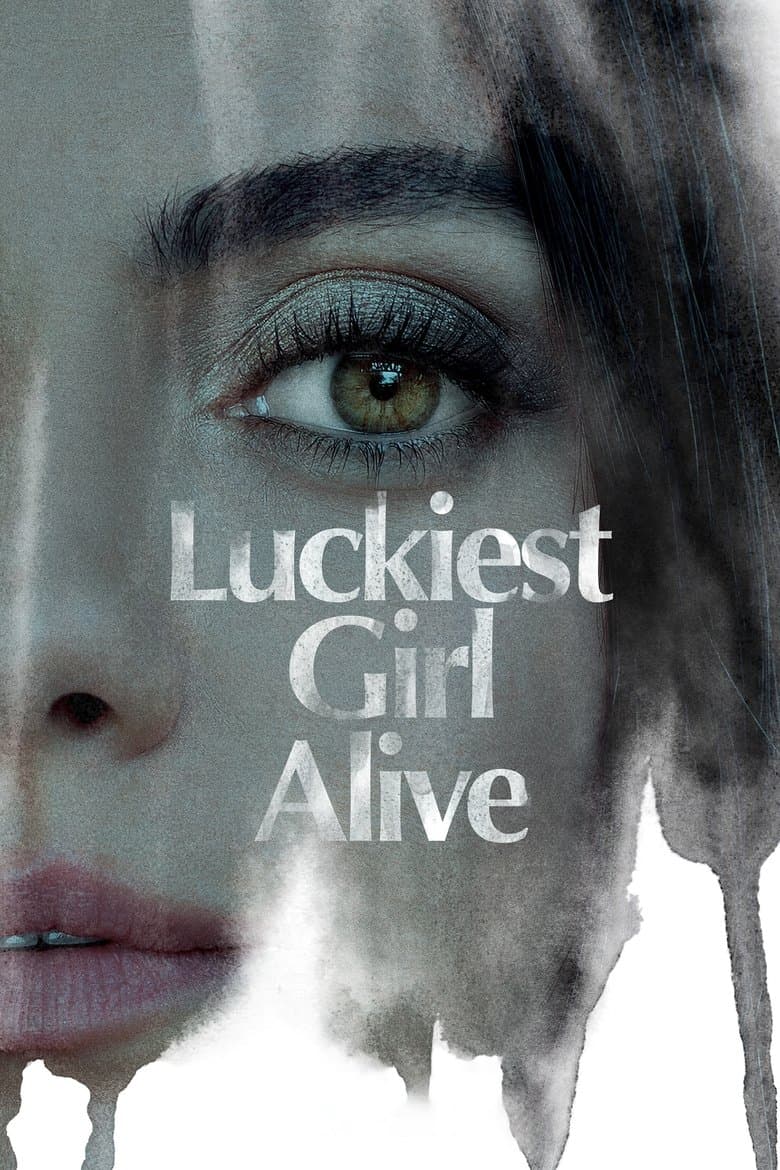
Luckiest Girl Alive is a 2022 Netflix mystery thriller starring Mila Kunis as TifAni "Ani" Fanelli, a sharp-tongued New York women's magazine editor who appears to have a perfect life with a high-profile job and a wealthy Nantucket fiancé. A documentary filmmaker approaches her about a 1999 school shooting she survived at an elite prep school, forcing her to confront a gang rape by three male classmates weeks earlier and the shooting that followed, in which she killed one of the perpetrators. The story, adapted by author Jessica Knoll from her own semi-autobiographical 2015 novel, centers on trauma, victim-blaming by family and school, toxic male entitlement among privileged boys, and Ani's choice to record a confession from one rapist and publish her account in the New York Times. It includes graphic rape and shooting scenes, a subplot critiquing hypocrisy in a rapist-turned-gun-control advocate, and themes of a woman reclaiming power through public testimony, with incidental racial d
Community feedback
Was our 34% Woke rating accurate?
Breakdown
These are the editorial factors and ratings behind our score for Luckiest Girl Alive.
Woke representation / casting
The cast features some racial diversity in supporting roles, including Jennifer Beals (black) as Ani's supportive magazine editor boss and Dalmar Abuzeid (black) as the documentary director. These placements fit modern professional NYC and media settings without visible emphasis, marketing focus, or story-world mismatch. The core elite prep school and wealthy social circles align with the 1999-2015 period and class depicted; no audience-visible quota-style or identity-signaling patterns reported.
12%
Woke political dialogue
Conversations center on personal trauma, victim-blaming by adults and peers, and confronting past abusers rather than activist lectures or explicit political platforms. The gun control advocate character who is revealed as a rapist creates irony and hypocrisy beats that serve the thriller and personal revenge arc.
12%
Identity-driven story themes
The core narrative follows one woman's decades-long reckoning with gang rape by privileged male classmates, school and family victim-blaming, and her empowerment by secretly recording an admission and publishing her story. Prominent elements include toxic male entitlement in elite circles and the redemptive power of a woman's public testimony. Framed as an individual story drawn from the author's life rather than collective identity politics or systemic overhaul, it still carries noticeable emphasis on gender-based violence and patriarchal protection of abusers.
38%
Western institutional / cultural critique
The film critiques victim-blaming by school headmasters, teachers, and especially the protagonist's mother, plus toxic masculinity and entitlement among wealthy prep school boys. A key rapist character's public persona as a progressive gun control advocate and politician highlights hypocrisy within privileged American social and media circles. It stays focused on personal accountability and class-specific elite culture rather than broad anti-capitalist, anti-Western, or institutional takedowns.
28%
Woke character or canon changes
Not relevant. Jessica Knoll adapted her own 2015 novel into the screenplay; the story is semi-autobiographical from the start. Any book-to-film adjustments are standard narrative compression and medium changes, with no reported ideological identity swaps, canon alterations to established characters, or reframing of real historical figures or events.
0%
Anti-woke backlash and complaints
Searches across news and social media around release and later show minimal to no complaints framing the title as pushing woke, DEI, identity politics, or left-wing activist content. The main public debate concerned graphic rape and shooting scenes plus calls for stronger Netflix trigger warnings. A few critics noted "girl boss feminism" tones or sensationalism, but this generated no meaningful wave of right-leaning or anti-woke backlash.
5%
Creator track record context
Director Mike Barker carries a low cached score with no activist pattern. Writer Jessica Knoll's repeated focus on female survivors of male violence and trauma gives a clearer feminist-survivor signal across her thrillers. Producer Bruna Papandrea emphasizes female-led stories commercially. Mila Kunis shows standard liberal personal positions alongside actions (Masterson letter) that drew left criticism. Other producers and casting personnel trend commercial or neutral. Overall a mild pattern of gender-focused trauma storytelling without heavy modern DEI, queer, or representation-first overlays.
22%
Production
Movie · 2018
After David Kim's 16-year-old daughter goes missing, a local investigation is opened and a detective is assigned to the case.
Movie · 2023
Following the brutal murder of a young real estate agent, a hardened detective attempts to uncover the truth in a case where nothing is as it seems, and by doing so dismantles the…
Movie · 2016
Porter Wren is a Manhattan tabloid writer with an appetite for scandal. On the beat he sells murder, tragedy, and anything that passes for the truth.
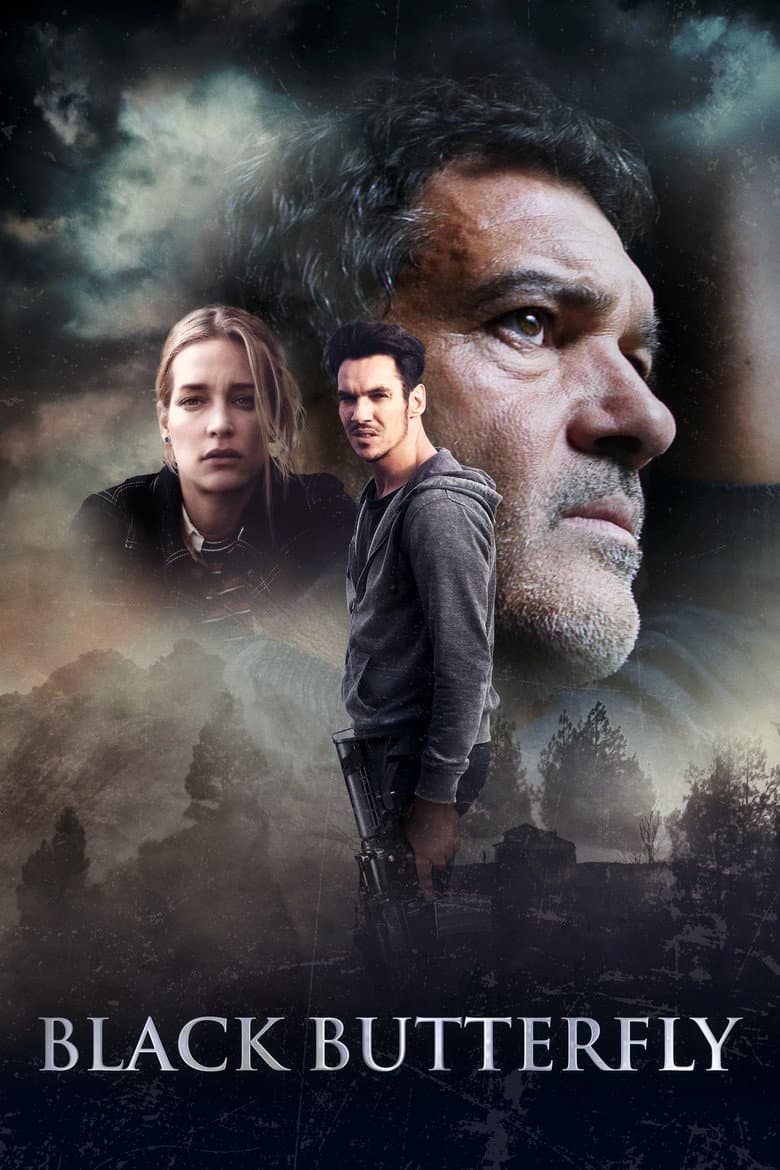
Movie · 2017
Paul is a down-on-his-luck screenwriter who picks up a drifter and offers him a place to stay. However, when the deranged stranger takes Paul hostage and forces him to write…

Movie · 2018
Looking to investigate recruitment techniques of ISIS to lure women into Syria, a journalist creates a Facebook profile of a Muslim convert.
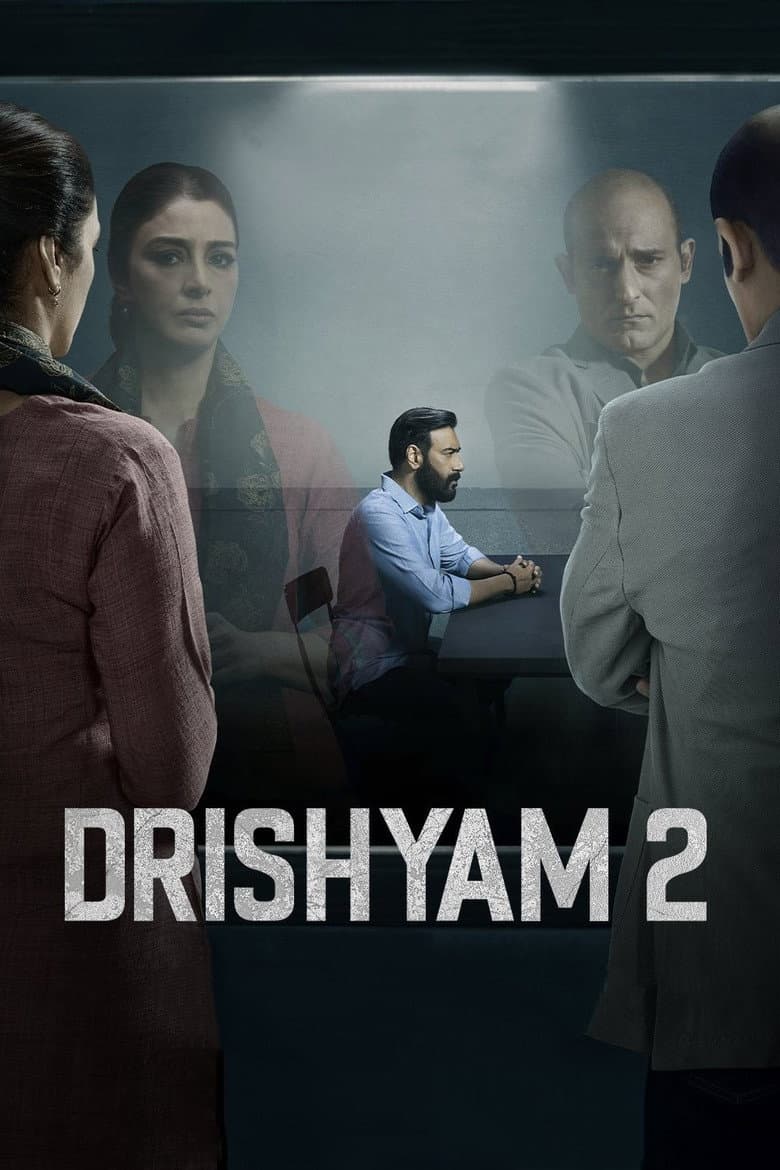
Movie · 2022
7 years after the case related to Vijay Salgaonkar and his family was closed, a series of unexpected events bring truth to light that threatens to change everything for the…
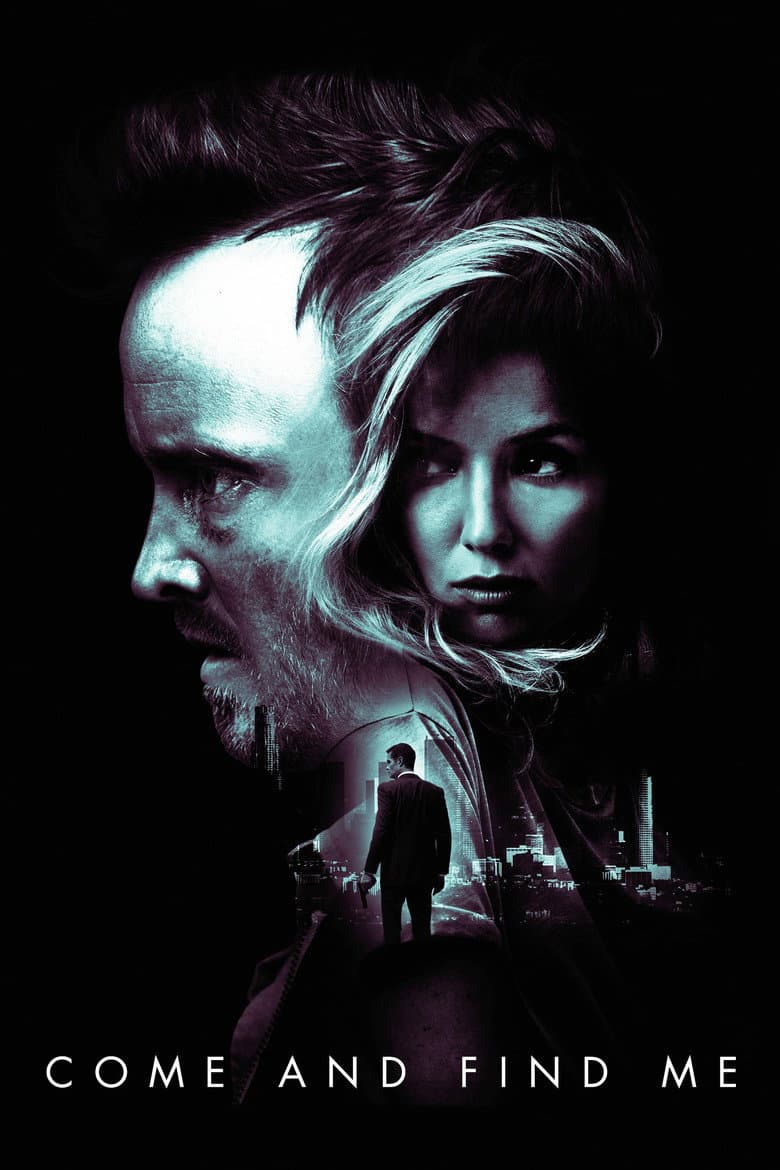
Movie · 2016
When his girlfriend goes missing, David must track down her whereabouts after he realizes she's not who she was pretending to be.
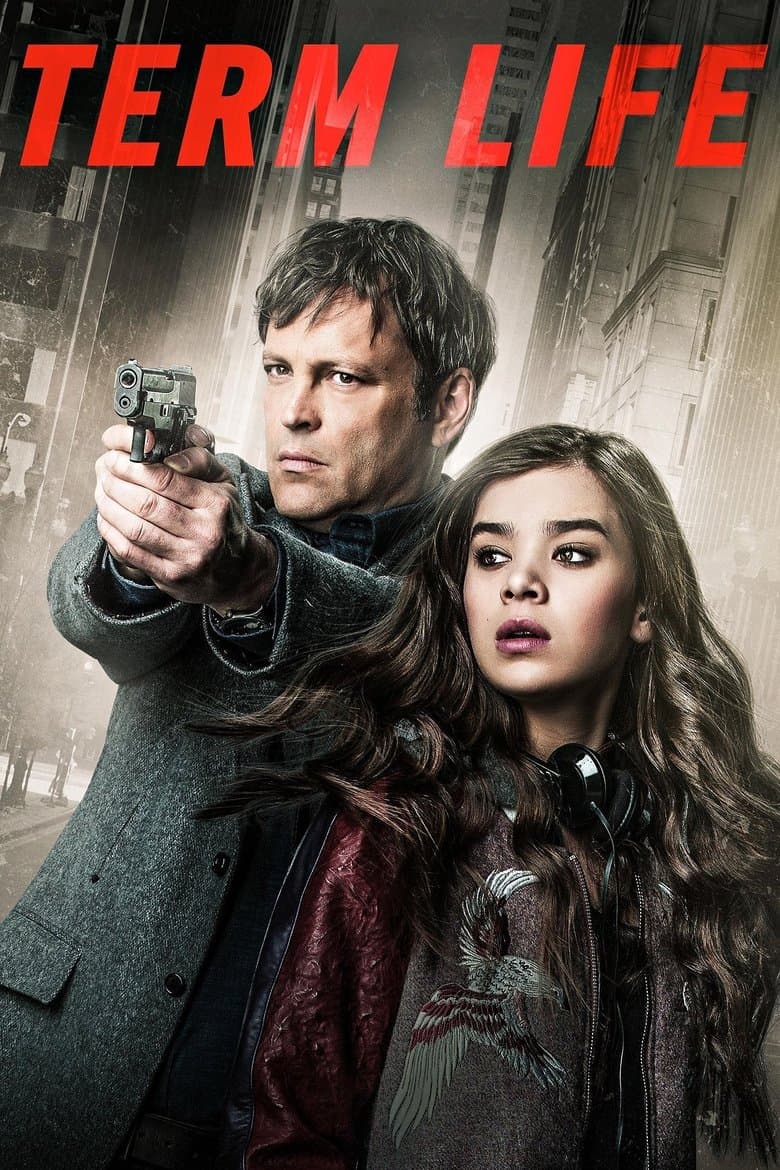
Movie · 2016
If Nick Barrow can stay alive for 21 days, he'll die happy. Everyone Nick knows wants him dead; Mob bosses, contract killers, and dirty cops.
