
Lion follows the true story of Saroo Brierley. He is a young Indian boy who gets lost and is later adopted in Tasmania. As an adult he uses Google Earth to search for his birth family. The film is a prestige drama about family, reunion, and resilience. It is not built around activist politics.
The story centers on personal identity, dual belonging between India and Australia, adoptee guilt, memory, and reunion with a birth mother. Race-conscious adoption motive and a cross-cultural family stay on screen for long stretches. There is almost no activist speech. One clear race-conscious moment is Sue describing a childhood vision of raising two brown-skinned boys and choosing adoption to help children in need. Closing cards note many missing children in India and present Western intercountry adoption as a hopeful path. These beats are humanitarian and sentimental rather than identity-politics lectures.
Community feedback
Was our 15% Woke rating accurate?
Breakdown
These are the editorial factors and ratings behind our score for Lion.
Woke representation / casting
The cast matches the real people in the true story. Indian performers play Saroo and the Indian family and orphanage world. Kidman and Wenham play the white Australian adoptive parents. There is only a small bump because some festival packaging treated the film as a diversity showcase.
8%
Woke political dialogue
There is almost no activist speech in the film. The clearest race-conscious line is Sue talking about raising two brown-skinned boys and choosing adoption to help children. Closing cards present Western intercountry adoption as a hopeful path. The tone stays humanitarian and sentimental rather than identity-politics lecturing.
10%
Identity-driven story themes
Identity matters, but it stays personal. The film covers dual belonging, adoptee guilt, memory, and reunion with a birth mother. It is not driven by systemic race or gender ideology, queer politics, or DEI. A mild lift comes from the race-conscious adoption motive and the cross-cultural family on screen for long stretches.
18%
Western institutional / cultural critique
Not present. The film does not attack Western institutions, Christianity, traditional family, or capitalism. Australia’s adoptive home is warm and redemptive. Left and academic critiques that call it Orientalist or a white-savior story argue the opposite of anti-Western messaging and do not raise this score.
0%
Woke character or canon changes
Not relevant. This factor is not relevant. The film is adapted from Saroo’s memoir. The girlfriend Lucy is a composite or dramatized partner of the kind common in biopics, not an identity-driven rewrite of history.
0%
Anti-woke backlash and complaints
Not present. There was no meaningful right-leaning or anti-woke campaign treating Lion as DEI propaganda or agenda cinema. Public reaction was mostly tearjerker and Oscar-bait praise. Contestation that exists is mostly left-side and is excluded from this factor.
0%
Creator track record context
Cached scores for key creatives are mostly low. They support mild humanism rather than a pattern of identity-first activism driving this title. Davis and others land in low ranges, with producers near zero.
12%
Production
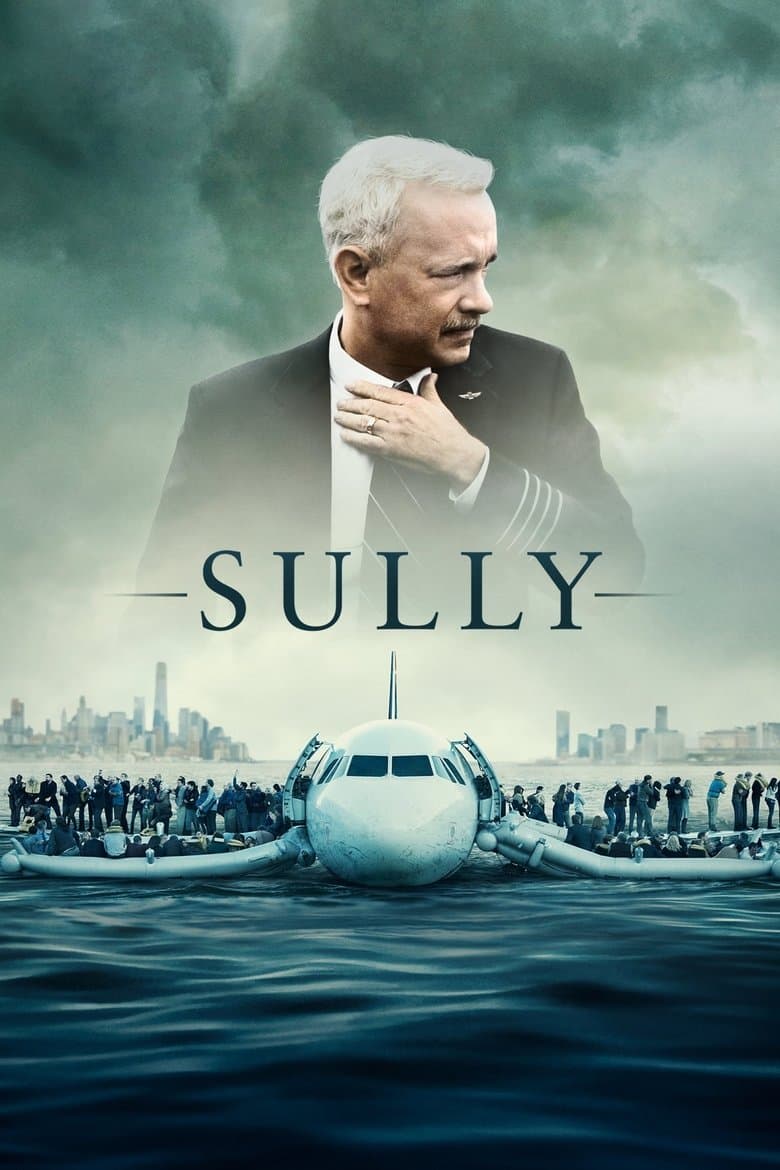
Movie · 2016
On 15 January 2009, the world witnessed the 'Miracle on the Hudson' when Captain 'Sully' Sullenberger glided his disabled plane onto the Hudson River, saving the lives of all 155…
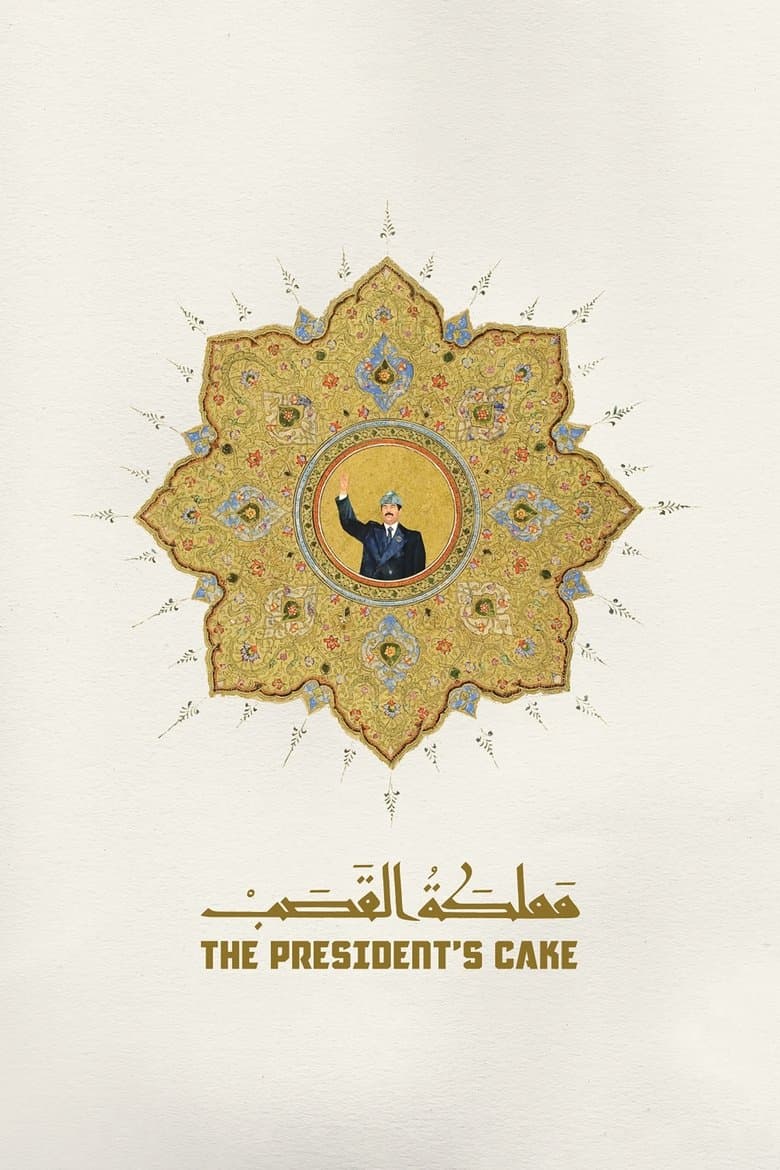
Movie · 2026
While people across 1990s Iraq struggle to survive the war and food shortages, Saddam Hussein requires each school in the country to prepare a cake to celebrate his birthday.
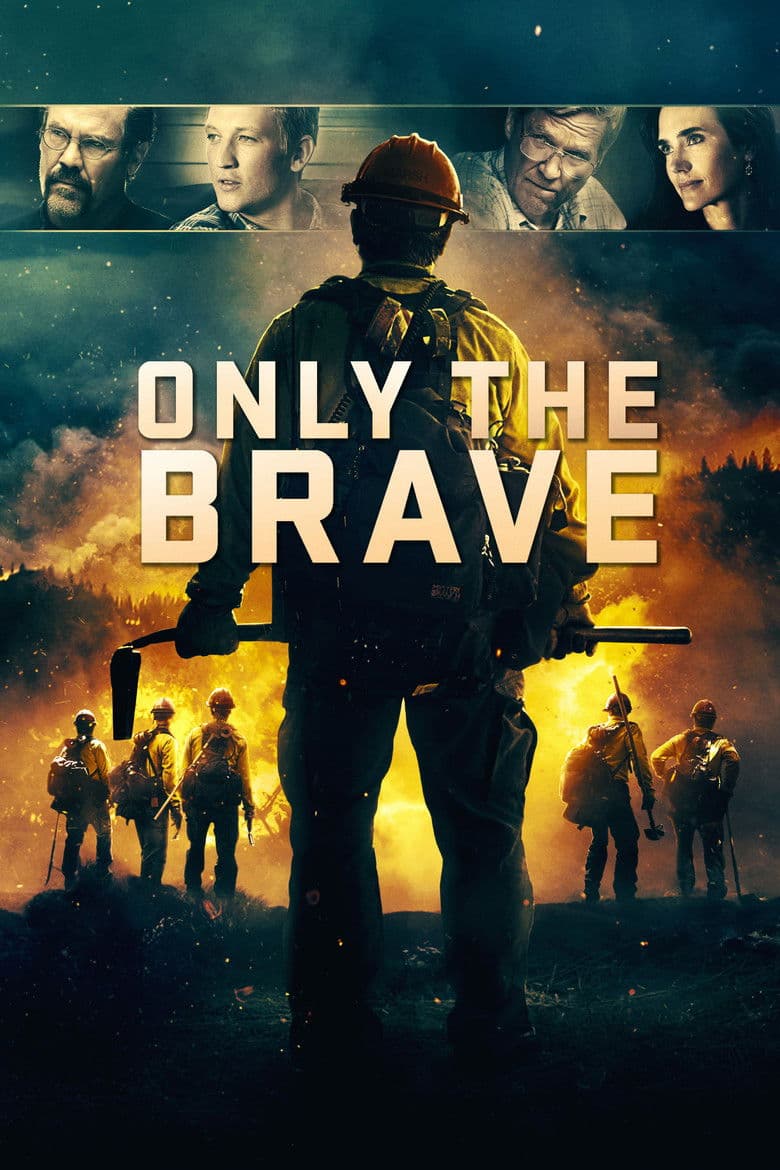
Movie · 2017
Members of the Granite Mountain Hotshots battle deadly wildfires to save an Arizona town.
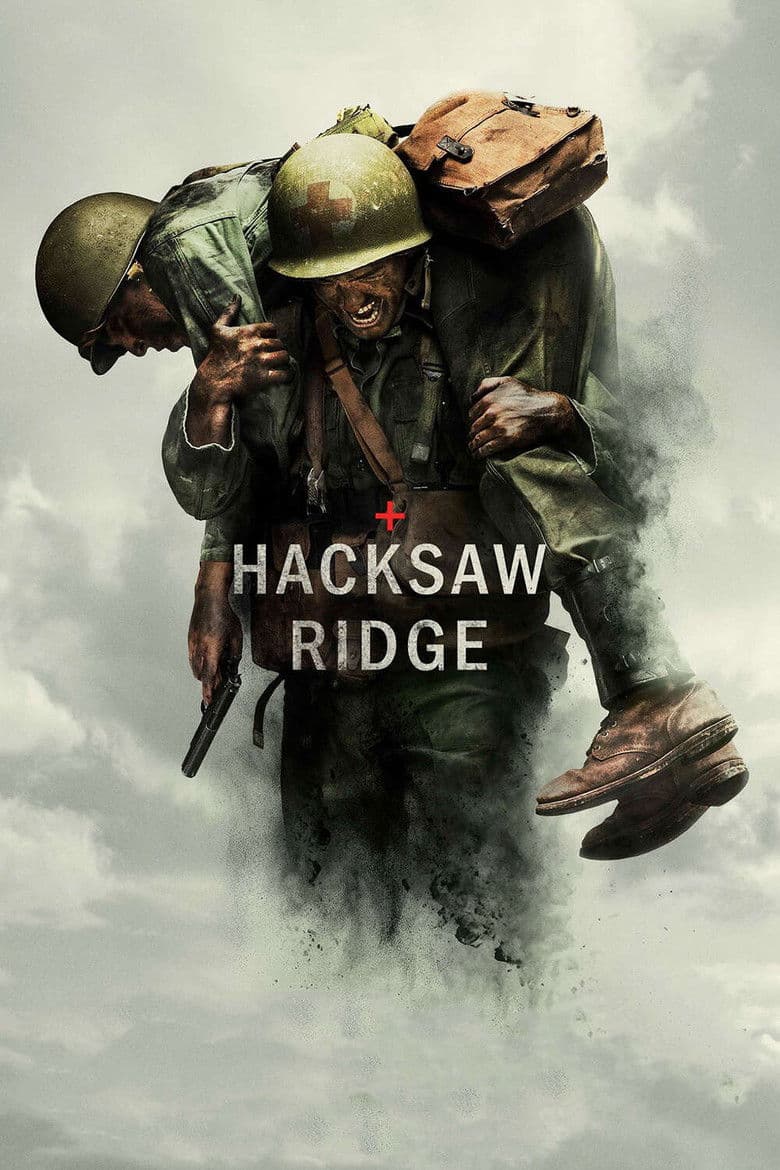
Movie · 2016
WWII American Army Medic Desmond T. Doss, who served during the Battle of Okinawa, refuses to kill people and becomes the first Conscientious Objector in American history to…
Movie · 2016
In a desolate war zone where screams of the innocent echo, on the very line between disaster and valor, 7 Maroon Berets will dance with death.
Movie · 2022
London, 1953. Mr. Williams, a veteran civil servant, is an important cog within the city's bureaucracy as it struggles to rebuild in the aftermath of World War II.
Movie · 2017
In 1950, amidst the ravages of the Korean War, Sergeant Süleyman stumbles upon a a half-frozen little girl, with no parents and no help in sight and he risks his own life to save…

Movie · 2022
A quiet, neglected girl is sent away from her dysfunctional family to live with relatives for the summer. She blossoms in their care, but in this house where there are meant to be…
