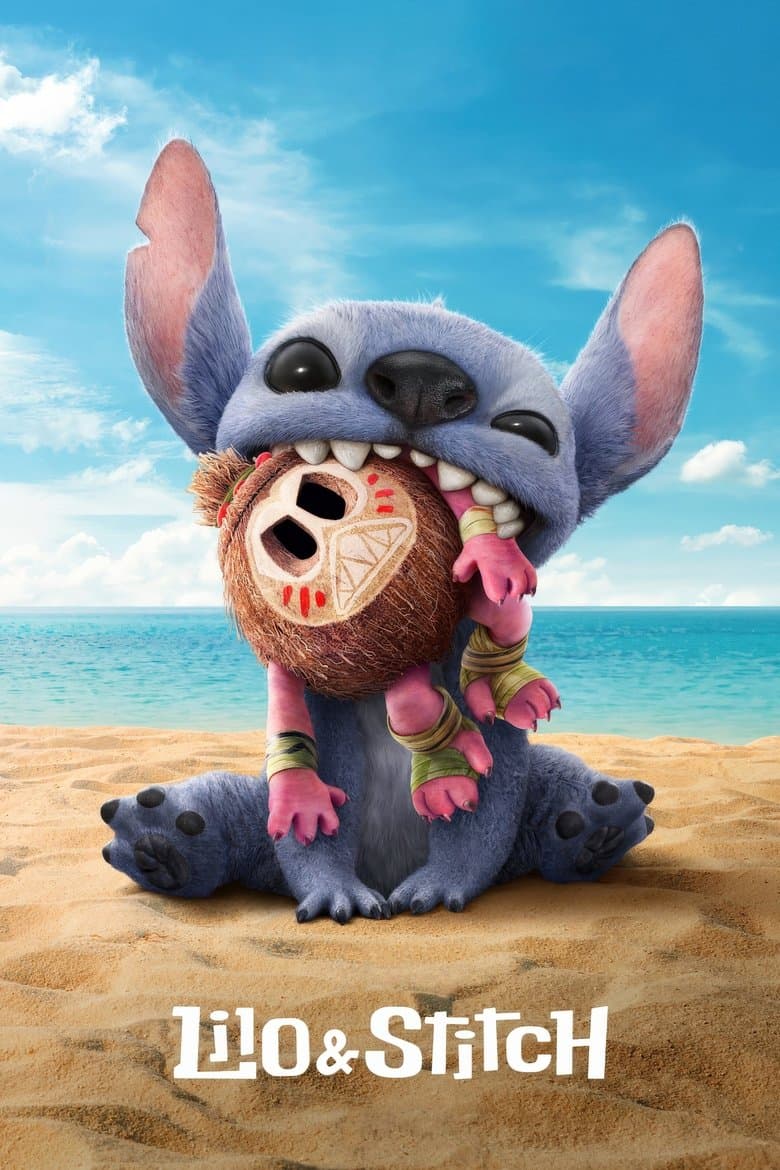
Lilo & Stitch is a live-action sci-fi family comedy about an orphaned Hawaiian girl who adopts a chaotic alien. The story follows their adventures in Hawaii as they try to stay together and avoid space police. A major change in the ending pushes modern, career-first themes by having Nani hand over legal custody of Lilo to go to college. This ending stresses personal desires and individual self-care over traditional family unity.
Community feedback
Was our 74% Woke rating accurate?
Breakdown
These are the editorial factors and ratings behind our score for Lilo & Stitch.
Woke representation / casting
The cast naturally fits the Hawaiian setting of the story. The main roles are played by native or multiracial Hawaiian actors, which matches the original cartoon. However, the movie still shows some modern studio casting patterns in supporting roles, such as casting Hannah Waddingham as the Grand Councilwoman. These choices look like standard representation efforts rather than pure story needs.
5%
Woke political dialogue
The movie does not have loud left-wing political speeches. Still, the dialogue is updated with modern self-care ideas. Characters like the social worker and neighbors repeatedly tell Nani to focus on her personal dreams and college degree. They tell her not to leave herself behind. This dialogue pushes Nani to put her career before her family.
Production
30%
Identity-driven story themes
The movie changes the original focus on keeping family together. Instead, it pushes themes of chasing personal dreams, self-care, and career goals. Nani is encouraged to focus on herself instead of her sister. Also, Agent Pleakley is still shown as a gay-coded character who wears feminine clothes as a human. This visible queer representation adds strong woke weight to the themes.
60%
Western institutional / cultural critique
The movie critiques traditional family roles by framing Nani's care for her sister as a trap. Instead of showing her sacrifice as a good thing, the story treats her duty as a burden. The film suggests that giving Lilo to a neighbor so Nani can go to California is a healthy, modern choice. This directly undermines traditional family norms.
35%
Woke character or canon changes
The remake makes big, controversial changes to the original story and characters. The famous ending is rewritten so Nani gives up custody of Lilo. This goes against the family-first message of the original film. Nani's outfits are also cleaned up to be less revealing. Finally, Agent Pleakley's cross-dressing is mostly removed, though he still wears some women's clothes.
40%
Anti-woke backlash and complaints
Conservative and family-focused critics strongly attacked the new ending. They accused the film of pushing a woke agenda that encourages family separation. Critics said the movie tells young people to put career and self-fulfillment before their family duties. There were also smaller complaints about the movie cleaning up and censoring Nani's outfits.
65%
Creator track record context
The creative team has a moderate history of supporting identity-driven and diverse themes. Director Dean Fleischer Camp (50) and writer Chris Kekaniokalani Bright (40) both focus on representation in their work. Writer Mike Van Waes (65) often writes about queer themes. Producer Thomas Schumacher (55) has supported updating older works to fit modern race and gender politics.
43%

Movie · 2021
In a world where walking, talking, digitally connected bots have become children's best friends, an 11-year-old finds that his robot buddy doesn't quite work the same as the…
Movie · 2020
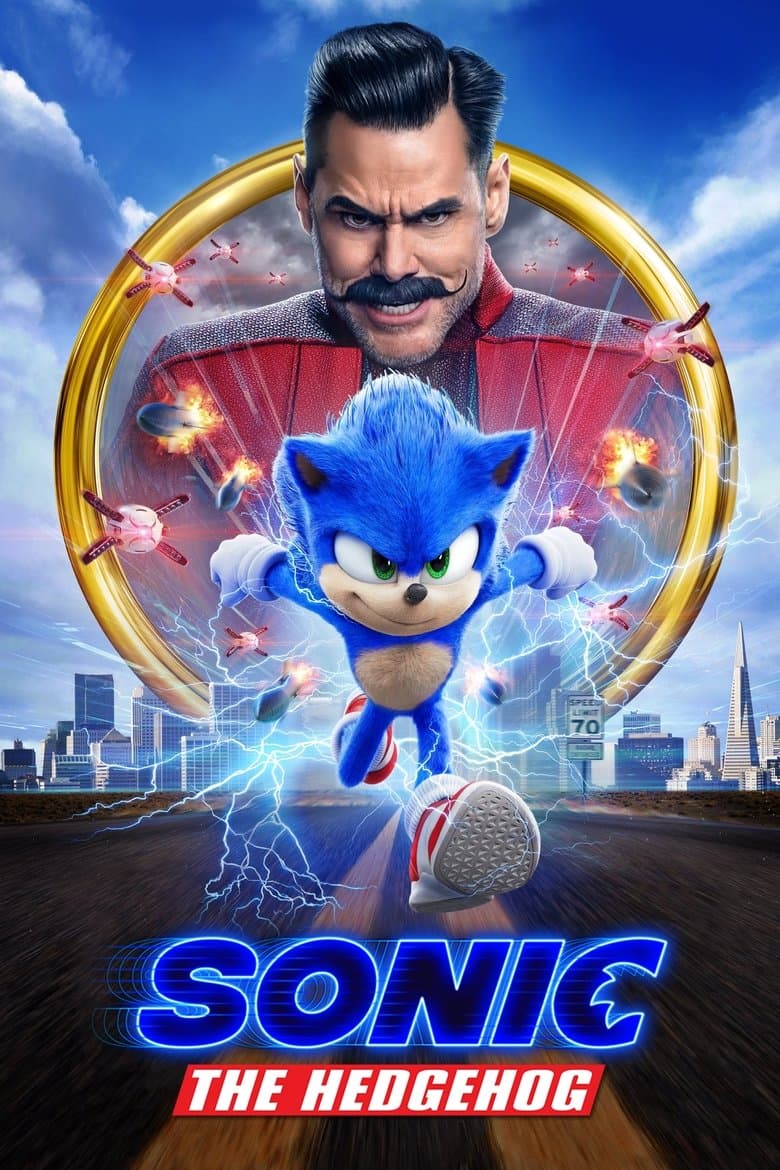
Powered with incredible speed, Sonic The Hedgehog embraces his new home on Earth. That is, until Sonic sparks the attention of super-uncool evil genius Dr. Robotnik.

Movie · 2022
Follows Ralphie, now adult, who returns to the house on Cleveland Street to give his kids a magical Christmas like the one he had as a child, reconnecting with childhood friends…
Movie · 2020
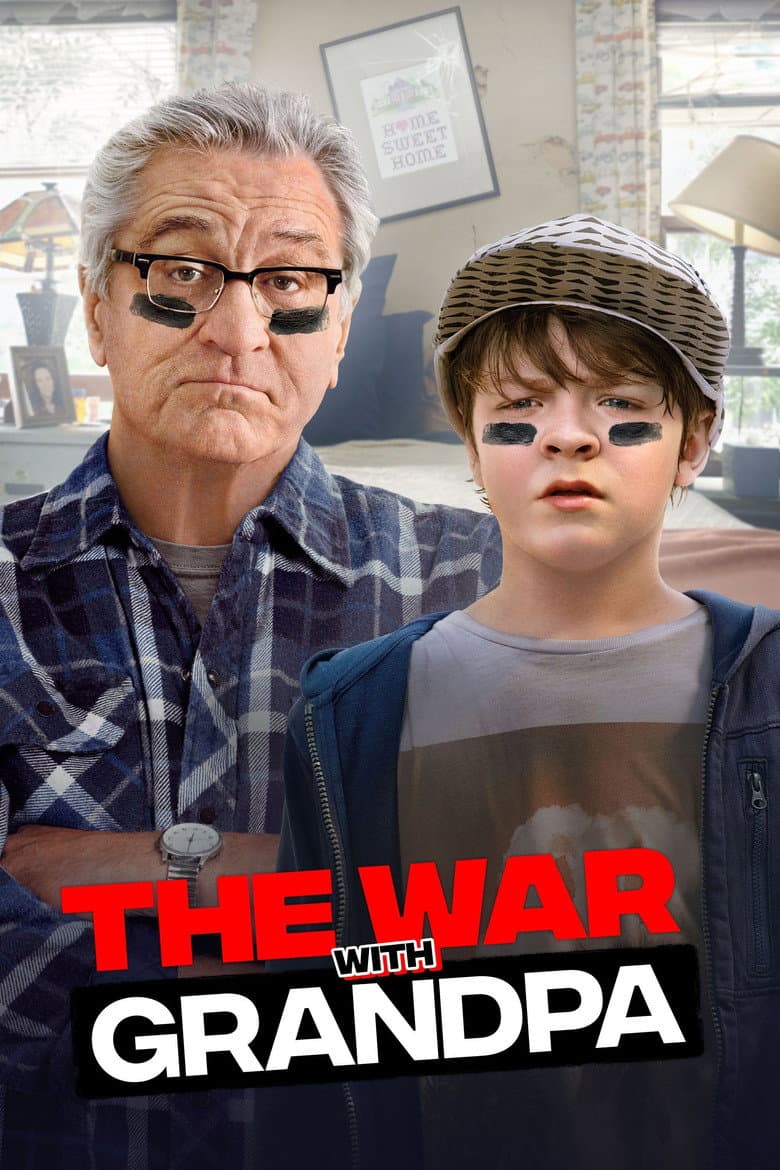
Peter is thrilled that his Grandpa is coming to live with his family. That is, until Grandpa moves into Peter's room, forcing him upstairs into the creepy attic.
Movie · 2022
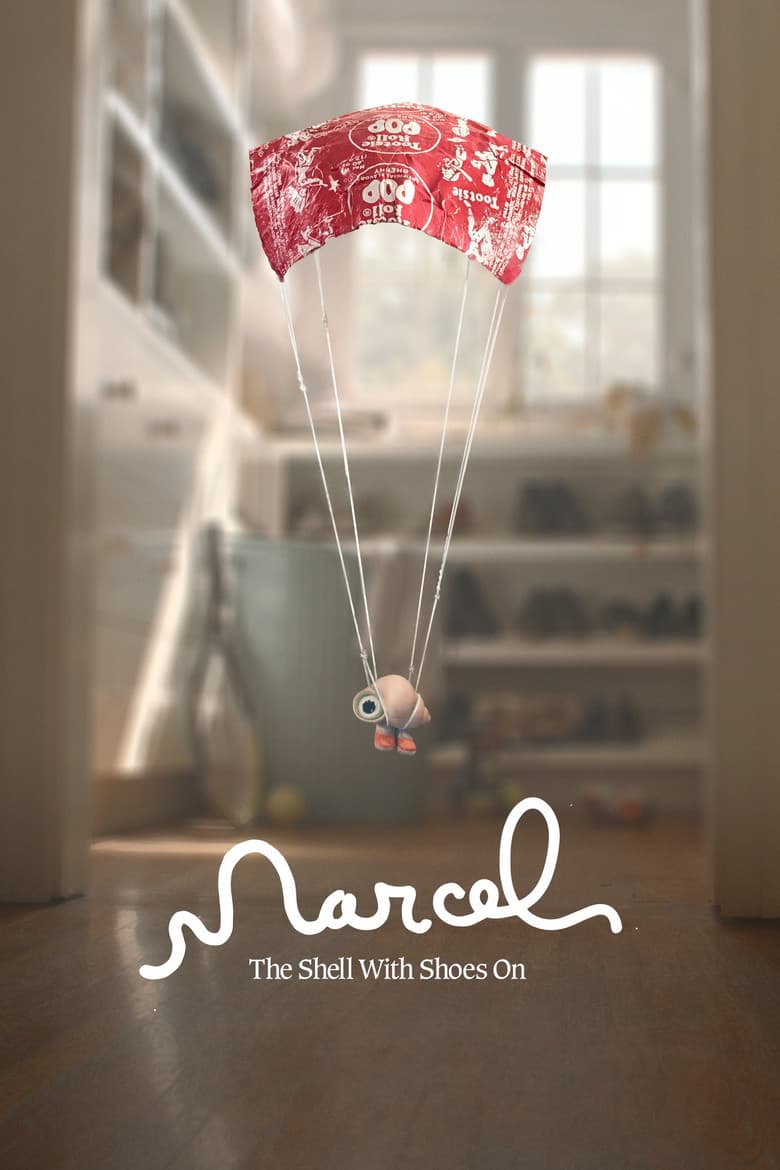
Marcel is an adorable one-inch-tall shell who ekes out a colorful existence with his grandmother Connie and their pet lint, Alan.
Movie · 2018
Taking place during the events of Incredibles 2, Edna Mode babysits Jack-Jack.
Movie · 2022
While hanging out after school, Charlie and his friends discover the headquarters of the world’s most powerful superhero hidden beneath his home.
Movie · 2019
John Mulaney and his kid pals tackle existential topics for all ages with catchy songs, comedy sketches and special guests in a nostalgic variety special.
