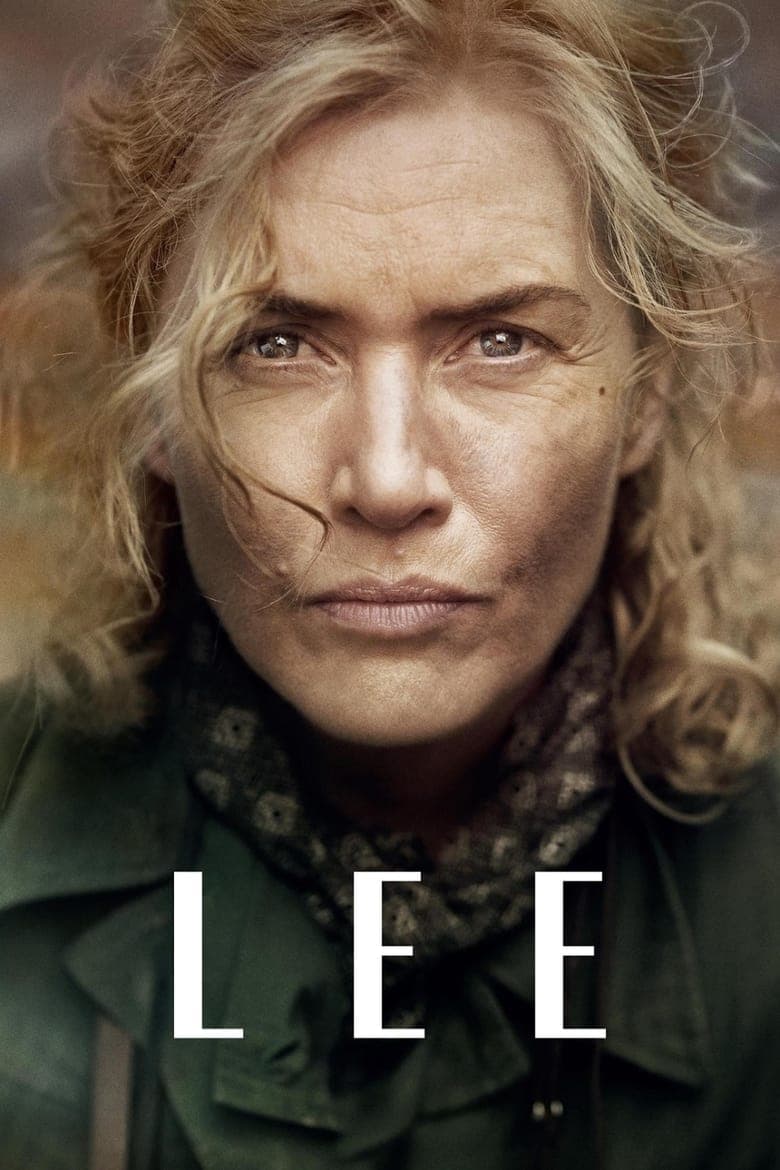
Lee follows Elizabeth “Lee” Miller, a former fashion model who becomes a photographer and then a war correspondent for Vogue. The story moves from a free, artistic life in France and London to the battlefields and ruined cities of World War II. Lee wants to show what war does to ordinary people, but military rules and male editors try to keep her away from the front. The film is serious and often harsh, yet it also shows friendship, love, dark humor, and the cost of living with what she has seen.
The film gives strong attention to women’s freedom, work, and control over their bodies. Lee argues that men should not decide what women can do, and she fights rules that keep women out of war briefings and combat areas. The story also shows sexual violence against women, a past assault that shapes Lee, and nude scenes presented as choices made by the women rather than for male viewers. These ideas are important to the main conflict, but the film remains a war biography about photography, trauma, and truth instead of a broad modern political debate.
Community feedback
Was our 50% Woke rating accurate?
Breakdown
These are the editorial factors and ratings behind our score for Lee.
Woke representation / casting
The main cast matches the real people and the period. The film also gives the small role of Major Jonesy to a black officer who appears to command white troops in wartime France. That visible choice does not fit the Army’s segregated structure at the time, but the role is brief and is not sold as a diversity message.
18%
Woke political dialogue
Lee asks why men should decide what women can do and why women cannot go to the front line. Military officers and editors repeat that women do not belong in combat work or press briefings. Lee also speaks openly about men judging her sex life, and she tells a rescued woman to fight back after a male attack. These lines make gender conflict clear, but the film keeps it inside the historical story.
35%
Identity-driven story themes
Lee’s main story follows a woman entering war reporting when the military treats it as men’s work. The film repeatedly praises her freedom, courage, and right to control her own body and work. It connects her past sexual abuse and wartime trauma to the way she sees suffering. The story makes female strength and breaking gender barriers a major part of the hero’s journey, even while showing her drinking, fear, and damage.
54%
Western institutional / cultural critique
The British military and media system keep Lee out of briefings and front-line work because she is a woman. The film treats these rules as unfair barriers and shows Audrey Withers helping Lee push against them. It also shows male soldiers dismissing women and punishing a French woman after the occupation. The criticism is repeated, but it stays tied to the period and does not become a broad attack on Western culture, religion, or capitalism.
34%
Woke character or canon changes
Not relevant. The film is a biopic based on Antony Penrose’s book about his mother. It uses a made-up interview frame and shortens the timeline, but it does not recast Lee Miller or change her identity for an ideological message.
0%
Anti-woke backlash and complaints
Not present. The supplied X research found no anti-woke reaction. Web and audience comments mostly praised Winslet or criticized the film’s age casting, pacing, and structure, without calling it woke, DEI, or identity propaganda.
0%
Creator track record context
Kate Winslet has a public record of speaking against sexism, body shaming, sexual abuse, and Hollywood homophobia. She made this project a women-led production and used female-gaze language when discussing the nude scenes. Ellen Kuras has some justice and political documentary work, but her record is mainly craft-focused. The other cached writers and producers show low or limited activist signals.
34%
Production
Movie · 2016
WWII American Army Medic Desmond T. Doss, who served during the Battle of Okinawa, refuses to kill people and becomes the first Conscientious Objector in American history to…
Movie · 2023
The story of J. Robert Oppenheimer's role in the development of the atomic bomb during World War II.
Movie · 2025
Diagnosed with Tourette Syndrome at 15, John Davidson navigates his way against the odds through troubled teenage years and into adulthood, finding inspiration in the kindness of…
Movie · 2022
London, 1953. Mr. Williams, a veteran civil servant, is an important cog within the city's bureaucracy as it struggles to rebuild in the aftermath of World War II.
Movie · 2023
American ballet dancer Joy Womack is accepted into Moscow's infamously tough Bolshoi Ballet Academy, with the dream of becoming a great ballerina.
Movie · 2020
A man refuses all assistance from his daughter as he ages and, as he tries to make sense of his changing circumstances, he begins to doubt his loved ones, his own mind and even…
Movie · 2022
Based on a true tragedy, the emotionally triggering film sheds light on the plight of Kashmiri Pandits (Hindus), a religious minority in the 1990s Kashmir valley, who were…
Movie · 2022
A quiet, neglected girl is sent away from her dysfunctional family to live with relatives for the summer. She blossoms in their care, but in this house where there are meant to be…
