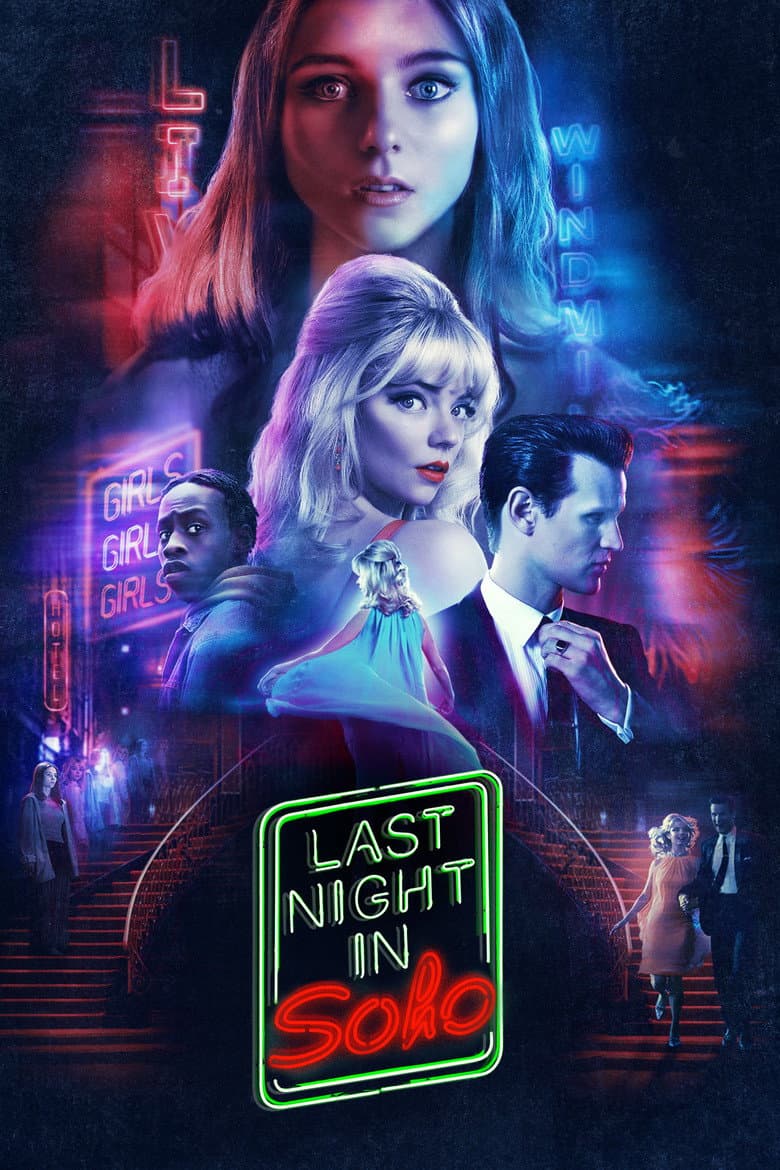
This movie follows Eloise, a young fashion student who moves to London and begins having dreams about a 1960s singer named Sandie. Soon, her dreams turn into a terrifying nightmare as she uncovers a dark mystery from the past. The movie has a very strong focus on modern feminist ideas, showing how women are hurt by bad men. It uses highly visible themes of female trauma, sexual abuse, and toxic masculinity to tell its story.
Community feedback
Was our 59% Woke rating accurate?
Breakdown
These are the editorial factors and ratings behind our score for Last Night in Soho.
Woke representation / casting
The film features a diverse modern London setting. The primary love interest, John, is a black student played by Michael Ajao. He is depicted as an incredibly patient, kind, and supportive partner. While this fits the diverse city setting, some viewers felt his saintly portrayal serves as an idealized contrast to the many predatory and toxic white men in the film.
30%
Woke political dialogue
There are no heavy political speeches or activist lectures in the movie. The dialogue includes some realistic remarks about the dangers women face when walking alone or dealing with creepy men. These lines fit the horror mystery plot and are not presented as preachy political statements.
Production
10%
Identity-driven story themes
The core plot is highly identity-driven. The movie is a cautionary tale about systemic misogyny, sexual exploitation, and female trauma. It uses a supernatural mystery to show how young women are abused and controlled by predatory men, directly addressing modern feminist themes.
55%
Western institutional / cultural critique
The film heavily critiques toxic masculinity and male entitlement. Almost every male character from the 1960s is shown as predatory or abusive, and even some modern men are depicted as threats. This serves to critique traditional social setups and the romanticized view of the past, showing them as deeply flawed.
50%
Woke character or canon changes
This is an original movie with no pre-existing source material, so there are no changes to established characters or canon.
0%
Anti-woke backlash and complaints
Some viewers and online reviewers complained that the film is heavy-handed with its feminist themes. They argued that it pushes an anti-male message by making almost all the white men creepy, abusive, or evil. Some also felt the contrast with the perfect, saintly black character was a forced choice to fit modern identity politics.
40%
Creator track record context
The key creative team has a low-to-moderate woke track record. Writer Edgar Wright has a score of 36, having expressed mild liberal leanings but prioritizing entertainment. Director Jeremy Lovering has a score of 17, and co-writer Krysty Wilson-Cairns has a score of 14, both having very little history with activist causes. Producers and casting directors also lean low-to-moderate.
26%
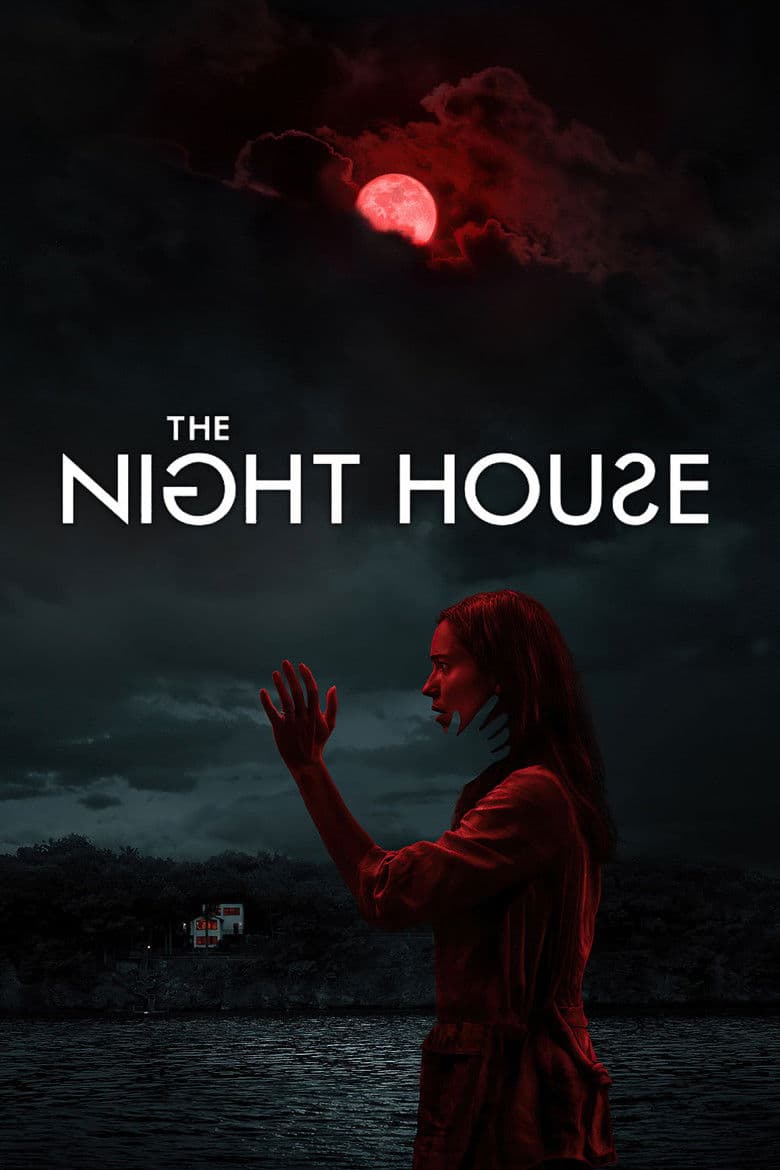
Movie · 2021
Reeling from the unexpected death of her husband, Beth is left alone in the lakeside home he built for her. Soon she begins to uncover her recently deceased husband's disturbing…
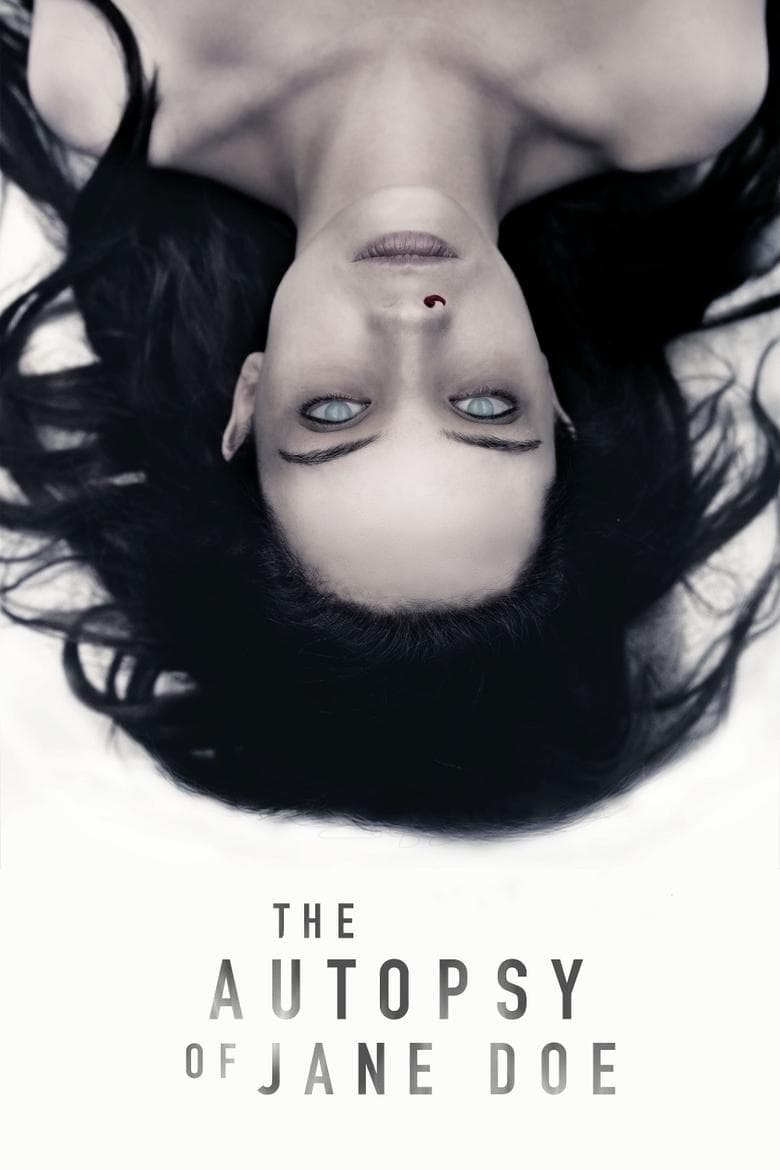
Movie · 2016
Father and son coroners receive a mysterious unidentified corpse with no apparent cause of death. As they attempt to examine the "Jane Doe," they discover increasingly bizarre…
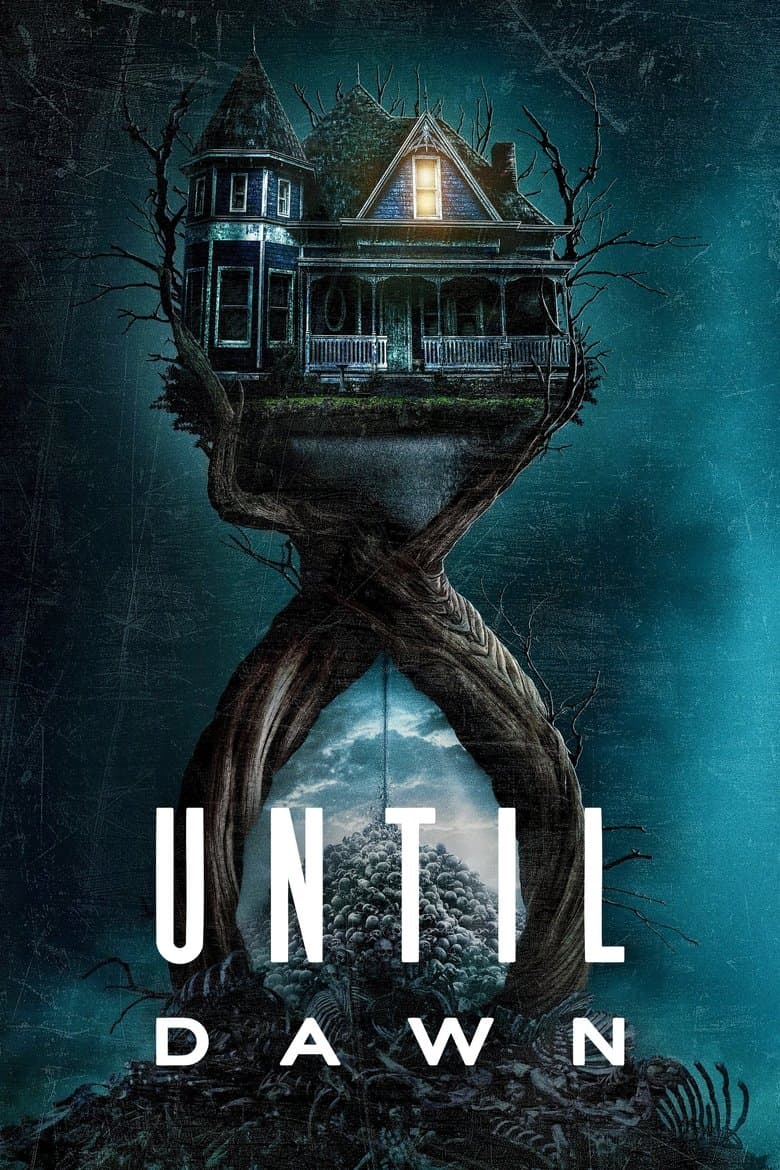
Movie · 2025
One year after her sister Melanie mysteriously disappeared, Clover and her friends head into the remote valley where she vanished in search of answers.
Movie · 2022
While quarantining at her family's lake house during the pandemic, Parker and her best friend are threatened by an unexpected visitor.
Movie · 2026
The host of a popular paranormal podcast becomes haunted by terrifying recordings mysteriously sent her way.
Movie · 2020
On the trail of a missing girl, an ex-cop comes across a secretive group attempting to summon a terrifying supernatural entity.
Movie · 2019
When a 12-year-old boy goes missing at a local park, a detective investigates the case to help the boy's family find answers.
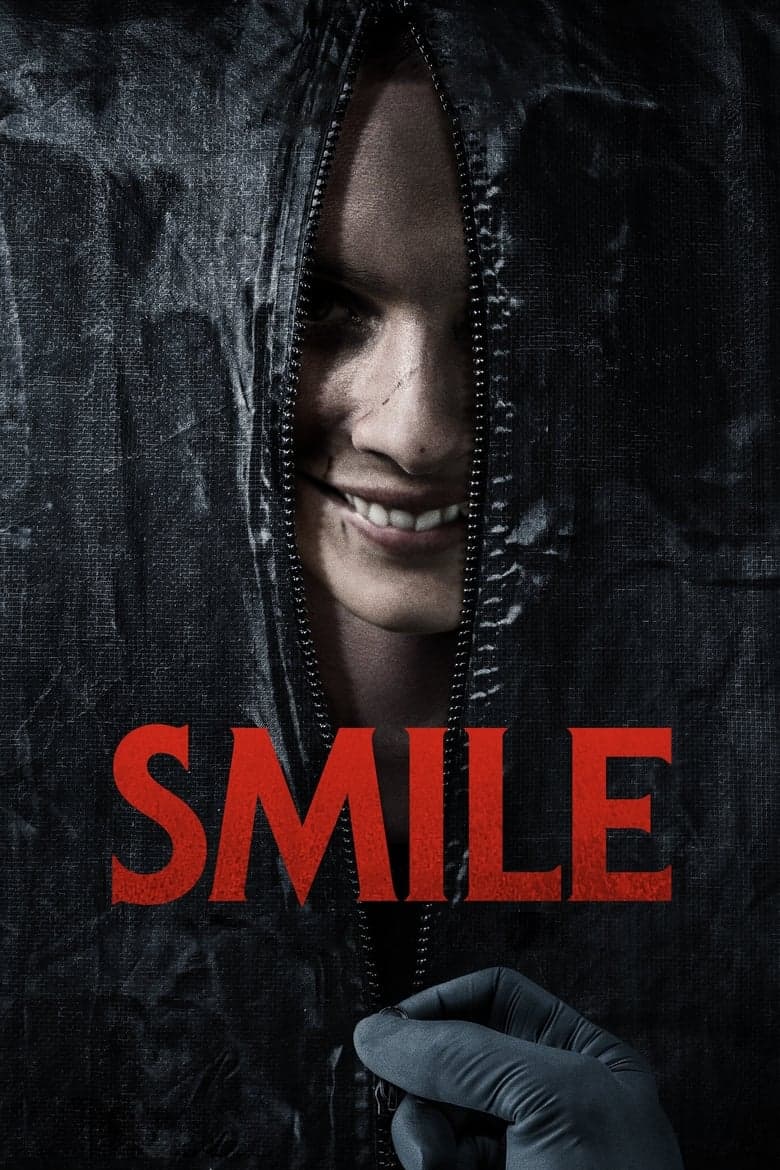
Movie · 2022
After witnessing a bizarre, traumatic incident involving a patient, Dr. Rose Cotter starts experiencing frightening occurrences that she can't explain.
