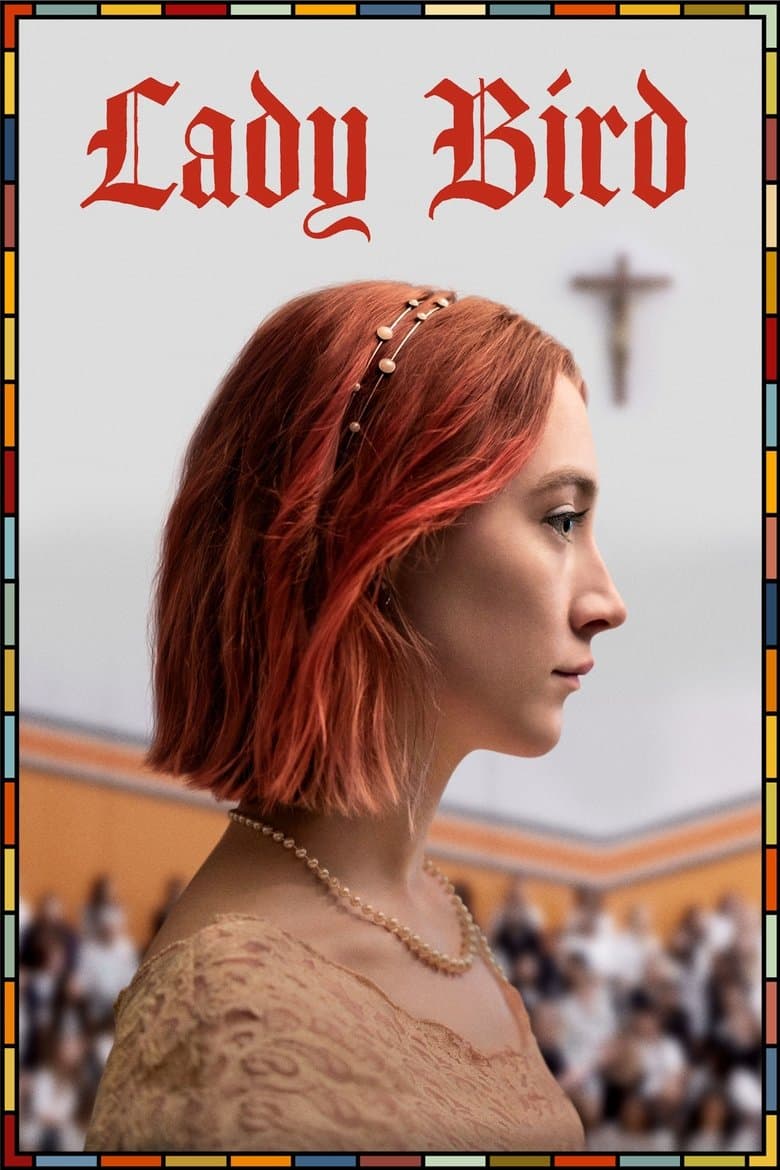
Christine McPherson is a strong-willed 17-year-old in Sacramento in 2002. She calls herself Lady Bird and dreams of leaving her Catholic school and family home for college on the East Coast. Her mother, Marion, fights with her over money, school, clothes, and the need to grow up. Lady Bird also moves through theater, friendship, romance, and a family crisis after her father loses his job. The tone is funny, sharp, and tender.
The film gives a young woman’s search for a name, a future, and a life of her own most of the attention. Lady Bird’s friendship with Julie becomes more important than her short romances, and one boyfriend comes out as gay before she comforts him. A school assembly supports the pro-life view of abortion, but Lady Bird argues that abortion is not automatically morally wrong and is suspended. These identity and political moments are clear, but the story mainly stays with family love, class pressure, faith, friendship, and growing up.
Community feedback
Was our 35% Woke rating accurate?
Breakdown
These are the editorial factors and ratings behind our score for Lady Bird.
Woke representation / casting
Most of the main cast is white, which fits the story’s 2002 Sacramento setting and Catholic school. The film includes Danny, a supporting boyfriend who comes out as gay. That visible LGBTQ+ role adds a small representation element, but the film does not sell its casting as a diversity campaign.
15%
Woke political dialogue
The film shows a Catholic school assembly led by an anti-abortion speaker. Lady Bird says that abortion is not automatically morally wrong and mocks the event in front of the students. The scene gives a clear pro-choice response, but it lasts only a short time and does not turn the movie into a political debate.
18%
Identity-driven story themes
The film follows a teenage girl who rejects her given name and chooses Lady Bird while searching for independence. Her wish to leave Sacramento and build a life of her own drives much of the story. The film gives the mother-daughter bond and female friendship more weight than romance. Danny’s fear of coming out adds a smaller LGBTQ+ identity story.
34%
Western institutional / cultural critique
The film makes a Catholic school’s anti-abortion assembly look silly and lets Lady Bird challenge its message. Lady Bird also calls Sacramento soul-killing and pushes against her family’s limits, but the story does not attack capitalism, patriarchy, or Christianity as broad systems. The nuns and priest are often kind and helpful, and Christine later enters a church and sings with the people there. The critique is brief and mixed rather than a main story line.
15%
Woke character or canon changes
Not present in this title.
0%
Anti-woke backlash and complaints
A Christian review called the film liberal and said it mocks Catholicism, the pro-life movement, and conservative values. The review focused on Lady Bird’s abortion comments and the way the school assembly is shown. Mainstream coverage and online discussion were mostly positive, so the anti-woke backlash appears limited and not a major campaign.
10%
Creator track record context
Greta Gerwig’s provided creator score is 42/100. Her interviews frame the film around a young woman’s search for who she is, a mother-daughter bond, and a life that is not decided by romance. That focus matches the film’s female-centered story, so her broader feminist track record adds moderate context. The evidence does not show that she made the film as part of an activist campaign.
42%
Production
Movie · 2018
In 1990s Los Angeles, a 13-year-old spends his summer navigating between a troubled home life and a crew of new friends he meets at a skate shop.
Movie · 2023
Leo and Angela Russo live a simple life in Queens, surrounded by their overbearing Italian-American family. When their son finds success on his high school basketball team, Leo…
Movie · 2024
Pansy is a woman so full of rage that every interaction she has devolves into lashing out, whether at her utterly cowed husband and son, or random strangers who have the temerity…
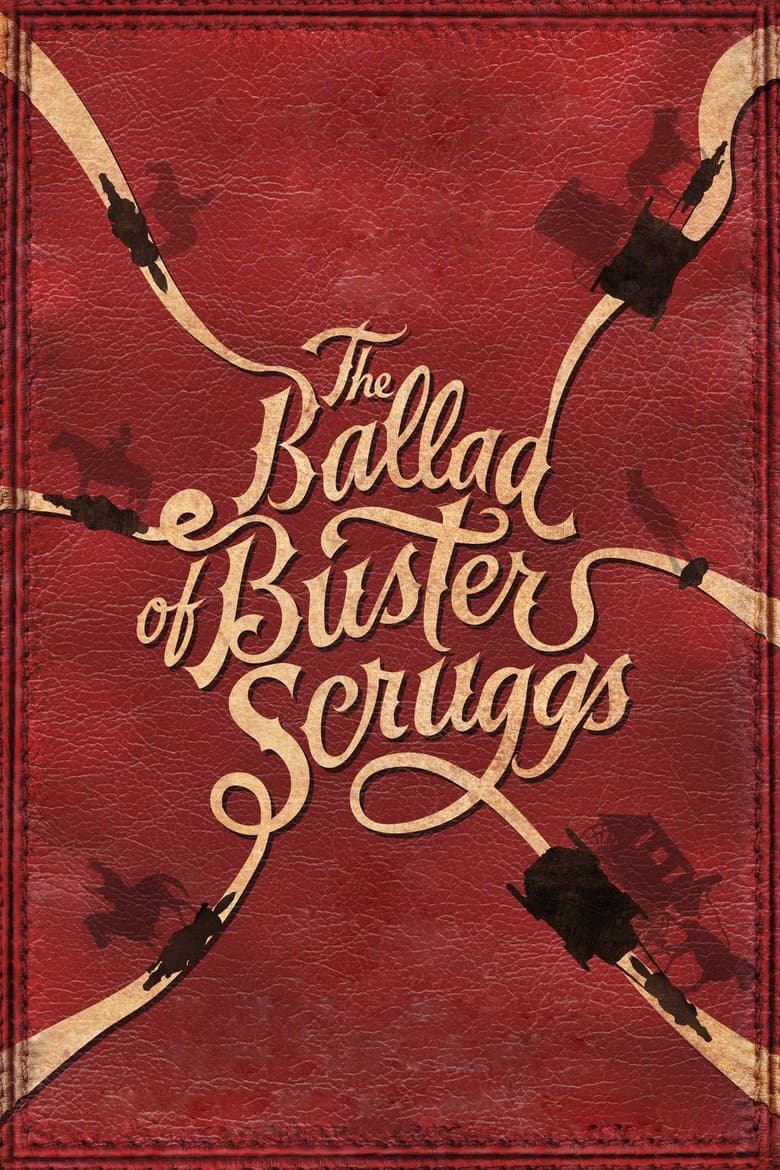
Movie · 2018
Vignettes weaving together the stories of six individuals in the old West at the end of the Civil War. Following the tales of a sharp-shooting songster, a wannabe bank robber, two…
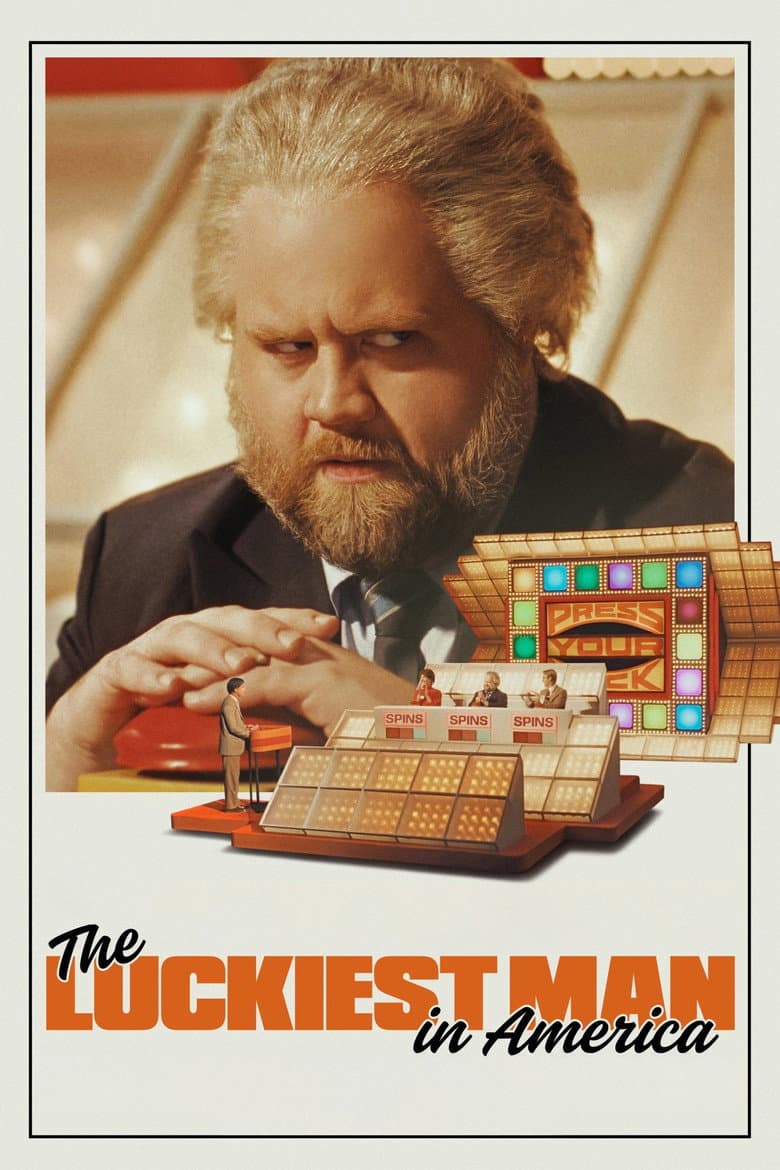
Movie · 2025
1984; Michael Larson, an unemployed ice-cream truck driver from Ohio, steps onto the game show "Press Your Luck" harboring a secret: the key to endless amounts of money.
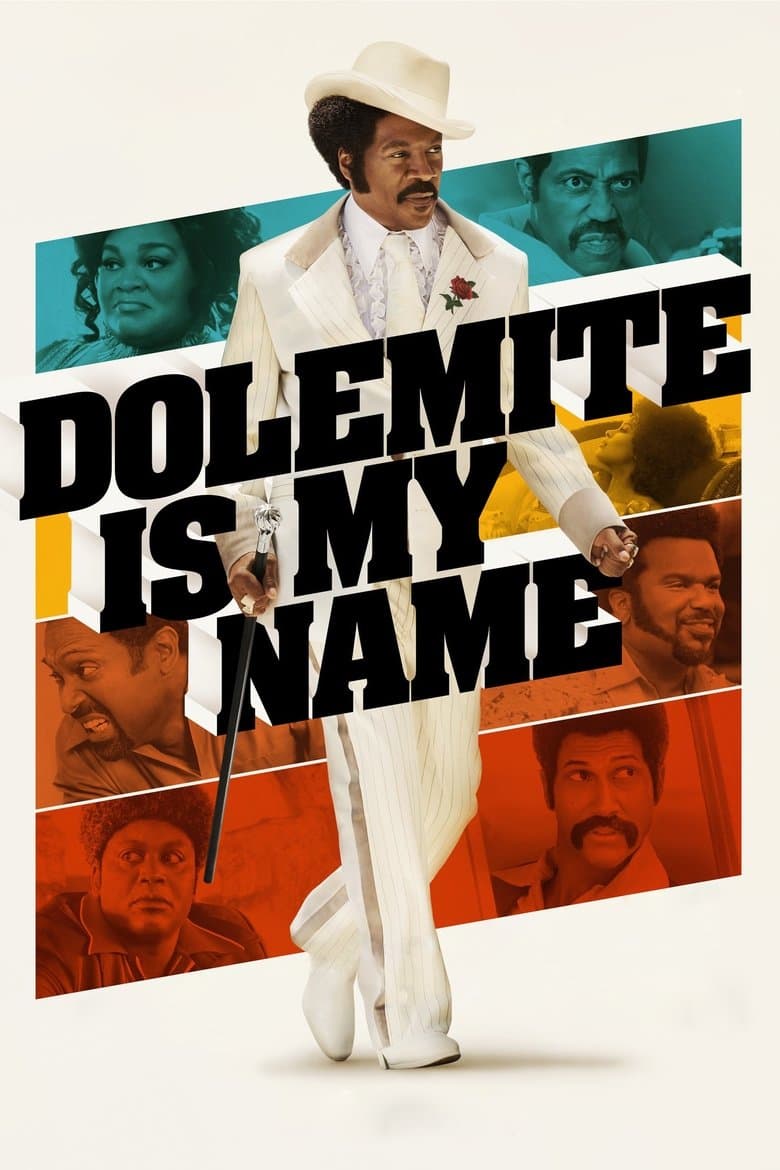
Movie · 2019
The story of Rudy Ray Moore, who created the iconic big screen pimp character Dolemite in the 1970s.
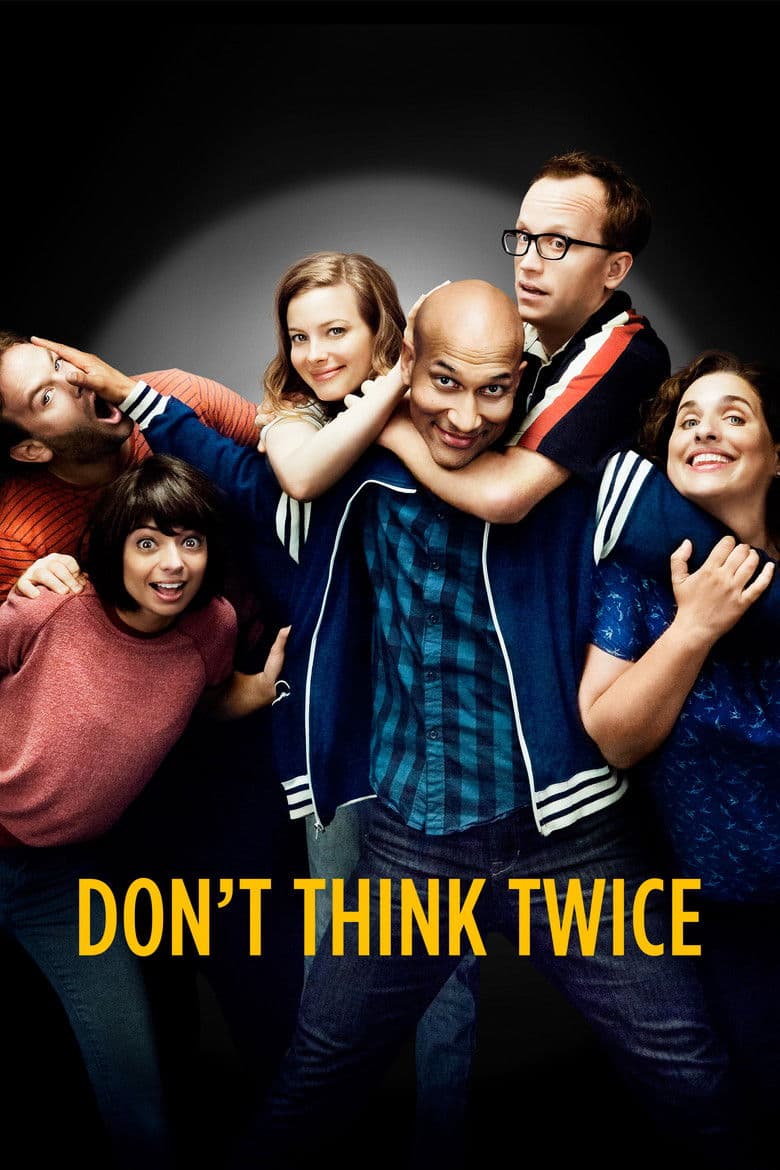
Movie · 2016
An improv group deals with several crises, including the loss of their lease and one member hitting the big time.

Movie · 2022
Two lifelong friends find themselves at an impasse when one abruptly ends their relationship, with alarming consequences for both of them.
