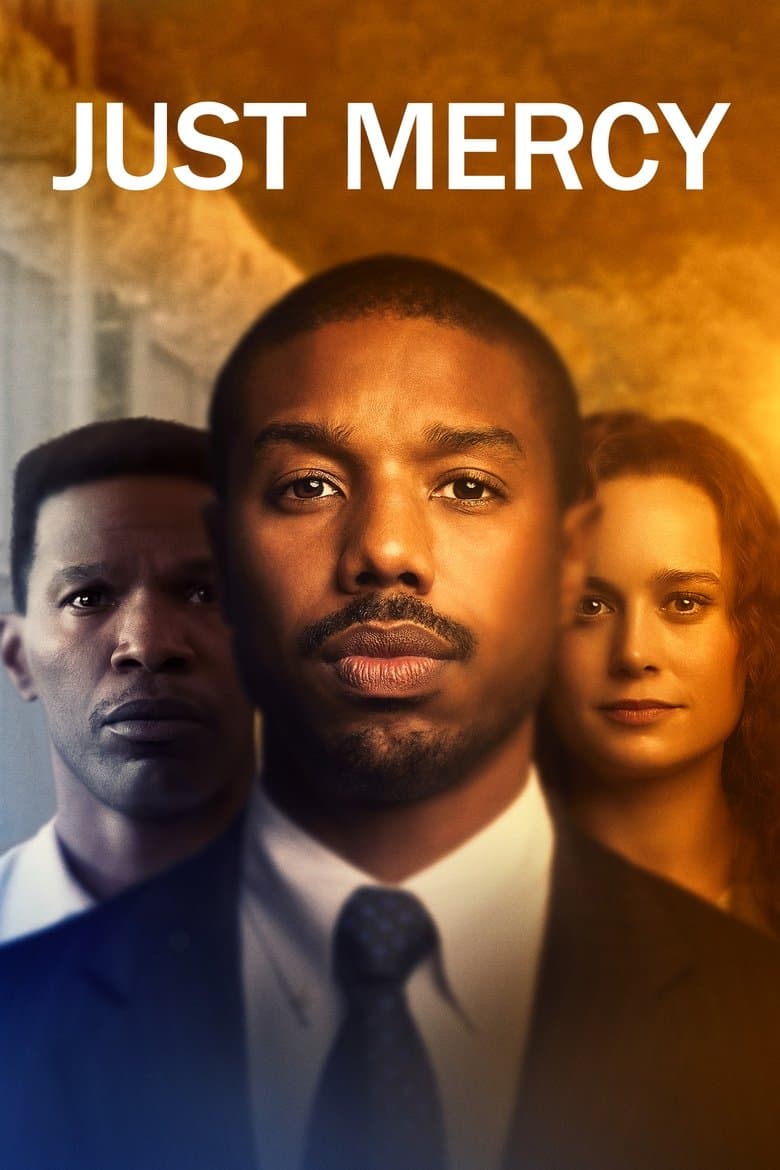
Harvard-trained lawyer Bryan Stevenson moves to Alabama to defend poor clients on death row. He works to free Walter McMillian, a black man found guilty of killing a white teenager. The case rests on thin evidence shaped by racial pressure. The film is a true-story legal drama drawn from Stevenson’s memoir. It centers on that exoneration and also notes other people he tried to help.
On screen, the plot keeps returning to racial bias, unfair courts, forced testimony, and police threats. The story treats Alabama justice as still carrying harm from slavery and Jim Crow into modern courts. Poverty and race stack the odds against Black defendants. Reviewers and marketing present McMillian’s case as a symbol of institutional racism and mass incarceration. After George Floyd, the studio free-streamed the film to teach the public about systemic racism, and press also covered a major diversity hiring pledge on the production.
Community feedback
Was our 80% Woke rating accurate?
Breakdown
These are the editorial factors and ratings behind our score for Just Mercy.
Woke representation / casting
On-screen leads match the real people, with a black lawyer and defendant plus white allies and white local officials. This is not a race or gender swap cast. The main audience-visible diversity signal is production news about Michael B. Jordan’s inclusion rider. Press covered that hiring pledge as an industry statement for women, people of color, LGBTQ people, and disabled workers.
24%
Woke political dialogue
Court scenes and case talk keep naming racial bias and unequal justice for Black defendants. They also cover coerced testimony and police intimidation. Stevenson’s appeals and speeches use clear justice-reform language about innocence, the death penalty, and racial double standards. Racial insults and race-coded confrontations sit at the center of the plot.
64%
Identity-driven story themes
The whole story turns on racial injustice and a black man’s wrongful conviction for a white girl’s murder. Alabama’s justice system is shown as still carrying slavery’s legacy. Poverty and race stack the deck against the poor Black defendants. Reviews and marketing treat McMillian’s case as a symbol of institutional racism and mass incarceration, not as a plain legal thriller with race added on the side.
76%
Western institutional / cultural critique
The main target is U.S. Southern criminal justice, including sheriffs, prosecutors, judges, and death row. These systems are shown as racially corrupt and cold to poor Black defendants. The film frames that harm as a long line from slavery and Jim Crow into late twentieth-century courts. After release, Warner Bros. free-streamed the film to educate the public about systemic racism and paired it with Juneteenth and social-justice programming.
74%
Woke character or canon changes
Not relevant. Adaptation compresses Stevenson’s memoir without identity-driven race or gender rewrites of real historical figures.
0%
Anti-woke backlash and complaints
No large, lasting anti-woke campaign or major boycott wave showed up in mainstream coverage. Most right-leaning irritation tied more to the later free release framed around systemic racism than to the 2019 launch. Left-side claims that the film was too soft or too easy on white audiences were set aside for this factor.
10%
Creator track record context
Stevenson built Equal Justice Initiative around racial bias and mass incarceration. Jordan has BLM-aligned advocacy and pushed inclusion riders. Cretton and Lanham score milder, and other producers score lower. Casting work sits mid for diversity-first choices. The overall score is pulled up by Stevenson and Jordan rather than by a full activist crew.
52%
Production
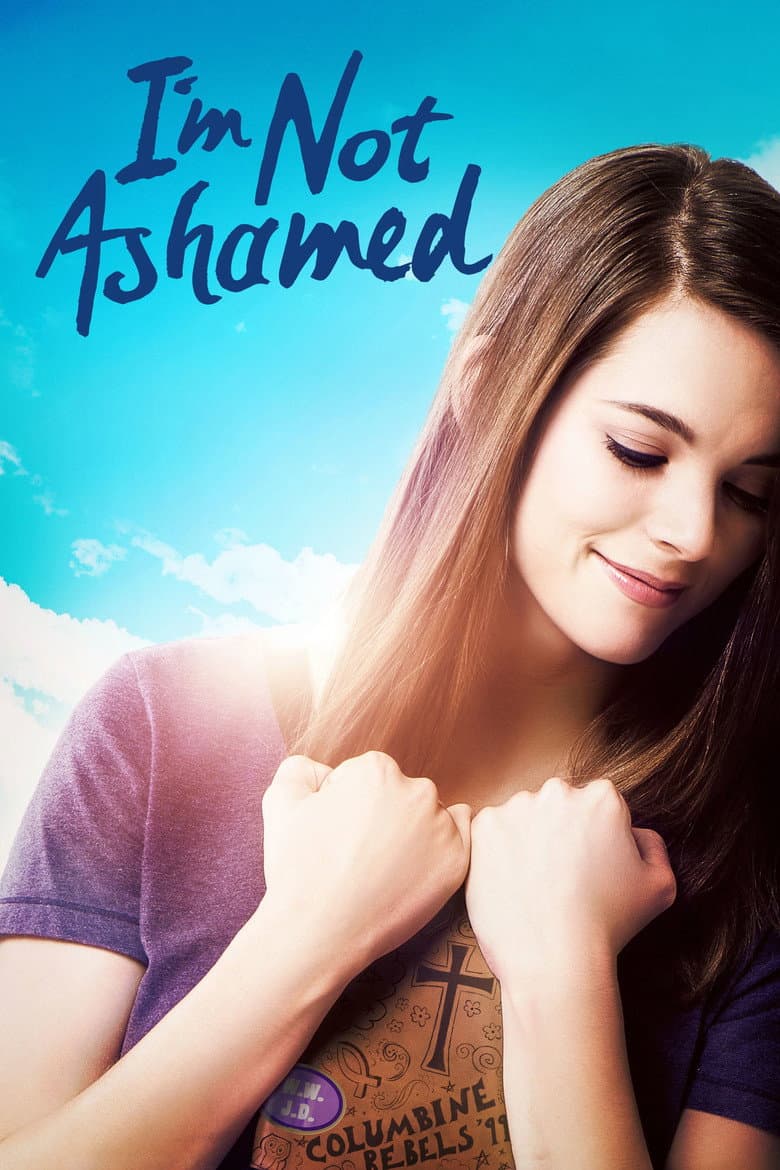
Movie · 2016
Based on the journal entries of Rachel Joy Scott, the first student killed in the Columbine High School shooting in 1999.
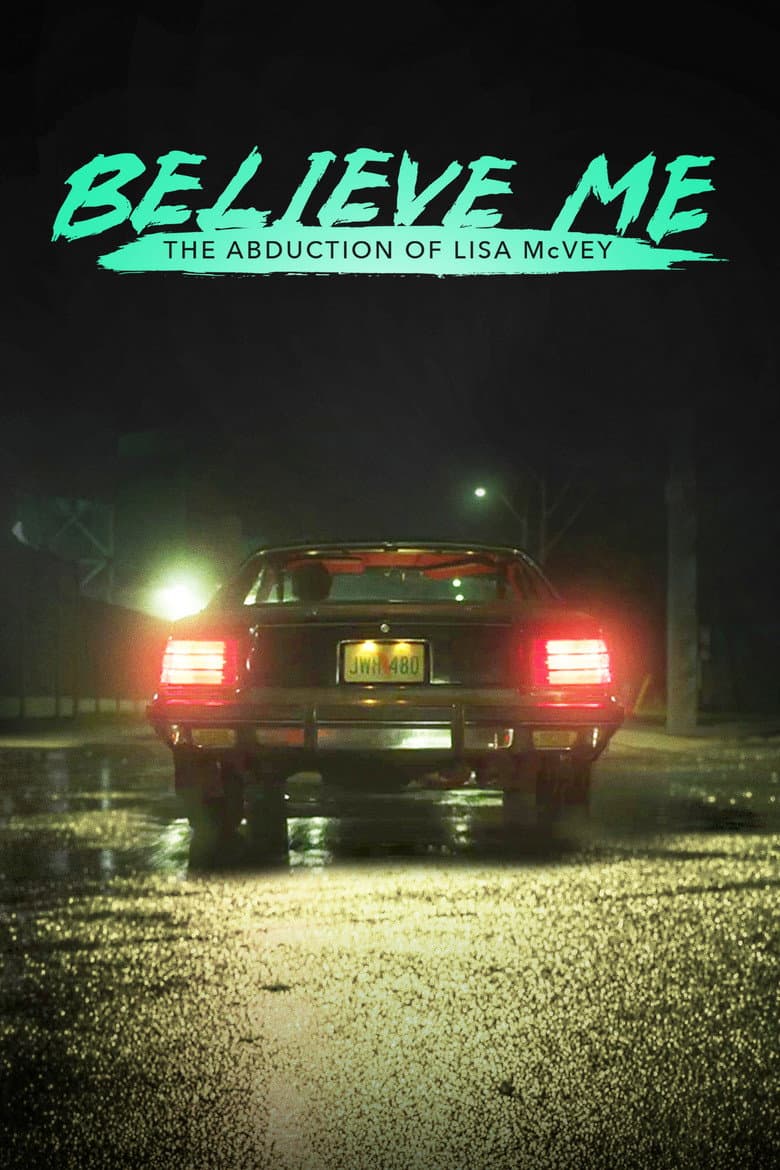
Movie · 2018
On the night she plans on taking her own life, 17-year-old 'Lisa McVey' is kidnapped and finds herself fighting to stay alive and is raped.
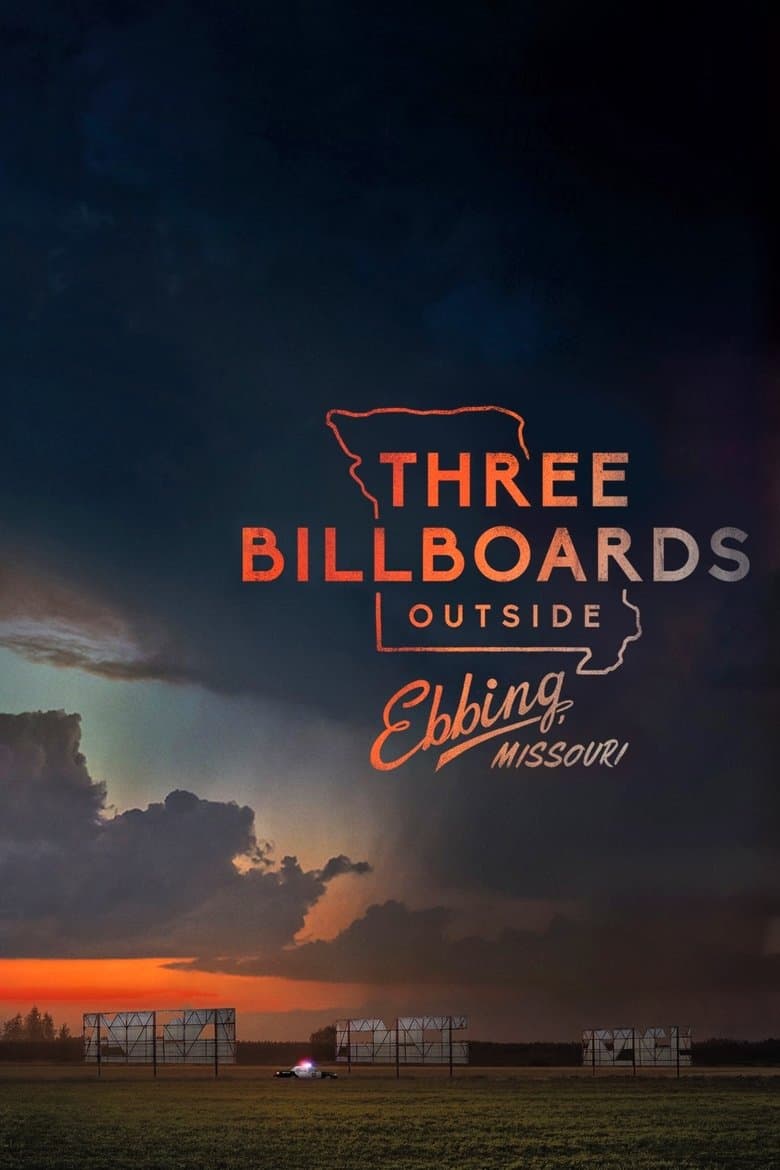
Movie · 2017
After seven months have passed without a culprit in her daughter's murder case, Mildred Hayes makes a bold move, painting three signs leading into her town with a controversial…
Movie · 2018
Earl Stone, a man in his eighties, is broke, alone, and facing foreclosure of his business when he is offered a job that simply requires him to drive.
Movie · 2016
Nate Foster, a young, idealistic FBI agent, goes undercover to take down a radical white supremacy terrorist group.
Movie · 2017
Cairo, 2011. A police officer investigates the murder of a woman in a luxurious hotel in the days leading up to the Egyptian revolution.
Movie · 2019
A chronicle of the crimes of Ted Bundy, from the perspective of his longtime girlfriend, Elizabeth Kloepfer, who refused to believe the truth about him for years.
Movie · 2017
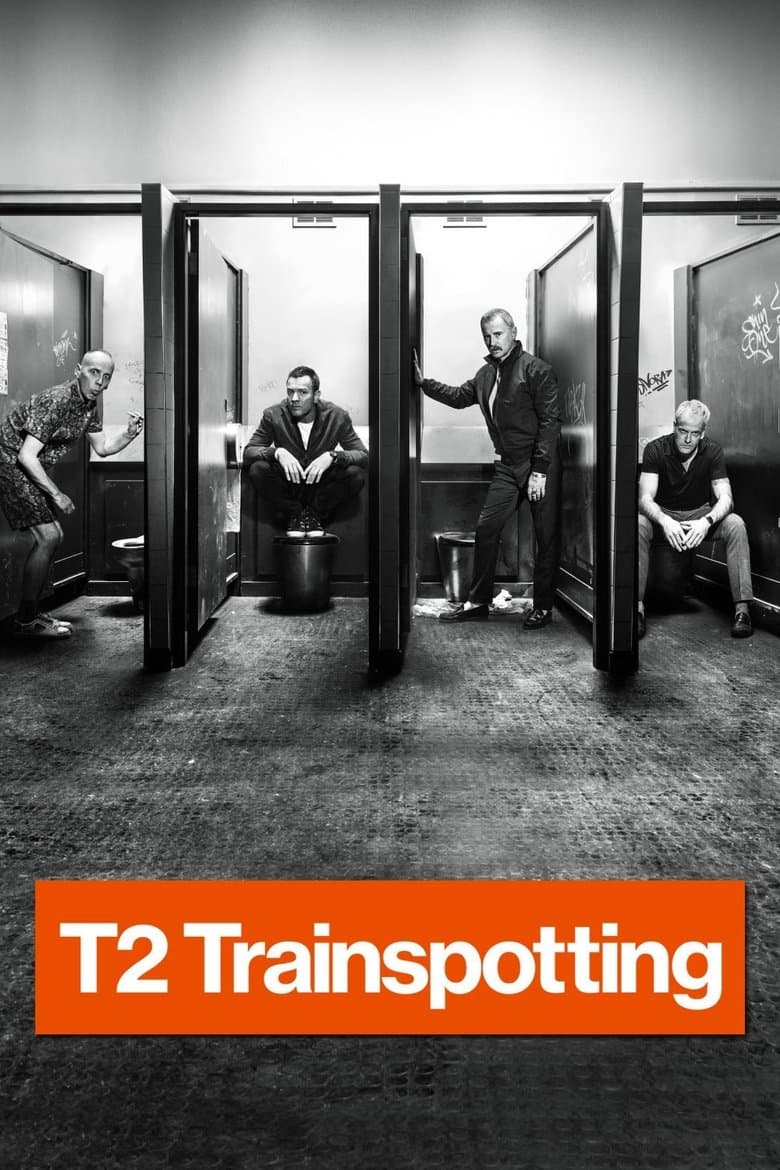
After 20 years abroad, Mark Renton returns to Scotland and reunites with his old friends Sick Boy, Spud and Begbie.
