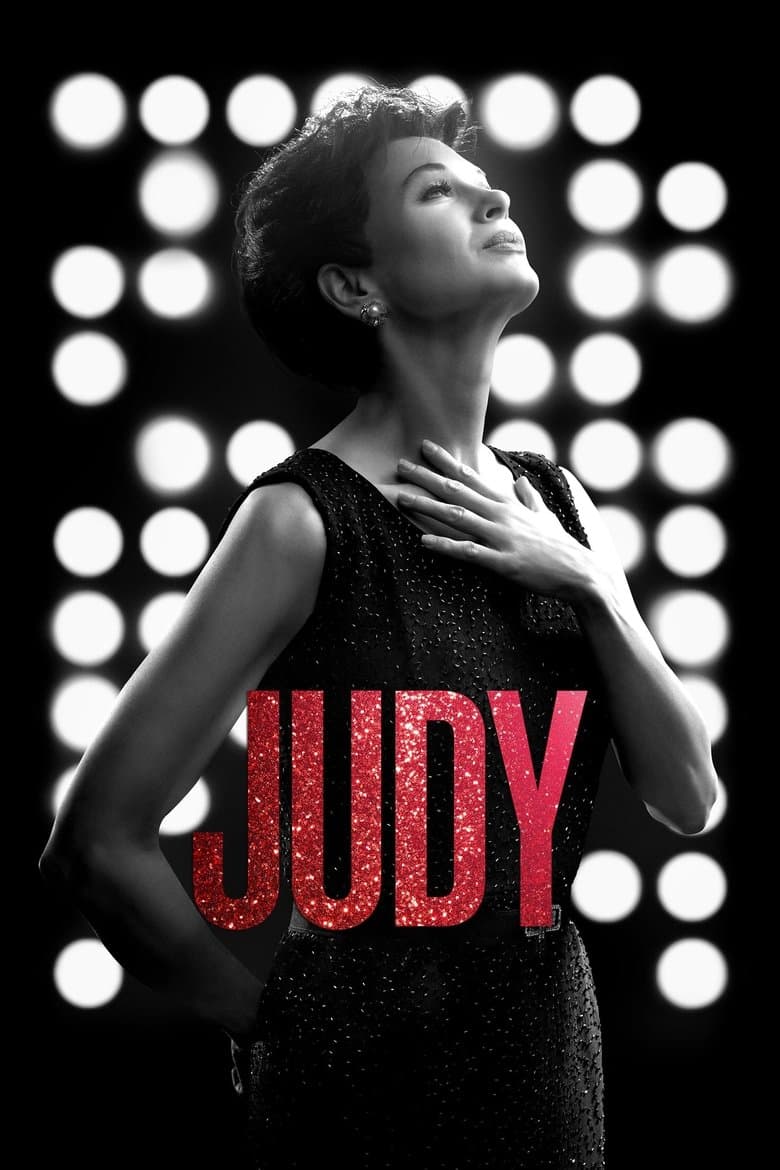
Judy follows Judy Garland during a five-week run of concerts in London in 1968. She needs money, a home, and a way to stay close to her children, but poor health, alcohol, drug use, debt, and an unstable career make each show harder. Flashbacks return to her childhood at MGM, where adults control her food, sleep, body, and work. The film has a sad, tense tone, but it also shows Judy's humor, skill, and love of performing.
The film gives clear attention to Judy's bond with two gay male fans, Stan and Dan. They tell her about jail and legal punishment for being together, and Judy comforts them before the audience later sings back to her. The film also casts black actor Royce Pierreson as the real bandleader Burt Rhodes, who was white, and presents Garland as a gay icon through this added story. The film blames the old Hollywood studio system for treating a young girl as a product. These ideas matter, but the main story remains Judy's failing health, family fight, and wish to return home.
Community feedback
Was our 40% Woke rating accurate?
Breakdown
These are the editorial factors and ratings behind our score for Judy.
Woke representation / casting
The film gives a visible role to two gay male fans in a key middle section. The film also casts black actor Royce Pierreson as Burt Rhodes, a real bandleader who was white. The film creates Stan and Dan to represent Garland's LGBTQ fan base. The rest of the main cast follows the real people and period, so the pattern is clear in moments but not across the whole cast.
30%
Woke political dialogue
Stan tells Judy that he spent six months in jail for obscenity because he was in a relationship with another man. The film presents the old law as unfair and links it to the couple's fear and pain. The exchange is tied to the 1960s setting and does not use modern political slogans. The dialogue appears in one main scene rather than across the movie.
24%
Identity-driven story themes
The film gives a meaningful side story to Garland's bond with two gay fans. The men connect their legal persecution to the comfort they find in her music, and Judy answers with warmth. The story presents Garland as a gay icon and links her loneliness with their need for acceptance. The main plot still follows her health, family, addiction, and career, so the identity theme stays secondary.
32%
Western institutional / cultural critique
The flashbacks repeatedly show MGM and Louis B. Mayer controlling young Judy's food, sleep, pills, body, and work. The film treats the studio as a powerful system that turns a child into a product and leaves lasting harm. The scenes also show male authority as threatening and cruel. The critique stays tied to old Hollywood history, with only a light link to modern abuse debates.
22%
Woke character or canon changes
The film invents Stan and Dan for a real person's story and gives them an identity-based purpose. The writers created the gay couple to represent Garland's LGBTQ audience. The film also casts a black actor as the real bandleader Burt Rhodes, who was white. These changes are visible, but they affect side characters rather than changing Garland's identity or the main plot.
22%
Anti-woke backlash and complaints
One Reddit viewer called the film's political-correctness lines and invented scenes a sermon. Other audience comments focused on the ending, pacing, acting, and historical accuracy. News coverage focused on Liza Minnelli's lack of approval and the fictional gay-fan scene. The anti-woke complaint was isolated, and no broad backlash against woke or DEI messaging was found.
10%
Creator track record context
Available profiles place Rupert Goold at a mild score and place Tom Edge and most producers and casting directors at low scores. Goold's earlier work studies power and politics, but it does not show a clear identity-politics pattern. Cameron McCracken has a higher cached score because he worked on Pride and Suffragette. The team therefore adds mild context, while the film's gay-icon focus comes mainly from this title's own choices.
24%
Production
Movie · 2026
While people across 1990s Iraq struggle to survive the war and food shortages, Saddam Hussein requires each school in the country to prepare a cake to celebrate his birthday.
Movie · 2022
A quiet, neglected girl is sent away from her dysfunctional family to live with relatives for the summer. She blossoms in their care, but in this house where there are meant to be…
Movie · 2016
On 15 January 2009, the world witnessed the 'Miracle on the Hudson' when Captain 'Sully' Sullenberger glided his disabled plane onto the Hudson River, saving the lives of all 155…
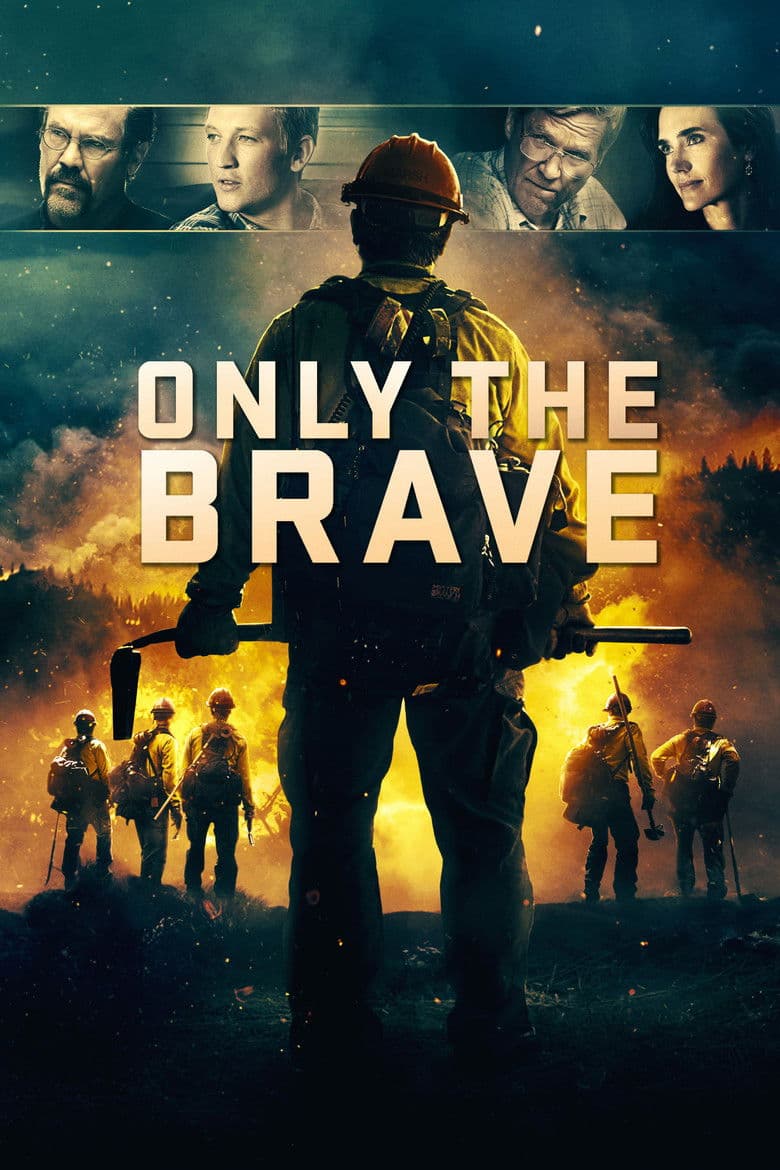
Movie · 2017
Members of the Granite Mountain Hotshots battle deadly wildfires to save an Arizona town.
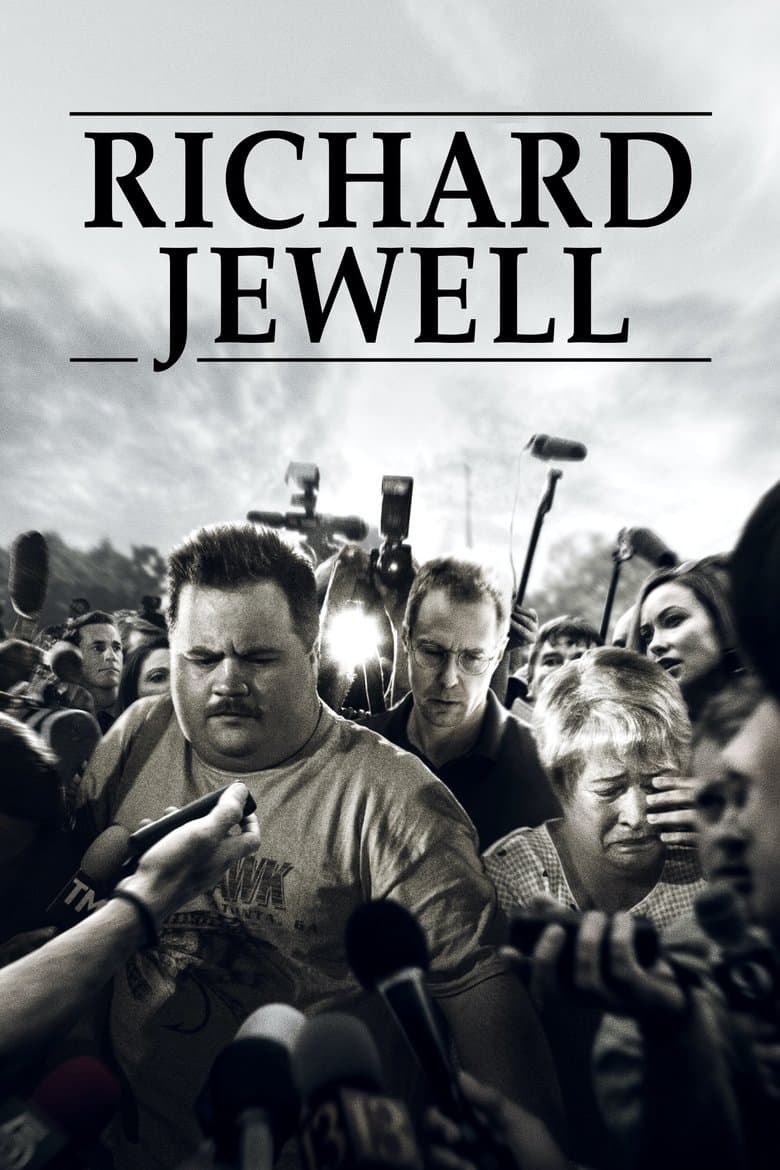
Movie · 2019
Richard Jewell thinks quick, works fast, and saves hundreds, perhaps thousands, of lives after a domestic terrorist plants several pipe bombs and they explode during a concert…
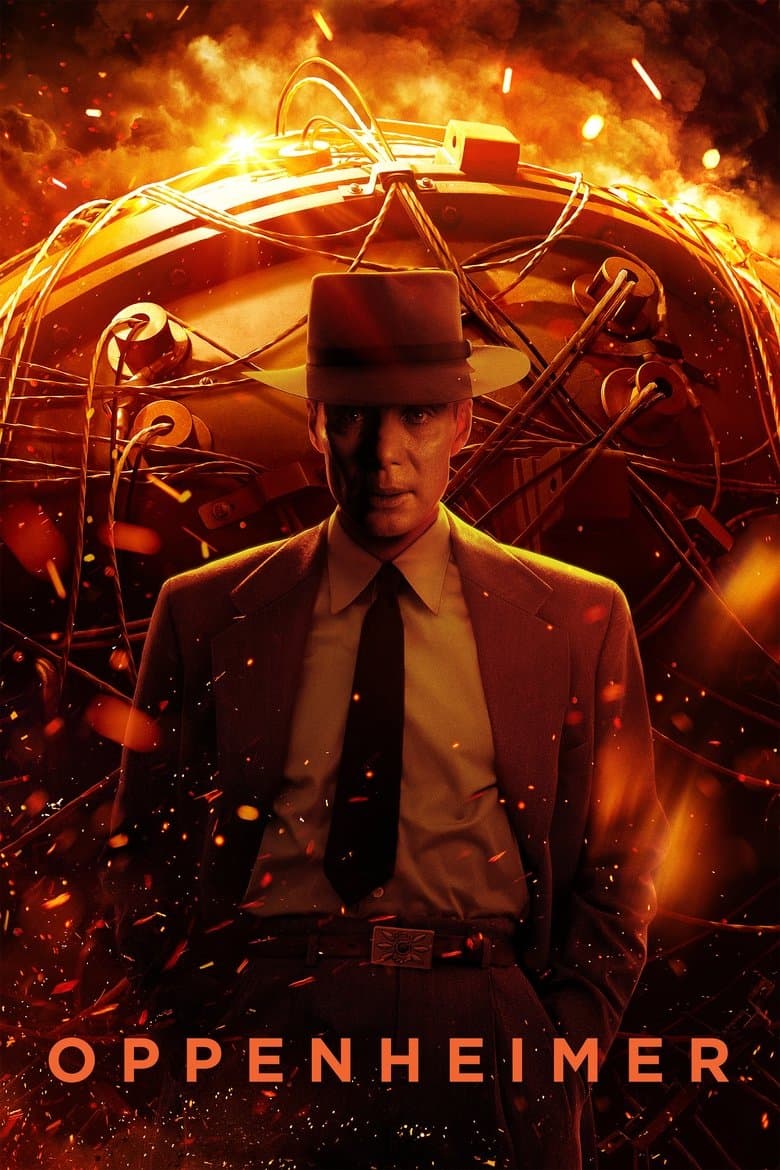
Movie · 2023
The story of J. Robert Oppenheimer's role in the development of the atomic bomb during World War II.
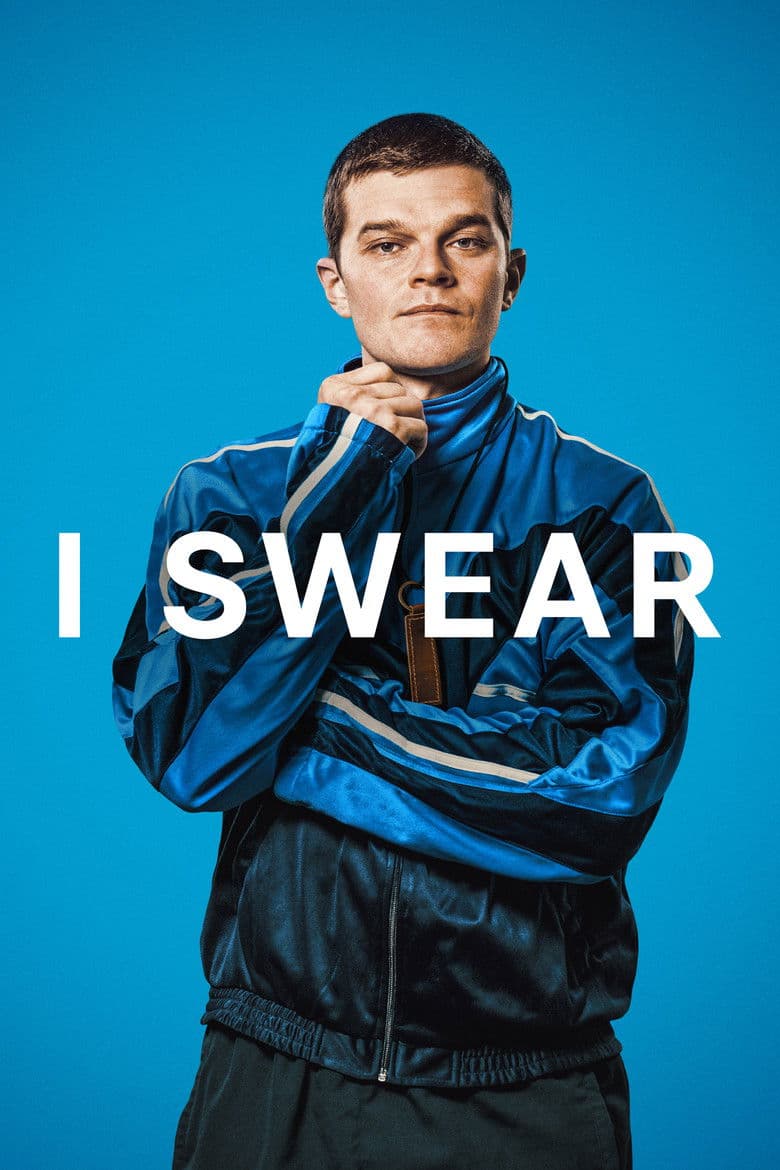
Movie · 2025
Diagnosed with Tourette Syndrome at 15, John Davidson navigates his way against the odds through troubled teenage years and into adulthood, finding inspiration in the kindness of…
Movie · 2025
A logger leads a life of quiet grace as he experiences love and loss during an era of monumental change in early 20th-century America.
