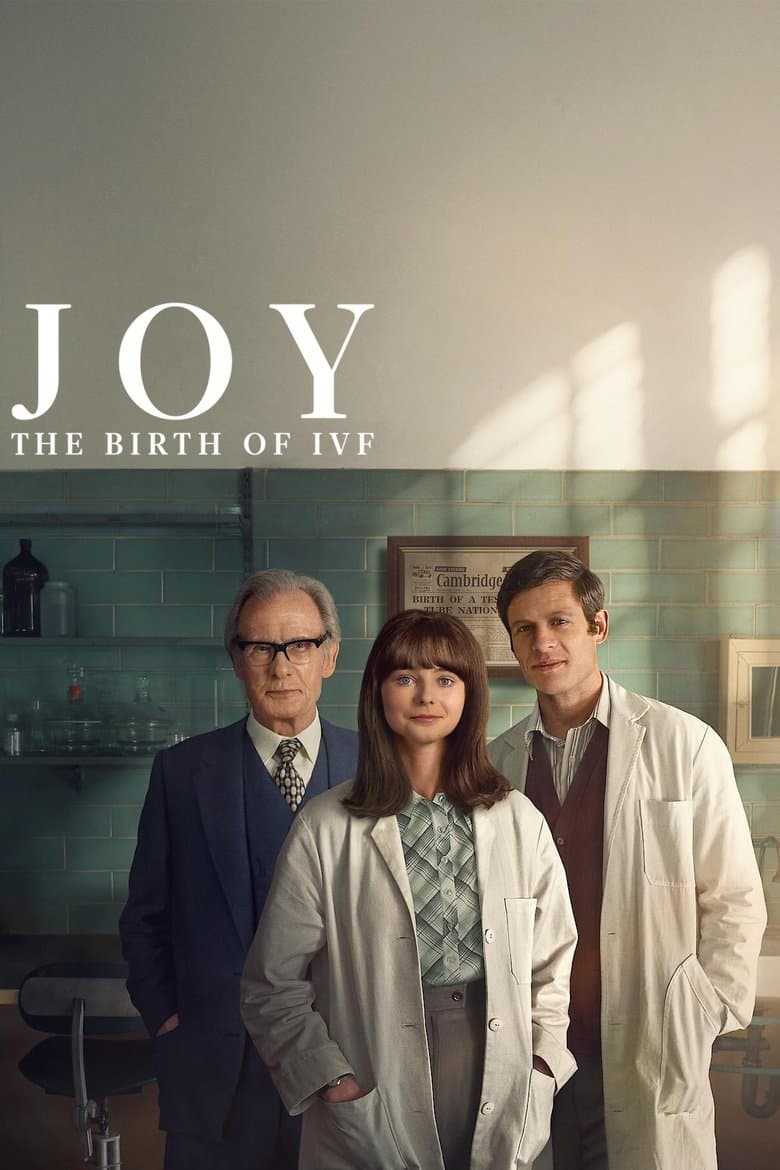
Joy follows Jean Purdy, a young nurse and embryologist who joins scientist Robert Edwards and surgeon Patrick Steptoe in Britain in the late 1960s. The three spend ten years trying to create the first baby from an egg fertilized outside the body. They face failed tests, angry newspapers, church leaders, medical experts, and Jean’s worried mother. The film has a warm, hopeful tone, but it also shows pain, loss, faith, and the heavy cost of infertility.
The clearest woke elements are the film’s focus on a woman whose work was overlooked and its repeated support for women’s control over pregnancy and family life. Jean’s infertility and endometriosis make her bond with the women in the study a central part of her story. A key scene says that women should have every choice, including the choice to end a pregnancy or seek help to have a child. The film also casts black actor Tanya Moodie as the real white British nurse Muriel Harris, which creates a visible identity change in an otherwise historical story. These ideas recur, but the film remains a period drama about IVF rather than a full modern activist story.
Community feedback
Was our 43% Woke rating accurate?
Breakdown
These are the editorial factors and ratings behind our score for Joy.
Woke representation / casting
The film casts black actor Tanya Moodie as Muriel Harris, a real white British nurse. Muriel is a recurring senior nurse who gives Jean a key speech about women having every choice. The change is easy to see in a story about real people in 1960s and 1970s Britain. The main trio matches the historical figures, so the casting issue is limited rather than the film’s whole casting design.
28%
Woke political dialogue
The film uses several direct exchanges about women having the right to choose whether to have a child, end a pregnancy, or use IVF. Edwards also says that everyone who wants a child deserves the chance to have one. Most other arguments concern period fears about playing God, church teaching, medical ethics, and research funding. The choice message is clear but remains tied to the film’s IVF story.
27%
Identity-driven story themes
Joy makes Jean’s overlooked work the emotional center of the IVF story. The film repeatedly shows women’s bodies, infertility, endometriosis, and the pressure to become mothers. Jean leaves her church after it rejects her work, and she returns to the lab while helping women who want children. The story supports bodily choice and gives a woman equal credit beside two famous men. These themes are important across the film, but they remain tied to Jean’s real history.
34%
Western institutional / cultural critique
The film repeatedly presents Jean’s church, her mother, newspapers, medical leaders, and public voices as obstacles to IVF. The story often treats their religious and moral fears as barriers to scientific progress. Jean’s church rejection and the medical establishment’s refusal to fund the work make this critique visible. The conflict is mostly a period account of real opposition, so the modern activist edge stays limited.
24%
Woke character or canon changes
The film changes the real Muriel Harris from a white British nurse to a black woman, making the identity change audience-visible. The film also gives Jean endometriosis and infertility as a major personal reason for her work, but reports say the real condition is uncertain. The reason for Muriel’s race change is not clearly stated, and the main events remain tied to the real IVF story.
18%
Anti-woke backlash and complaints
The Federalist argued that the film downplays the moral risks of IVF and turns religious and ethical doubt into opposition to scientific progress. A few small X accounts called the film woke nonsense or complained about the casting of Muriel. Those X posts had almost no engagement, and no boycott, review-bombing, or sustained campaign was found.
18%
Creator track record context
Jack Thorne has the strongest cached activist context through disability inclusion work and public discussion of transgender issues. Lucy Bevan has a moderate cached score for supporting more diverse, disabled, and gender-balanced casting. Cameron McCracken has a moderate score through projects with social and LGBTQ+ themes. Most other listed creators have low or no known activist scores, while Joy’s IVF focus mainly reflects the writers’ personal fertility experience.
30%
Production
Movie · 2022
London, 1953. Mr. Williams, a veteran civil servant, is an important cog within the city's bureaucracy as it struggles to rebuild in the aftermath of World War II.
Movie · 2025
A logger leads a life of quiet grace as he experiences love and loss during an era of monumental change in early 20th-century America.
Movie · 2026
While people across 1990s Iraq struggle to survive the war and food shortages, Saddam Hussein requires each school in the country to prepare a cake to celebrate his birthday.
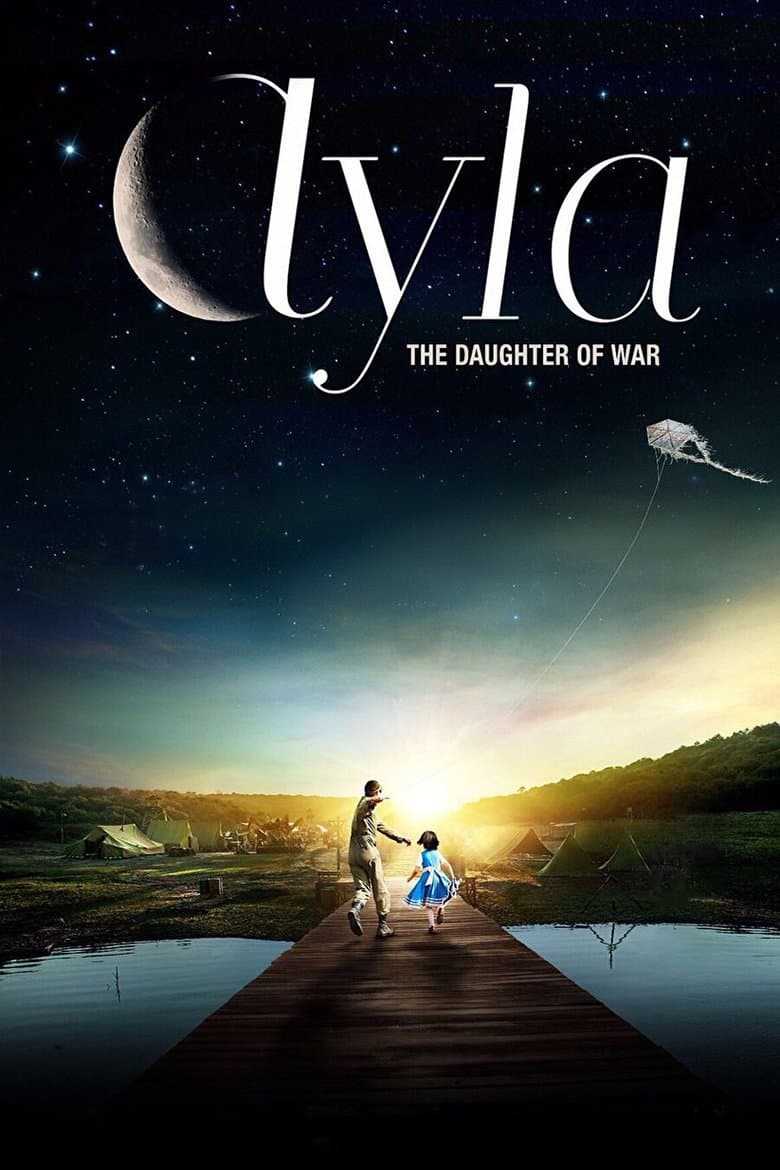
Movie · 2017
In 1950, amidst the ravages of the Korean War, Sergeant Süleyman stumbles upon a a half-frozen little girl, with no parents and no help in sight and he risks his own life to save…
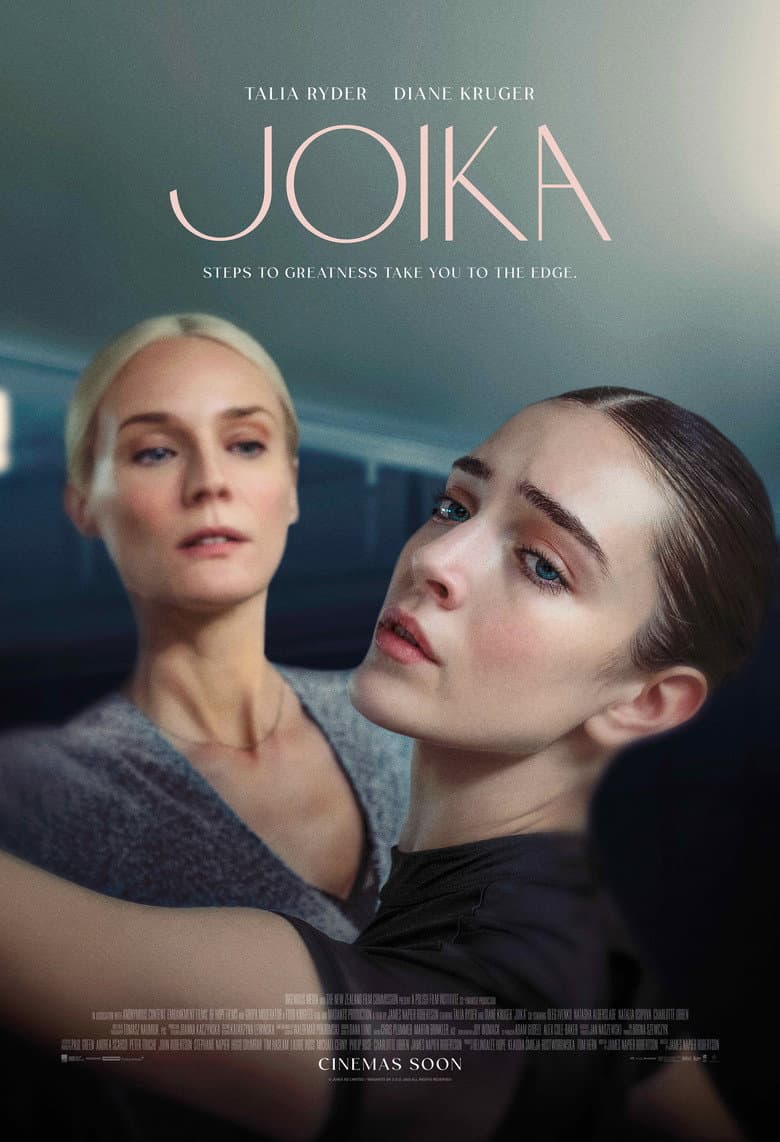
Movie · 2023
American ballet dancer Joy Womack is accepted into Moscow's infamously tough Bolshoi Ballet Academy, with the dream of becoming a great ballerina.

Movie · 2017
Members of the Granite Mountain Hotshots battle deadly wildfires to save an Arizona town.
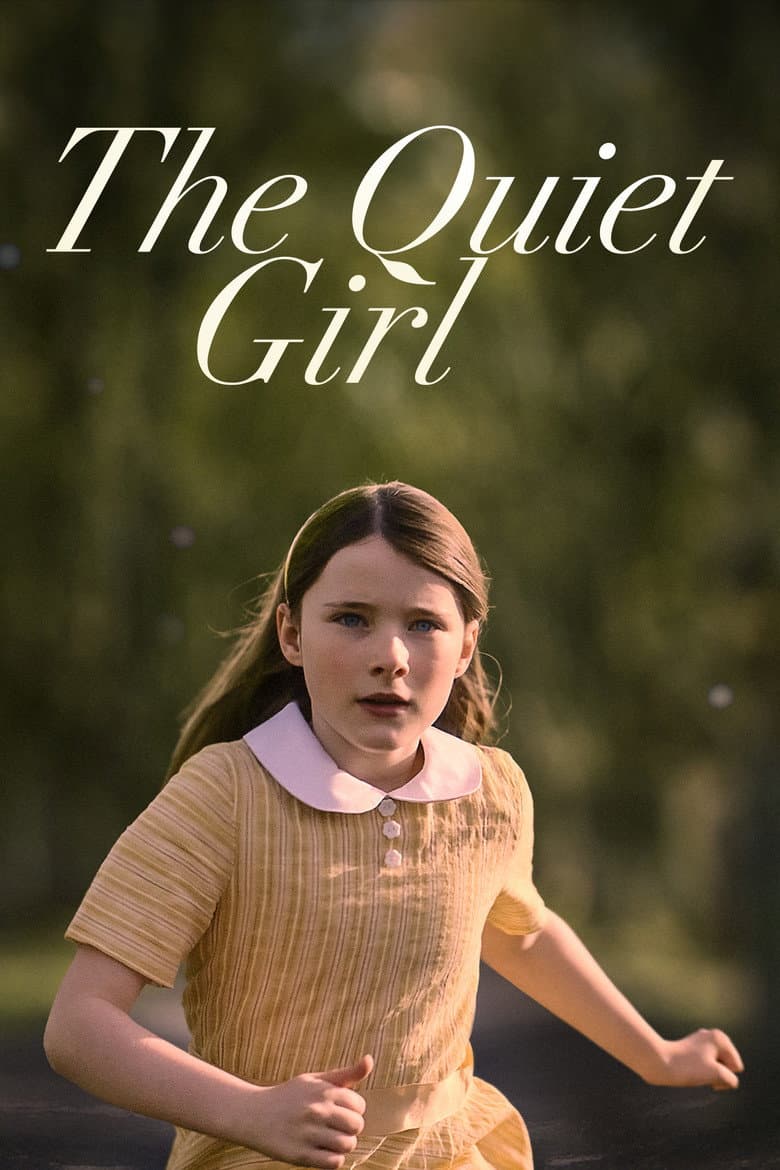
Movie · 2022
A quiet, neglected girl is sent away from her dysfunctional family to live with relatives for the summer. She blossoms in their care, but in this house where there are meant to be…

Movie · 2016
WWII American Army Medic Desmond T. Doss, who served during the Battle of Okinawa, refuses to kill people and becomes the first Conscientious Objector in American history to…
