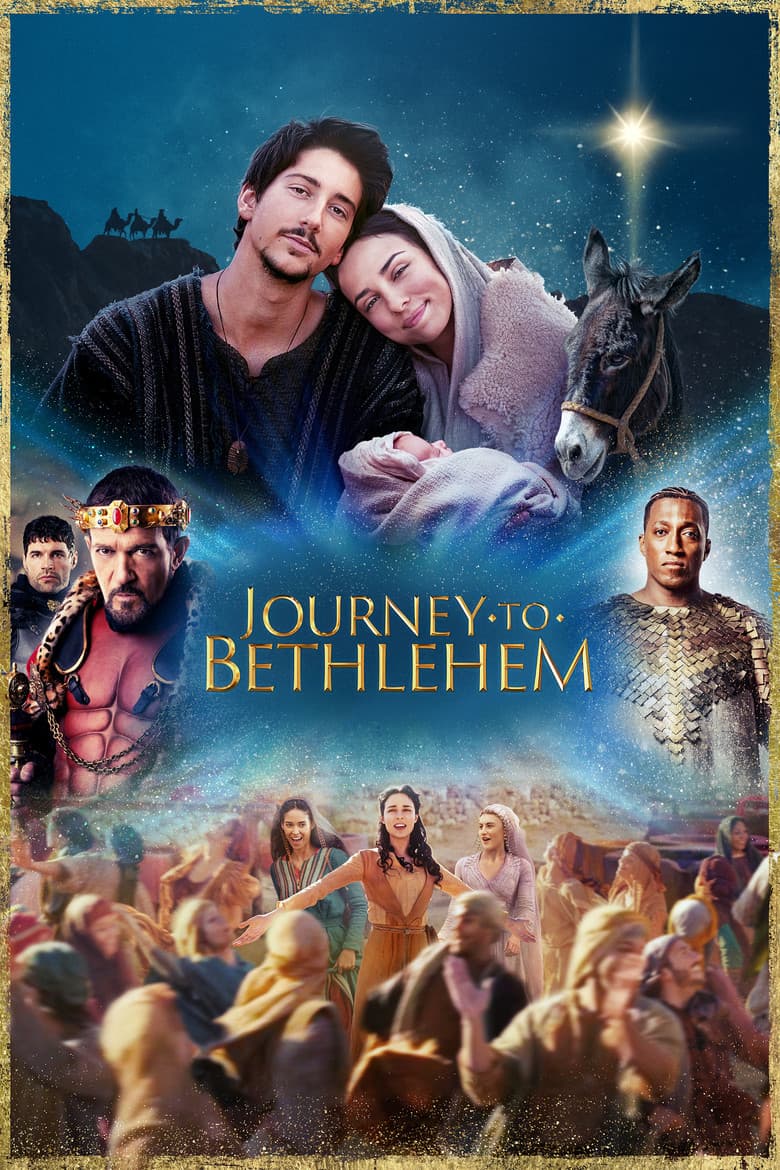
Mary is a young woman in ancient Judea who is told she will marry a man she does not know. She wants her own life and dreams of teaching, then learns she will give birth to Jesus. Joseph must choose whether to trust her and stand by her. Mean King Herod tries to stop any new king. The film is a bright family Christmas musical full of pop songs, jokes, and dance.
Most of the movie is faith, romance, and fun music about the birth of Jesus. A normal viewer will notice a modern “strong Mary” who resists an arranged marriage, wants to be a teacher, and is written as bold rather than quiet. There are also some mixed-race supporting roles and female palace guards that feel current. Those choices are light and easy to see, not the main point of the story. There is no queer plot, no big race politics lecture, and no attack on the Christian message. A few people called Mary too “feminist,” but the louder fights were about Bible accuracy and the High School Musical style, not a major “woke movie” storm.
Community feedback
Was our 40% Woke rating accurate?
Breakdown
These are the editorial factors and ratings behind our score for Journey to Bethlehem.
Woke representation / casting
Supporting cast mixes races (black Gabriel/Lecrae, diverse Magi) and includes female palace guards. Leads are not race-swapped for identity shock. Diversity is visible but not the sales pitch or the heart of the story.
24%
Woke political dialogue
Soft modern lines about Mary’s dreams, arranged marriage, and heartfelt faith. No long activist speeches on race, gender systems, or current politics. A few “believe in your heart” style lines sound current. Dialogue frames traditional arranged marriage and women's domestic roles ("keeping house and making babies") as limiting or undesirable for Mary's ambitions.
25%
Identity-driven story themes
Clear light girl-power beat: Mary wants a teaching life, pushes back on an arranged match, then accepts God’s plan. Still a faith-and-family nativity romance, not a race or queer identity story.
32%
Western institutional / cultural critique
Mild modern push against arranged marriage as a limit on Mary’s dreams. Herod’s evil is the Bible villain plot, not a hit on today’s West or on church life. The film celebrates Christian Christmas.
14%
Woke character or canon changes
Biggest change for scoring is Mary as headstrong dream-chaser rather than the quiet traditional figure; some viewers call that feminist. Other changes (young flirty Joseph, Magi timing, musical comedy) are mostly adaptation style, not DEI.
34%
Anti-woke backlash and complaints
Real but limited: some right-leaning/Christian posts call Mary a feminist rewrite or too rebellious; fringe complaints about a black angel. Larger backlash was about Bible accuracy and cheesy tone, not a major national “too woke” wave.
24%
Creator track record context
Cached key producers are low (0–13): commercial family and music careers with little reported identity-politics activism. Anders sells joy and the Christmas story, not a DEI platform.
6%
Production
Movie · 2016
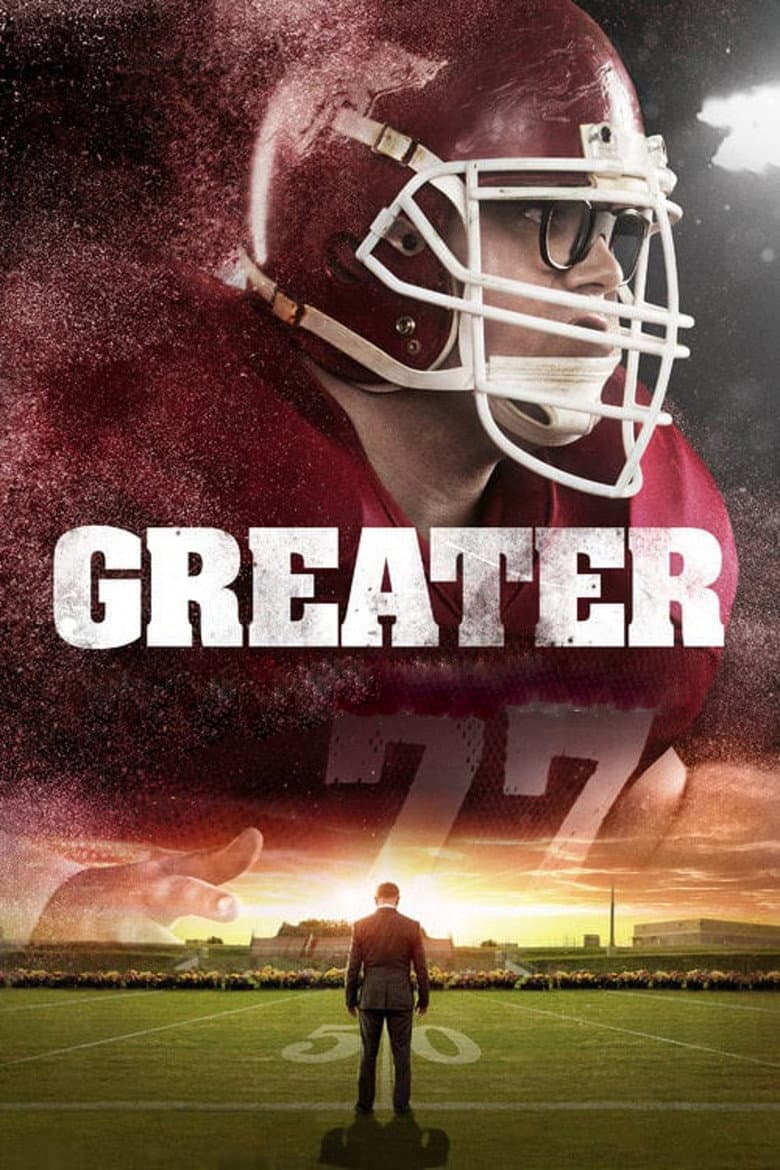
The incredible true story of the greatest walk-on in the history of college football.
Movie · 2016
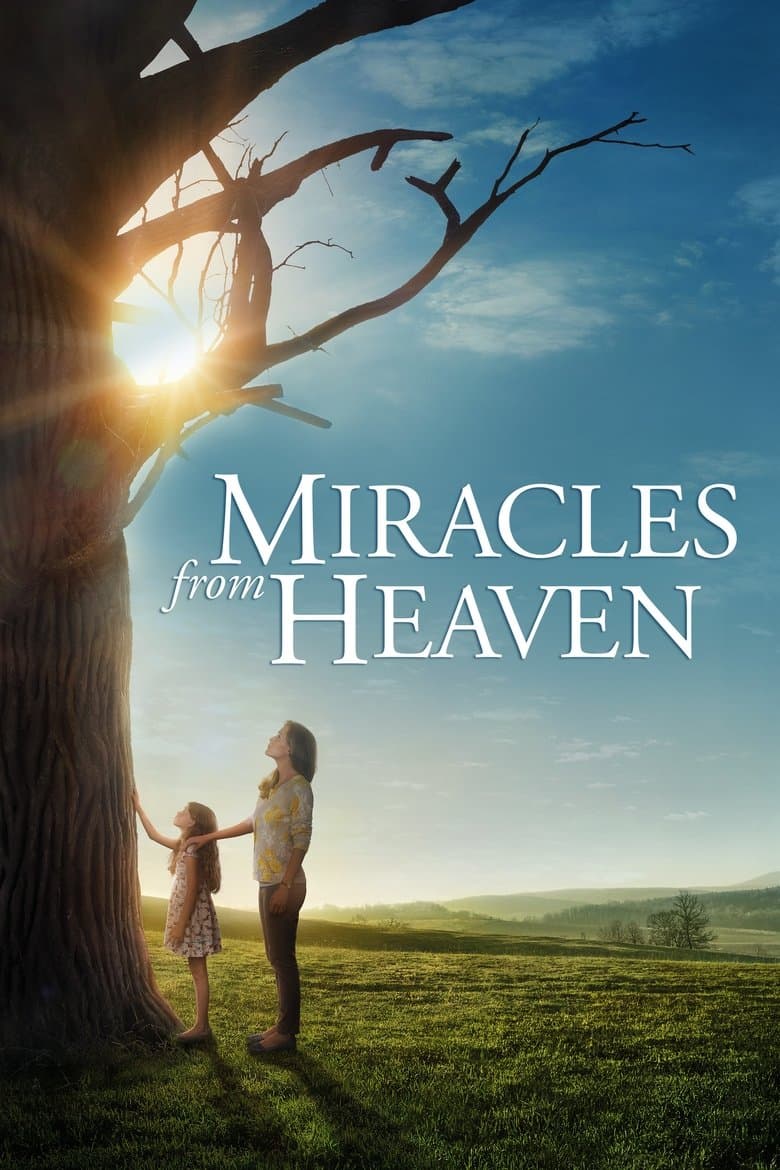
When Christy discovers her 10-year-old daughter Anna has a rare, incurable disease, she becomes a ferocious advocate for her daughter’s healing as she searches for a solution.
Movie · 2017
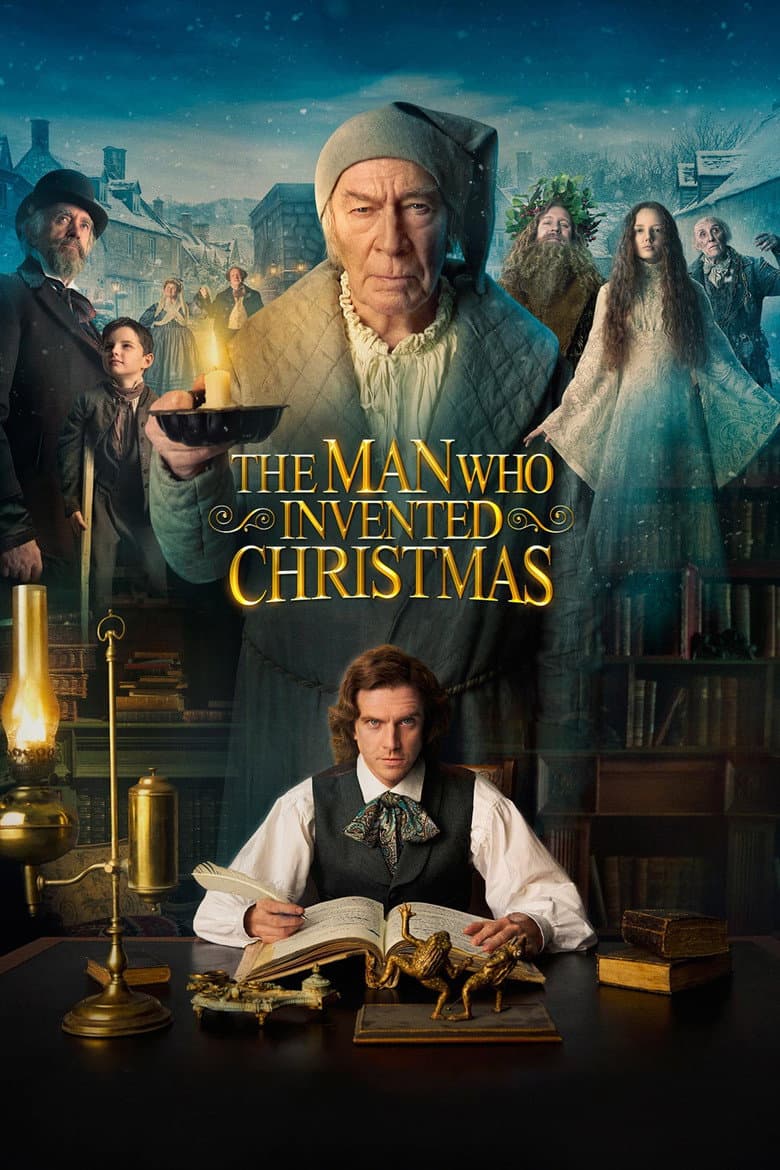
In 1843, despite the fact that Dickens is a successful writer, the failure of his latest book puts his career at a crossroads, until the moment when, struggling with inspiration…
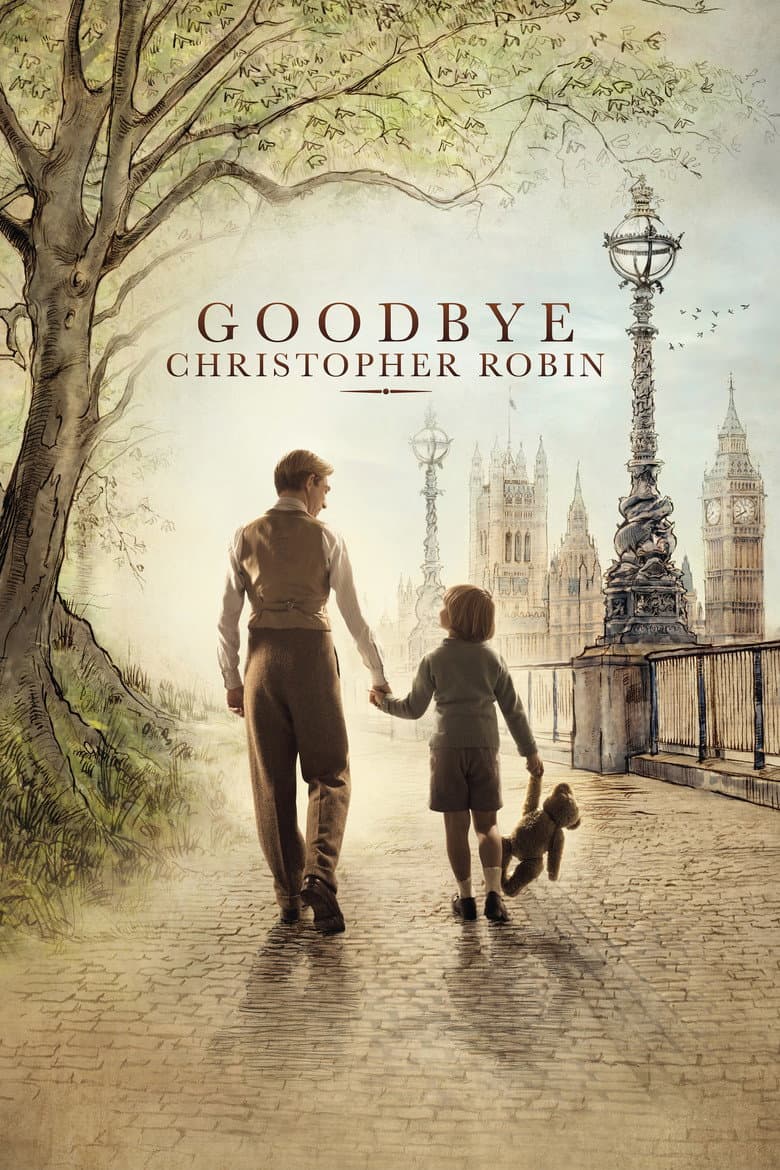
Movie · 2017
The behind the scenes story of the life of A.A. Milne and the creation of the Winnie the Pooh stories inspired by his son Christopher Robin.
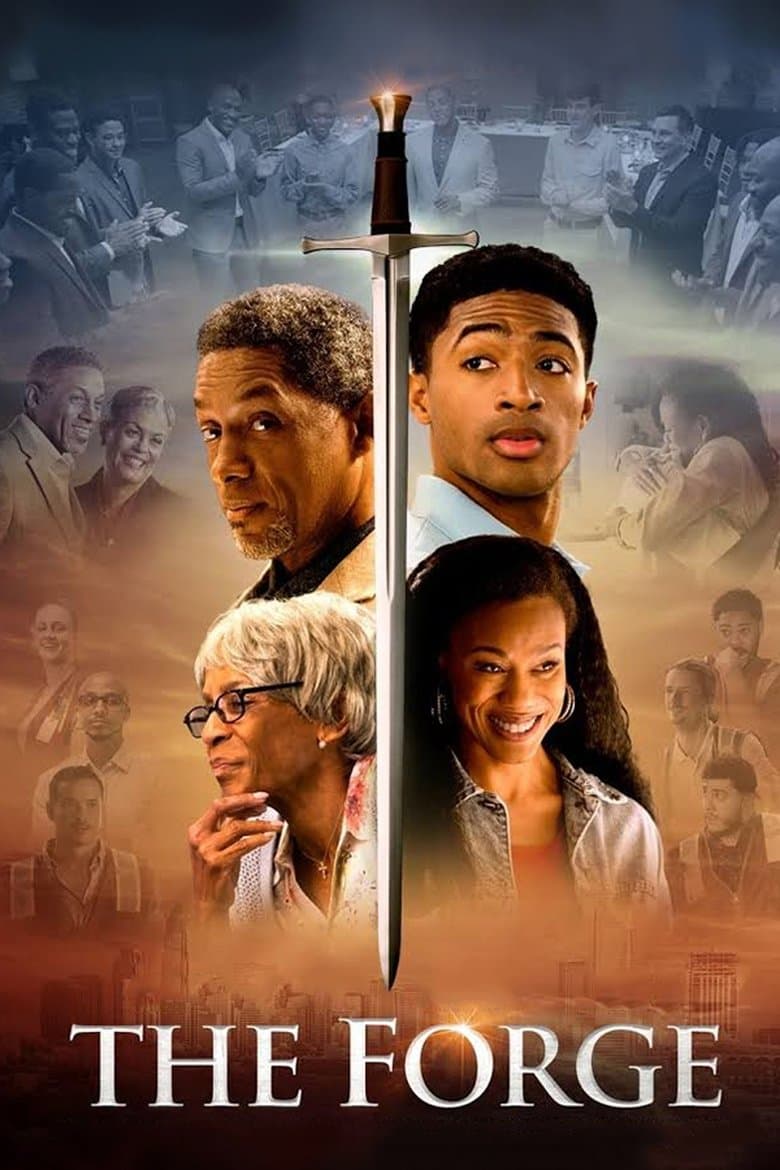
Movie · 2024
19 year old Isaiah Wright lives for basketball and video games. A year out of high school, he has no job, no plans, and no idea how to be a man.

Movie · 2019
An unlikely connection sparks between two creatures: a fiercely independent stray kitten and a pit bull. Together, they experience friendship for the first time.
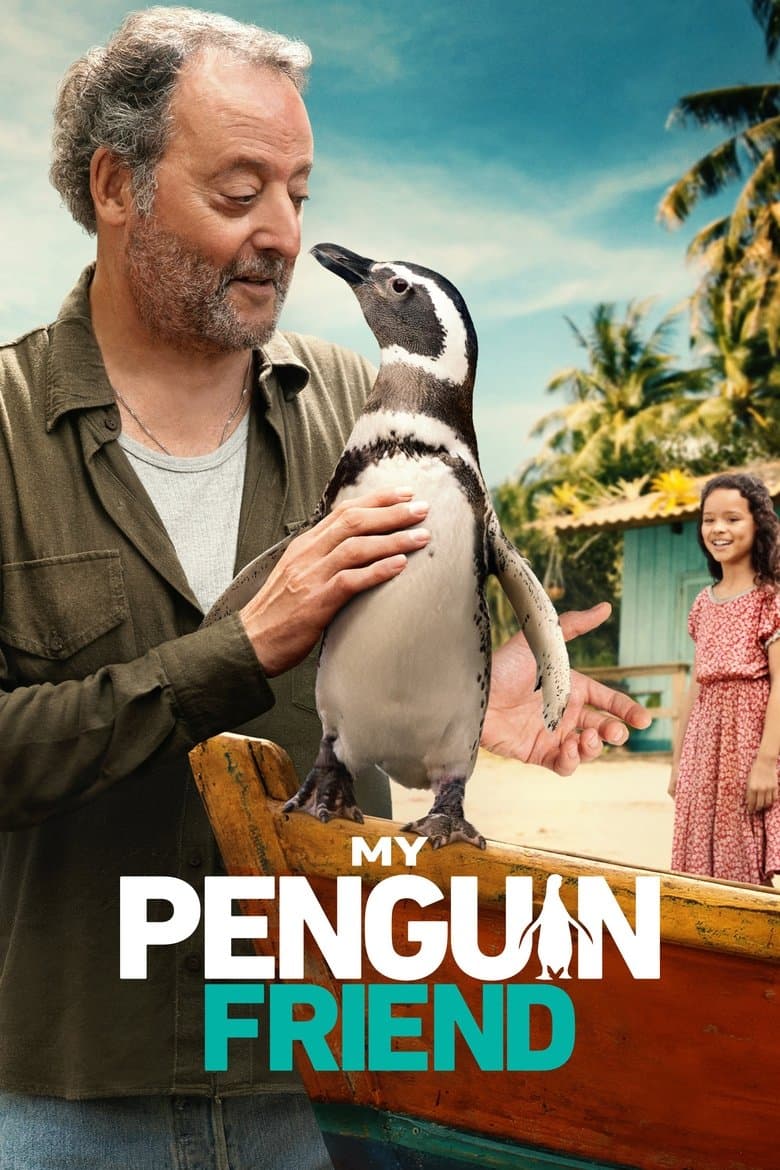
Movie · 2024
A lost penguin rescued from an oil spill transforms the life of a heartbroken fisherman. They become unlikely friends, so bonded that even the vast ocean cannot divide them.
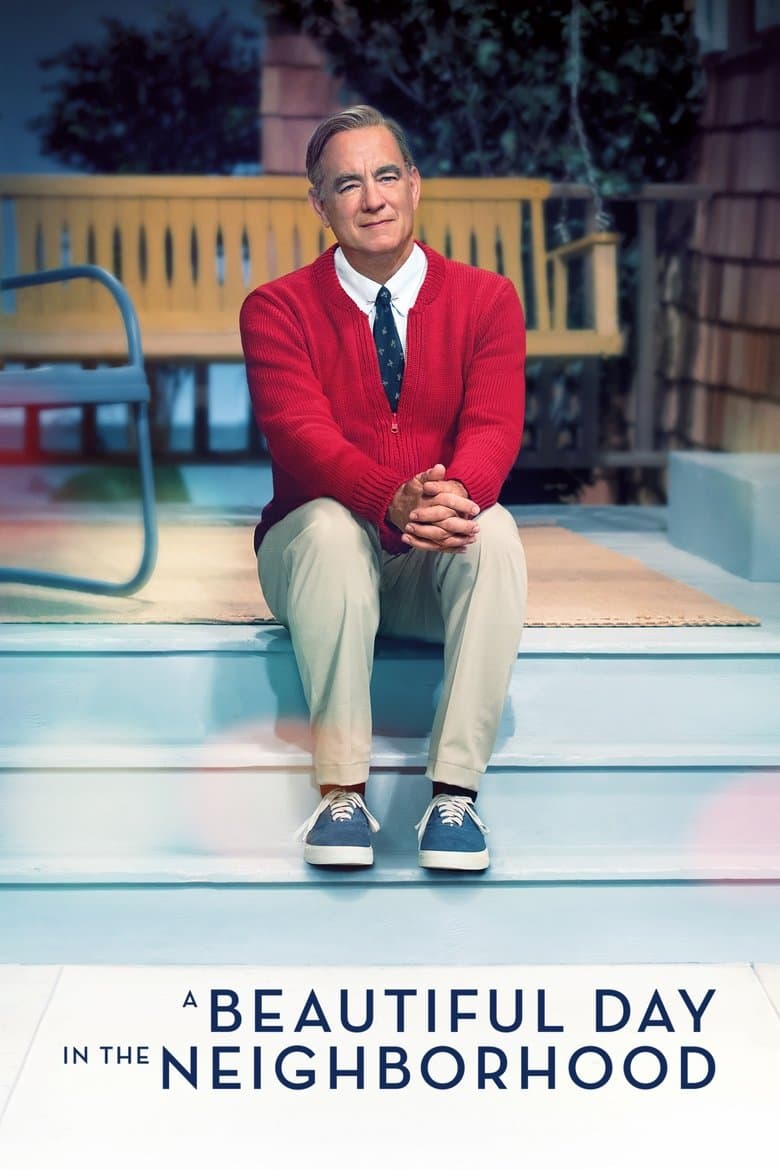
Movie · 2019
An award-winning cynical journalist, Lloyd Vogel, begrudgingly accepts an assignment to write an Esquire profile piece on the beloved television icon Fred Rogers.
