
Arthur Fleck sits in Arkham and waits for his trial two years after his murders. In music therapy he meets Lee Quinzel, a fellow patient who loves the Joker image. Their bond becomes a shared romance of song and fantasy while the court and the public demand a clown-prince myth. Arthur finally takes the blame as himself rather than as Joker. The shared dream collapses, he loses Lee, and a young inmate kills him after carving a smile into his own face.
The film is not a race, gender, or queer activism story on screen. Leads are Phoenix and Gaga in a straight obsession plot, and talk stays on guilt, dual identity, abuse, and media spectacle. Themes center on who Arthur is when everyone wants the mask, plus celebrity projection and whether anyone loves the man. Institutional cruelty shows up as harsh guards, a show trial, and a media circus in a classic crime-drama way. Audience heat is mostly about tone, songs, anti-catharsis, and a sense that the sequel scolds fans of the first film, not about rainbow messaging or DEI casting.
Community feedback
Was our 19% Woke rating accurate?
Breakdown
These are the editorial factors and ratings behind our score for Joker: Folie à Deux.
Woke representation / casting
Not present. Leads are Phoenix and Gaga; supporting roles fit a modern urban Gotham hospital and trial without a marketed identity-statement cast.
0%
Woke political dialogue
Not present. Court and prison talk centers on guilt, dual personality, abuse, and media spectacle, not identity-politics slogans.
0%
Identity-driven story themes
The story is about two people sharing a false dream and about fans loving the Joker mask more than Arthur. That is about fame, guilt, and mental delusion, not race, gender, or queer politics. Any culture fight over the symbol versus the person is only a light edge, not the main thesis.
12%
Western institutional / cultural critique
Guards hurt prisoners, the trial becomes a show, and the media turns pain into spectacle. Those attacks on power look like classic crime drama, not modern identity activism. Claims about patriarchy or systemic identity are mostly critic projection rather than the film’s clear message.
20%
Woke character or canon changes
Not relevant. Lee is a gritty reimagining of Harley for this tone, not an identity or DEI rewrite of race, sex, or historical figures.
0%
Anti-woke backlash and complaints
Most anger is about bad reviews, the songs, and the sense that the film insults fans. Some right-leaning and fan talk calls that a punishment of the first film’s male antihero crowd or woke vandalism. There was no large fight over DEI casting or a queer agenda.
22%
Creator track record context
Phillips, Silver, main producers, and comic originators have low activist profiles. Phillips has openly criticized woke culture. Casting’s Maisler is a moderate inclusion signal that does not set the film’s message.
10%
Production

Movie · 2019
During the 1980s, a failed stand-up comedian is driven insane and turns to a life of crime and chaos in Gotham City while becoming an infamous psychopathic crime figure.
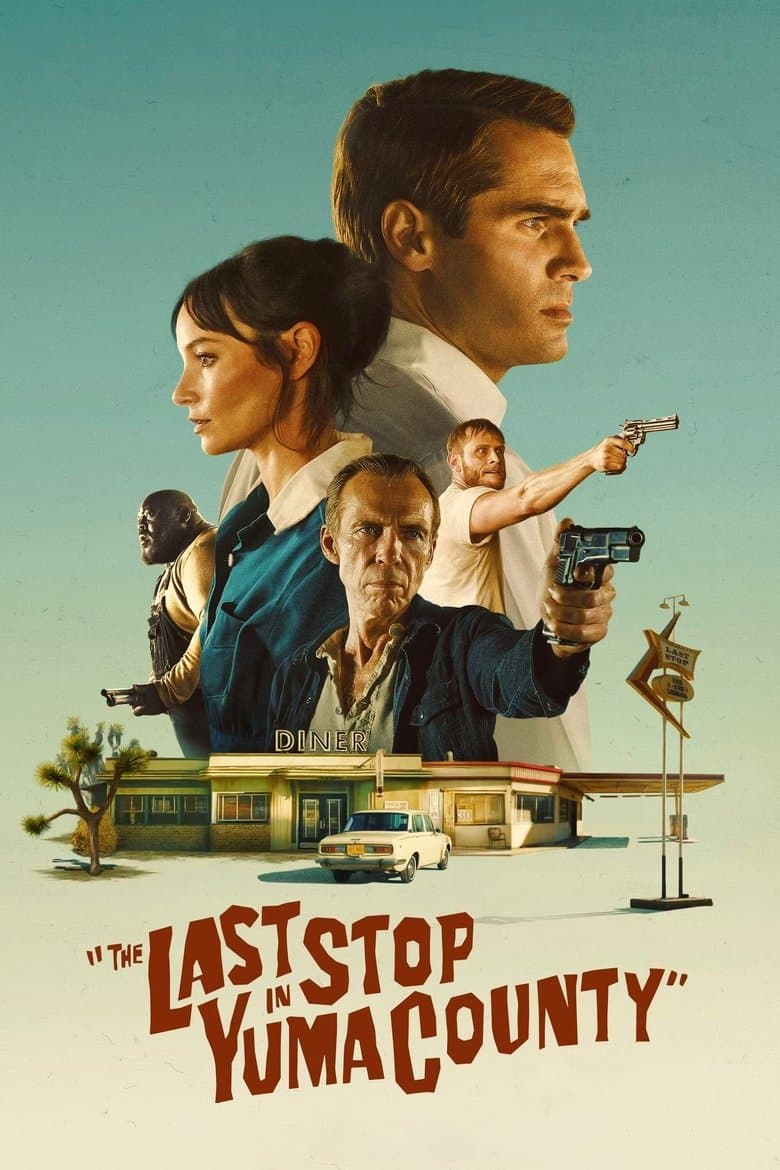
Movie · 2024
While awaiting the next fuel truck at a middle-of-nowhere Arizona rest stop, a traveling young knife salesman is thrust into a high-stakes hostage situation by the arrival of two…
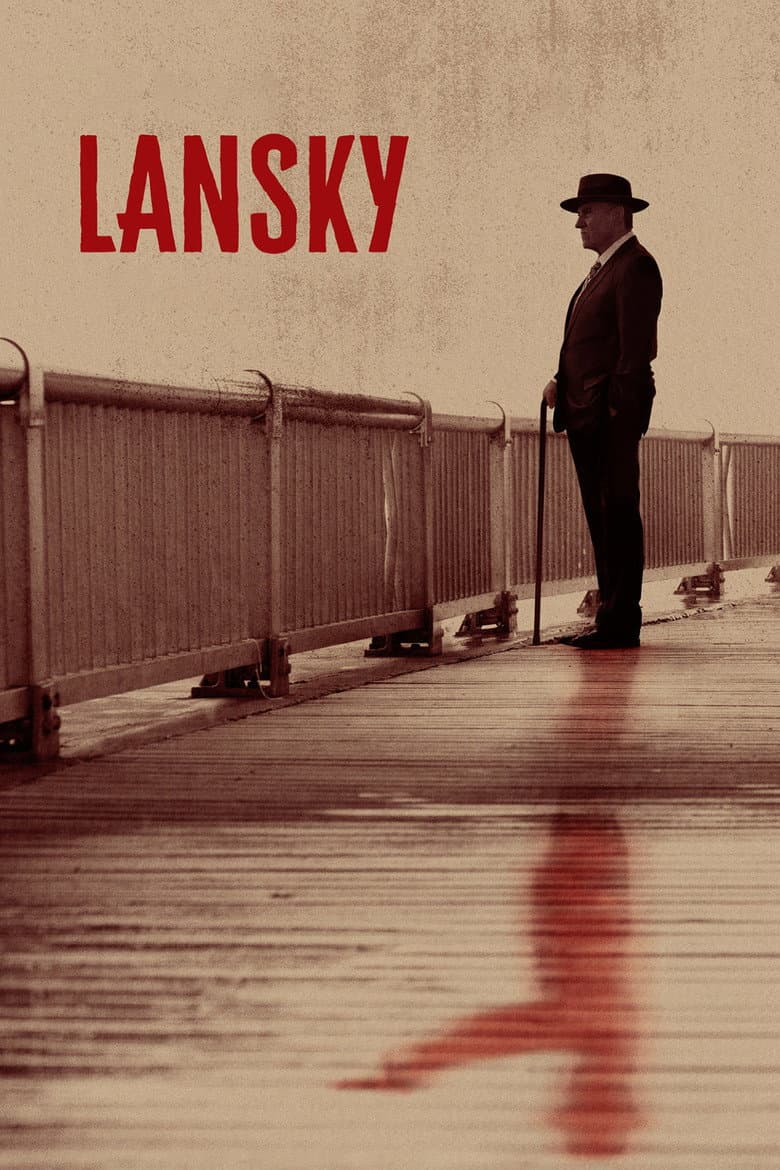
Movie · 2021
When the aging Meyer Lansky is investigated one last time by the Feds who suspect he has stashed away millions of dollars over half a century, the retired gangster spins a…

Movie · 2022
After escaping a Michigan prison, a charming career criminal assumes a new identity in Canada and goes on to rob a record 59 banks and jewellery stores while being hunted by a…
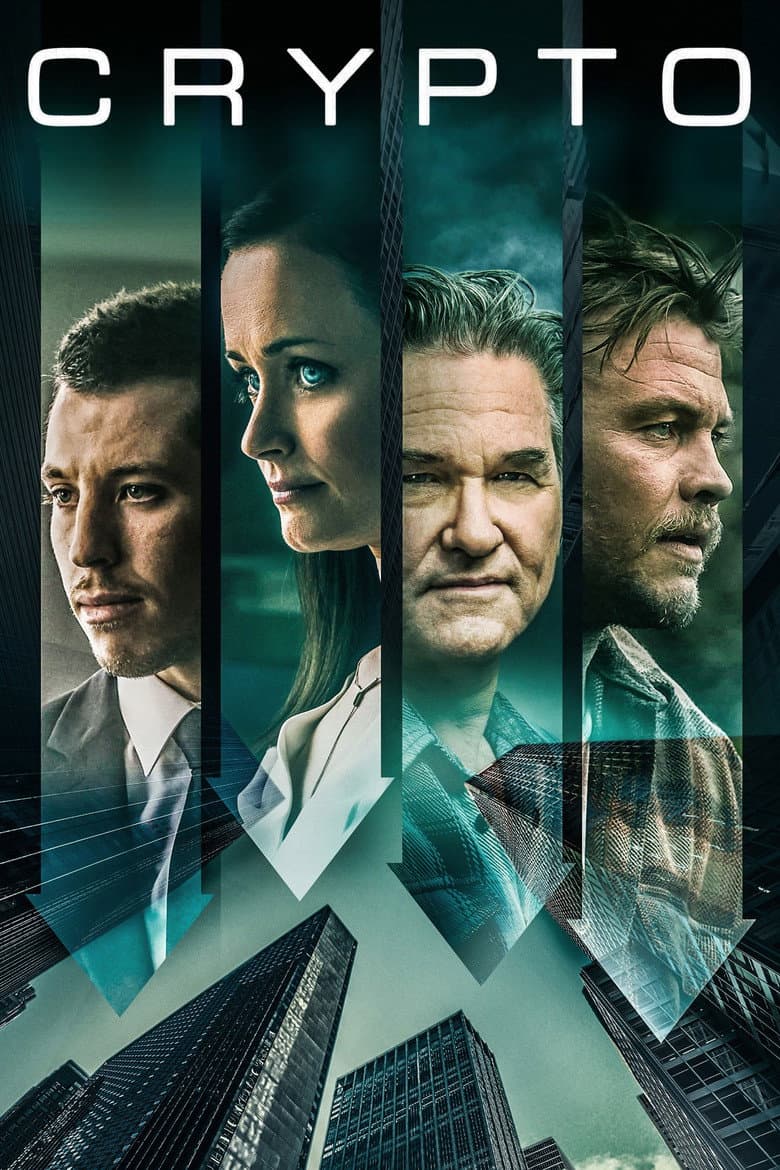
Movie · 2019
A young agent is tasked with investigating a tangled web of corruption and fraud in New York.
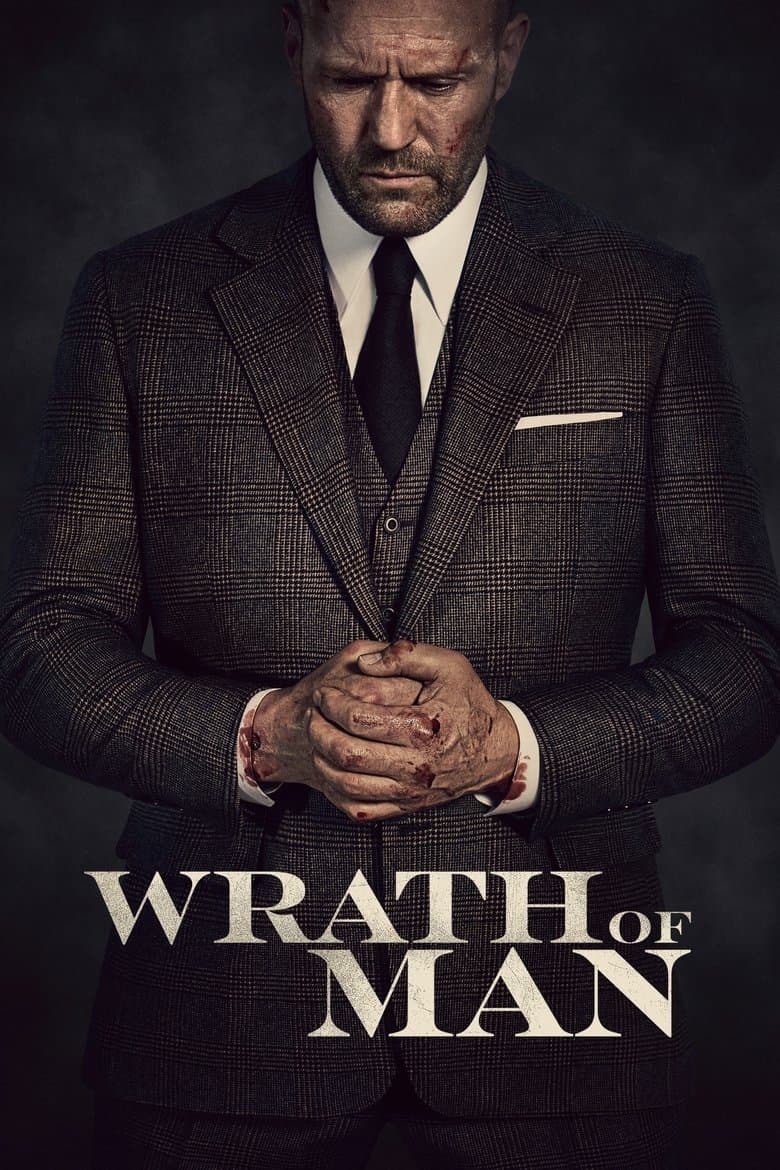
Movie · 2021
A cold and mysterious new security guard for a Los Angeles cash truck company surprises his co-workers when he unleashes precision skills during a heist.
Movie · 2019
A charismatic New York City jeweler always on the lookout for the next big score makes a series of high-stakes bets that could lead to the windfall of a lifetime.
Movie · 2016
A U.S Customs official uncovers a massive money laundering scheme involving Pablo Escobar.
