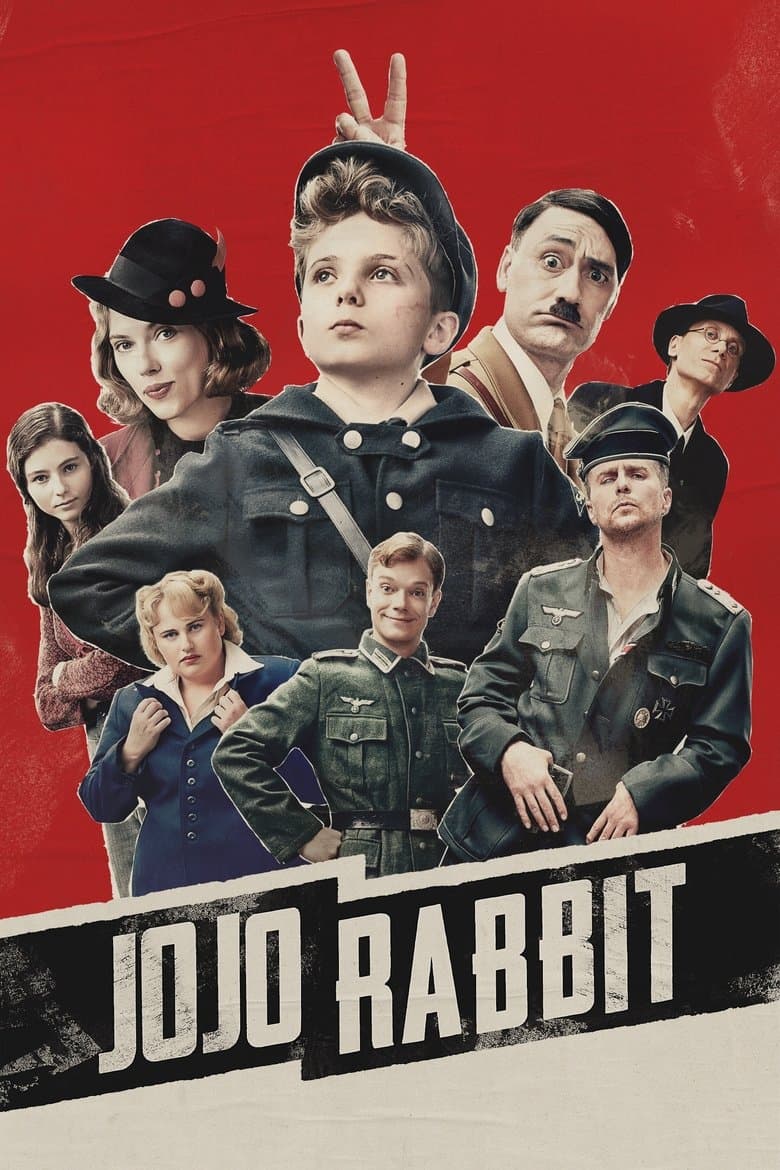
Jojo Rabbit follows a Hitler Youth boy in late-war Nazi Germany who idolizes a clownish imaginary Hitler. He fails toughness tests at camp and then finds a Jewish girl named Elsa hidden in his home by his mother Rosie. Through contact with Elsa he slowly drops Nazi indoctrination and learns empathy. Gestapo threat and Rosie’s hanging keep the danger real. Captain Klenzendorf runs the camp as a cynical officer who partly redeems himself by protecting Jojo.
Audience-visible identity material centers on a supporting queer arc rather than the main child plot. Klenzendorf and aide Freddy Finkel are written and played as a gay pairing, ending in flamboyant battlefield dress before Klenzendorf is executed after helping Jojo. Waititi framed that figure with intentional positivity. The core story is still a historical empathy fable about unlearning antisemitism through human contact. Creators and marketing cast it as anti-hate satire with present-day relevance, while the literal action stays in wartime Germany.
Community feedback
Was our 53% Woke rating accurate?
Breakdown
These are the editorial factors and ratings behind our score for Jojo Rabbit.
Woke representation / casting
The ensemble is period-plausible wartime German with mostly white European leads. There is no quota-style multiracial friend group or identity-swapped historical hero in a brilliant minority savior role. Waititi as imaginary Hitler is director-star satire, not diversity casting of a heroic lead. Queer content sits in character writing for Klenzendorf, not in casting as demographic signaling.
5%
Woke political dialogue
Spoken lines are mostly period Nazi propaganda that the film mocks, plus antisemitic myths challenged by Elsa and anti-hate lines from Rosie and others. There is little modern activist jargon about DEI, systemic racism, or pronouns. Some lines still land as plain “hate is taught” and “people are people” messaging that matches the film’s anti-hate brief. The dialogue stays coded to World War II rather than present-day activist speech.
22%
Identity-driven story themes
The core plot is historical: a child unlearns Nazi antisemitism through Elsa and his mother’s sacrifice. A clear added identity layer is the confirmed gay Captain Klenzendorf and Finkel chemistry, the flamboyant final look, and Waititi’s positivity framing of that queer figure. The structure is an empathy and tolerance fable that press and creators mapped onto contemporary white nationalism. The queer subplot supports the story rather than driving it, but it is audience-visible and intentional.
48%
Western institutional / cultural critique
The on-screen target is the Nazi state, Hitler Youth, Gestapo, and wartime conformity, not churches, classical liberalism, or generic Western civilization. Reception and creator framing treat the film as a mirror for far-right and nationalist currents in Western democracies through anti-hate packaging and MAGA-extremism readings. Mild secondary notes undercut Nazi masculine bravado through Jojo’s failed hard-man initiation. It is not a sustained attack on Christianity or everyday Western family norms.
32%
Woke character or canon changes
The adaptation invents comic imaginary Hitler and lightens the darker tone of Caging Skies as comedy and structure choices, not DEI race or gender swaps of legacy icons. The stronger identity mark is the openly coded gay camp captain and companion as film-side characterization Waititi and Rockwell discussed as intentional. That is not a famous historical figure rewritten for representation. It is still an identity-forward addition inside the adaptation.
18%
Anti-woke backlash and complaints
Public fight focused on whether Nazi and Holocaust comedy is appropriate or softens evil, not a large campaign calling the film woke DEI. Scattered right-leaning gripes about the gay Nazi figure, liberal anti-hate allegory, and Trump parallels exist. Those gripes are secondary and thin next to historical-taste criticism. The score stays low because anti-woke-specific complaint volume is limited.
12%
Creator track record context
Main creative weight sits with Taika Waititi’s satirical anti-racism and fascism work plus decolonize-the-screen and indigenous-story advocacy and diverse hiring talk. Co-producer Chelsea Winstanley stresses Māori visual sovereignty, while Carthew Neal is milder. Novelist Christine Leunens and casting leads pull the average down. Overall creator context lands mid-high without re-scoring each person.
55%
Production
Movie · 2017
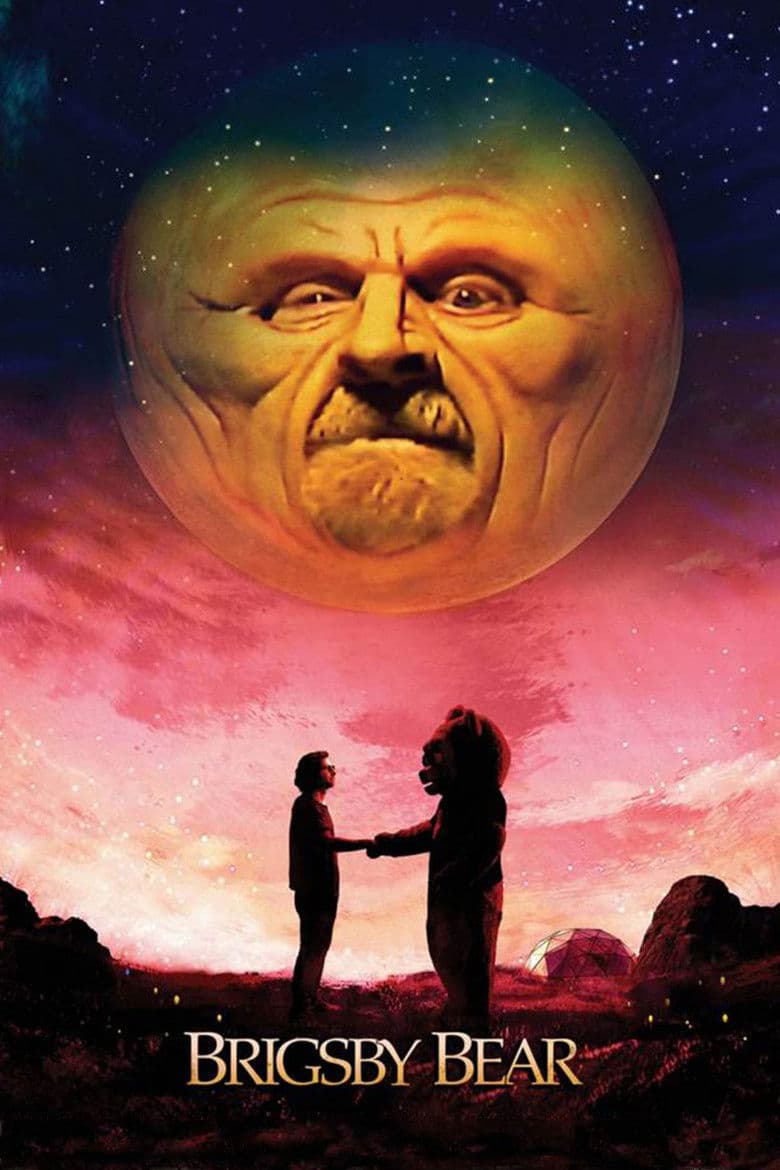
Brigsby Bear Adventures is a children's TV show produced for an audience of one: James. When the show abruptly ends, James's life changes forever, and he sets out to finish the…

Movie · 2018
An American hypochondriac who is working as a baggage handler is forced to confront his fears when a British teenager with a terminal illness enlists him to help her carry out her…

Movie · 2022
The remarkable true story of how retiree Jerry Selbee discovers a mathematical loophole in the Massachusetts lottery and, with the help of his wife, Marge, wins $27 million…
Movie · 2016
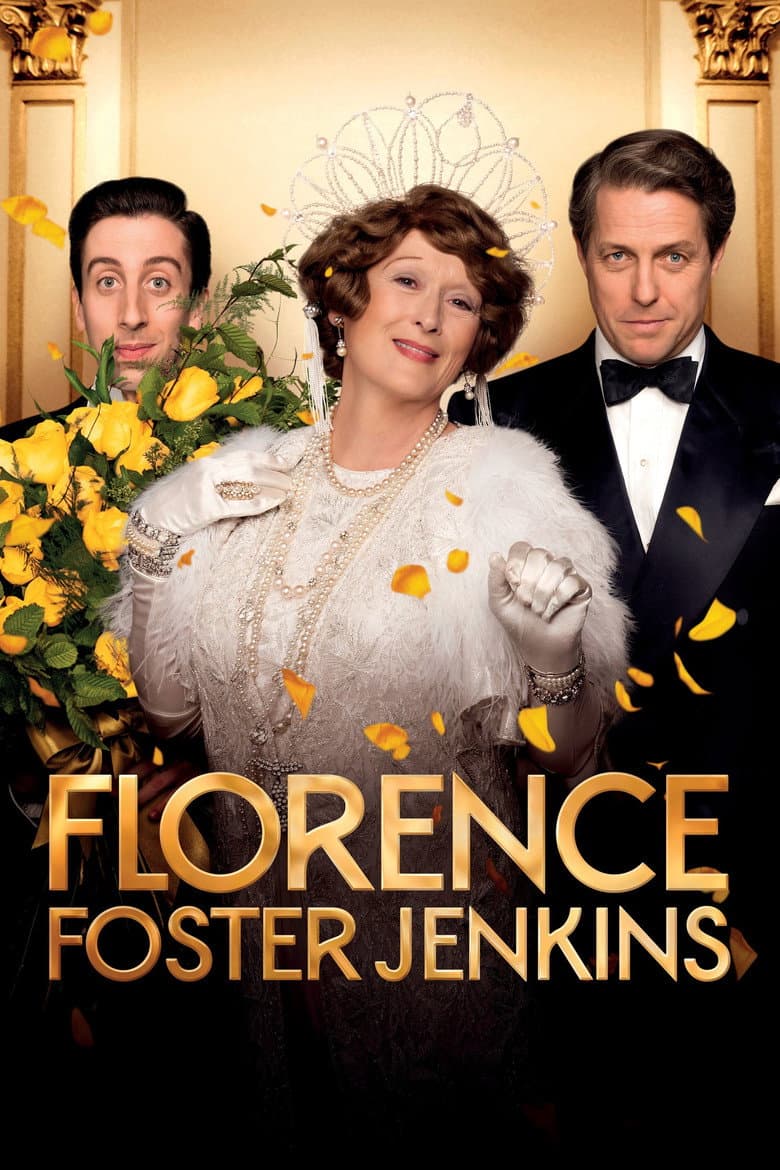
The story of Florence Foster Jenkins, a New York heiress, who dreamed of becoming an opera singer, despite having a terrible singing voice.
Movie · 2022
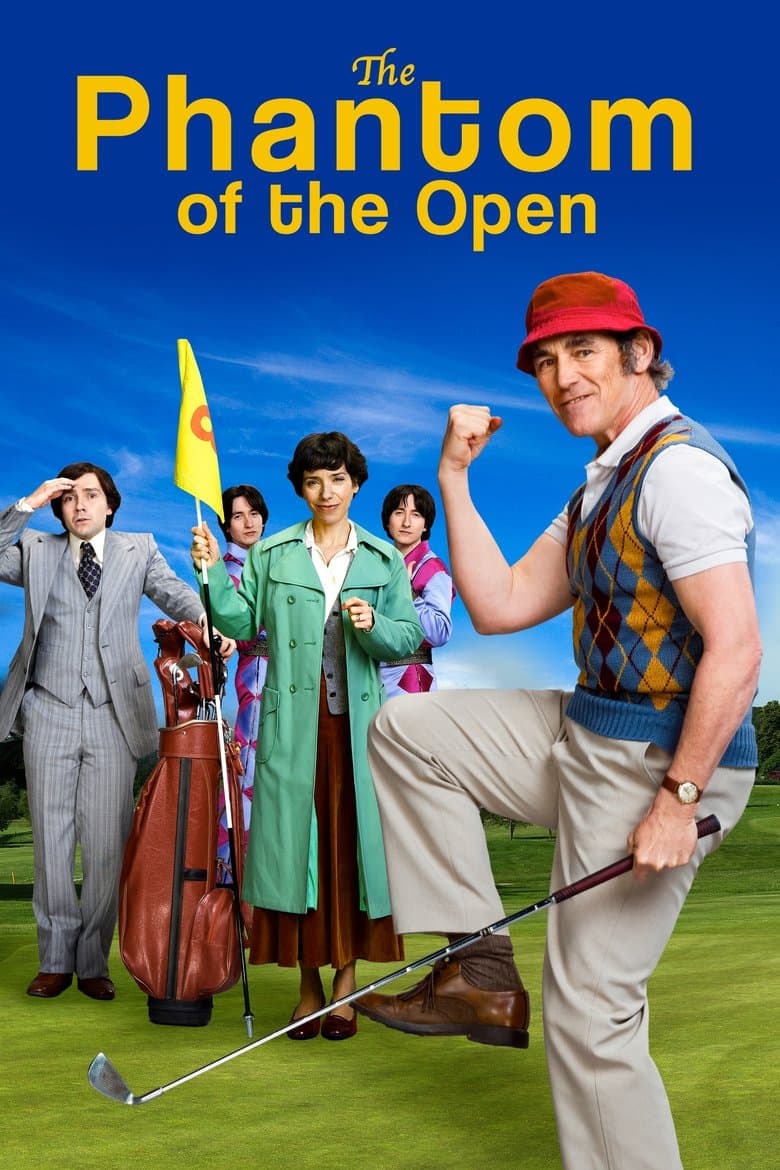
Maurice Flitcroft, a dreamer and unrelenting optimist, managed to gain entry to The British Open Golf Championship qualifying in 1976 and subsequently shot the worst round in Open…
Movie · 2020
Scott has been a case of arrested development ever since his firefighter father died when he was seven. He's now reached his mid-20s having achieved little, chasing a dream of…

Movie · 2025
An eccentric lottery winner who lives alone on a remote island tries to make his fantasies come true by getting his favourite musicians to perform at his home.
Movie · 2025
Lily Trevino unexpectedly befriends an online stranger who shares her self-centered father’s name. This new Bob Trevino’s support could transform her life.
