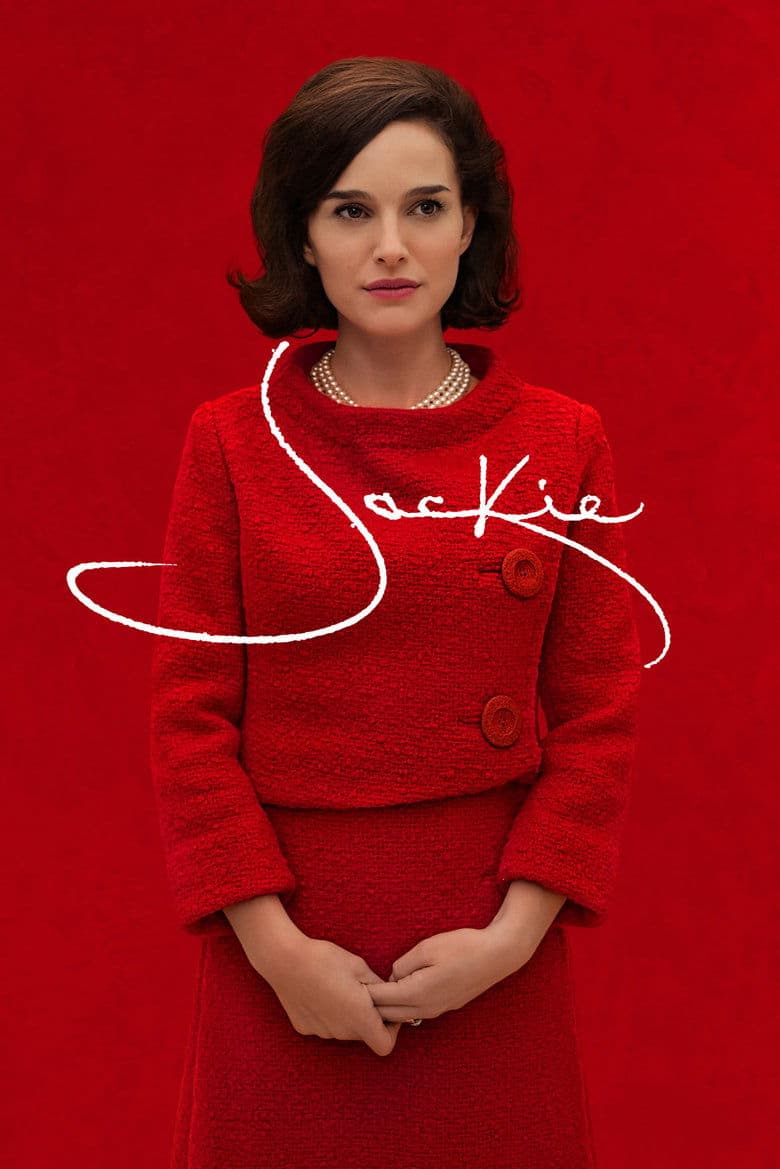
Jackie Kennedy is the First Lady in late 1963. After her husband, President John F. Kennedy, is killed in Dallas, she must plan a huge public funeral, care for her children, and face her own shock and grief. Much of the story moves through a Life magazine talk she gives a week later, mixed with hard flashbacks of the shooting, the White House, and the days that follow. The tone is quiet, sad, and close-up, more about her feelings and choices than a big history lesson.
The film stays on her personal pain, her faith talks with a priest, and her push to shape how the country will remember her husband as a kind of “Camelot.” She fights for a grand funeral walk and carefully manages what the press can print. Those struggles grow from real 1960s events and private loss, not from modern identity politics or activist messaging built into the plot.
Community feedback
Was our 6% Woke rating accurate?
Breakdown
These are the editorial factors and ratings behind our score for Jackie.
Woke representation / casting
Not present. Principal casting matches the historical figures’ gender, era, and social status with no audience-visible forced diversity, race/gender swaps, or story-world mismatches.
0%
Woke political dialogue
Not present. Contains period-appropriate exchanges about political legacy, myth versus reality, and personal faith, but these remain grounded in 1963 events and serve character drama without modern activist rhetoric or messaging.
0%
Identity-driven story themes
Centers on a historical woman’s grief, resilience, and agency while navigating crisis and male political advisors in the 1960s, portrayed through era-specific lens rather than contemporary identity politics or gender frameworks.
5%
Western institutional / cultural critique
Not present in this title.
0%
Woke character or canon changes
Not present in this title.
0%
Anti-woke backlash and complaints
Not present in this title.
0%
Creator track record context
Pablo Larraín’s past films often look at power, myth, and hard history, and this movie fits that mild pattern. Noah Oppenheim’s script work sits in mainstream political history drama, not identity activism. Their records give light context for a serious political biopic, but not a strong woke or DEI creator push for this title.
14%
Production

Movie · 2016
After his older brother passes away, Lee Chandler is forced to return home to care for his 16-year-old nephew.
Movie · 2022
Based on a true tragedy, the emotionally triggering film sheds light on the plight of Kashmiri Pandits (Hindus), a religious minority in the 1990s Kashmir valley, who were…
Movie · 2019
Richard Jewell thinks quick, works fast, and saves hundreds, perhaps thousands, of lives after a domestic terrorist plants several pipe bombs and they explode during a concert…
Movie · 2023
The true story of the inseparable Von Erich brothers, who made history in the intensely competitive world of professional wrestling in the early 1980s.
Movie · 2026
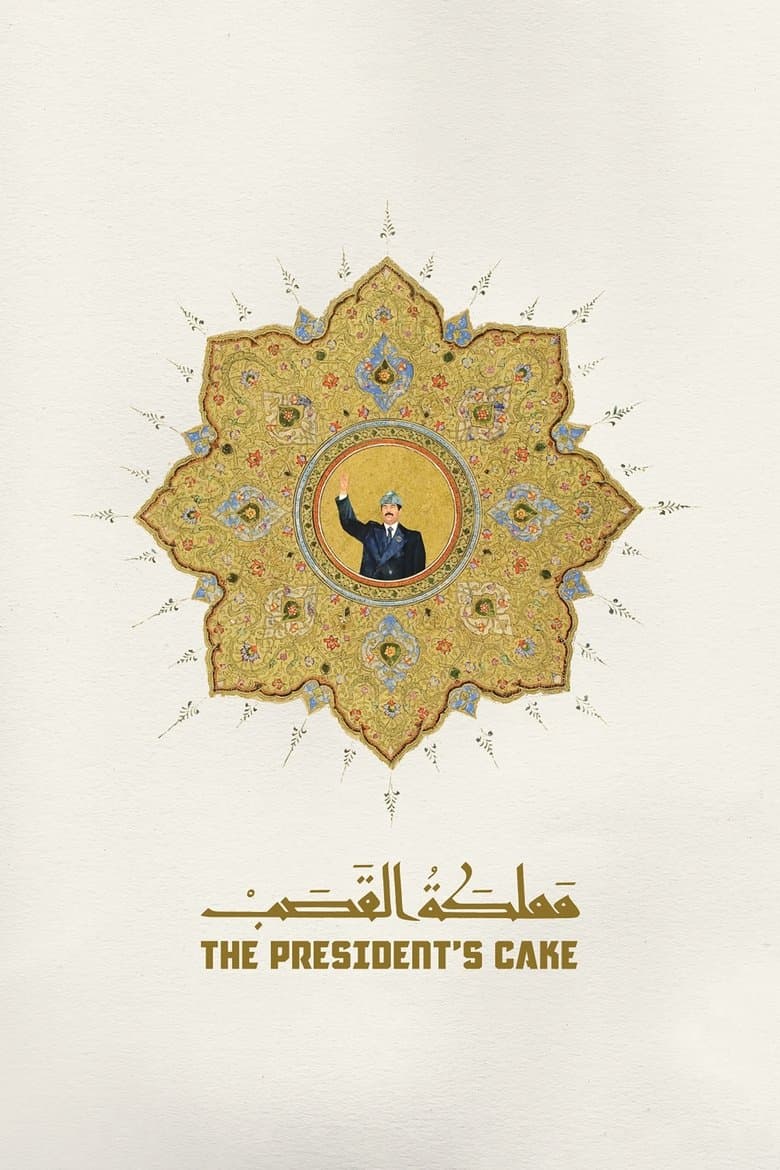
While people across 1990s Iraq struggle to survive the war and food shortages, Saddam Hussein requires each school in the country to prepare a cake to celebrate his birthday.
Movie · 2016
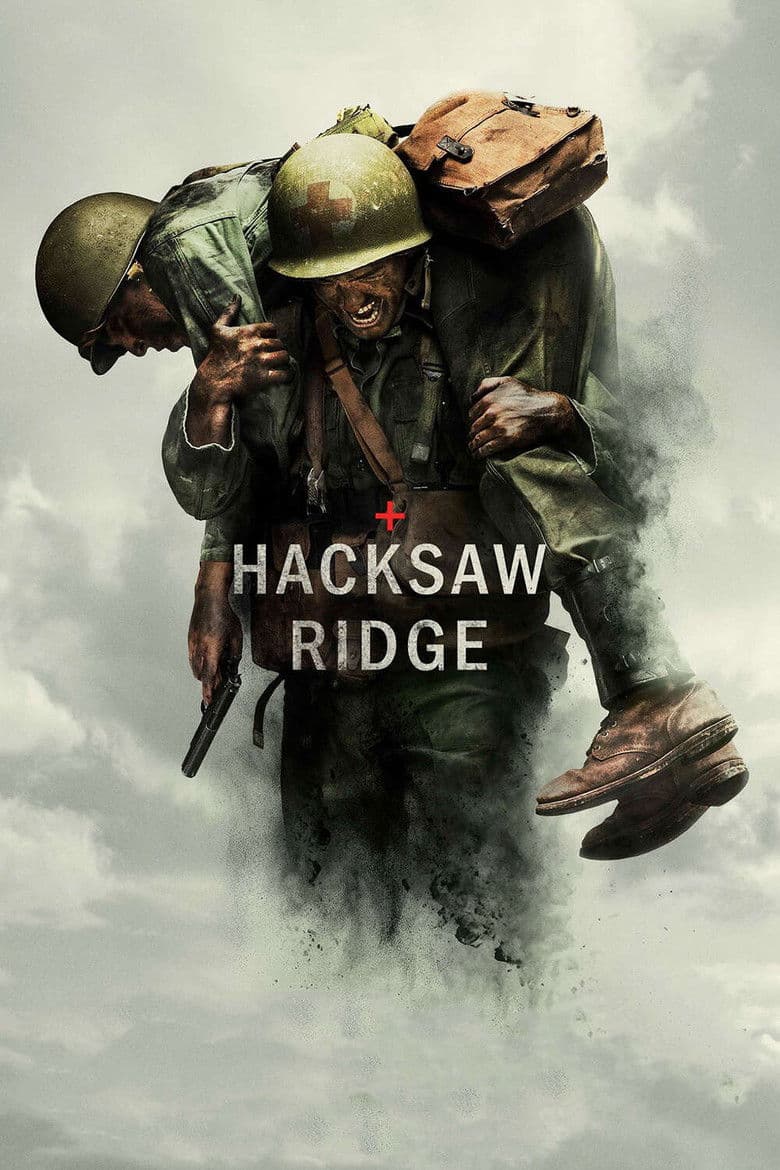
WWII American Army Medic Desmond T. Doss, who served during the Battle of Okinawa, refuses to kill people and becomes the first Conscientious Objector in American history to…
Movie · 2016
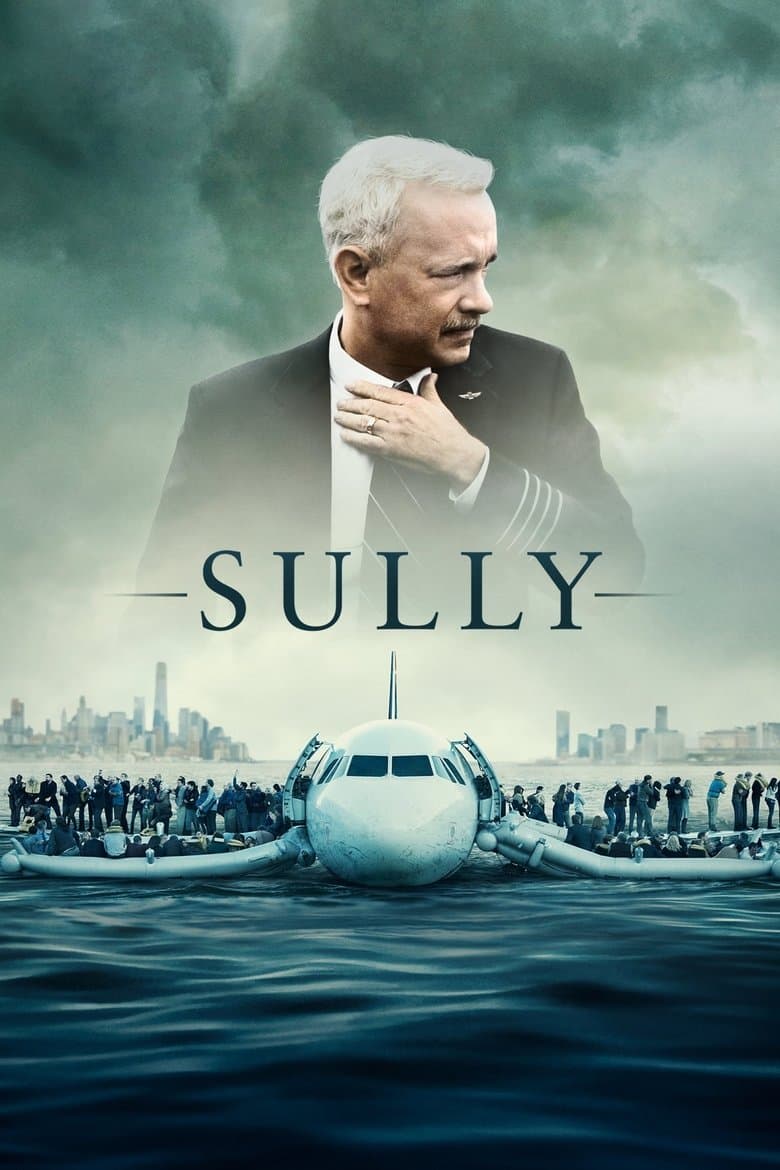
On 15 January 2009, the world witnessed the 'Miracle on the Hudson' when Captain 'Sully' Sullenberger glided his disabled plane onto the Hudson River, saving the lives of all 155…
Movie · 2022
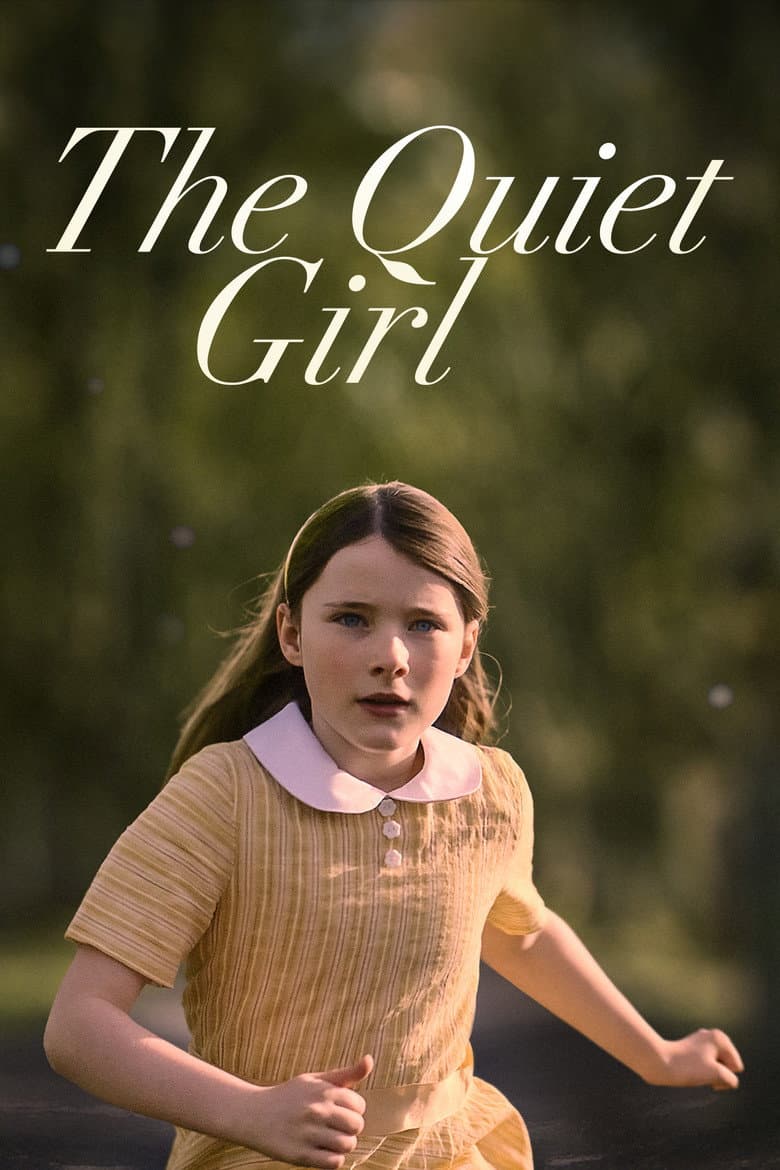
A quiet, neglected girl is sent away from her dysfunctional family to live with relatives for the summer. She blossoms in their care, but in this house where there are meant to be…
