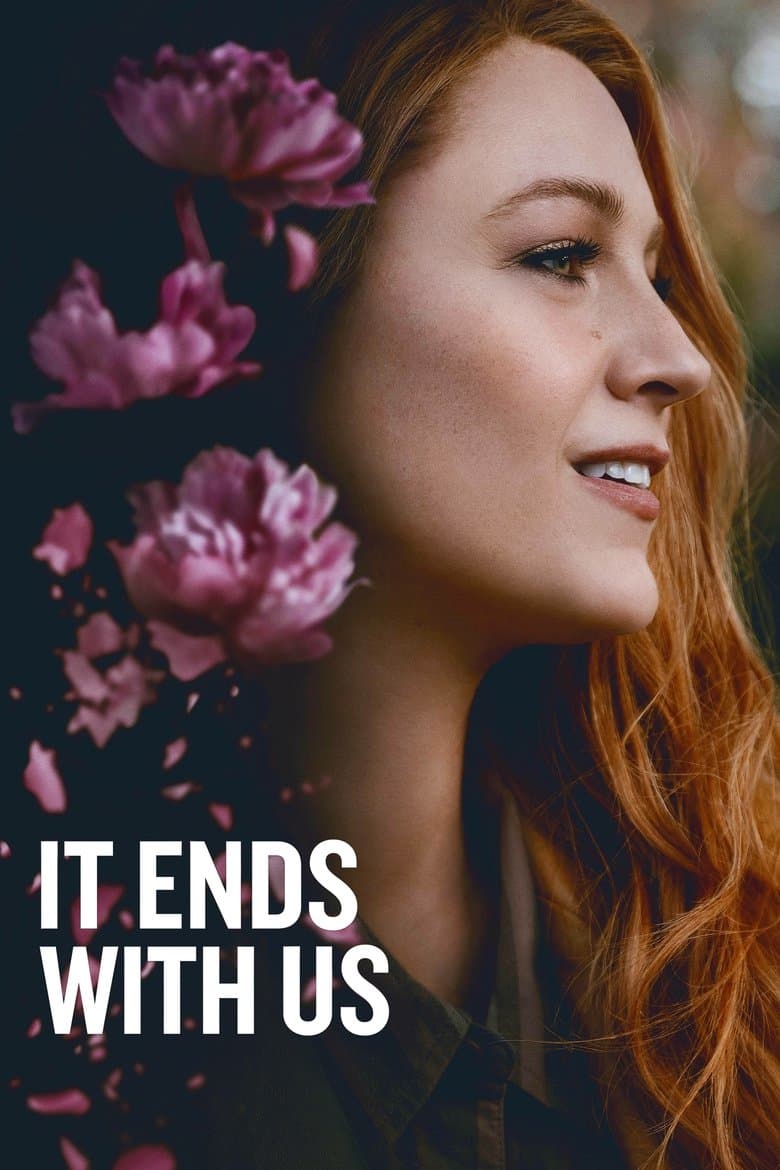
Colleen Hoover's domestic abuse story comes to the screen as a Boston romance that turns dark. Florist Lily Bloom falls for charming neurosurgeon Ryle Kincaid. She then faces rising physical and emotional violence. Her first love Atlas returns while she lives through that pain. The film focuses on personal trauma, the cycle of family violence, and Lily's choice to leave for her child's future.
Audience-facing identity politics, diversity casting campaigns, queer themes, and activist attacks on institutions are not what drives the plot. The conflict comes from male domestic violence, controlling rage, and entitlement in Lily's father and in Ryle. Atlas stands as a gentler contrast. The story is framed as personal trauma cycles rather than a lecture on patriarchy or Western systems. Lily's path is individual partner violence, generational abuse, and a personal exit, not race, gender identity, or representation as the main theme.
Community feedback
Was our 21% Woke rating accurate?
Breakdown
These are the editorial factors and ratings behind our score for It Ends with Us.
Woke representation / casting
Not present. Leads and the core circle fit a normal modern Boston romance, and Hasan Minhaj's supporting husband role is ordinary casting rather than a diversity-statement ensemble.
0%
Woke political dialogue
Not present. Dialogue stays on romance, jealousy, abuse, childhood trauma, and leaving, with no DEI, race, queer, or activist political speech.
0%
Identity-driven story themes
Not present. The plot is individual partner violence, generational abuse, and a personal exit, not race, gender identity, queer, or representation-as-theme storytelling.
0%
Western institutional / cultural critique
Male domestic violence, controlling rage, and entitlement drive the conflict through Lily's father and Ryle. Atlas appears as a gentler counterpoint. The film treats this as personal trauma cycles. It does not deliver a systemic lecture on patriarchy or Western institutions.
22%
Woke character or canon changes
Adaptation choices change how abuse is revealed and soften or delay the Atlas beat. Creators said a fully independent ending mattered for a feminist film. Other changes are ordinary compression and modernization. There are no identity swaps of established figures.
12%
Anti-woke backlash and complaints
Not present. Backlash focused on domestic-violence marketing and glamorization, Lively's press tone, cast age and look debates, and the Lively–Baldoni lawsuits, not claims that the film pushes woke or DEI politics.
0%
Creator track record context
Baldoni and producer Jamey Heath are linked to Man Enough-style talks on masculinity and gender. Blake Lively often speaks about equal pay and feminist ideas in interviews. Hoover and Hall score low on activism as literary and romance adapters. That mix sits next to the film's abusive-man subject without turning the plot into a DEI project.
36%
Production
Movie · 2020
Young musician Zach Sobiech discovers his cancer has spread, leaving him just a few months to live. With limited time, he follows his dream and makes an album, unaware that it…
Movie · 2022
A young couple's relationship clashes with the harsh realities of the California Gold Rush of 1850. Angel, experiencing love for the first time and facing demons unsurmountable…
Movie · 2025
Morgan Grant and her daughter Clara explore what's left behind after a devastating accident reveals a shocking betrayal and forces them to confront family secrets, redefine love…

Movie · 2025
Two artistic souls find harmony through music despite their contrasting worlds. As feelings deepen, age and circumstances challenge their undeniable bond.
Movie · 2016
The story of a young man who arrives in Hollywood during the 1930s hoping to work in the film industry, falls in love, and finds himself swept up in the vibrant café society that…
Movie · 2024
Aza confronts her potential for love, happiness, friendship, and hope while navigating an endless barrage of invasive, obsessive thoughts.
Movie · 2025
18-year-old Noah moves from America to London, with her mother who's recently fallen in love with William, a wealthy British businessman.
Movie · 2025
Based on a true story, two down-on-their-luck musicians form a joyous Neil Diamond tribute band, proving it's never too late to find love and follow your dreams.
