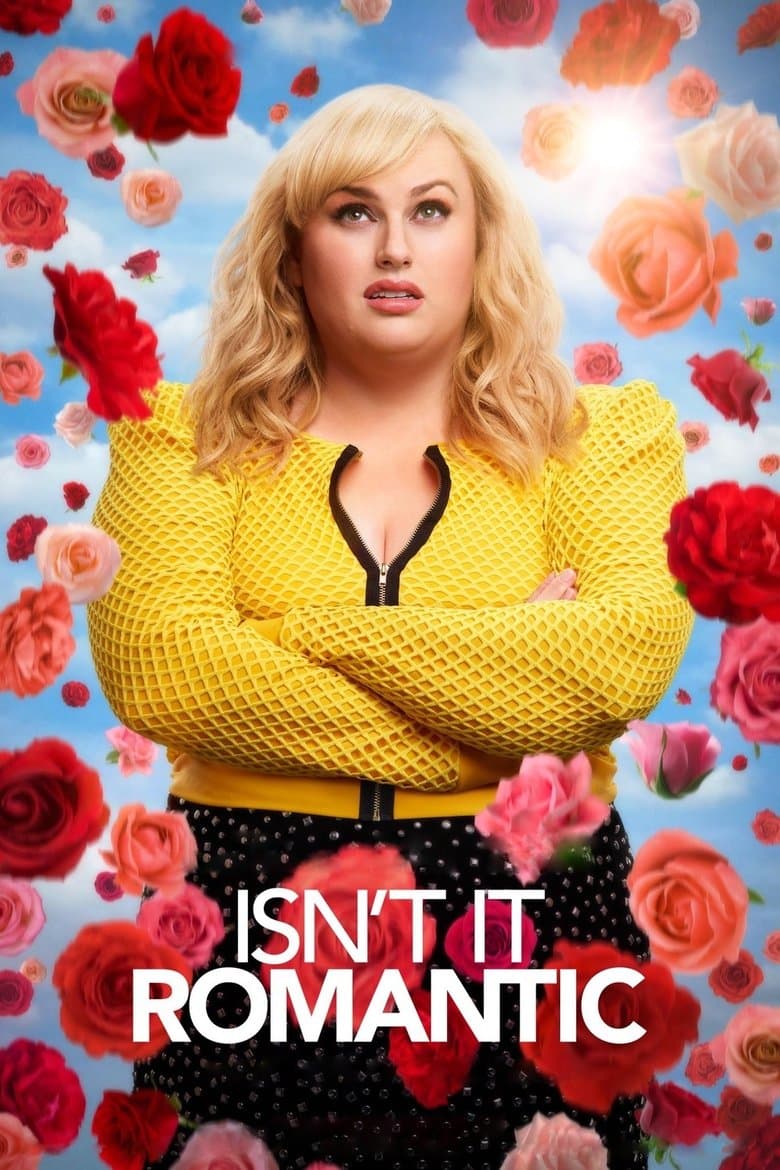
Natalie is an Australian architect living in New York who thinks romantic comedies lie about love. After she is knocked out during a subway mugging, she wakes in a bright, strange world that follows every rom-com rule. A rich client wants her, her plain apartment becomes a dream home, and her rude neighbor turns into a cheerful gay friend. Natalie tries to escape by finding the right man, while her old friend Josh becomes engaged to another woman.
The film gives a plus-size woman the main romantic role and lets her be desired without making her weight the whole joke. It also uses Donny to show the old gay best-friend stereotype, then makes Natalie question why he has no life outside helping her. Natalie learns that a makeover, a rich boyfriend, and a wedding speech cannot fix her fear of being unworthy. The story ends by joining self-love with a traditional romance, so its message is clear but light and wrapped in parody.
Community feedback
Was our 50% Woke rating accurate?
Breakdown
These are the editorial factors and ratings behind our score for Isn't It Romantic.
Woke representation / casting
The film puts a plus-size woman at the center of a romance and treats her as a normal love interest. The film makes Donny an openly gay friend and uses his exaggerated behavior to point at the old gay-sidekick stereotype. Rebel Wilson also publicly described the role as plus-size representation and pushed for an openly gay actor in the part. These choices are easy to see, but the story remains a broad rom-com parody rather than a representation-first drama.
50%
Woke political dialogue
The film jokes that Donny's exaggerated gay persona is setting gay rights back by 100 years. The film also links the office rivalry between women to the idea that they should work together against the patriarchy. These lines use activist language, but the characters deliver them as quick jokes inside a parody. The story has no long political speech or detailed party message.
34%
Identity-driven story themes
The story makes self-acceptance the main lesson of Natalie's journey. The film says a woman does not need a makeover, a rich man, or outside praise to have value. The film also questions why gay friends and women outside the usual beauty mold are pushed into side roles. The ending still gives Natalie a conventional male-female romance, so the identity message stays mixed with familiar genre wishes.
44%
Western institutional / cultural critique
The film shows Natalie being treated like an assistant at her architecture job even though she is an architect. The film criticizes beauty rules and rom-coms that tell women they need a perfect man. The film also mocks the old gay-best-friend role and links workplace rivalry to patriarchy. These points are clear cultural criticism, but the movie keeps them short and comic.
40%
Woke character or canon changes
Not relevant. Original screenplay with no source material, historical figures, or established characters altered for ideological reasons.
0%
Anti-woke backlash and complaints
Not present. No documented complaints in reviews, forums, or news treating the film as pushing woke, DEI, or identity politics; reception stayed focused on laughs and execution.
0%
Creator track record context
The director and producers mostly have commercial comedy records with little public political activity. The writers have mild progressive or feminist signals in their past work. The writers also described this film as feminist and concerned with how romance movies shape women. That gives the creative team a low but real woke signal.
26%
Production

Movie · 2019
A struggling musician realizes he's the only person on Earth who can remember The Beatles after waking up in an alternate reality where the group was forgotten.
Movie · 2023
Hapless family man Paul Matthews finds his life turned upside down when millions of strangers suddenly start seeing him in their dreams.
Movie · 2026
Poppy's a free spirit. Alex loves a plan. After years of summer vacations, these polar-opposite pals wonder if they could be a perfect romantic match.

Movie · 2019
A boy is given the ability to become an adult superhero in times of need with a single magic word.
Movie · 2024
Fran likes to think about dying. It brings sensation to her quiet life. When she makes the new guy at work laugh, it leads to more: a date, a slice of pie, a conversation, a…

Movie · 2021
Two teenagers trapped in an endless time loop set out to find all the tiny things that make that one day perfect.
Movie · 2021
When single mom Callie and her two kids Trevor and Phoebe arrive in a small Oklahoma town, they begin to discover their connection to the original Ghostbusters and the secret…
Movie · 2023
Two romantic burnouts, Jane and Will, are immediately drawn to each other at a mutual friend’s wedding. After a disastrous hookup in the coatroom, the two spend the next 24 hours…
