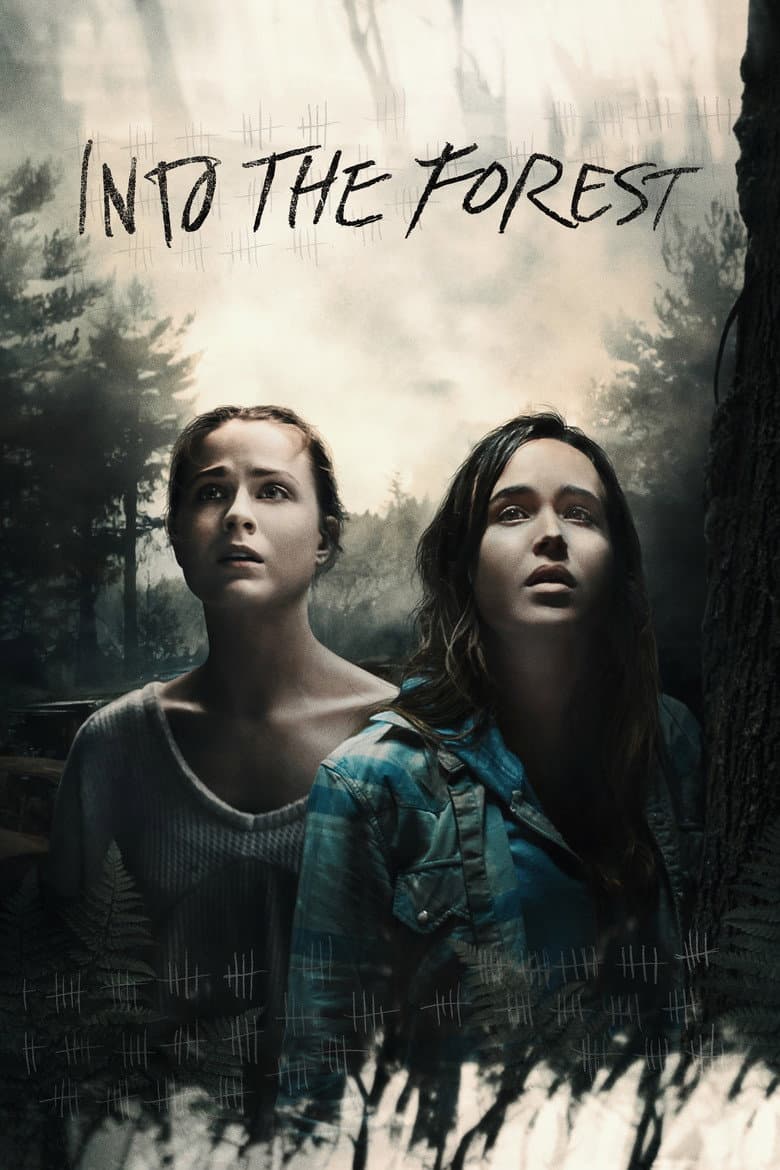
Into the Forest follows teenage sisters Nell and Eva, who live with their father in a remote Pacific Northwest home. A huge power failure cuts off electricity, cars, phones, food, and contact with the outside world. After their father dies and a violent man attacks Eva, the sisters must hunt, guard their home, and survive hunger, fear, and grief. The quiet story grows darker as they face a pregnancy caused by the attack, a hard birth, and the loss of their old life.
The film puts female strength and sisterly loyalty at the center of the survival story. Nell and Eva protect each other, learn skills, and make the main choices without a man saving them. Eva’s rape, pregnancy, and decision to keep the baby make the female body, motherhood, and personal choice major parts of the story. The film also treats dependence on fuel and modern technology as a danger, while the forest and simple living offer a possible new start.
Community feedback
Was our 40% Woke rating accurate?
Breakdown
These are the editorial factors and ratings behind our score for Into the Forest.
Woke representation / casting
The film puts two white sisters in the leading roles, which fits the family and forest setting. The story makes them the heroes and keeps men in smaller roles. Film interviews frame the project as a rare female-led survival story with a female viewpoint. That identity framing adds a light woke representation signal, but the casting does not show a forced racial mix or a gender swap.
24%
Woke political dialogue
Not present in this title.
0%
Identity-driven story themes
The film makes female self-reliance and sisterhood the center of its survival story. Nell and Eva protect each other and solve the main problems without male rescue. Eva’s rape, pregnancy, abortion debate, and choice to keep the baby place women’s bodies and personal choice at the center of the drama. The film presents this bond and strength as the hopeful answer to a broken society, although it avoids a wider activist speech.
45%
Western institutional / cultural critique
The film treats dependence on fossil fuels, electricity, phones, and consumer comfort as a danger after the blackout. The story makes forest skills and simple living look like the path that remains. This is a mild environmental and anti-tech message, but the film does not attack capitalism, religion, or present-day political institutions.
15%
Woke character or canon changes
Not present in this title.
0%
Anti-woke backlash and complaints
Not present in this title.
0%
Creator track record context
Patricia Rozema has a long record of feminist and queer independent films. Elliot Page had visible LGBTQ rights work and related producing projects before this film. Interviews around the film stress female-led storytelling, gender equality, and a female viewpoint. This context supports the film’s feminist tone, but the film itself is not a queer project.
47%
Production

Movie · 2020
2038: George Almore is working on a true human-equivalent AI, and his latest prototype is almost ready. This sensitive phase is also the riskiest as he has a goal that must be…
Movie · 2017
Caesar and his apes are forced into a deadly conflict with an army of humans led by a ruthless Colonel. After the apes suffer unimaginable losses, Caesar wrestles with his darker…

Movie · 2017
Thirty years after the events of the first film, a new blade runner, LAPD Officer K, unearths a long-buried secret that has the potential to plunge what's left of society into…
Movie · 2024
In 1985, the murder of a government-sponsored superhero draws his outlawed colleagues out of retirement and into a mystery that threatens to upend their personal lives and the…
Movie · 2018
Jonathan is a young man with a strange condition that only his brother understands. But when he begins to yearn for a different life, their unique bond becomes increasingly tested.
Movie · 2016
A father and son go on the run after the dad learns his child possesses special powers.
Movie · 2021
A couple fights to hold their relationship together as a memory loss virus spreads and threatens to erase the history of their love and courtship.

Movie · 2016
Captain William Stanaforth is on a one-way solo mission to take the first steps in colonising Mars. Like all pioneers throughout history, Stanaforth will face insurmountable odds…
