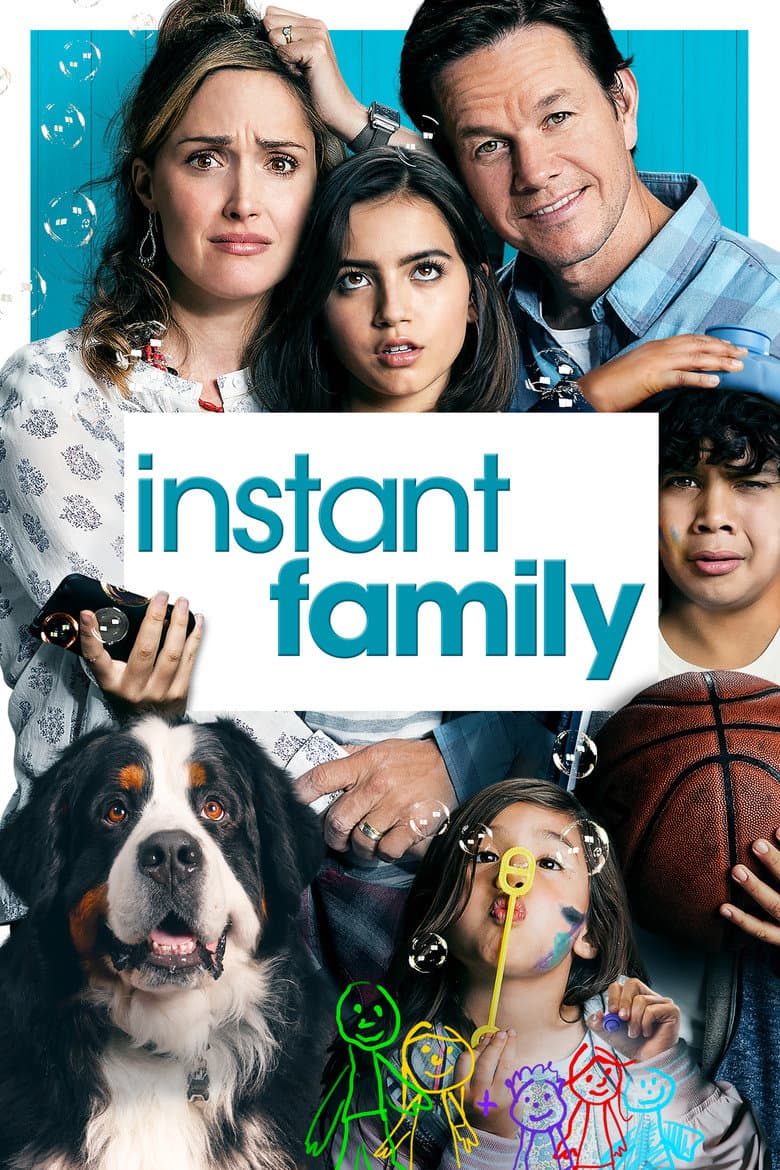
Pete and Ellie Wagner are a childless couple who flip houses for a living. They sign up for foster-care training hoping to take in one young child. Instead they foster three Latino siblings, including teen Lizzie and her younger brother and sister. The film follows chaos from trauma, birth-mom reunification pressure, and court drama as they fight to adopt the kids. It stays a mainstream family comedy-drama about commitment, mess, and building a home.
The story includes brief, self-aware nods to race, class, and who shows up to foster-parent classes. Pete names white savior worries about fostering Hispanic kids, and a social worker pushes back hard. Training scenes show a same-sex couple, a religious couple, and other mixed foster-parent types. Transracial adoption and a background gay couple sit in the world but do not drive the plot. Marriage, family, and ordinary parenthood are treated as goods to keep.
Community feedback
Was our 24% Woke rating accurate?
Breakdown
These are the editorial factors and ratings behind our score for Instant Family.
Woke representation / casting
White leads foster three Latino siblings, matching Anders’s real family. Octavia Spencer and Tig Notaro play the main social workers. Training scenes include a same-sex couple, a religious couple, and other mixed foster-parent types. The diversity is easy to see and fits modern foster care rather than swapping lead roles for identity reasons.
28%
Woke political dialogue
Pete names white savior worries about fostering Hispanic kids. Karen snaps that the system cannot mark them whites only and that critics should ask how many kids they have adopted. Training also jokes about Blind Side-style motives. Identity talk shows up once as comedy and pushback, not as a long lecture.
20%
Identity-driven story themes
The main story is foster parenting, sibling loyalty, trauma, and court outcomes. Race, gender, and queer identity are not the driving arcs. Transracial adoption and a background gay couple appear in the world, but they do not run the plot or the moral message.
18%
Western institutional / cultural critique
Foster rules and reunification-first policy create conflict for the family. Marriage, extended family, and ordinary American parenthood are treated as goods to keep. The film does not push a long attack on Christianity, patriarchy, or the West.
8%
Woke character or canon changes
Not relevant. original contemporary story inspired by Anders’s life, not an identity rewrite of established characters or history.
0%
Anti-woke backlash and complaints
Not present. No clear anti-woke campaign branding the film DEI, propaganda, or too woke. Coverage and reaction were mostly warm family-movie reception. Left-leaning white savior essays exist but do not count here.
0%
Creator track record context
Cached creatives score low. The track is commercial comedy and personal foster-care experience. It is not activist or identity-politics filmmaking.
5%
Production

Movie · 2018
An American hypochondriac who is working as a baggage handler is forced to confront his fears when a British teenager with a terminal illness enlists him to help her carry out her…
Movie · 2017
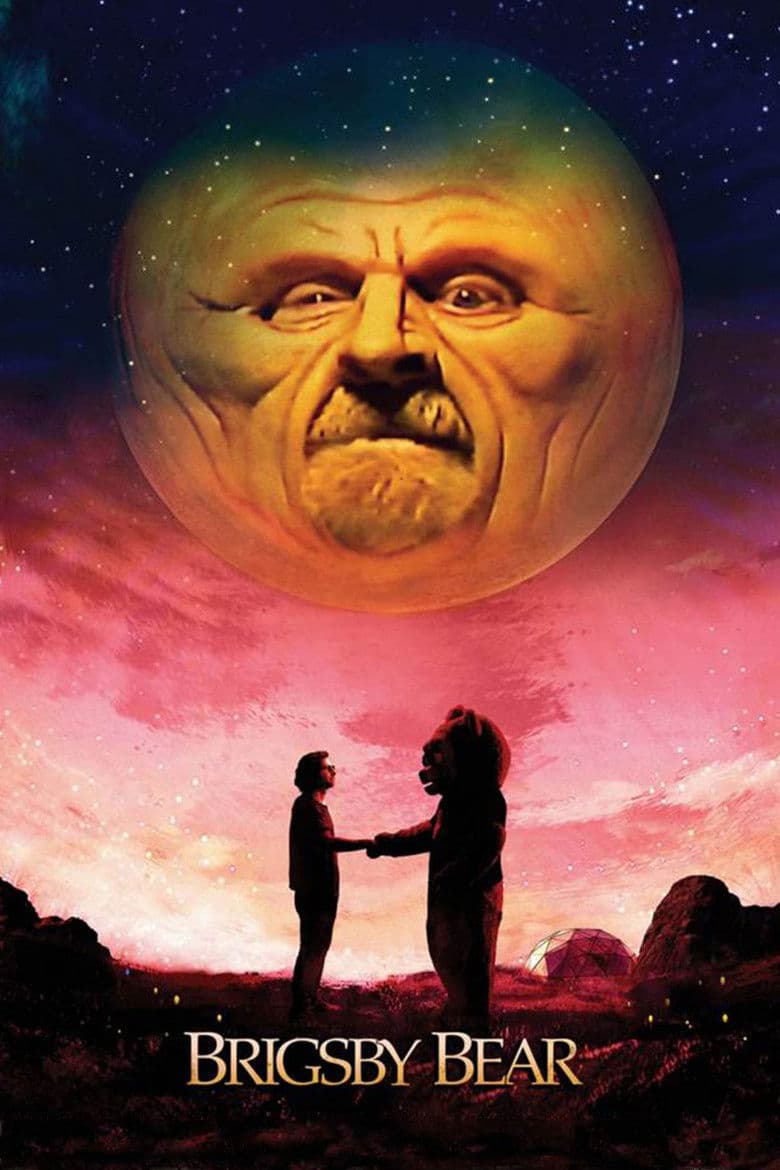
Brigsby Bear Adventures is a children's TV show produced for an audience of one: James. When the show abruptly ends, James's life changes forever, and he sets out to finish the…

Movie · 2023
The true story of how Dave Fishwick, a working class man and self-made millionaire, fought to set up a community bank so that he could help the local businesses of Burnley not…

Movie · 2022
The remarkable true story of how retiree Jerry Selbee discovers a mathematical loophole in the Massachusetts lottery and, with the help of his wife, Marge, wins $27 million…
Movie · 2019
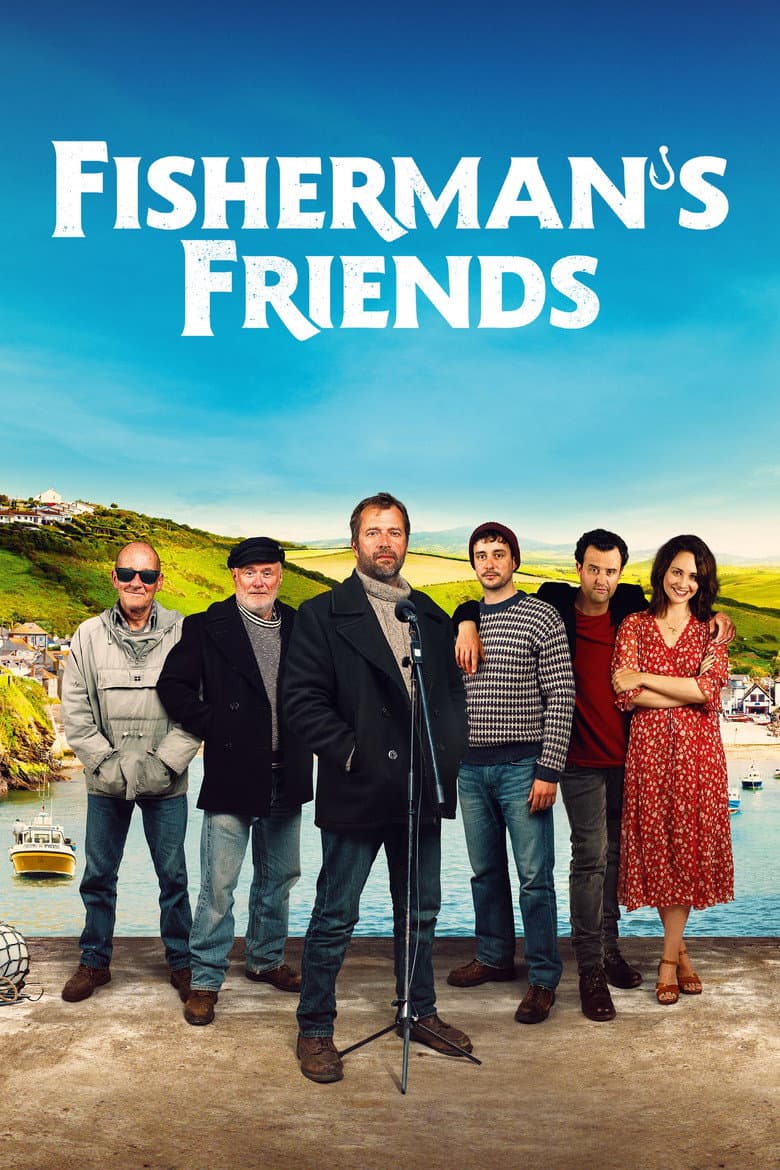
Ten fishermen from Cornwall are signed by Universal Records and achieve a top ten hit with their debut album of Sea Shanties.
Movie · 2022
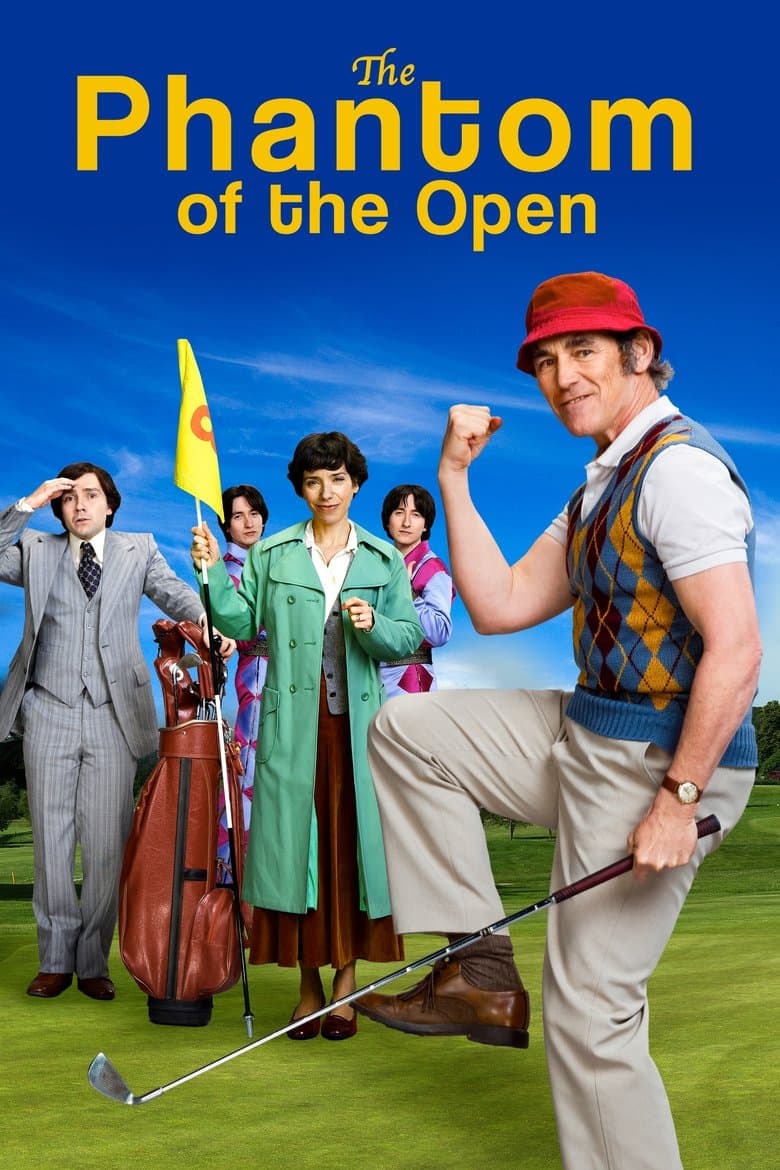
Maurice Flitcroft, a dreamer and unrelenting optimist, managed to gain entry to The British Open Golf Championship qualifying in 1976 and subsequently shot the worst round in Open…
Movie · 2017
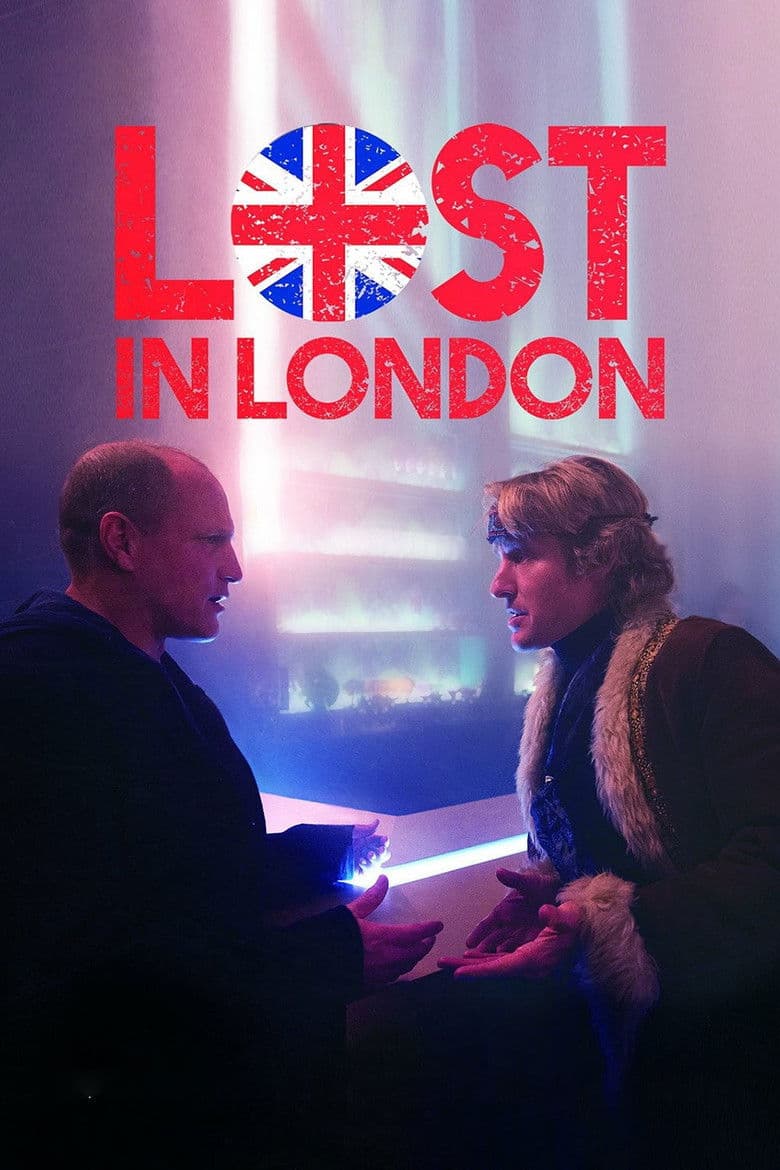
Within the course of a night, Woody Harrelson finds himself in a misadventure in London that winds him up in prison.

Movie · 2016
Aspiring New York City artist John Hollar returns to his Middle America hometown on the eve of his mother’s brain surgery.
