Movie review
June 14, 2018 · 118 min · PG · Kids · Animation · Action · Adventure · Family
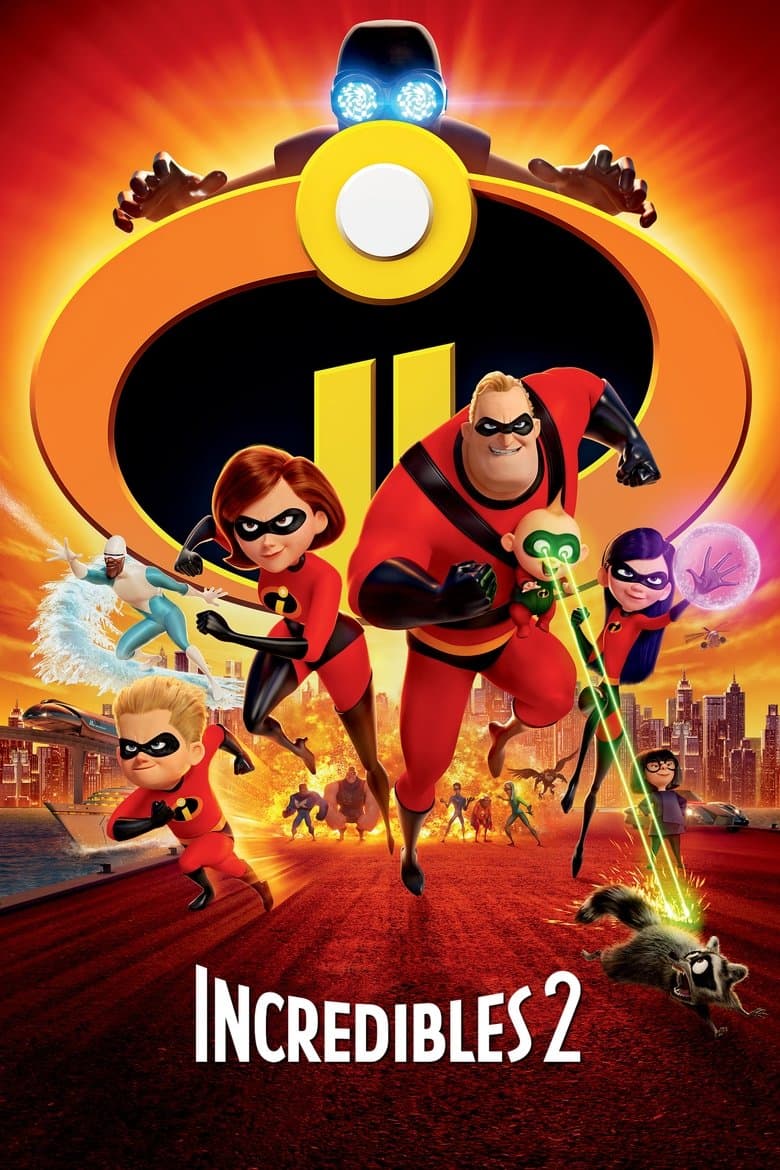
The Parrs are a family of secret superheroes in a mid-century-style city where supers are still banned. After a big fight causes heavy damage, the government cuts their help. Rich siblings Winston and Evelyn Deavor hire Helen (Elastigirl) as the face of a plan to make the public like supers again. Bob (Mr. Incredible) stays home with Violet, Dash, and baby Jack-Jack, whose powers are just starting. A villain called Screenslaver uses screens to control people, and the family has to work together to stop a bigger plot.
The story is mostly family comedy, action, and a warning about living through screens. What stands out for this review is the clear role flip: Helen is the public hero while Bob does schoolwork, teen drama, and baby chaos. Helen and Evelyn also talk about work in a “man’s world,” and reviews and ads pushed Elastigirl as the star. Some viewers called that a feminist or political kids-movie message. There is no confirmed LGBTQ plot, no big race or gender swap of the old heroes, and no heavy anti-West or identity-politics lecture. Creators’ public records are low on activist themes. Normal viewers will notice mom-as-hero and dad-at-home more than any deep social-justice campaign.
Community feedback
Was our 41% Woke rating accurate?
Breakdown
These are the editorial factors and ratings behind our score for Incredibles 2.
Woke representation / casting
Returning Parr family and Frozone match the first film. New roles still put capable women in big spots: Elastigirl as the chosen public hero, Evelyn as the top tech mind and true villain, plus Voyd and a female ambassador. Modern city setting makes this natural, not a hard demographic mismatch, so weight stays light.
25%
Woke political dialogue
Helen and Evelyn talk about work credit and a “man’s world.” Bob briefly bristles that big problems need big solutions when he is not picked first. Screenslaver’s screen speeches target media addiction and relying on heroes, not modern identity slogans. Occasional, not constant lectures.
22%
Identity-driven story themes
The whole story is built on flipping home and work roles: Helen fights crime in public while Bob runs the house and kids. Ads and many reviews sold Elastigirl as the star. That gender-role swap is easy to see, but the movie stays a family adventure, not a race, queer, or DEI-centered plot.
40%
Western institutional / cultural critique
Light workplace-gender talk and a villain who says people lean too hard on supers and screens. The film does not attack churches, Western life as evil, or treat traditional family as the enemy; Bob remains a loving dad who grows, not a permanent punchline.
12%
Woke character or canon changes
The Deavor villain sibling was first a brother (Nelson), then rewritten as Evelyn so she could bond with Helen over work and gender dynamics. The core Parr heroes are not race- or gender-swapped. Mild identity-tinged rewrite, not a rewrite of legacy heroes’ race or sexuality.
14%
Anti-woke backlash and complaints
Some viewers and social posts called it a feminist or political kids film and wanted politics out of cartoons; outlets noted that reaction. Complaints exist but never became a huge, lasting national scandal.
24%
Creator track record context
Cached scores for Brad Bird and the listed Pixar writers, producers, and casting leads are low. Their known work centers on family stories and craft, not activist identity projects.
10%
Production

Movie · 2018
Peter Rabbit's feud with Mr. McGregor escalates to greater heights than ever before as they rival for the affections of the warm-hearted animal lover who lives next door.
Movie · 2019
As Hiccup fulfills his dream of creating a peaceful dragon utopia, Toothless’ discovery of an untamed, elusive mate draws the Night Fury away.
Movie · 2016
When the galaxy comes under the threat of a nefarious space captain, a mechanic and his newfound robot ally join an elite squad of combatants to save the universe.
Movie · 2017
Gru and his wife Lucy must stop former '80s child star Balthazar Bratt from achieving world domination.
Movie · 2021
The Guardians of Arcadia reunite to battle the nefarious Arcane Order, who've reawakened the primordial Titans.
Movie · 2025
When a faithful police dog and his human police officer owner are injured together on the job, a harebrained but life-saving surgery fuses the two of them together and Dog Man is…

Movie · 2017
Six young ninjas are tasked with defending their island home of Ninjago. By night, they’re gifted warriors using their skill and awesome fleet of vehicles to fight villains and…
Movie · 2016
While Po and his father are visiting a secret panda village, an evil spirit threatens all of China, forcing Po to form a ragtag army to fight back.
