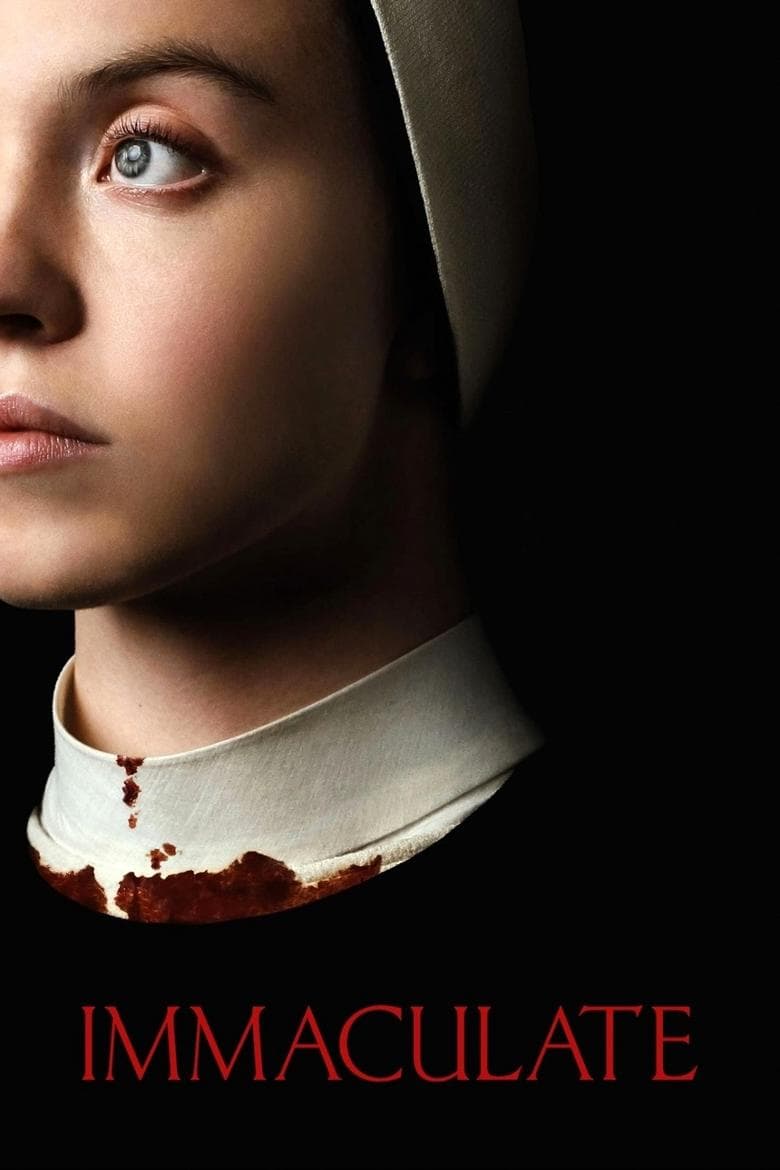
Immaculate is a 2024 horror film in which Sydney Sweeney plays Sister Cecilia, a devout American novice who joins a remote Italian convent after surviving a childhood drowning that she believes was divine intervention. She discovers that the convent's priest, a former geneticist, has been using DNA extracted from a relic of the crucifixion to artificially inseminate virgin nuns in repeated attempts to engineer the birth of a new messiah, with many prior efforts resulting in deformed fetuses. The story unfolds as body horror and psychological thriller centered on Cecilia's loss of bodily control, imprisonment, and violent efforts to escape and reclaim agency as the pregnancy progresses against her will. The narrative and critical reception highlight themes of reproductive control by religious authority and a woman's fight against being treated as a vessel, drawing connections in reviews to contemporary debates over bodily autonomy.
Community feedback
Was our 48% Woke rating accurate?
Breakdown
These are the editorial factors and ratings behind our score for Immaculate.
Woke representation / casting
The cast fits the story's Italian convent setting with predominantly white European actors and a white American lead in Sydney Sweeney. No audience-visible patterns of identity signaling, quota casting, or mismatched diversity in prominent roles. No complaints or marketing emphasis on representation.
0%
Woke political dialogue
The premise and structure embed critiques of religious authority using faith to justify control over a woman's reproduction and body, including scenes of denial of medical care and branding. Reviews note elements evoking "my body, my choice" defiance, but the film avoids extended explicit political speeches or lectures in favor of thriller plotting and horror escalation.
25%
Identity-driven story themes
The central conflict is a woman's struggle for agency over her own body against a patriarchal religious institution that views her primarily as a vessel for its goals. It emphasizes resistance to forced reproduction and subjugation within a traditional Catholic framework. This draws on gender conflict but lacks modern intersectional, racial, or queer identity elements.
30%
Western institutional / cultural critique
The film depicts the Catholic Church's hierarchy, traditions, and leaders as corrupt enablers of fanaticism, violence, mutilation, and reproductive coercion in service of a twisted messianic goal. It undermines Christianity by showing religious symbols and faith twisted into tools of oppression and horror. Critics frequently connect the story to real-world debates over religious institutions' influence on women's reproductive rights and patriarchal control, though the director has stated it was not intended as a social message.
55%
Woke character or canon changes
Not relevant. This is an original story with no established characters, canon, source material, or historical figures altered for ideological or identity-driven reasons.
0%
Anti-woke backlash and complaints
Conservative Christian viewers and commentators produced notable online backlash, describing the film as blasphemous, anti-Christian, Satanic, feminist, pro-abortion, and degrading to religion and the Virgin Mary. Some explicitly viewed it as a left-wing Hollywood effort to undermine traditional Christian values or to counter Sydney Sweeney's positive image among anti-woke audiences. Neon amplified the outrage in promotion. Complaints focus on anti-faith and reproductive themes rather than DEI or identity politics. Volume was significant in niche spaces but not a dominant mainstream controversy.
30%
Creator track record context
Writer has no notable public political record. Director has referenced family separation from church over pro-life teachings and mother's views separating faith from abortion positions as personal inspiration. Producers largely mainstream with minimal political footprints. Sweeney has posted in support of BLM, expressed pro-choice views on bodily autonomy in past interviews, and highlighted LGBTQ representation, though she later registered Republican and states she avoids politics.
15%
Production
Movie · 2017
A young man and his three younger siblings are plagued by a sinister presence in the sprawling manor in which they live.
Movie · 2017
When a priest is jailed for the murder of a nun on whom he was performing an exorcism, an investigative journalist strives to determine whether he in fact murdered a mentally ill…
Movie · 2023
Jess, a newly separated mother and nurse, moves into her old family farmhouse with Tyler, her teenage daughter, and Owen, her eight-year-old son.
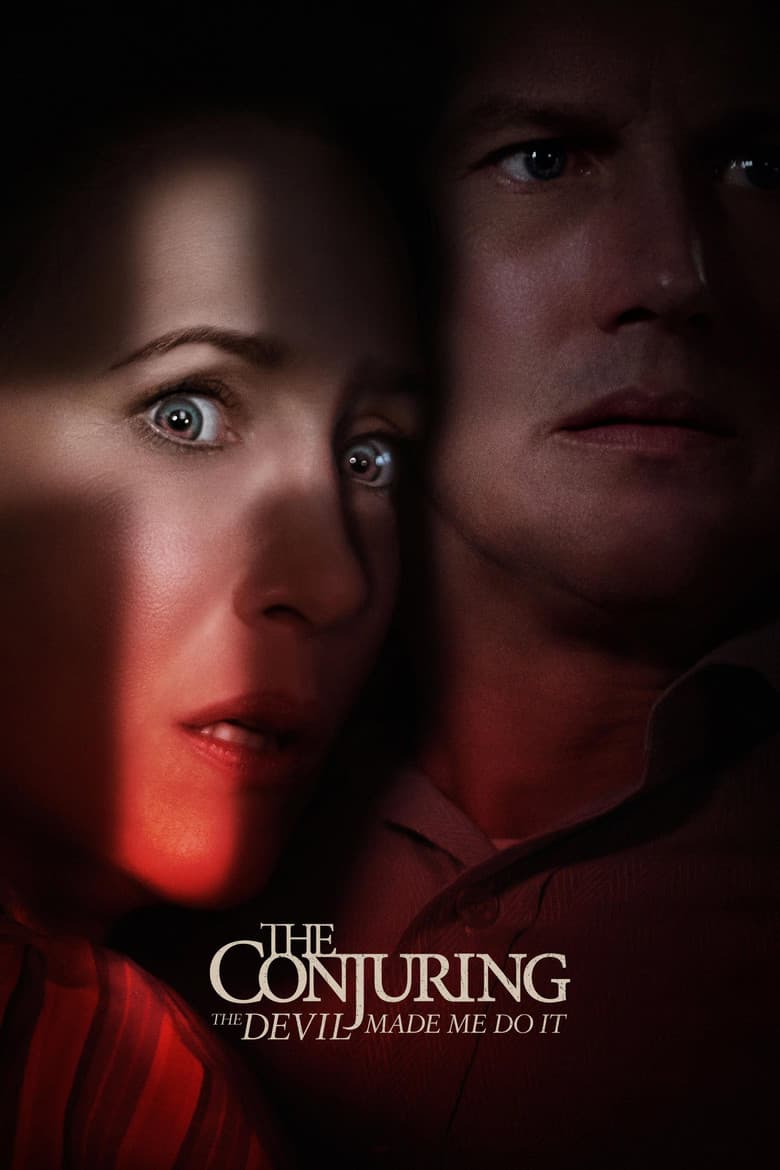
Movie · 2021
Paranormal investigators Ed and Lorraine Warren encounter what would become one of the most sensational cases from their files.
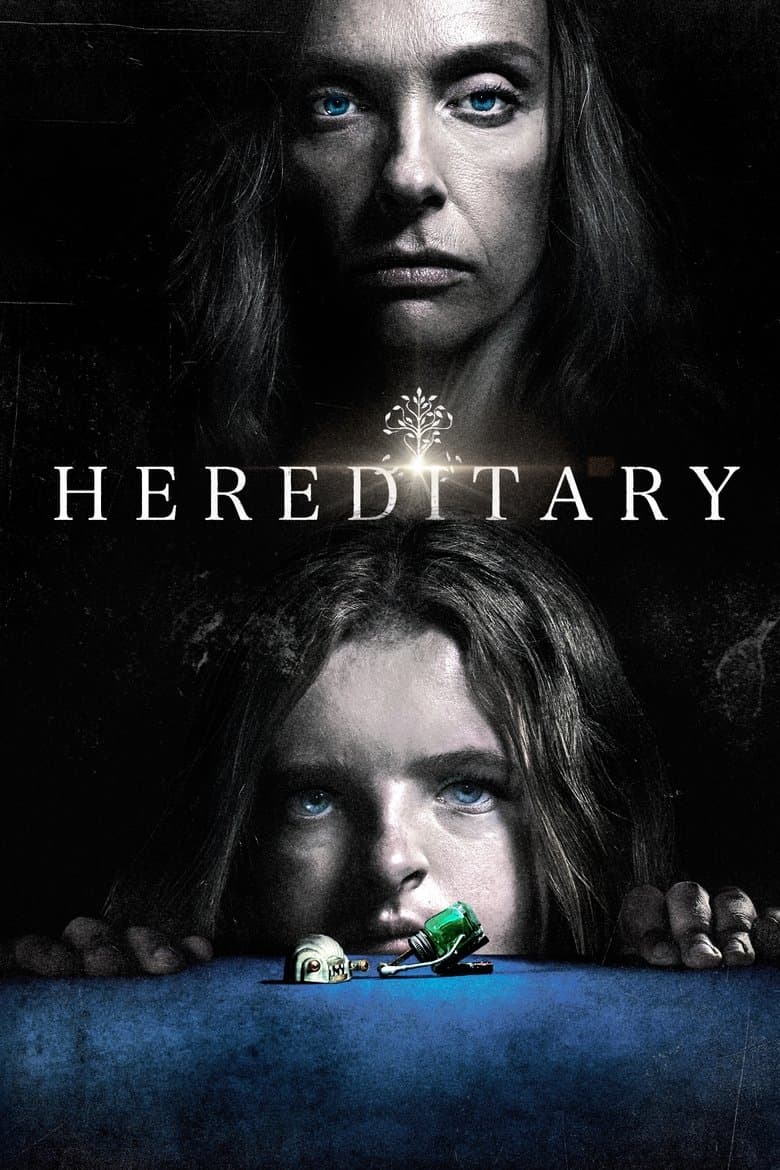
Movie · 2018
Following the death of the Leigh family matriarch, Annie and her children uncover disturbing secrets about their heritage.
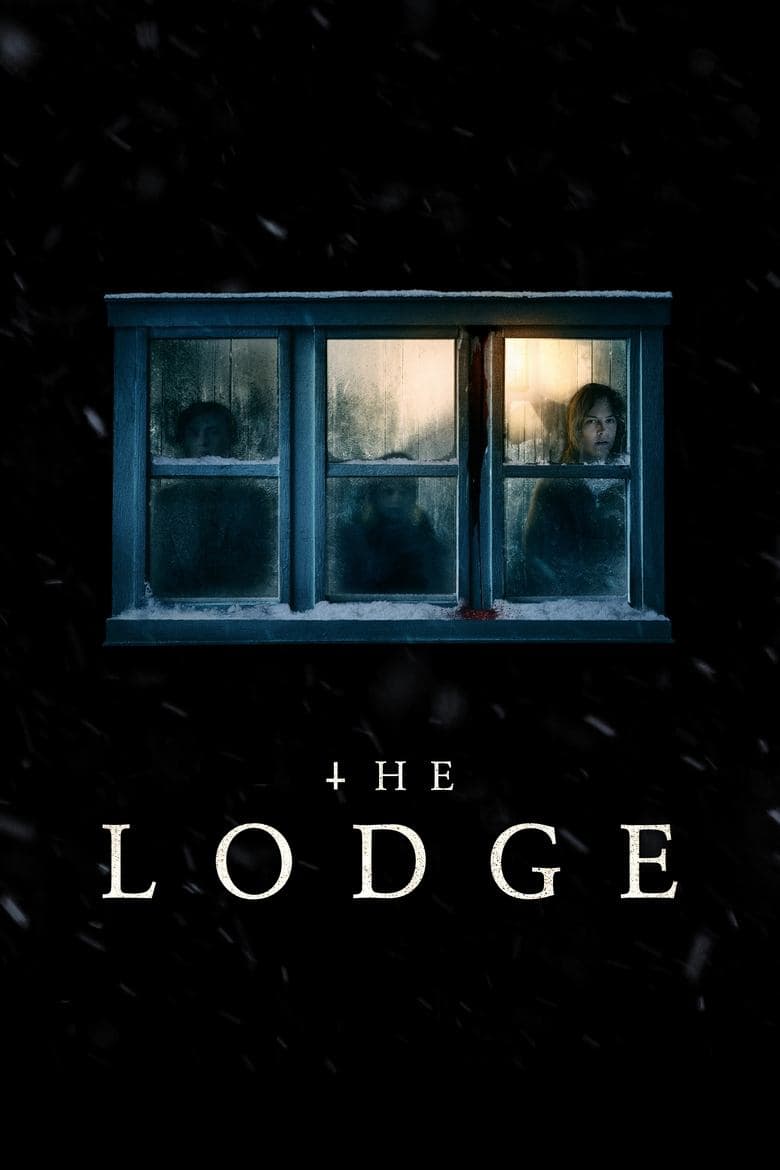
Movie · 2020
When a father is forced to abruptly depart for work, he leaves his children, Aidan and Mia, at their holiday home in the care of his new girlfriend, Grace.
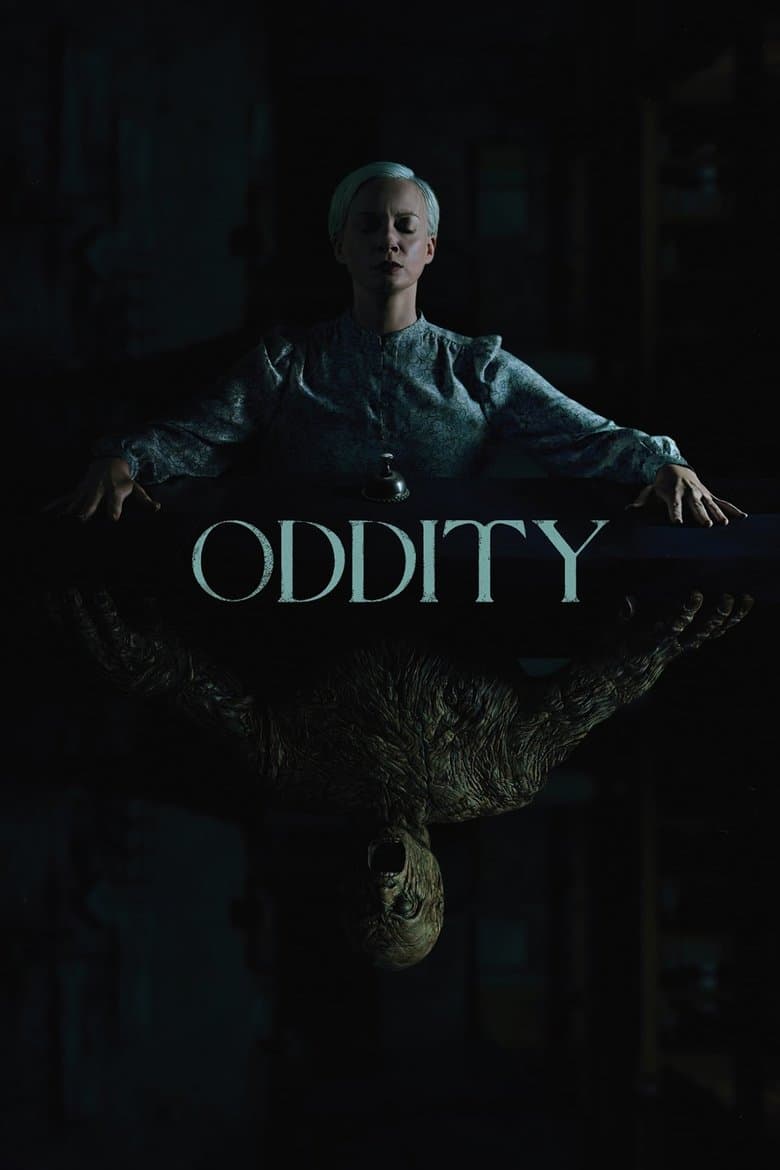
Movie · 2024
After the brutal murder of her twin sister, Darcy goes after those responsible by using haunted items as her tools for revenge.
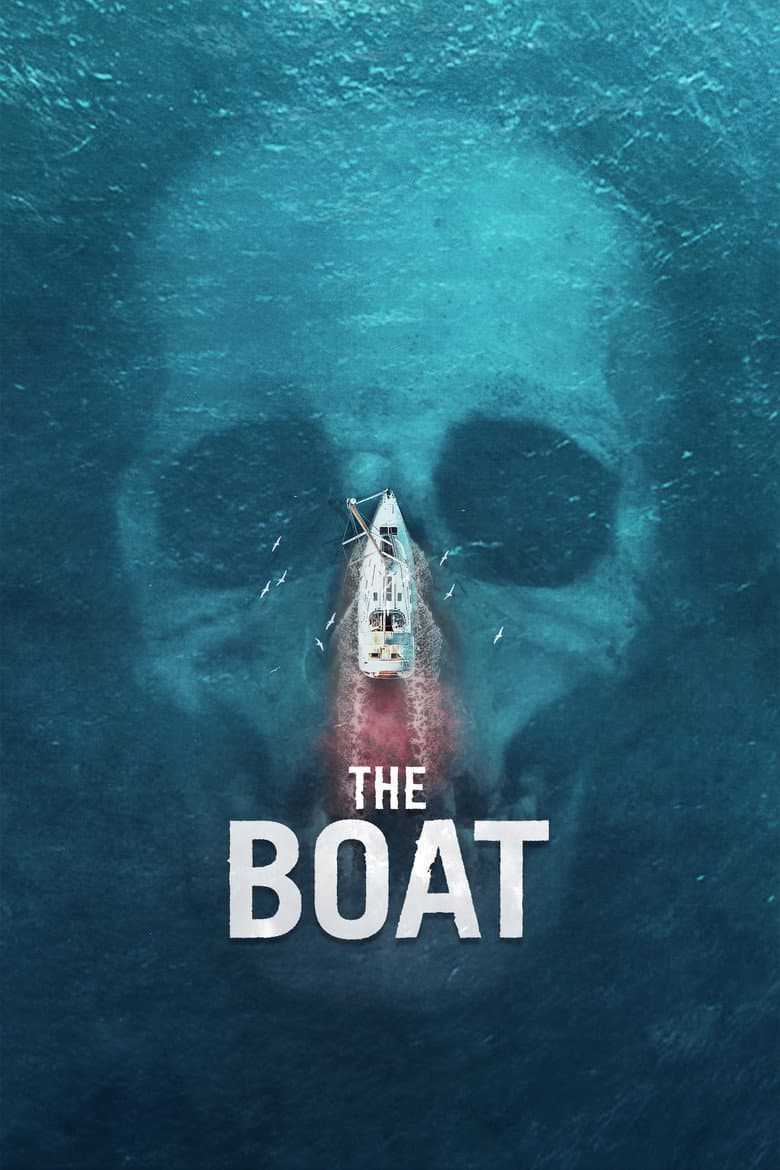
Movie · 2019
A lone fisherman on his daily run finds himself lost in a thick fog which proves impossible to navigate. The worst is yet to come when his encounter with a seemingly abandoned…
