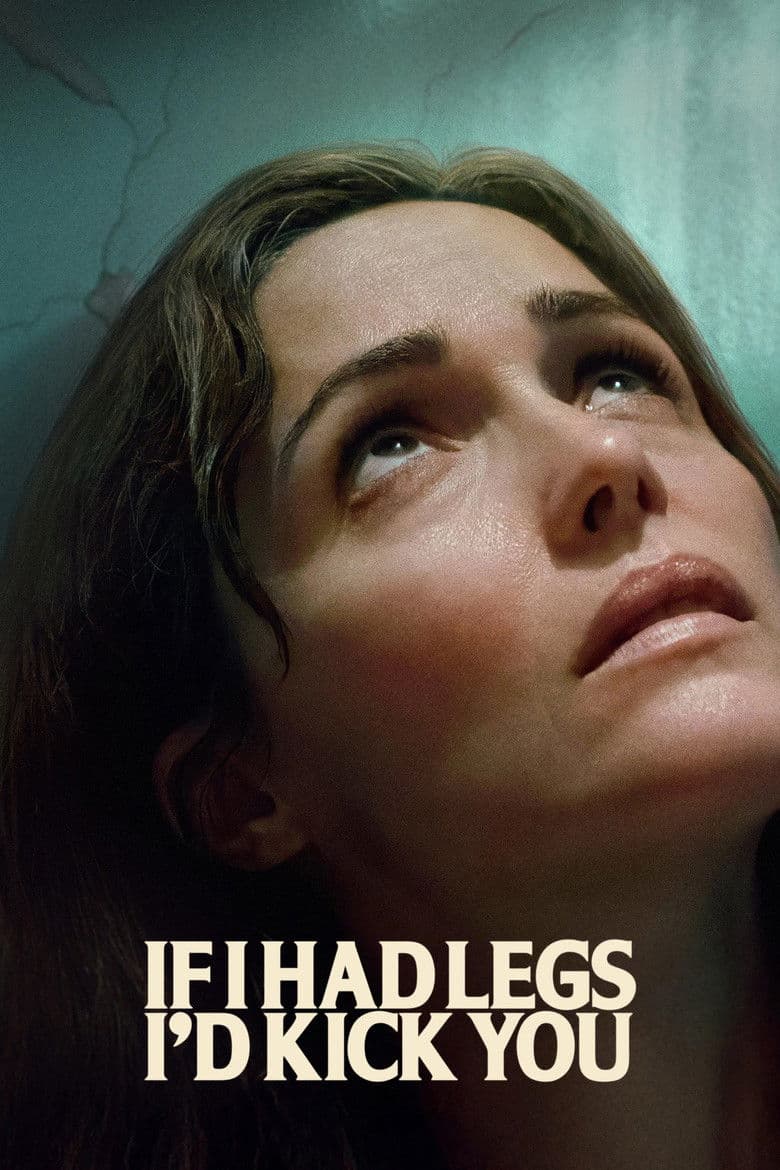
Linda is a therapist and mother whose young daughter has a serious illness that keeps her tied to medical care and a feeding tube. Linda’s husband is away for work, her apartment is damaged by a huge hole in the ceiling, and a move to a motel adds more pressure. She tries to keep working while dealing with doctors, patients, a missing person, and her own therapist. The film uses tight close-ups, harsh sounds, black humor, and dreamlike horror to show Linda’s panic as her control slips.
The strongest audience-visible woke element is the film’s focus on motherhood as an identity that can swallow a woman’s older self. Linda says she was not meant to be a mother, speaks about a past abortion, and feels trapped by the belief that she must keep caring for her child without rest. The story often shows her husband, doctors, and therapists as absent, blaming, or unable to help, which supports a mild critique of family and care expectations. The film stays focused on one woman’s breakdown and does not turn that critique into a political campaign.
Community feedback
Was our 40% Woke rating accurate?
Breakdown
These are the editorial factors and ratings behind our score for If I Had Legs I'd Kick You.
Woke representation / casting
Not present. The cast shows a modern mix of performers in a Long Island family and care setting. A$AP Rocky, Helen Hong, and Daniel Zolghadri have supporting roles, but the film does not frame those choices as a diversity statement.
0%
Woke political dialogue
Not present. Linda discusses illness, marriage, work, therapy, abortion, and survival. Her abortion disclosure is personal, and the film has no activist speech about politics, race, gender policy, or social systems.
0%
Identity-driven story themes
Linda repeatedly says she was not meant to be a mother and feels her old self disappear under nonstop care. The film keeps her daughter mostly off camera and puts the audience inside Linda’s guilt, anger, and fear. Her talk about a past abortion and the pressure placed on mothers gives the story a clear female-identity focus. The film stays centered on one woman’s crisis rather than calling for a movement or policy change.
44%
Western institutional / cultural critique
Linda faces a husband who is away and blames her, a therapist who drops her, doctors who pressure her, and care systems that offer little help. The story repeatedly shows the expected mother role as crushing and shows male or professional support failing her. These scenes create a mild critique of family and care systems. The film does not name patriarchy, capitalism, Christianity, or conservative politics.
34%
Woke character or canon changes
Not relevant. The story is original and does not change established characters, canon, source material, or historical events for identity reasons.
0%
Anti-woke backlash and complaints
Small X accounts called the film anti-child or antinatalist propaganda and grouped it with stories that say patriarchy is bad or women hate being mothers. Those posts directly frame the film as left-wing or identity-driven messaging. The posts had tiny reach, and one was a joke-like viewer reaction. No large right-leaning account, boycott call, or review-bomb campaign was found.
12%
Creator track record context
Mary Bronstein has a known focus on flawed women, female friendship, motherhood, and feminist writing. Her interviews call the film a female point-of-view story about a society that is hostile to mothers. Rose Byrne has a cached record of gender-equality advocacy and female-led production work. The other listed creators mostly have low or mild activist context.
34%
Production
Movie · 2025
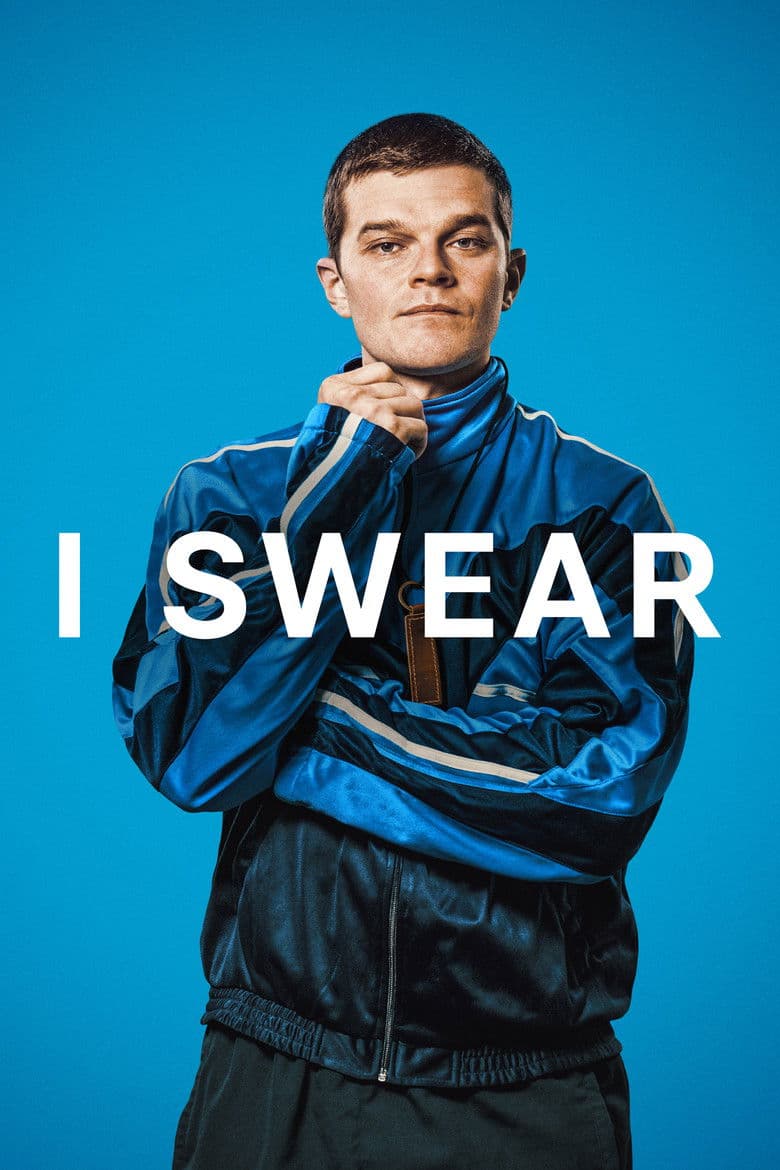
Diagnosed with Tourette Syndrome at 15, John Davidson navigates his way against the odds through troubled teenage years and into adulthood, finding inspiration in the kindness of…

Movie · 2024
On the brink of the Second World War, a young Norwegian man's drive to resist the Nazis sets a new course for his future – and the future of his country.
Movie · 2016
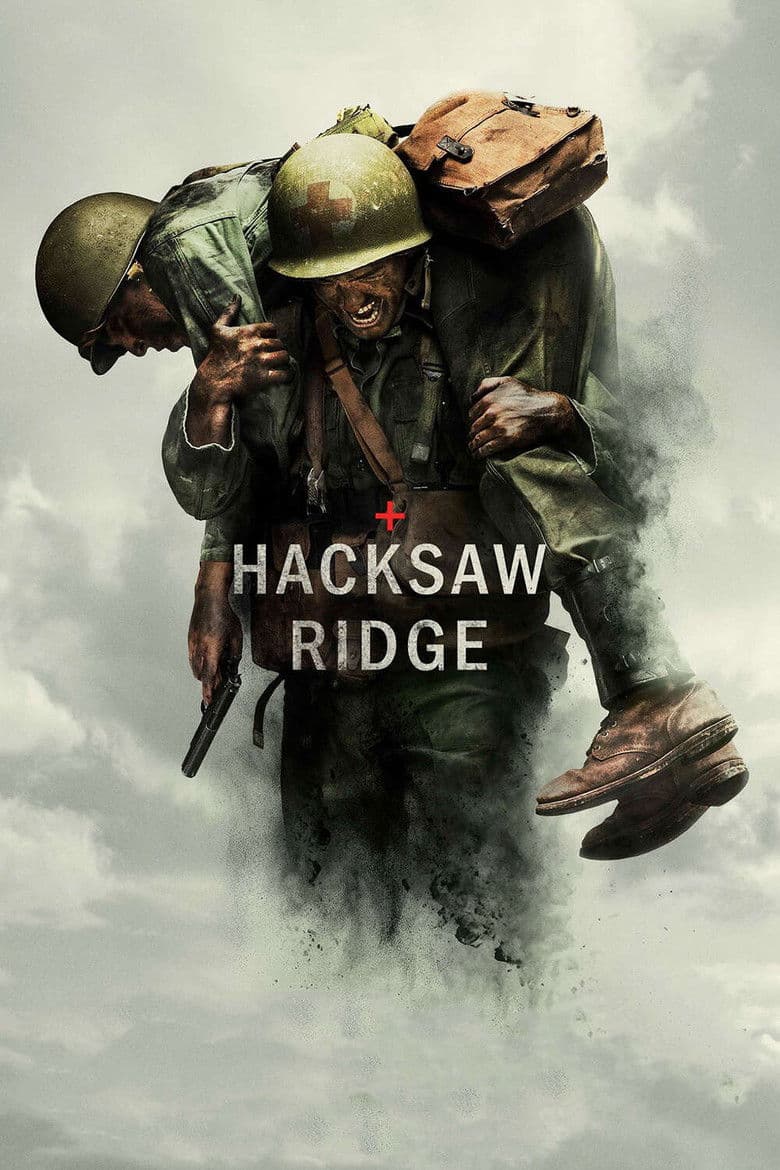
WWII American Army Medic Desmond T. Doss, who served during the Battle of Okinawa, refuses to kill people and becomes the first Conscientious Objector in American history to…

Movie · 2016
After his older brother passes away, Lee Chandler is forced to return home to care for his 16-year-old nephew.

Movie · 2023
The story of J. Robert Oppenheimer's role in the development of the atomic bomb during World War II.

Movie · 2026
While people across 1990s Iraq struggle to survive the war and food shortages, Saddam Hussein requires each school in the country to prepare a cake to celebrate his birthday.
Movie · 2023
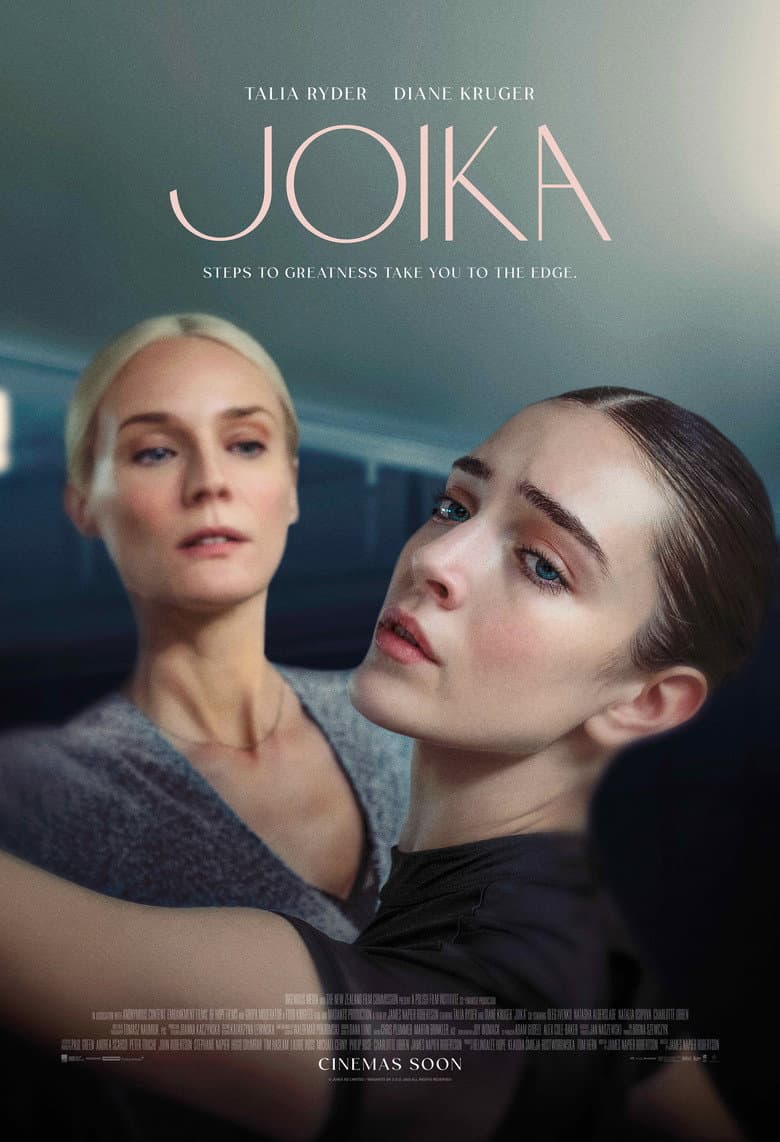
American ballet dancer Joy Womack is accepted into Moscow's infamously tough Bolshoi Ballet Academy, with the dream of becoming a great ballerina.
Movie · 2020
A man refuses all assistance from his daughter as he ages and, as he tries to make sense of his changing circumstances, he begins to doubt his loved ones, his own mind and even…
