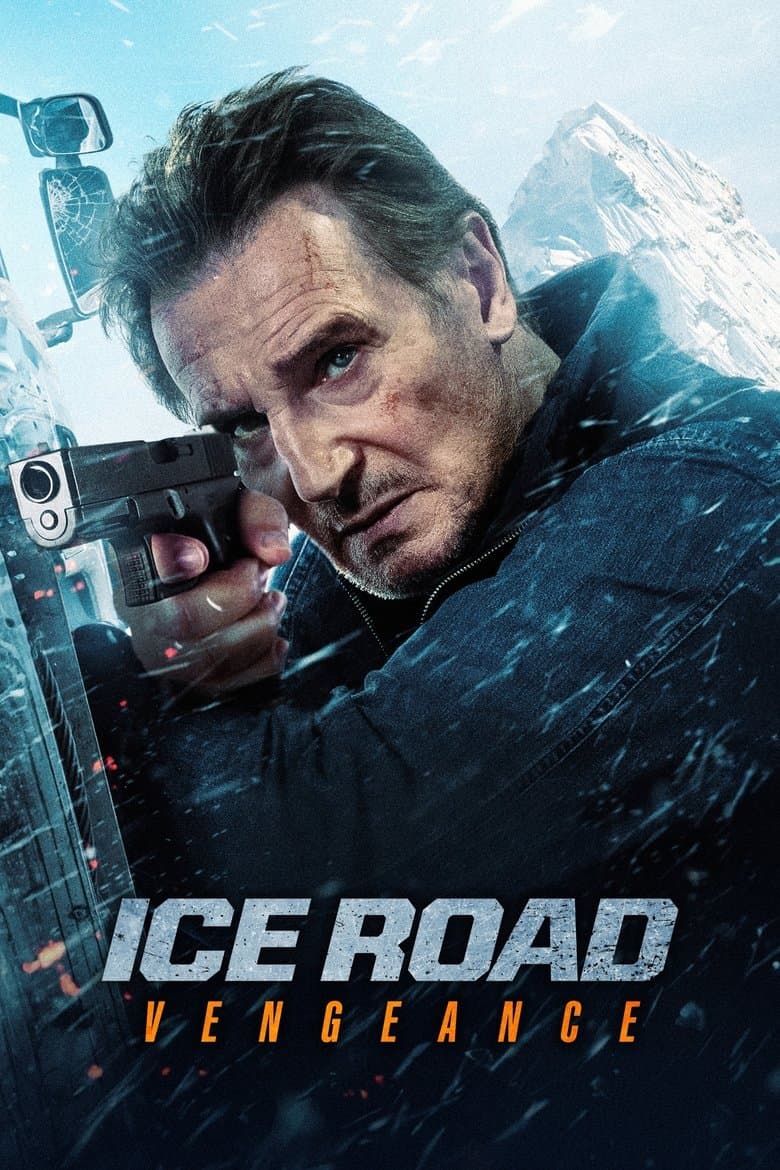
Ice Road: Vengeance is a 2025 action movie starring Liam Neeson as Mike McCann. Mike travels to Nepal to scatter his late brother's ashes on Mount Everest. While there, he and his mountain guide get caught in a battle with mercenaries hired by a corrupt company. They must fight to protect local villagers and tourists. The film features a highly competent female mountain guide who fights alongside the hero. It also has a story about an evil corporation trying to take away native village land. These elements are visible but do not take over the simple action plot.
Community feedback
Was our 24% Woke rating accurate?
Breakdown
These are the editorial factors and ratings behind our score for Ice Road: Vengeance.
Woke representation / casting
The film casts Chinese actress Fan Bingbing as Dhani, a highly capable mountain guide who has summited Mt. Everest ten times. She is shown actively fighting, incapacitating, and capturing mercenaries alongside the male lead. The movie also features other female action roles, like a ruthless female mercenary. This presents highly competent female characters in physically demanding roles, which represents visible diversity and fits typical action-hero partner tropes, but remains logical within the Nepalese setting.
20%
Woke political dialogue
The dialogue keeps activist signaling to a minimum. Unlike the first movie, which had overt comments about race and privilege, this sequel avoids heavy lectures. There are brief exchanges about native land rights and the greed of corporate developers who threaten local villages. However, the script mostly avoids modern activist buzzwords or social justice terms, keeping the conversations focused on survival and basic action.
17%
Identity-driven story themes
The plot centers on a corporate land grab where a corrupt businessman tries to displace a traditional village for a dam project. This touches on native land rights and anti-corporate greed, but it is treated like a classic good guys versus bad guys story from the 1980s. The themes do not feel like a modern, identity-first lecture, and instead serve as a simple motivation for the action.
14%
Western institutional / cultural critique
The film focuses on a corrupt local company and mercenaries in Nepal, which serves as a standard action-movie villain setup. It does not critique Western whiteness, traditional family roles, or Western culture. The main character is described as a lapsed Catholic, but his faith is treated neutrally as he tries to honor his late brother's memory.
15%
Woke character or canon changes
Not relevant. The sequel continues the journey of the main character from the first film without changing his background or retrofitting established characters for ideological reasons.
0%
Anti-woke backlash and complaints
While the first film had some complaints about its preachy dialogue, this sequel has seen almost no anti-woke backlash. Viewers on social media mostly complained about the bad special effects, poor writing, and weak action. Only a few minor comments made fun of the film's corporate-greed plot, with no major political controversy.
2%
Creator track record context
Writer and director Jonathan Hensleigh has a mild track record of putting progressive elements into his action stories, such as environmental and indigenous themes in the first film. Some of the producers have worked on social justice projects, while others focus purely on commercial movies, resulting in a moderate overall creator background.
30%
Production
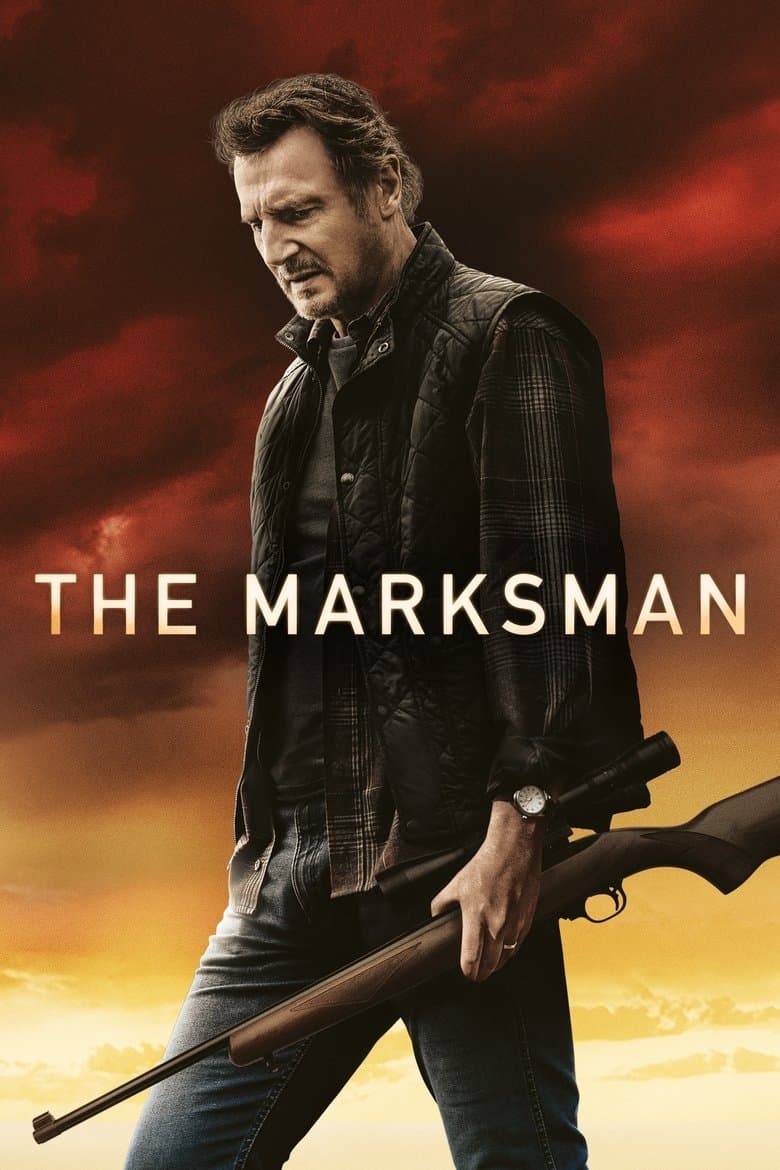
Movie · 2021
Jim Hanson’s quiet life is suddenly disturbed by two people crossing the US/Mexico border – a woman and her young son – desperate to flee a Mexican cartel.
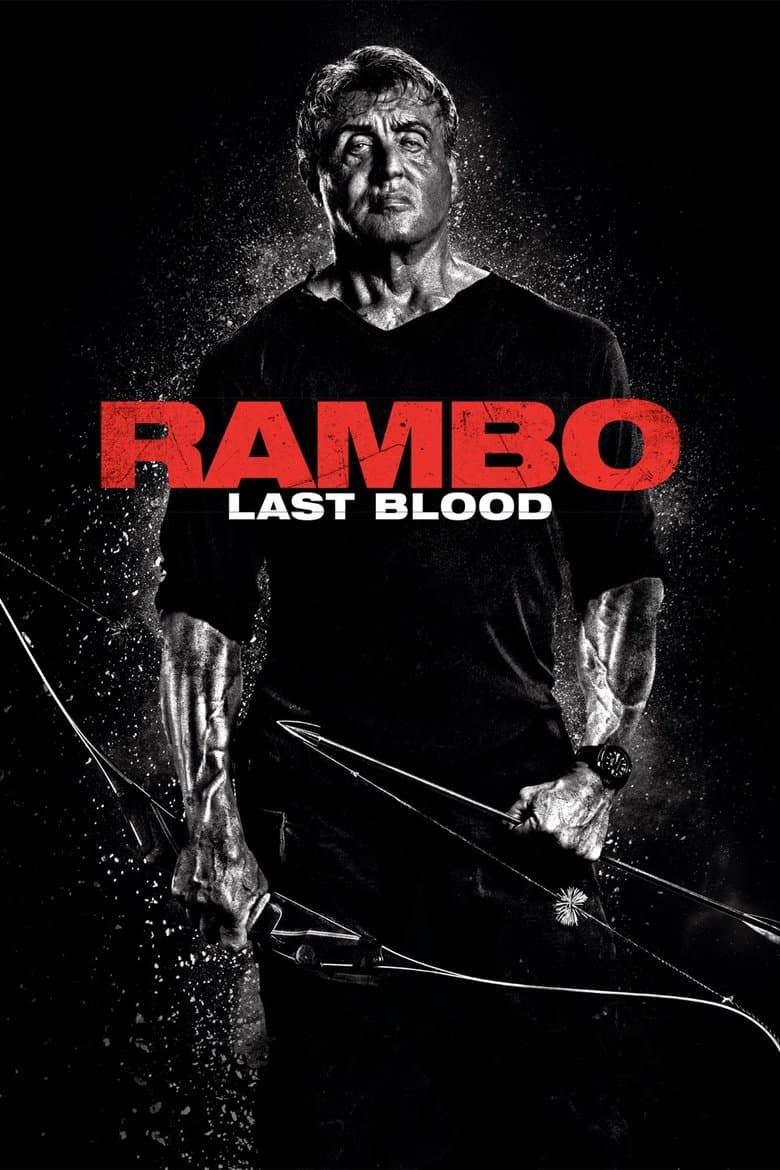
Movie · 2019
After fighting his demons for decades, John Rambo now lives in peace on his family ranch in Arizona, but his rest is interrupted when Gabriela, the granddaughter of his…
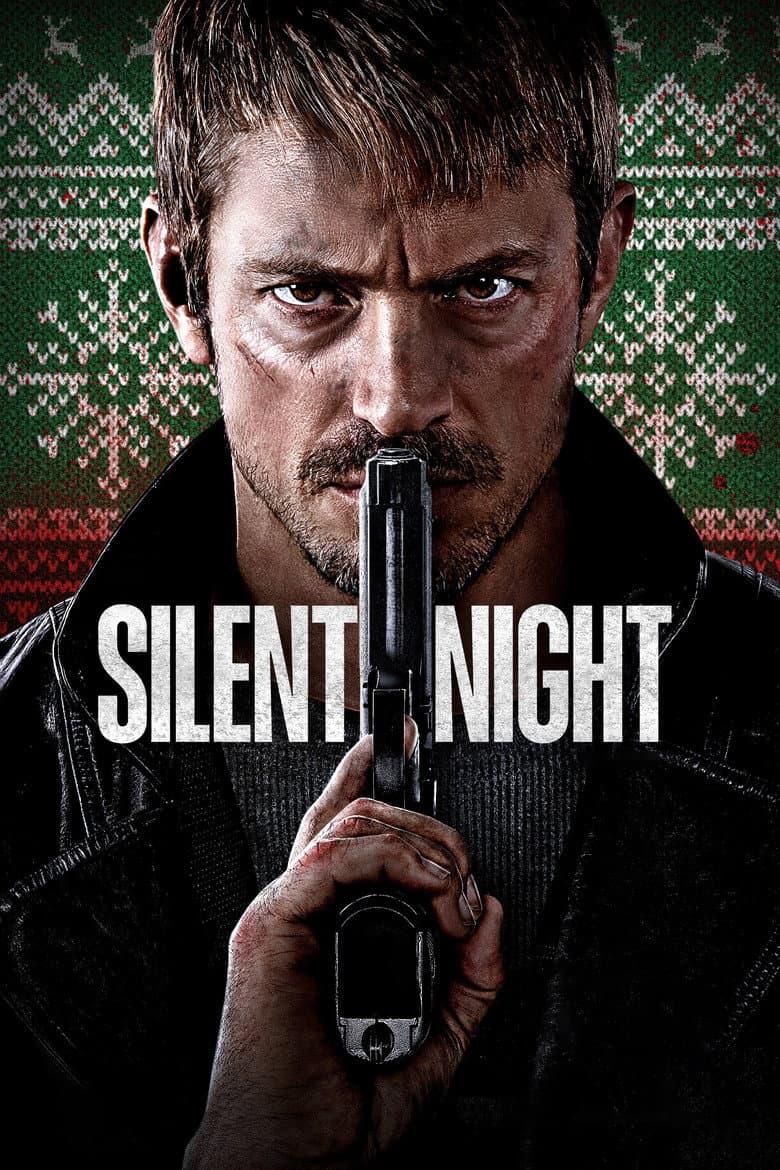
Movie · 2023
A tormented father witnesses his young son die when caught in a gang's crossfire on Christmas Eve. While recovering from a wound that costs him his voice, he makes vengeance his…
Movie · 2017
London, England, April 1980. Six terrorists assault the Embassy of Iran and take hostages. For six days, tense negotiations are held while the authorities decide whether a…
Movie · 2016
A young man washes ashore, his memory gone - but his past comes back to haunt him after he is nursed back to health and his killing ability is needed when he takes on a powerful…
Movie · 2016
The Coast Guard makes a daring rescue attempt off the coast of Cape Cod after a pair of oil tankers are destroyed during a blizzard in 1952.
Movie · 2018
A logger defends his family from a group of dangerous drug runners.
Movie · 2017
An American sniper and his spotter engage in a deadly cat-and-mouse game with an Iraqi sniper.
