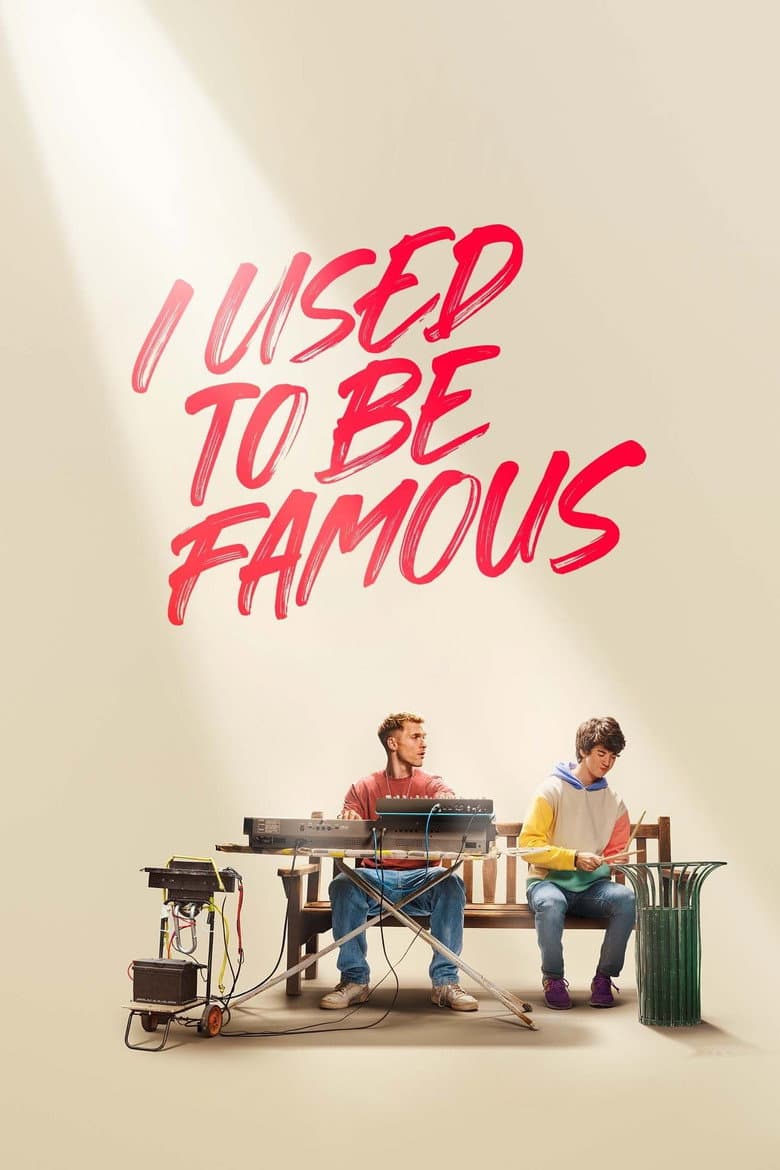
Vince is a former boy-band singer who once filled arenas. Years later he lives in Peckham, London, broke and stuck, trying to write a solo album no one wants. One day he plays keyboards in a market and meets Stevie, a gifted young drummer who is autistic. They jam, a video takes off, and they start a small duo called The Tin Men. The tone is warm, soft, and feel-good, with music at the center and real stress between dreams, family, and the music business.
What stands out most for “woke” weight is autism and neurodiversity. Stevie’s autism is a big part of the story, the ads, and the press. The film cast a neurodivergent actor in the role, worked with the National Autistic Society, and talked a lot about real representation. A music manager brushes Stevie off as a “special needs” kid, and the story treats that as wrong. Supporting roles and the London setting look mixed, and Stevie’s mum is played by a half-Japanese British actress. There is no big queer plot, no race or gender swap of a known hero, and no clear anti-woke fight online. Most viewers would notice the autism focus and the “real casting” message more than hard politics.
Community feedback
Was our 26% Woke rating accurate?
Breakdown
These are the editorial factors and ratings behind our score for I Used to Be Famous.
Woke representation / casting
Co-lead Stevie is written as autistic and cast with a neurodivergent actor after a lived-experience call, which ads and interviews push hard. Supporting faces and the Peckham setting look mixed; Amber is played by a mixed Japanese-English actress. Not a classic race/gender-swap or girlboss stack on the two main men, but identity casting is clear and sold as a point of pride.
28%
Woke political dialogue
Little activist speech about race, gender, or queer politics. The sharp line is music-business people writing Stevie off as a “special needs” kid, which the story rejects. Most talk is about friendship, gigs, family, and second chances, so any politics stay light and disability-related.
5%
Identity-driven story themes
Autism shapes the plot: overload, a careful mum, dreams of music school, and whether Vince will stick by Stevie or take a solo deal. Themes of accepting difference, not using a disabled friend as a prop, and letting him grow are easy to see. Still mainly a music-buddy and comeback tale, not a lecture on modern race or gender theory.
28%
Western institutional / cultural critique
The record label and managers look shallow when they drop Stevie for a slicker sound. That is standard “sellout industry” stuff, not a big attack on Western faith, family, or “toxic men.” A church drum circle is shown in a warm, helpful way.
0%
Woke character or canon changes
Not relevant. This is an original story grown from Sternberg’s own short, not a remake that rewrites a famous book, brand, or real historical figure for DEI reasons.
0%
Anti-woke backlash and complaints
No major right-leaning or anti-woke campaign calling the film propaganda, forced diversity, or “too woke” showed up in mainstream or social search. Coverage stayed on feel-good praise and autism representation.
0%
Creator track record context
Key voice is Sternberg at 30 for representation and neurodiversity framing, which lines up with this movie. Co-writer and most producers score near zero; one producer is mildly higher. Overall crew signal is mild, not a hard activist brand.
22%
Production

Movie · 2023
Two mismatched entrepreneurs – egghead innovator Mike Lazaridis and cut-throat businessman Jim Balsillie – joined forces in an endeavour that was to become a worldwide hit in…
Movie · 2022
After discovering a once-in-a-lifetime player with a rocky past abroad, a down on his luck basketball scout takes it upon himself to bring the phenom to the States without his…
Movie · 2020
Scott has been a case of arrested development ever since his firefighter father died when he was seven. He's now reached his mid-20s having achieved little, chasing a dream of…

Movie · 2023
Single mom Flora is at a loss about what to do with her rebellious teenage son, Max. Her efforts to keep him out of trouble lead to a beat-up acoustic guitar, a washed-up LA…
Movie · 2017
Ingrid becomes obsessed with a social network star named Taylor Sloane who seemingly has a perfect life. But when Ingrid decides to drop everything and move west to be Taylor's…

Movie · 2017
When dictator Joseph Stalin dies, his parasitic cronies square off in a frantic power struggle to become the next Soviet leader.

Movie · 2016
An improv group deals with several crises, including the loss of their lease and one member hitting the big time.
Movie · 2018
Vignettes weaving together the stories of six individuals in the old West at the end of the Civil War. Following the tales of a sharp-shooting songster, a wannabe bank robber, two…
