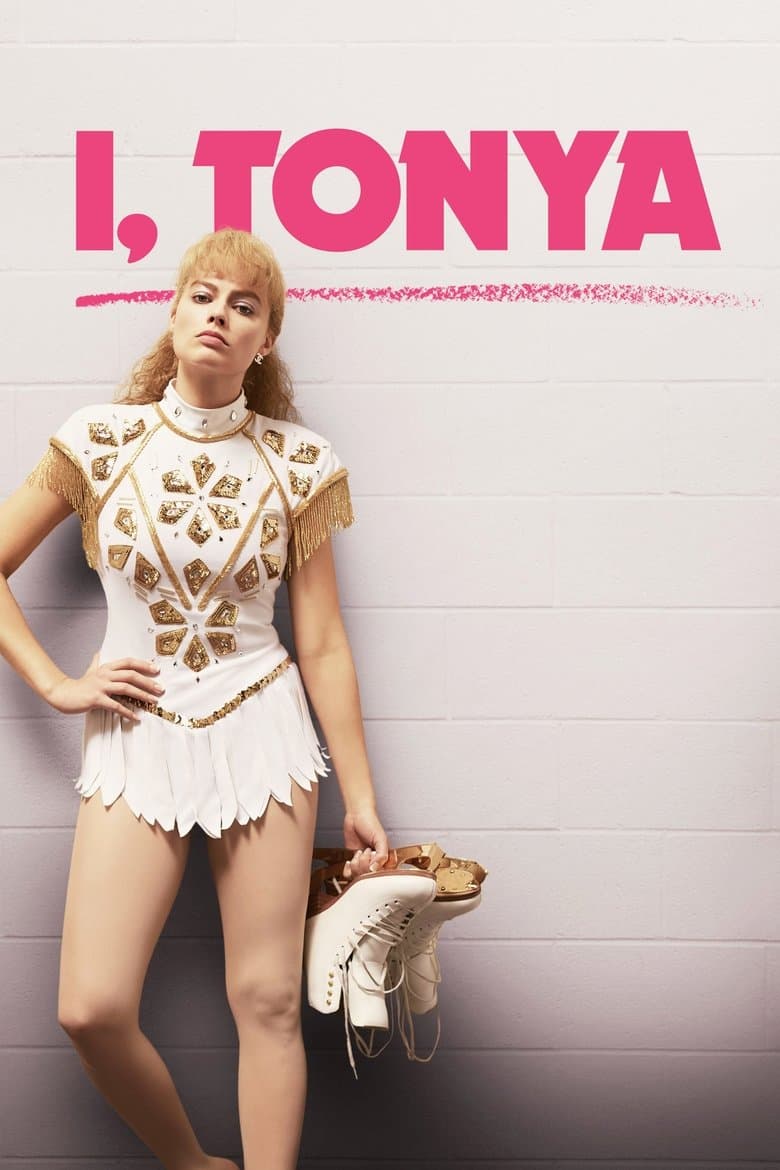
I, Tonya is a dark-comedy biopic about the life and career of American figure skater Tonya Harding. The film shows her hard childhood, her rise in sports, and the scandal that ended her career. It clearly highlights class differences and the unfair ways judges treated her for being working-class and not fitting a traditional image of a woman. It also portrays her struggles with physical abuse from her mother and husband.
Community feedback
Was our 35% Woke rating accurate?
Breakdown
These are the editorial factors and ratings behind our score for I, Tonya.
Woke representation / casting
The casting reflects the historical real-life figures accurately. There is no DEI-style casting, identity signaling, or race-swapping. The cast consists entirely of actors chosen to match the actual people involved in the 1994 scandal, with a focus on performance rather than modern diversity quotas.
0%
Woke political dialogue
There are occasional moments where Tonya talks directly to the camera. She complains about judges wanting her to fit a traditional, old-fashioned image of a woman. She also speaks directly about how her class made people treat her unfairly. This dialogue is personal and fits her real life, so it does not feel like an activist lecture.
20%
Production
Identity-driven story themes
The film shows class prejudice and sexism in the figure skating world. Judges look down on Tonya because of her poor background and rough style. It also shows the bad physical abuse she got from her mother and husband. These themes come directly from her real life. They do not feel like a preachy lesson.
35%
Western institutional / cultural critique
The film critiques the news media and the public. It shows how they used Tonya's pain for entertainment. It also pokes fun at the snobby figure skating association. The story shows how judges wanted old-fashioned gender roles that Tonya did not fit. This critique is presented through dark comedy, not a modern activist lesson.
32%
Woke character or canon changes
Not relevant. The film is based on real people and history. It does not make any changes to the real-life figures to fit modern diversity quotas or activist ideas.
0%
Anti-woke backlash and complaints
There was no anti-woke backlash against this movie. People did not complain that it pushed a political agenda. Instead, viewers talked about the dark humor, the great acting, and the sad story of Tonya's life.
0%
Creator track record context
The makers of the film have a mild track record with progressive messaging. Director Craig Gillespie (35) likes to make movies that critique systems and class. Producer and star Margot Robbie (43) often makes films about complex women. The other team members are not known as strong social justice activists.
30%
Movie · 2019
Los Angeles, 1969. TV star Rick Dalton, a struggling actor specializing in westerns, and stuntman Cliff Booth, his best friend, try to survive in a constantly changing movie…
Movie · 2017
When dictator Joseph Stalin dies, his parasitic cronies square off in a frantic power struggle to become the next Soviet leader.
Movie · 2025
1984; Michael Larson, an unemployed ice-cream truck driver from Ohio, steps onto the game show "Press Your Luck" harboring a secret: the key to endless amounts of money.
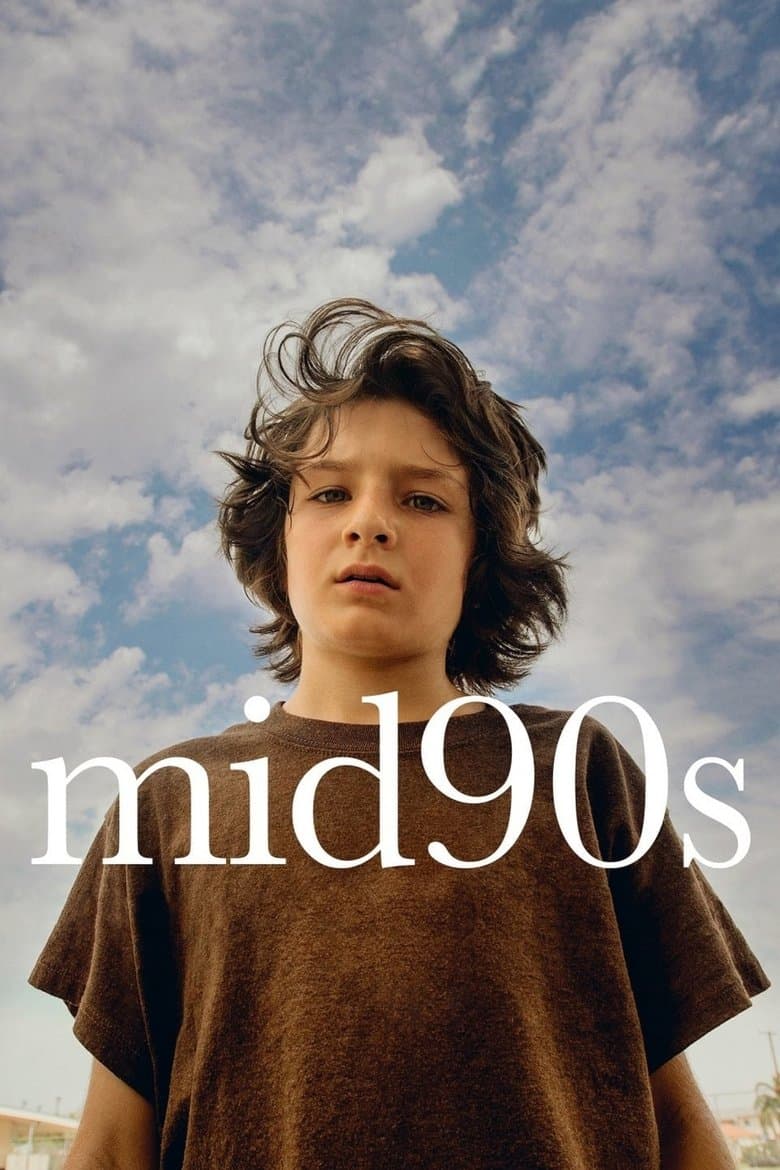
Movie · 2018
In 1990s Los Angeles, a 13-year-old spends his summer navigating between a troubled home life and a crew of new friends he meets at a skate shop.
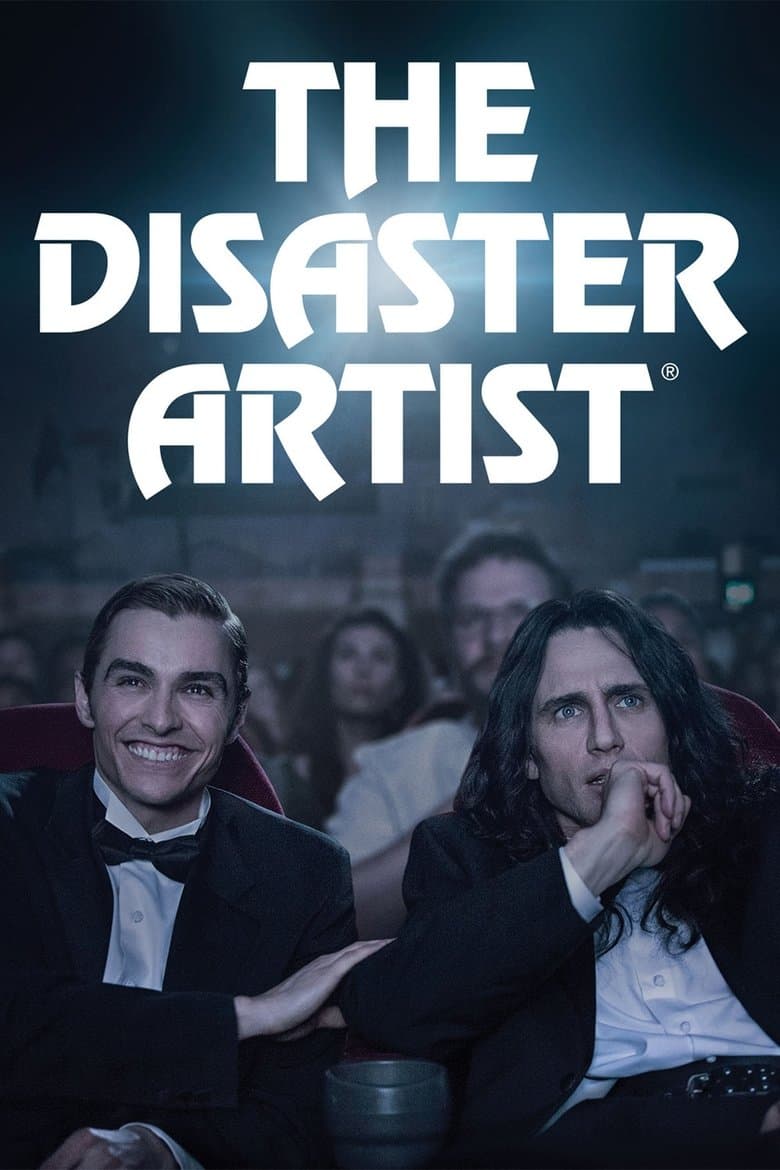
Movie · 2017
An aspiring actor in Hollywood meets an enigmatic stranger by the name of Tommy Wiseau, the meeting leads the actor down a path nobody could have predicted; creating the worst…
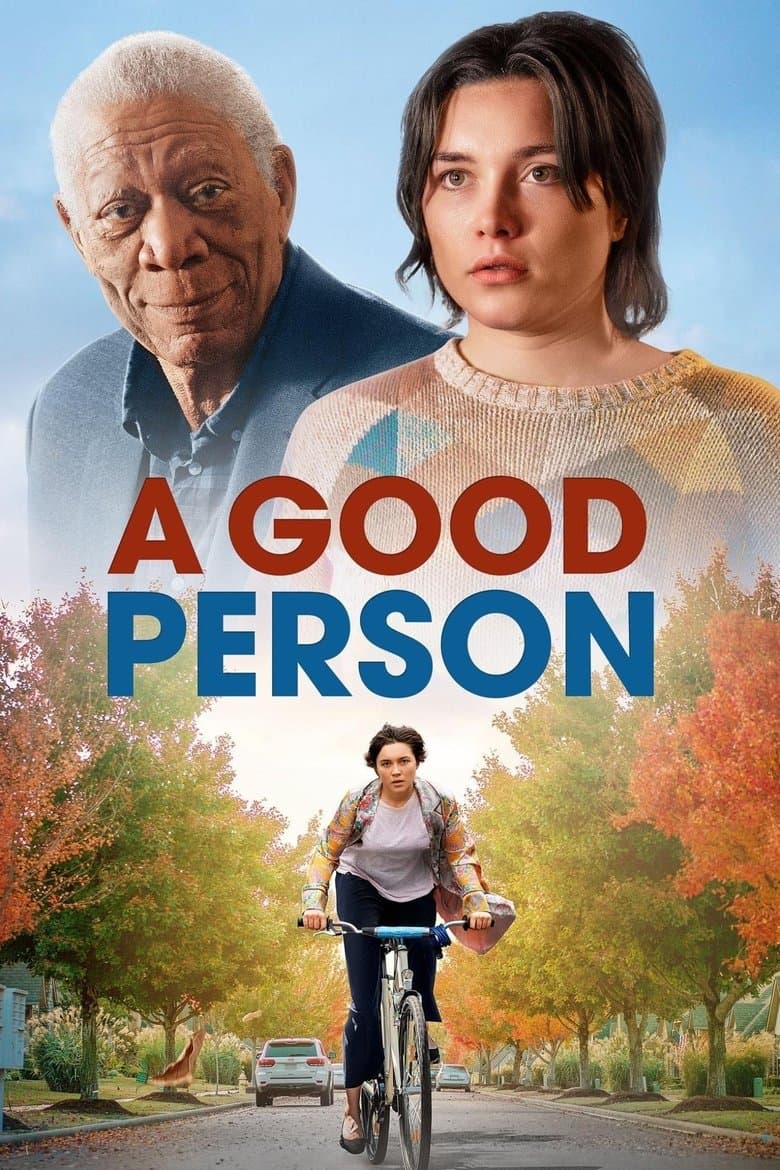
Movie · 2023
Allison's life falls apart following her involvement in a fatal accident. The unlikely relationship she forms with her would-be father-in-law helps her live a life worth living.
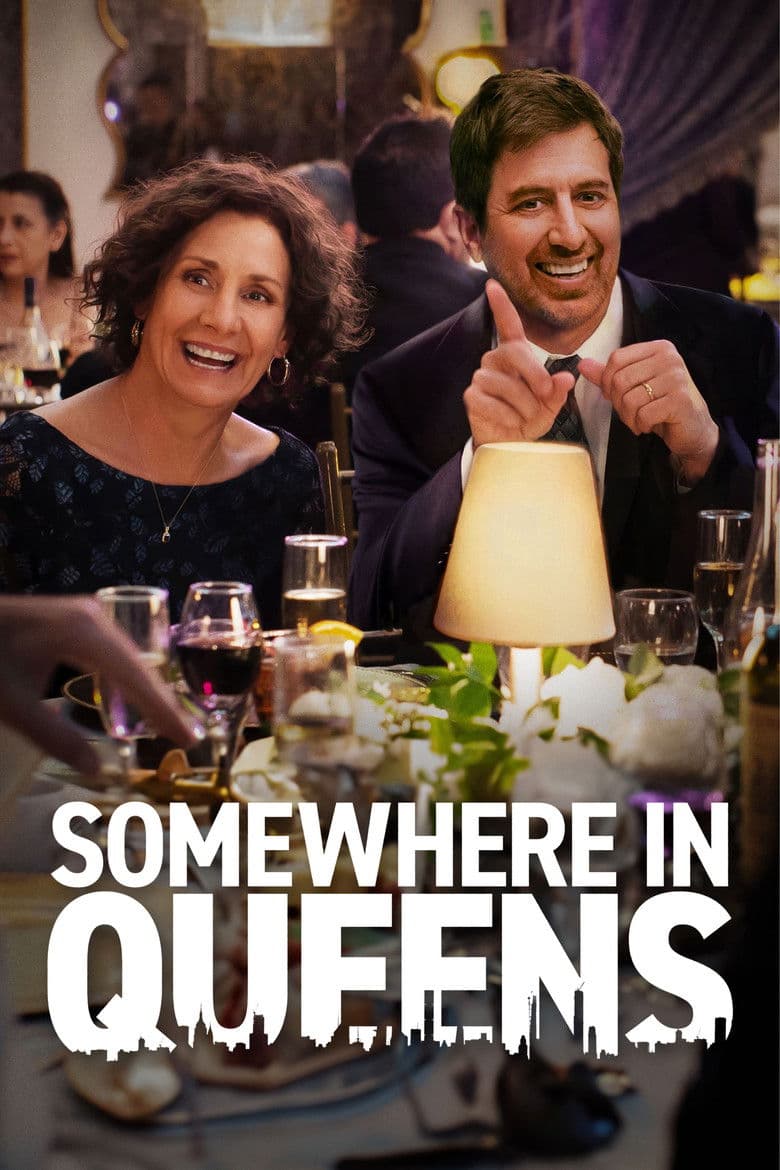
Movie · 2023
Leo and Angela Russo live a simple life in Queens, surrounded by their overbearing Italian-American family. When their son finds success on his high school basketball team, Leo…
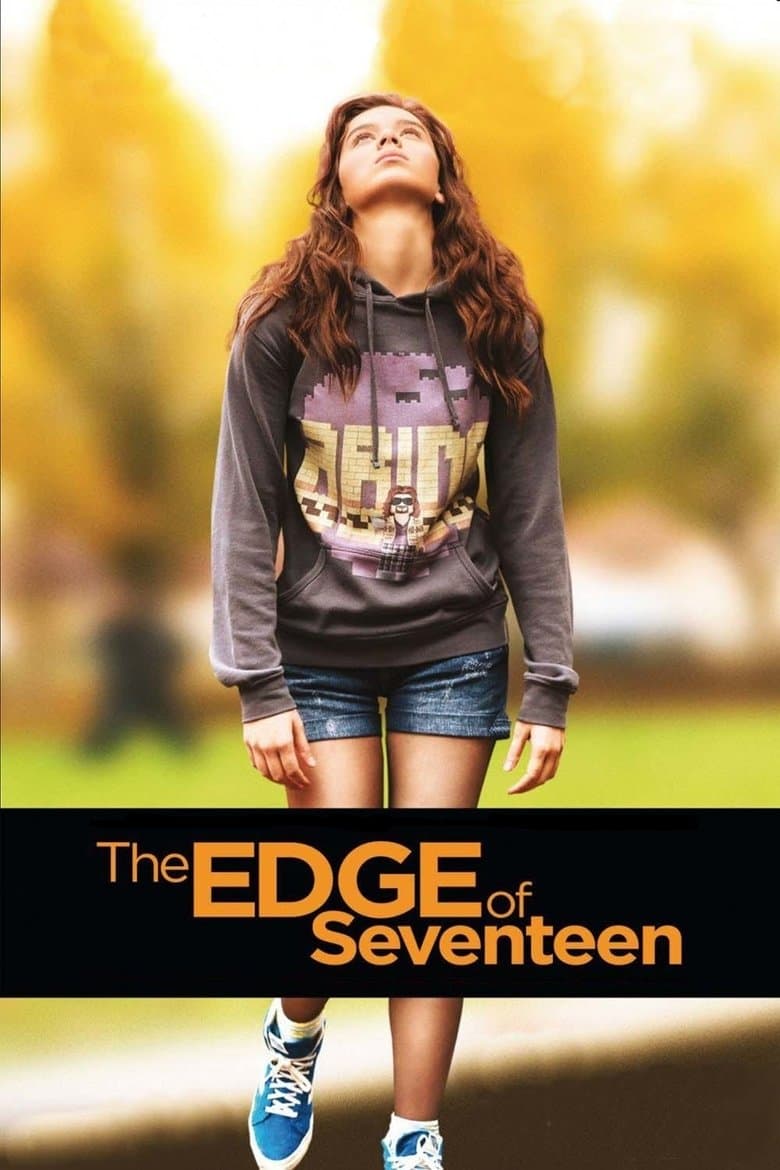
Movie · 2016
Two high school girls are best friends until one dates the other's older brother, who is totally his sister's nemesis.
