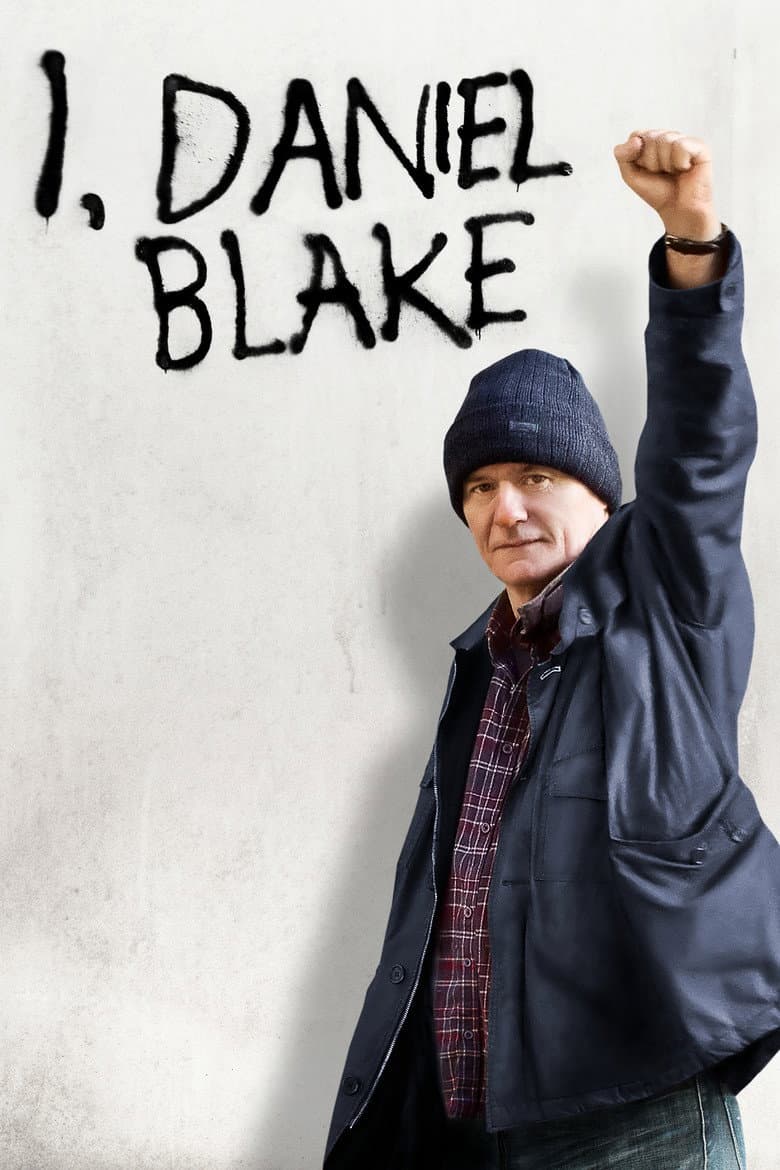
A 59-year-old Newcastle joiner is denied sickness benefits after a heart attack. He is worn down by Jobcentre bureaucracy. He befriends a single mother who is fighting the same system. The film is a British social-realist drama about poverty, welfare, and mutual aid. Its politics are classical left and anti-austerity class politics, not race, gender, or queer-identity framing.
The film hammers welfare sanctions, digital-only claims, food banks, and Jobcentre pressure. Daniel’s graffiti and his final speech say he is a man, not a blip on a computer screen. The story treats the UK benefits system as cruel and dehumanizing under austerity-era policy. Progressive concern for the poor is constant, but it stays on class and welfare dignity rather than modern identity politics. There is no LGBTQ storyline and no faith-centered plot. A black side friend appears only as a minor local character, not as a diversity-led hero.
Community feedback
Was our 66% Woke rating accurate?
Breakdown
These are the editorial factors and ratings behind our score for I, Daniel Blake.
Woke representation / casting
Not present. Leads and the core circle are a white working-class Northeast England cast that fits a Newcastle benefits story. A black side friend named China is only a minor local character. He is not cast as a diversity-led hero or a brilliant token role.
0%
Woke political dialogue
The talk and big scenes hammer welfare sanctions, online-only claims, food banks, and Jobcentre pressure. Daniel’s graffiti and final speech say he is a man, not a computer blip. The framing is classic left welfare dignity, not race, gender, or LGBTQ slogans.
52%
Identity-driven story themes
The full arc is poverty, bureaucracy, and help between a sick carpenter and a single mother. It is not about race, gender ideology, or queer identity. Care for the poor runs through the film, but it is class and welfare politics, not modern identity politics.
25%
Western institutional / cultural critique
The film keeps showing the UK benefits system as cruel and dehumanizing under austerity policy. It attacks Jobcentre rules, sanctions, and online-only claims as anti-establishment and anti-austerity. It does not treat toxic masculinity, traditional family, or Christianity as the main villains.
58%
Woke character or canon changes
Not relevant. This is not relevant here. The film is an original screenplay. It is not an adaptation of known characters or historical figures.
0%
Anti-woke backlash and complaints
Conservative ministers called the Jobcentre staff portrait unfair or fictional. Right-leaning critics called it misery porn and a left romanticization of Benefits Britain. That is anti-left pushback about class and welfare, not complaints about DEI, race-swaps, or a queer agenda.
30%
Creator track record context
Director Ken Loach and writer Paul Laverty are long-time socialist, class-focused partners. Producer Rebecca O’Brien works on the same political film slate. The main creative voice is open left and socialist cinema, while other crew scores in the cache are low or neutral.
70%
Production

Movie · 2016
After his older brother passes away, Lee Chandler is forced to return home to care for his 16-year-old nephew.
Movie · 2020
A man refuses all assistance from his daughter as he ages and, as he tries to make sense of his changing circumstances, he begins to doubt his loved ones, his own mind and even…
Movie · 2017
Members of the Granite Mountain Hotshots battle deadly wildfires to save an Arizona town.
Movie · 2022
A quiet, neglected girl is sent away from her dysfunctional family to live with relatives for the summer. She blossoms in their care, but in this house where there are meant to be…
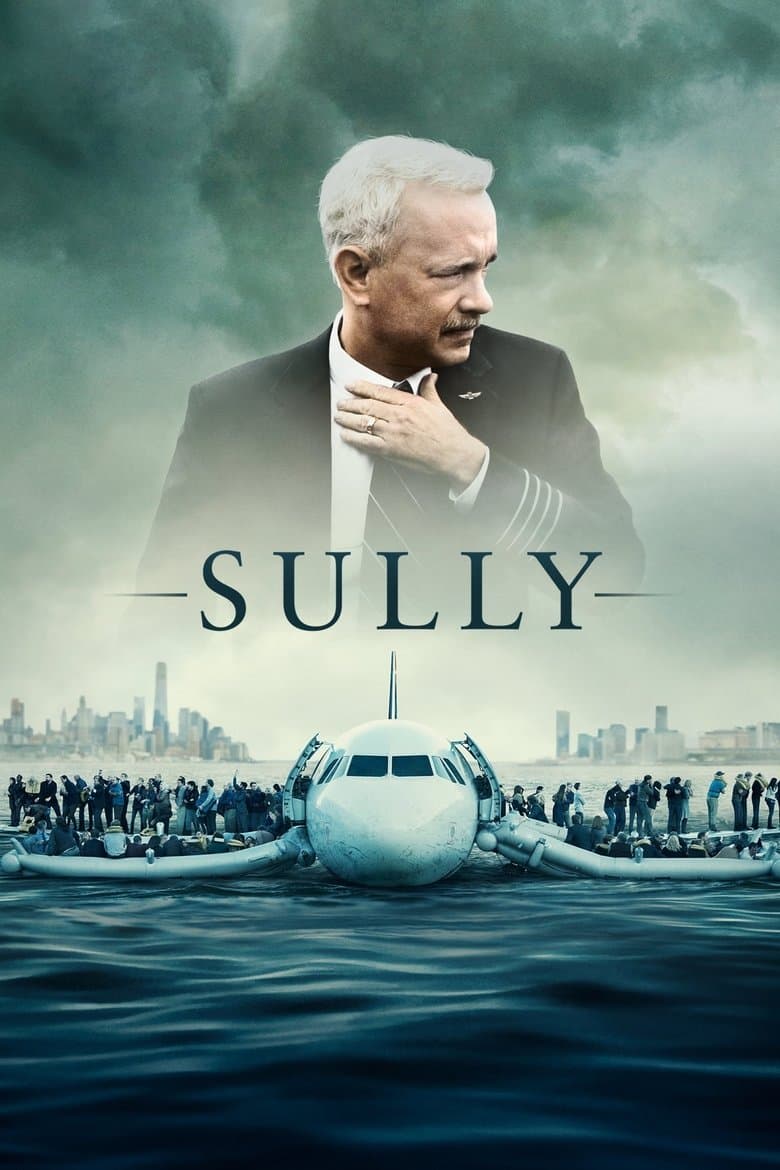
Movie · 2016
On 15 January 2009, the world witnessed the 'Miracle on the Hudson' when Captain 'Sully' Sullenberger glided his disabled plane onto the Hudson River, saving the lives of all 155…
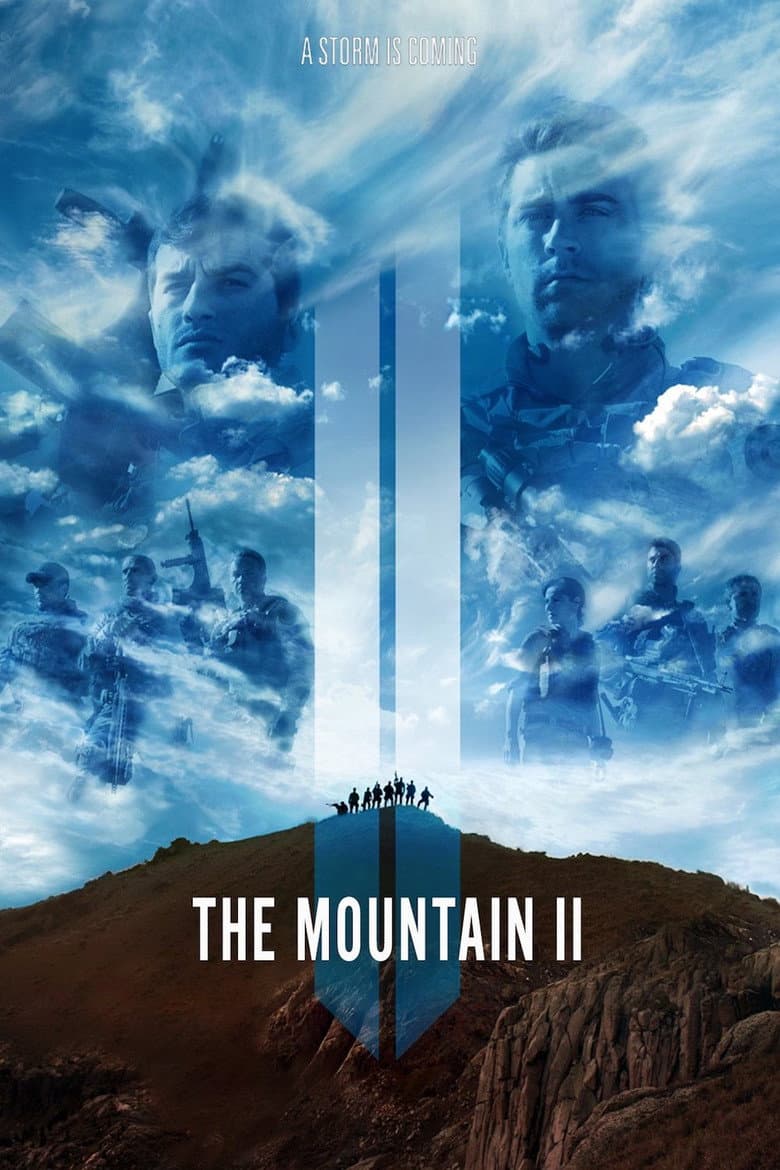
Movie · 2016
In a desolate war zone where screams of the innocent echo, on the very line between disaster and valor, 7 Maroon Berets will dance with death.
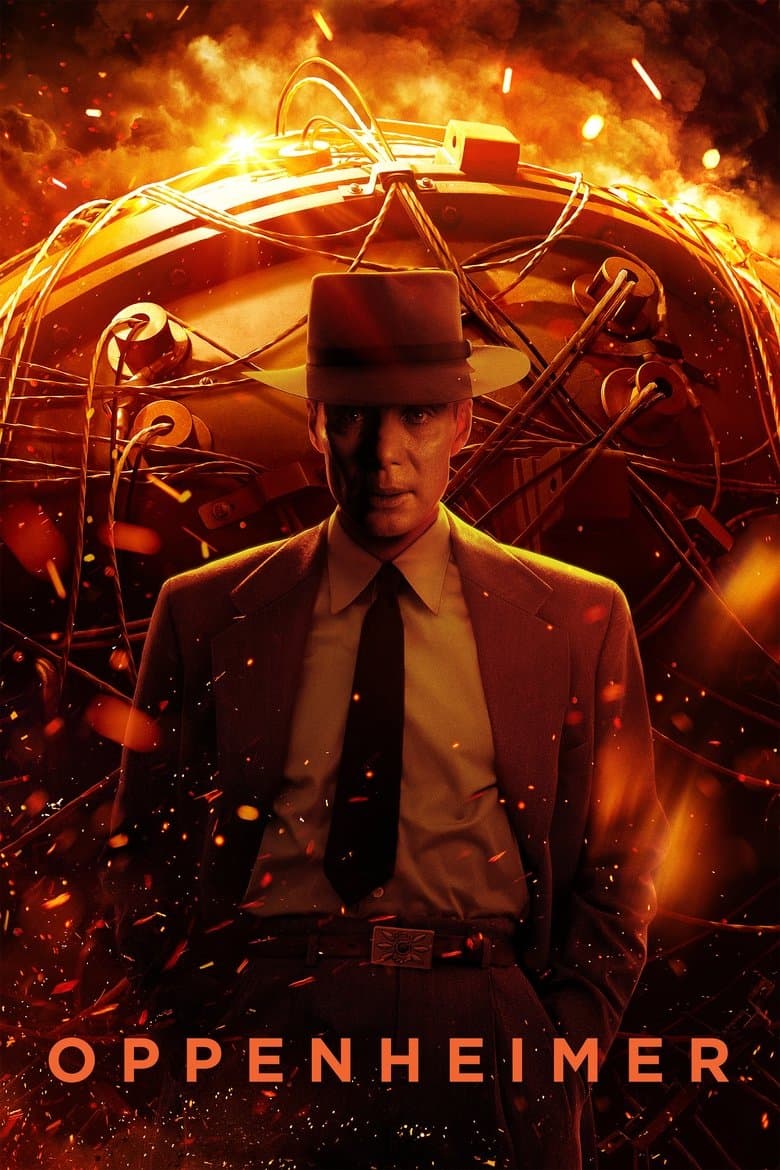
Movie · 2023
The story of J. Robert Oppenheimer's role in the development of the atomic bomb during World War II.
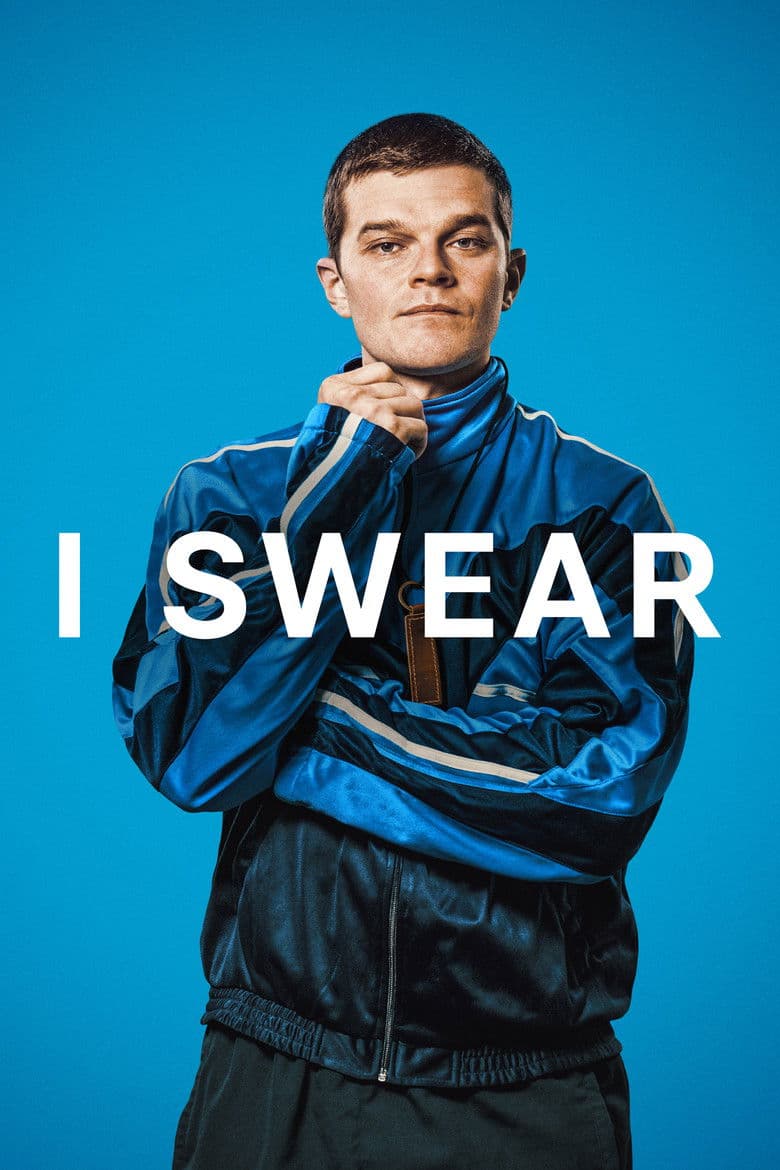
Movie · 2025
Diagnosed with Tourette Syndrome at 15, John Davidson navigates his way against the odds through troubled teenage years and into adulthood, finding inspiration in the kindness of…
