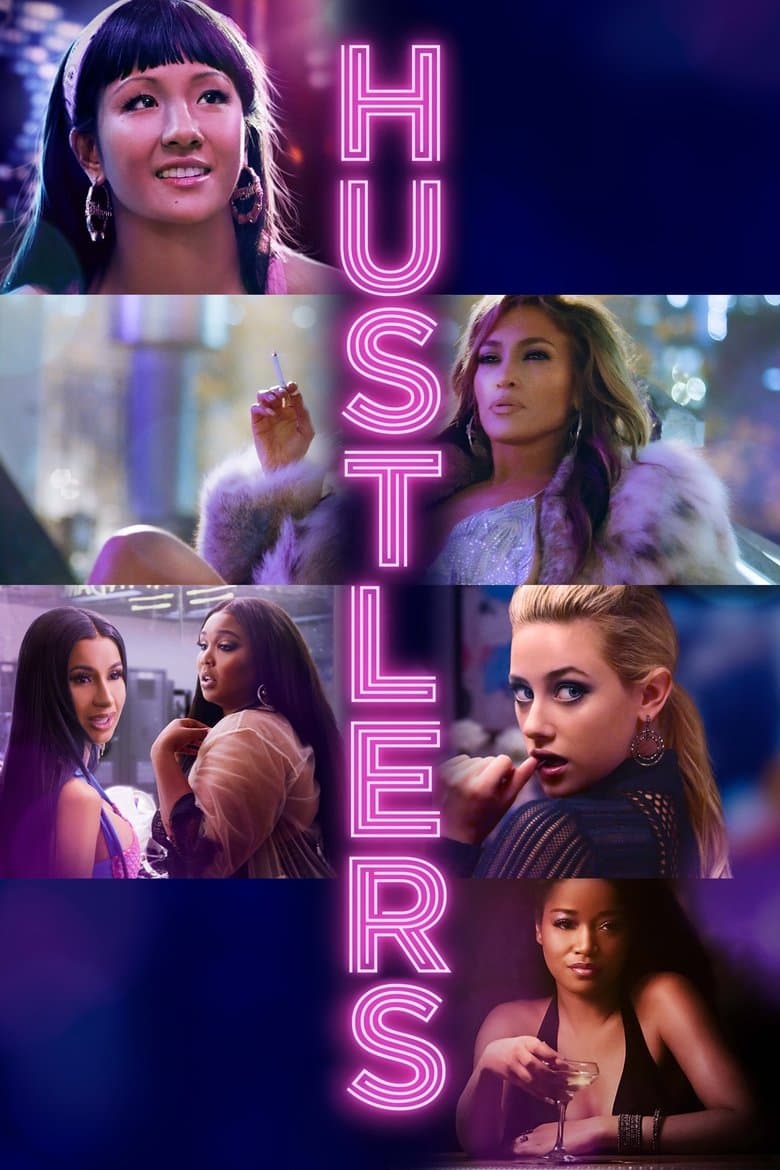
After the 2008 financial crash, New York City strippers led by Destiny and Ramona drug Wall Street clients and run up their credit cards. The film is a friendship and crime story set in strip clubs. It is adapted from Jessica Pressler's New York magazine article. The women form a close group and target rich men who treat them as disposable entertainment. Their scheme grows from club work into a larger hustle that eventually falls apart.
The story puts female mentorship, sex-work dignity, and women seizing power from male financial elites at the center. Characters justify the hustle as payback for Wall Street excess after the crash. Ramona's lines about the city and country as a strip club make a clear gender and class argument. Multiethnic women fill nearly every central role, and men mostly appear as flat marks. Critics and cast framed the film as feminist and empowering, while Wall Street and predatory masculinity form the moral backdrop for rooting against those clients.
Community feedback
Was our 65% Woke rating accurate?
Breakdown
These are the editorial factors and ratings behind our score for Hustlers.
Woke representation / casting
Multiethnic women lead this modern New York strip-club story in a way that fits the setting. The film and its press still push a women-first group with Asian, Latina, Black, and white leads plus cameos by Cardi B and Lizzo. Men mostly show up as flat marks. Trace Lysette's casting as Tracey was widely framed as inclusion, and female competence and solidarity fill nearly every central role.
44%
Woke political dialogue
Characters justify the hustle as payback for Wall Street excess. Ramona's speech that the city and whole country is a strip club is hard to miss. Related lines about who tosses money and who dances push a clear gender and class argument. The film does this without turning every scene into a speech.
42%
Identity-driven story themes
The core structure is female mentorship, sex-work dignity, matriarchal gangster energy, and women taking power from male financial elites after 2008. Critics and cast repeatedly called it feminist and empowering. Scafaria frames empowerment versus control and a broken system that trades beauty for women and money for men. Gender and labor identity drive the premise more than race politics.
58%
Western institutional / cultural critique
Wall Street and the crash work as a moral backdrop that invites viewers to root against the marks. Male clients read as entitled predators. America is likened to a strip club. That is a clear critique of finance culture and predatory masculinity, not only a generic heist against rich jerks.
55%
Woke character or canon changes
Not relevant. This is a true-crime adaptation with renamed or composite people, not identity-driven rewrites of established fictional characters or historical figures.
0%
Anti-woke backlash and complaints
There was no major sustained culture-war campaign. Some users and blogs still pushed back with SJW labels, capitalism-is-bad stereotypes, and claims that theft from men was celebrated as empowerment. Others called it man-hating or said critical praise was MeToo padding. Only those anti-woke and anti-left complaints are counted here.
20%
Creator track record context
Scafaria emphasizes women's work, friendship, and power dynamics without a hard activist résumé. Lopez has talked feminism and diverse representation while staying commercial. Elbaum and related banners lean female-centric comedy, while Pressler, McKay, Ferrell, and others sit lower. Overall this is moderate supporting context that lines up with the film's women-and-class focus rather than a pure activist slate.
33%
Production
Movie · 2025
A retired hitman's life is turned upside down when his ex-wife and son arrive unannounced during the holidays because they are on the run from his former mob associates.
Movie · 2018
The true story of Forrest Tucker, from his audacious escape from San Quentin at the age of 70 to an unprecedented string of heists that confounded authorities and enchanted the…
Movie · 2017
After 20 years abroad, Mark Renton returns to Scotland and reunites with his old friends Sick Boy, Spud and Begbie.
Movie · 2016
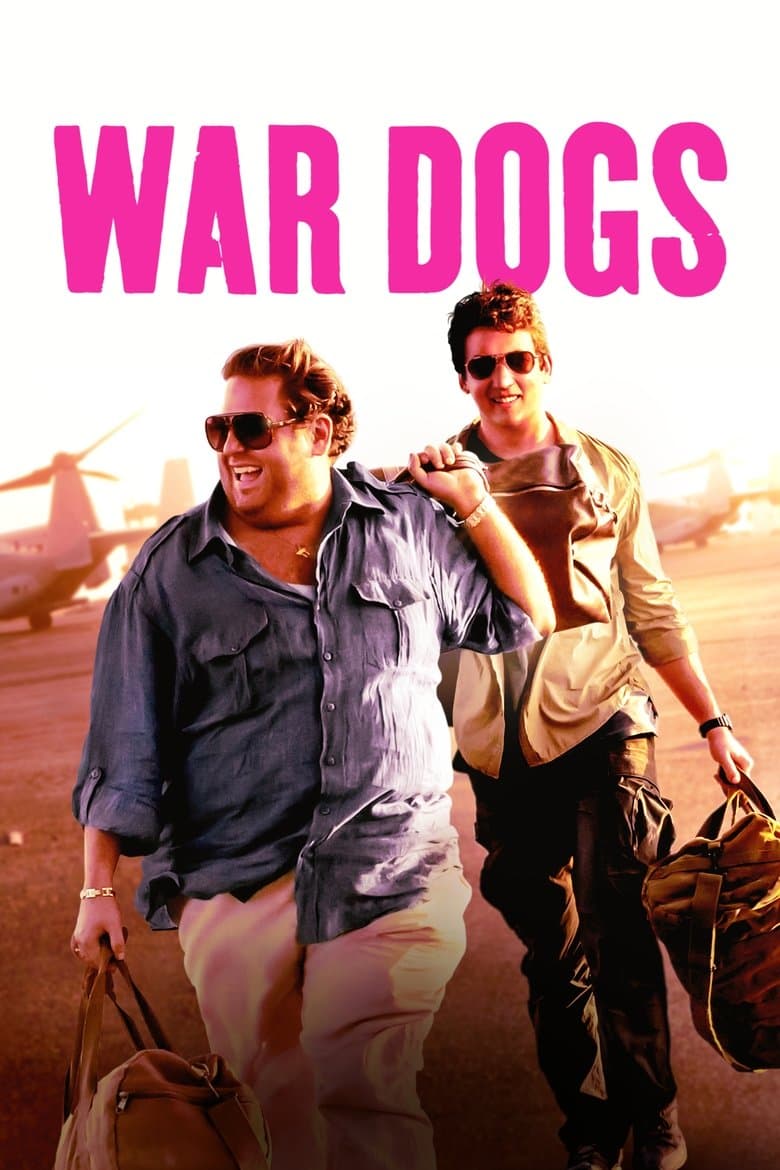
Based on the true story of two young men, David Packouz and Efraim Diveroli, who won a $300 million contract from the Pentagon to arm America's allies in Afghanistan.

Movie · 2017
Lynn, a brilliant student, after helping her friends to get the grades they need, develops the idea of starting a much bigger exam-cheating business.
Movie · 2017
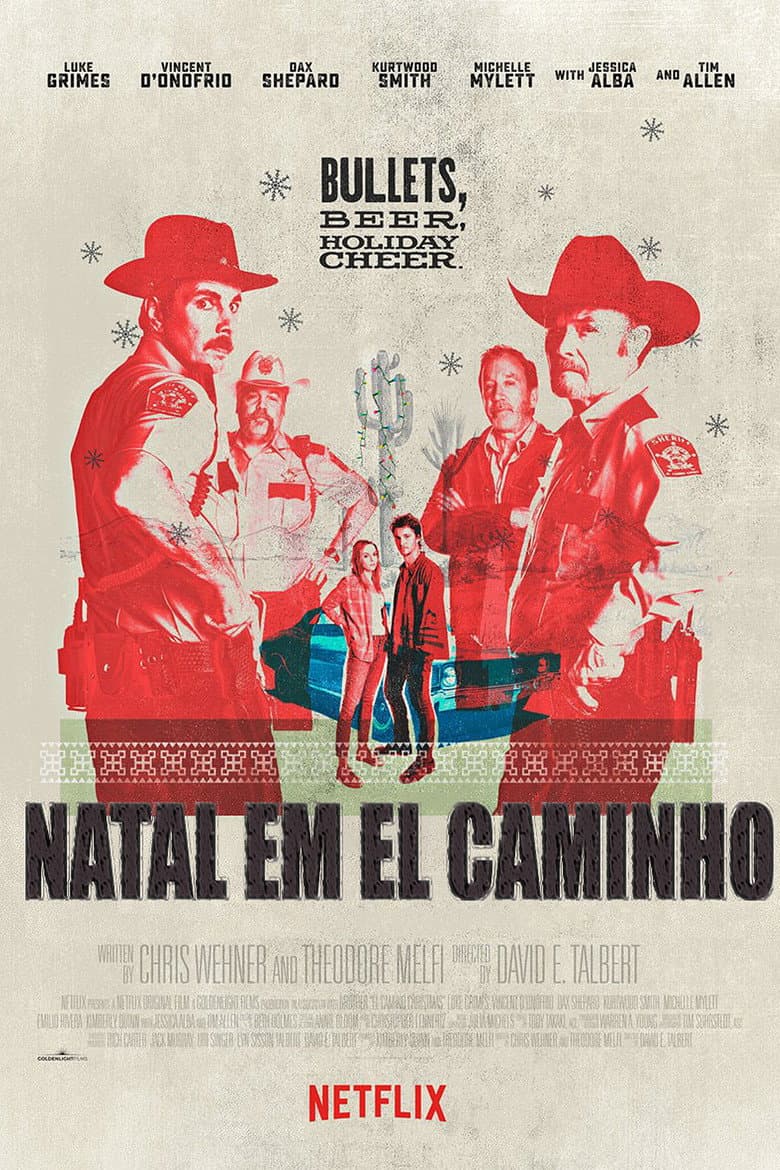
A young man seeking a father he has never met, through no fault of his own, ends up barricaded in a liquor store with five other people on Christmas Eve in the fictitious town of…
Movie · 2017
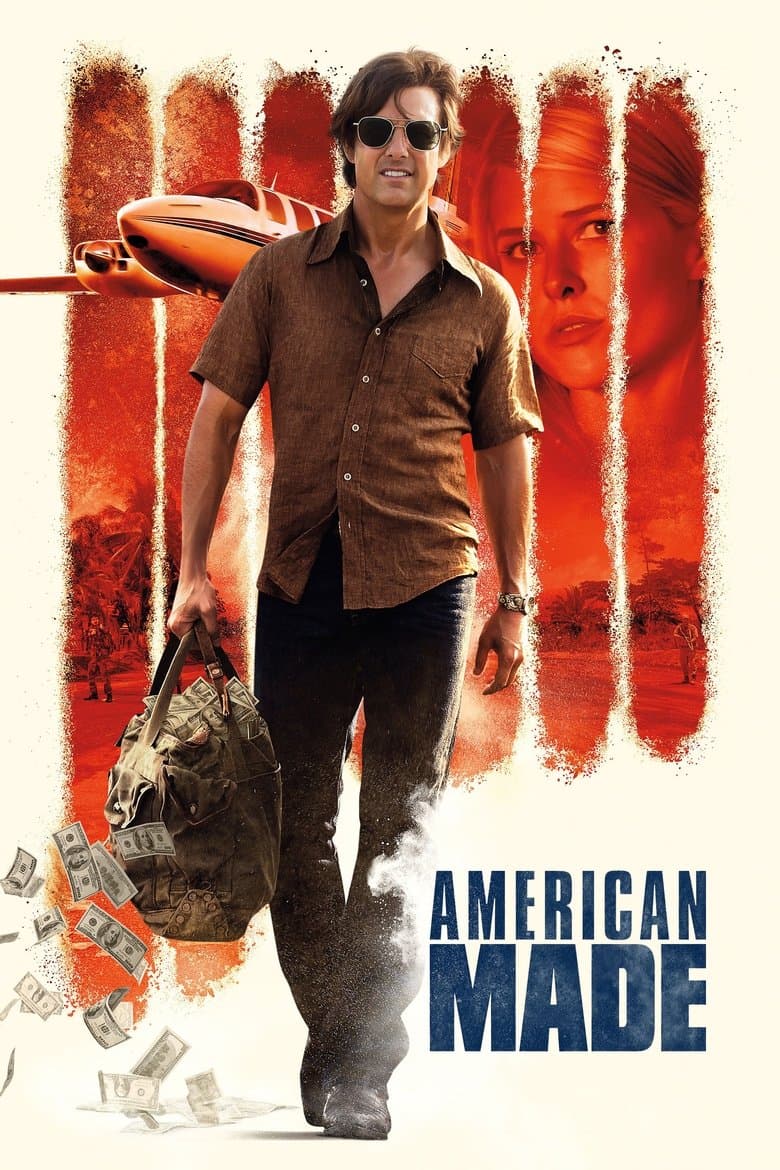
The true story of pilot Barry Seal, who transported contraband for the CIA and the Medellin cartel in the 1980s.

Movie · 2017
When a depressed woman is burglarized, she finds a new sense of purpose by tracking down the thieves alongside her obnoxious neighbor.
