Movie review
January 22, 2016 · 101 min · PG-13 · Comedy · Adventure · Drama
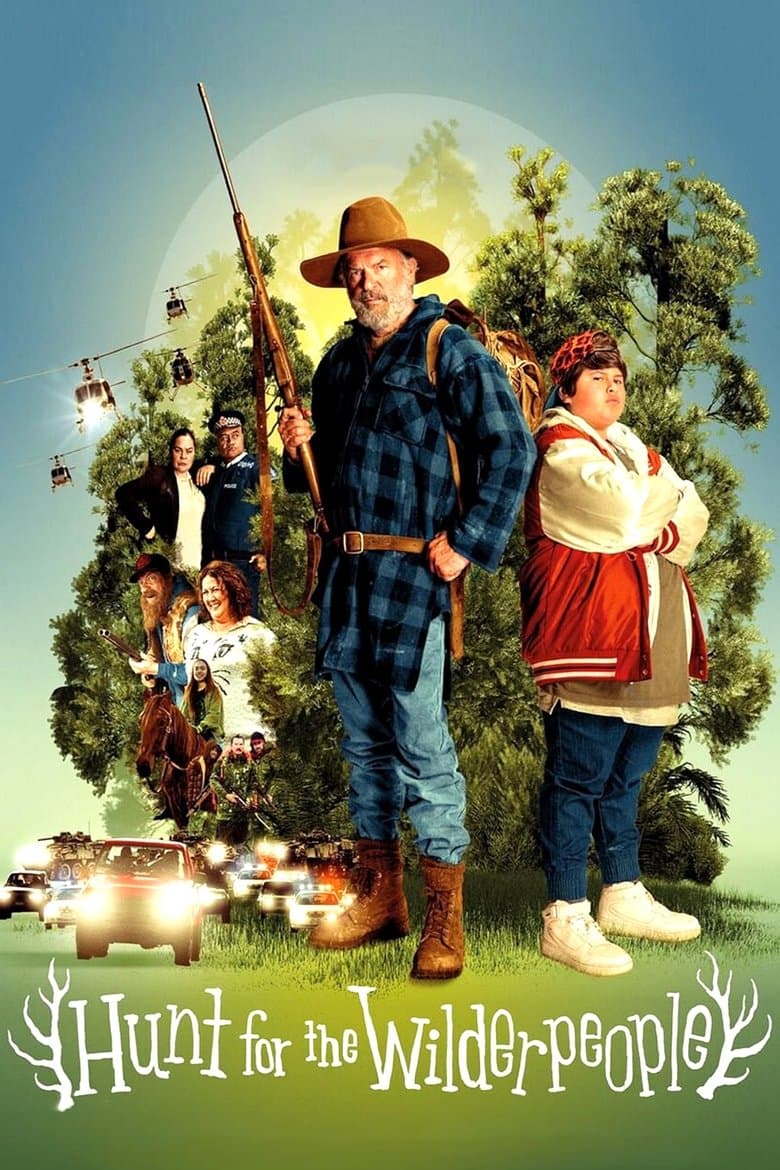
Ricky Baker is a defiant Māori foster kid who bonds with gruff bushman Uncle Hec after foster mother Bella dies. They flee into the New Zealand bush and become the focus of a nationwide manhunt. A relentless child-welfare officer leads the chase against them. The movie is a warm, absurdist buddy adventure about found family, survival, and outsiders sticking together. It is not built as an identity-politics thesis film.
What you mainly see on screen is family, belonging, odd-couple trust, and bush survival. Māori foster-youth experience and outsider warmth, including Kahu’s Māori household, sit in the background rather than running the whole plot. Child services and the manhunt are treated as cold and overblown, with foster care shown as harsh and disposable. Hec’s bushman toughness is respected and humanized instead of torn down. Soft social notes are easy to notice if you look, but the film still sells a coming-of-age manhunt comedy first.
Community feedback
Was our 33% Woke rating accurate?
Breakdown
These are the editorial factors and ratings behind our score for Hunt for the Wilderpeople.
Woke representation / casting
The modern New Zealand setting uses a Māori lead that fits both local life and the source novel. The mixed Māori and Pākehā cast feels like ordinary Kiwi casting, not a forced checklist. Waititi and Piki often put Māori faces in warm or comic roles, and that habit is visible here. It is a light signal, not a heavily engineered ensemble.
12%
Woke political dialogue
There are no activist slogans, DEI speeches, or identity lectures. Soft lines about foster care failing kids and Paula’s hard welfare talk poke at cold bureaucracy. That is mild institutional ribbing. It is not modern identity-politics dialogue.
5%
Identity-driven story themes
The main engine is family, belonging, odd-couple trust, and bush survival. Māori foster-youth life and outsider warmth sit in the background. Progressive essays may read colonial or carceral subtext into it. The film’s shape still sells a coming-of-age manhunt comedy more than a race- or gender-first plot.
24%
Western institutional / cultural critique
Child services and the manhunt are the clear targets of the satire. Paula plays a comic, relentless bureaucrat, and the state response is pushed into absurdity. Foster care looks cold and disposable, which some viewers link to how Māori youth are treated. The film does not run a long attack on traditional manhood, faith, or family norms.
30%
Woke character or canon changes
Not relevant. Adaptation choices change tone and spectacle, not race, gender, or identity of established figures.
0%
Anti-woke backlash and complaints
Not present. No meaningful anti-woke campaign against this title.
0%
Creator track record context
Waititi drives most of this score with indigenous storytelling and open talk about decolonizing the screen. Some producers also lean toward Indigenous and diverse priorities. Source novelist Barry Crump and several others sit near neutral. The overall lean is mid-range from key creatives, not a full DEI machine.
52%
Production
