Movie review
July 13, 2018 · 113 min · PG-13 · Sci-Fi · Mystery · Action · Thriller · Adventure
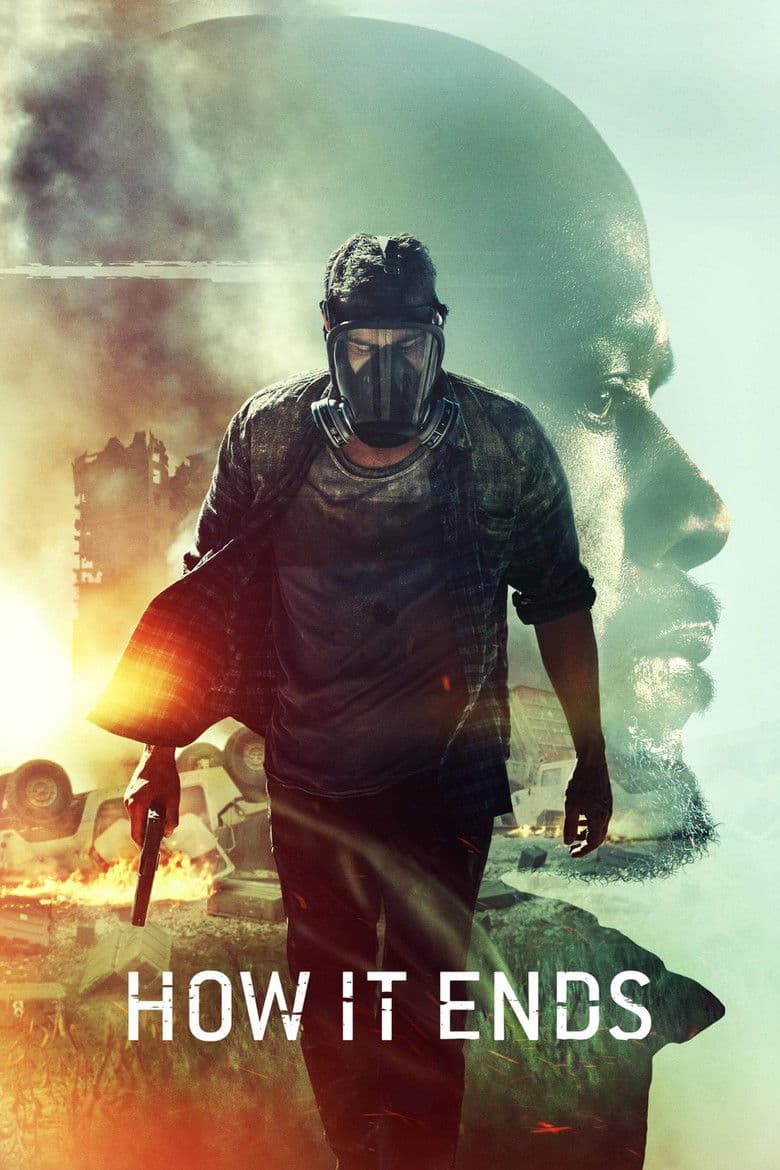
How It Ends is a 2018 Netflix apocalyptic road trip thriller. A young lawyer and his future father-in-law drive cross-country through chaos to reach the lawyer's pregnant fiancée after a mysterious disaster hits the West Coast and knocks out power and order. The story focuses on duty, fatherhood, and men stepping up to protect family using traditional roles and personal responsibility. Casting shows a mixed-race family in central parts and a native American supporting character who makes one short comment on military history.
Community feedback
Was our 23% Woke rating accurate?
Breakdown
These are the editorial factors and ratings behind our score for How It Ends.
Woke representation / casting
Casting puts black actors in key family roles as the ex-Marine father-in-law and his wife, with their biracial daughter as the pregnant woman at the center of the rescue. A native American actress plays a capable mechanic who travels with them for part of the trip. Audiences see the racial mix in prominent parts. The actress who played the daughter later praised Netflix for using biracial families in stories as subtle inclusivity. The movie itself never talks about race. The plot cares about age, class, and old-school dad values instead.
28%
Woke political dialogue
One short line from the native supporting character points out the irony of Army helicopters named after tribes the military once fought. It is a quick, throwaway comment during the road trip and does not lead to any speech, argument, or ongoing theme.
12%
Identity-driven story themes
The main ideas are fatherhood, duty to family, and two men from different backgrounds learning to rely on each other to protect a pregnant daughter and unborn child. It shows regular guys doing hard things and growing closer through responsibility and danger. There is no focus on group identities, grievances, or pushing new social norms.
5%
Western institutional / cultural critique
The one helicopter comment touches on historical military actions. The story shows looting, panic, and overwhelmed authorities during the crisis, but it frames this as normal human behavior under stress. The ex-Marine dad uses his service record in a positive way to move forward. There is no attack on patriarchy, capitalism, whiteness, or Western institutions as systems. Traditional masculine protection comes across as a strength.
14%
Woke character or canon changes
Not relevant. This is an original story with no established characters, source material, or real historical figures being changed for identity reasons.
0%
Anti-woke backlash and complaints
Viewer anger and reviews focused on the bad ending, slow pace, and lack of answers. No notable complaints treated the film as pushing woke ideas, DEI, identity politics, or left-wing messaging.
0%
Creator track record context
Director David M. Rosenthal posted liberal views on social media around the time of the film, including criticism of the Trump administration, links to "Trump's lies" lists, MoveOn petitions against cabinet picks and for investigating assault claims, and comments on guns and media. Writer Brooks McLaren has no public political or activist record. Neither has a body of work built around identity politics or activist themes. Their other credits are standard genre thrillers and action stories.
15%
Production
Movie · 2018
Thomas leads his group of escaped Gladers on their final and most dangerous mission yet. To save their friends, they must break into the legendary Last City, a WCKD-controlled…
Movie · 2016
A special-ops team is dispatched to fight supernatural beings that have taken over a European city.

Movie · 2026
The evil Empire has fallen, and Imperial warlords remain scattered throughout the galaxy. As the fledgling New Republic works to protect everything the Rebellion fought for, they…

Movie · 2018
As the Avengers and their allies have continued to protect the world from threats too large for any one hero to handle, a new danger has emerged from the cosmic shadows: Thanos.

Movie · 2017
Master car thieves square off against French gangsters in the South of France with money, women and lives all on the line.

Movie · 2018
Primatologist Davis Okoye shares an unshakable bond with George, the extraordinarily intelligent, silverback gorilla who has been in his care since birth.
Movie · 2018
A businessman, on his daily commute home, gets unwittingly caught up in a criminal conspiracy that threatens not only his life but the lives of those around him.

Movie · 2023
65 million years ago, the only 2 survivors of a spaceship from Somaris that crash-landed on Earth, must fend off dinosaurs to reach the escape vessel in time before an imminent…
