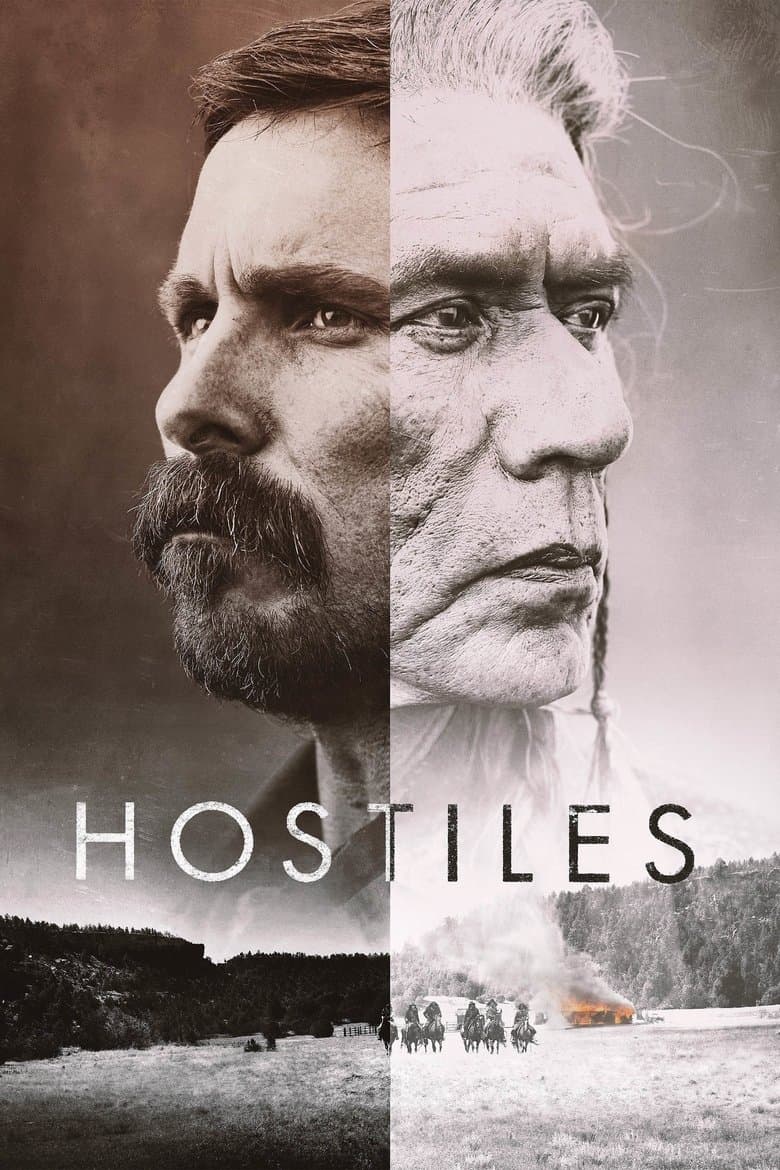
Hostiles is a 2017 Western drama directed by Scott Cooper starring Christian Bale as a racist U.S. Army captain in 1892 ordered to escort dying Cheyenne chief Yellow Hawk and his family back to their Montana lands. The journey involves brutal violence, a traumatized white widow, and survival against outlaws and hostile tribes. The story emphasizes redemption, grief, and humanity across divides, with the captain shifting from hatred to empathy. Some dialogue explicitly calls U.S. treatment of native Americans unforgivable and frames the arc as reconciliation relevant to modern divides.
Community feedback
Was our 37% Woke rating accurate?
Breakdown
These are the editorial factors and ratings behind our score for Hostiles.
Woke representation / casting
Natural and era-appropriate for a 1892 Western: native actors play Cheyenne roles and a black Buffalo Soldier fits documented U.S. Army history. No race/gender swaps, forced modern quotas, or audience-visible identity signaling beyond historical accuracy.
10%
Woke political dialogue
Occasional lines acknowledge unforgivable U.S. wrongs against Natives and push empathy/reconciliation; some reviewers flagged specific speeches as anachronistic liberal piety, though mostly tied to character arcs rather than overt lecturing.
28%
Identity-driven story themes
Focuses on cross-racial understanding and a white protagonist’s redemption through contact with native Americans; native characters often described as less nuanced, making the arc feel more like personal moral growth than strong modern identity politics.
22%
Western institutional / cultural critique
Clearly shows U.S. Army campaigns and expansion as brutal and destructive to native peoples with explicit statements on historical guilt; stays rooted in 1892 events and individual trauma without heavy modern systemic, anti-patriarchy, or anti-conservative framing.
32%
Woke character or canon changes
Not relevant. Original story inspired by the era with no alterations to established historical figures or canon.
0%
Anti-woke backlash and complaints
Moderate complaints from critics and viewers about it functioning as a “woke Western,” injecting contemporary guilt or anachronistic PC dialogue into a historical tale; present but not intense or dominant compared to general film critiques.
22%
Creator track record context
Scott Cooper has publicly connected 19th-century native history to today’s racial divides and advocated inclusion/reconciliation; other creatives show low-to-moderate liberal patterns (e.g., Stewart’s earlier political work) without strong recurring identity-driven or DEI activism.
27%
Production
Movie · 2018
A human child raised by wolves, must face off against a menacing tiger named Shere Khan, as well as his own origins.
Movie · 2022
In 1909, two explorers fight to survive after they're left behind while on a Danish expedition in ice-covered Greenland.
Movie · 2017
Henri “Papillon” Charrière, a safecracker from the Parisian underworld, is wrongfully convicted and sentenced to life imprisonment in the penal colony of French Guiana, where he…

Movie · 2018
In the prehistoric past, Keda, a young and inexperienced hunter, struggles to return home after being separated from his tribe when bison hunting goes awry.
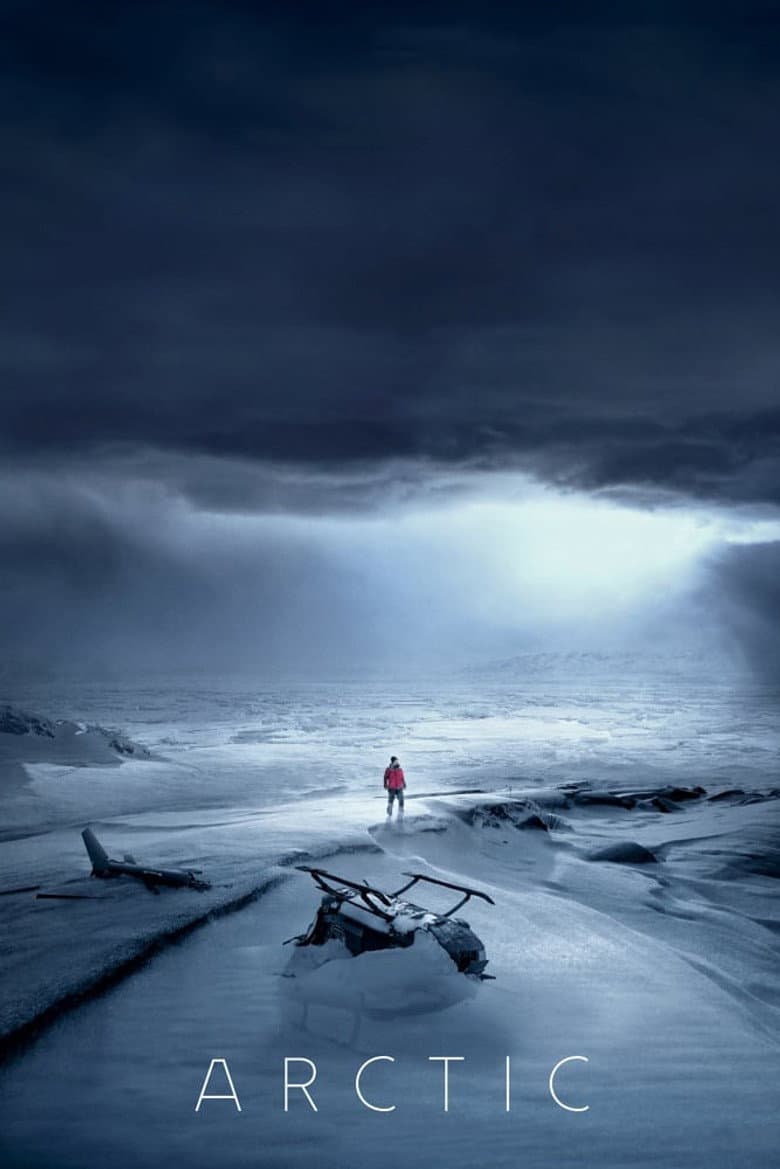
Movie · 2018
A man stranded in the Arctic is finally about to receive his long awaited rescue. However, after a tragic accident, his opportunity is lost and he must then decide whether to…
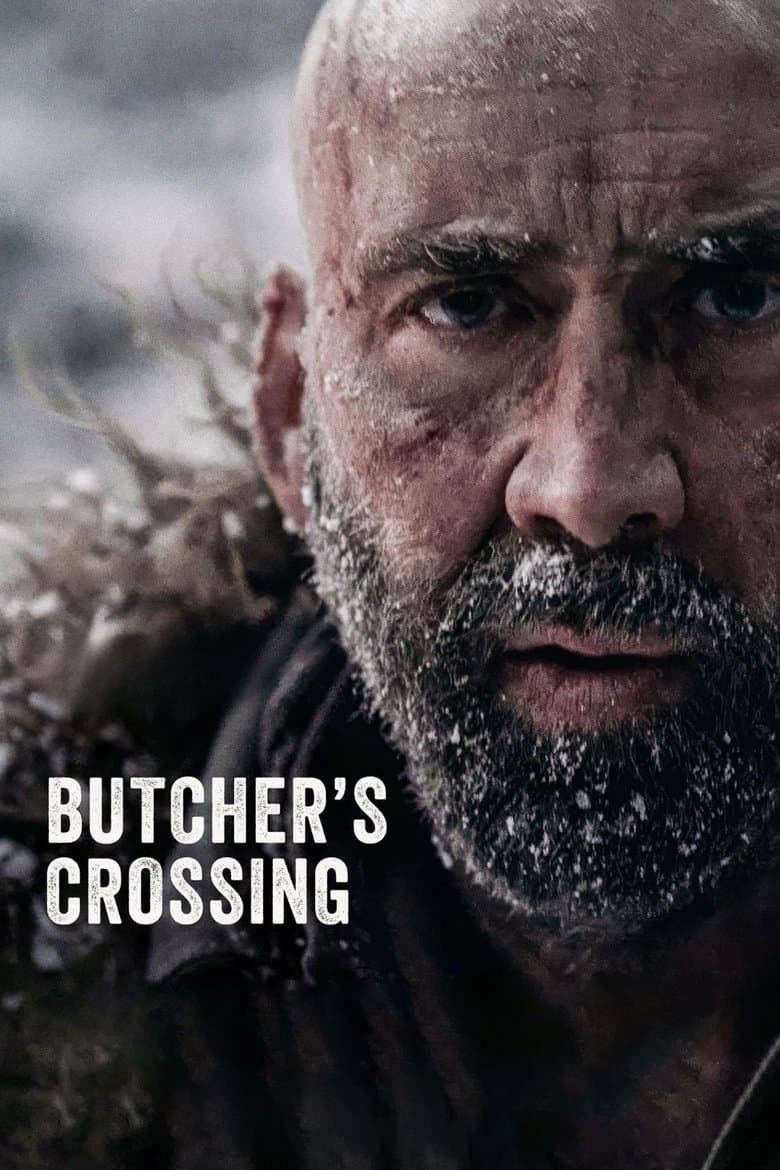
Movie · 2023
In the 1870s, a young Harvard dropout seeks his destiny out West by tying his fate to a team of buffalo hunters led by a man named Miller.

Movie · 2017
In 1981, an enthusiastic young adventurer follows his dreams into the Bolivian Amazon jungle with two friends and a guide with a mysterious past.
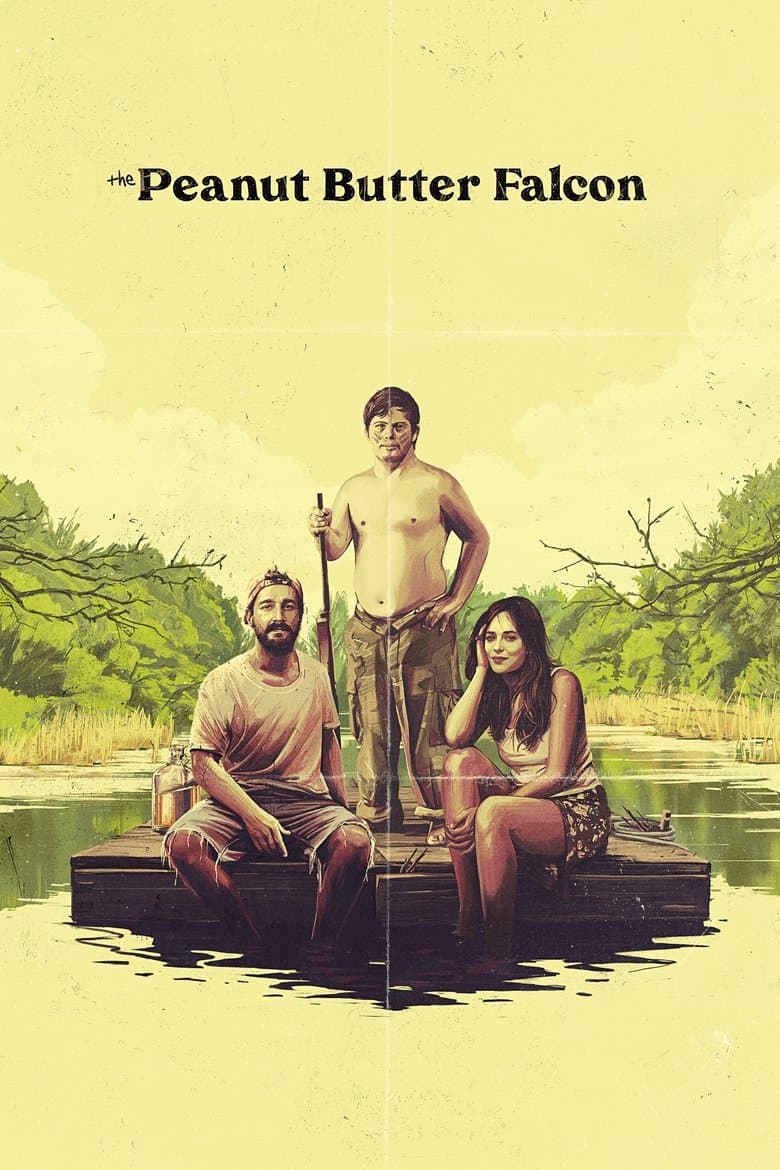
Movie · 2019
A down-on-his-luck crab fisherman embarks on a journey to get a young man with Down syndrome to a professional wrestling school in rural North Carolina and away from the…
