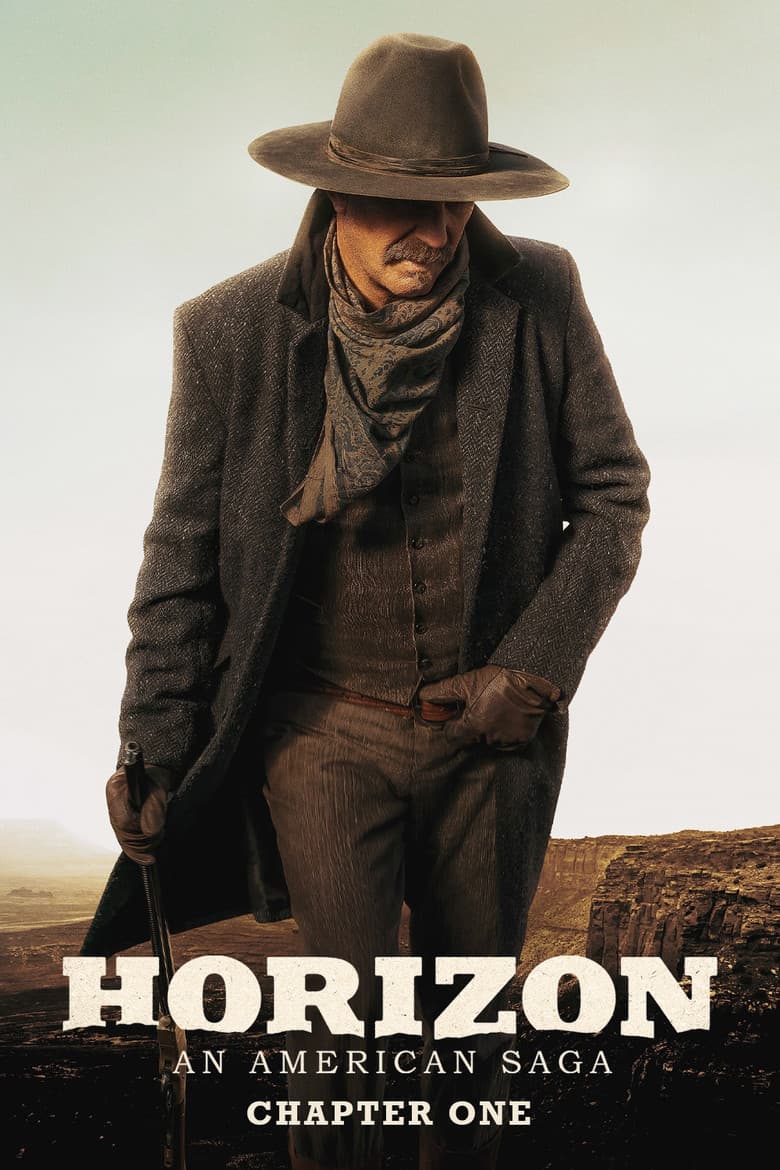
In 1859 to the early 1860s, settlers move into Apache lands in the Arizona territory to build a town called Horizon. An Apache raid kills many people, including a husband and son. A mother named Frances and her young daughter survive and find safety at a nearby Army camp, where the mother begins a romance with a lieutenant. At the same time, a lone cowboy named Hayes helps a woman and a boy escape dangerous men, and a wagon train of new settlers heads west while watched by native warriors.
The movie tells a traditional Western story of families seeking new lives, raids, revenge, survival, and the costs of settling the frontier during the time of the Civil War. It shows violence from both settlers and Apaches, with some characters on each side arguing for peace or payback. A few characters from different backgrounds appear to match the history of the period, but the main focus stays on personal stories rather than group identity or modern ideas. Public talk centered on the film feeling long and slow, with some left critics calling it old-fashioned while a few viewers noted one early black character as out of place for the era. Kevin Costner led the project as director, star, and co-writer and spoke about showing different groups from the time in a fair way.
Community feedback
Was our 20% Woke rating accurate?
Breakdown
These are the editorial factors and ratings behind our score for Horizon: An American Saga - Chapter 1.
Woke representation / casting
Some black and Asian characters appear to reflect frontier history, and native roles use native actors. One early black settler was called out by some viewers as unusual or forced. Lead roles follow standard Western casting with no heavy emphasis on identity signaling or mismatched competent figures.
22%
Woke political dialogue
Characters discuss land, raids, manifest destiny, and Army responses in period terms. There are no modern activist lines, slogans, or identity-focused speeches.
3%
Identity-driven story themes
The story centers on settlers chasing new land and lives, raids and payback, loss and starting over, and personal survival across several threads. It shows reasons and choices on both settler and Apache sides without turning the tale into group identity messaging.
12%
Western institutional / cultural critique
The film shows the push west and arguments over how to handle native conflicts, with some voices for fairness and others for revenge. It presents traditional family and gender roles without attacking them or framing Western settlement as systemic oppression.
8%
Woke character or canon changes
Not present in this title.
0%
Anti-woke backlash and complaints
A small number of viewers flagged one black character as forced diversity. Most discussion either praised the traditional approach or attacked critics for wanting more revisionism. Few people complained that the film itself pushes woke or DEI ideas.
10%
Creator track record context
The listed directors and producer carry 0/100 stored scores with no activist patterns. Costner spoke about fair historical inclusion of different groups for this project while keeping a settler-centered viewpoint.
10%
Production
Movie · 2023
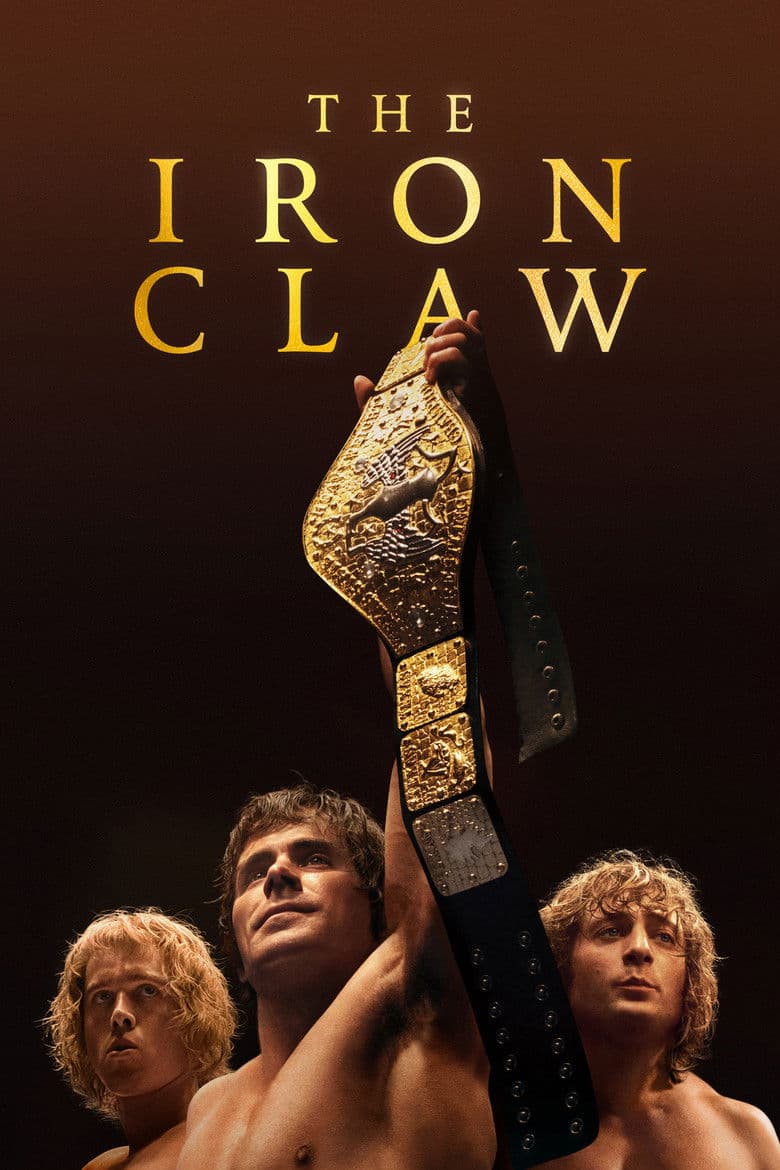
The true story of the inseparable Von Erich brothers, who made history in the intensely competitive world of professional wrestling in the early 1980s.
Movie · 2016
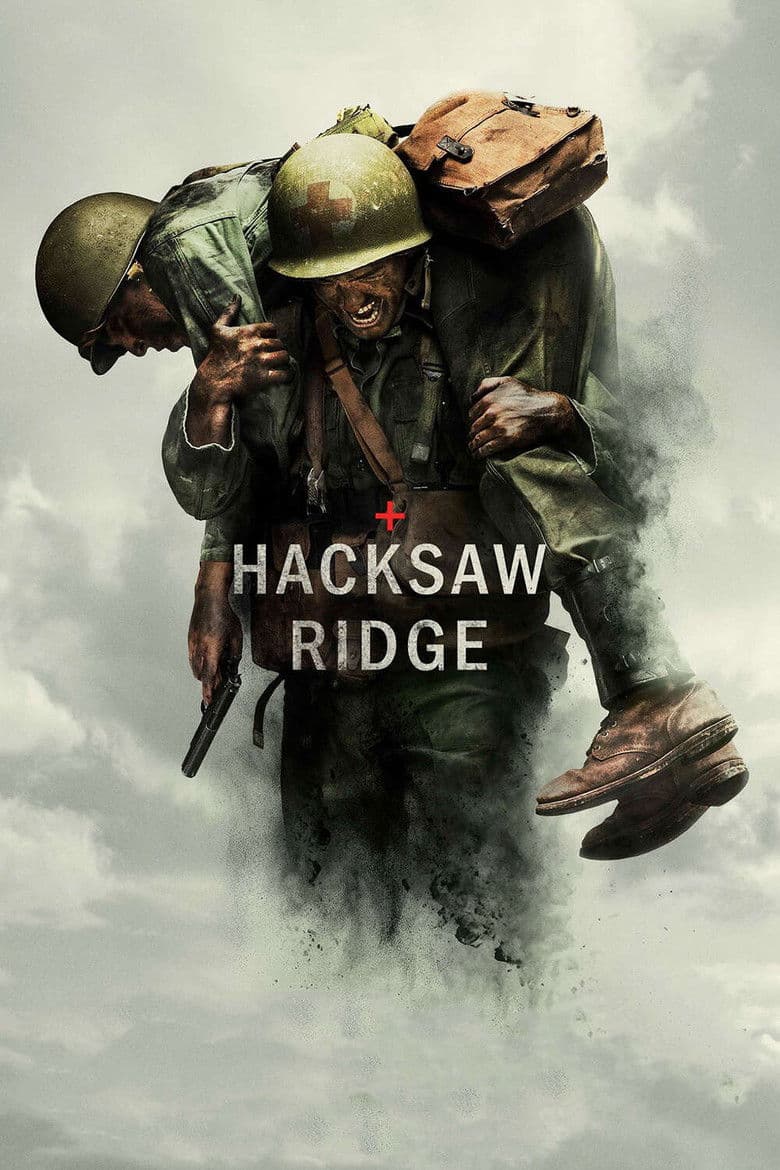
WWII American Army Medic Desmond T. Doss, who served during the Battle of Okinawa, refuses to kill people and becomes the first Conscientious Objector in American history to…
Movie · 2025
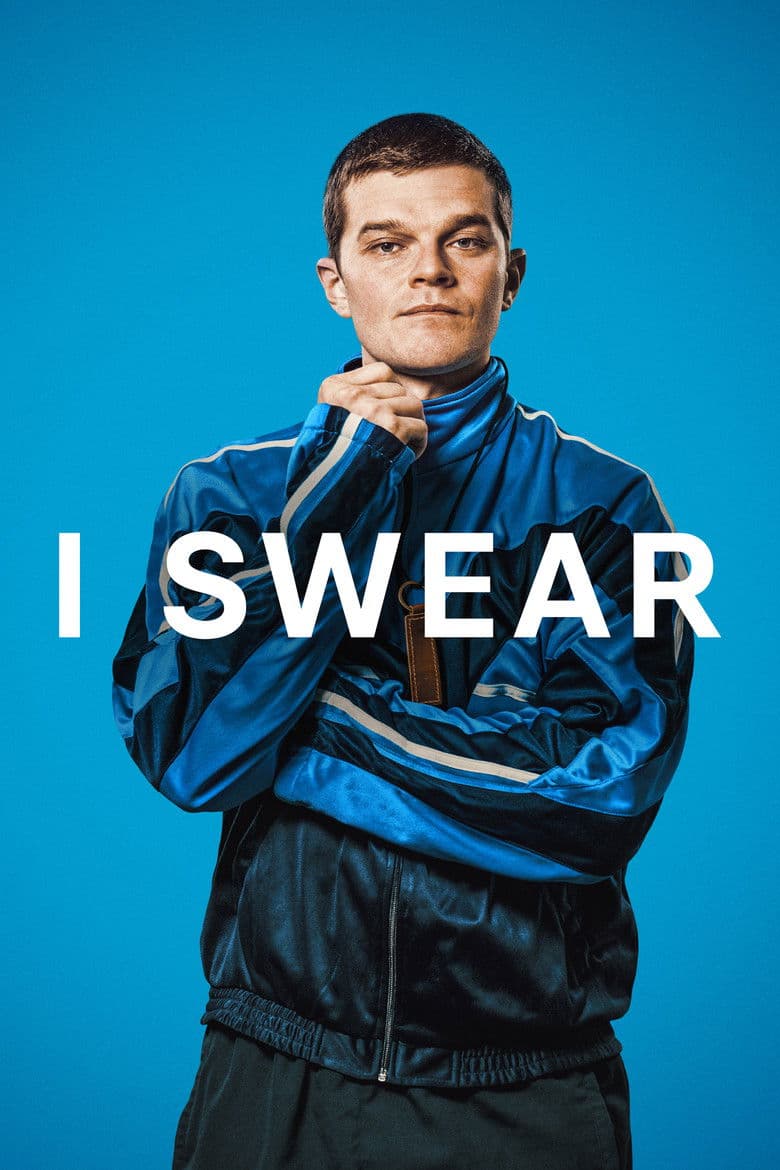
Diagnosed with Tourette Syndrome at 15, John Davidson navigates his way against the odds through troubled teenage years and into adulthood, finding inspiration in the kindness of…
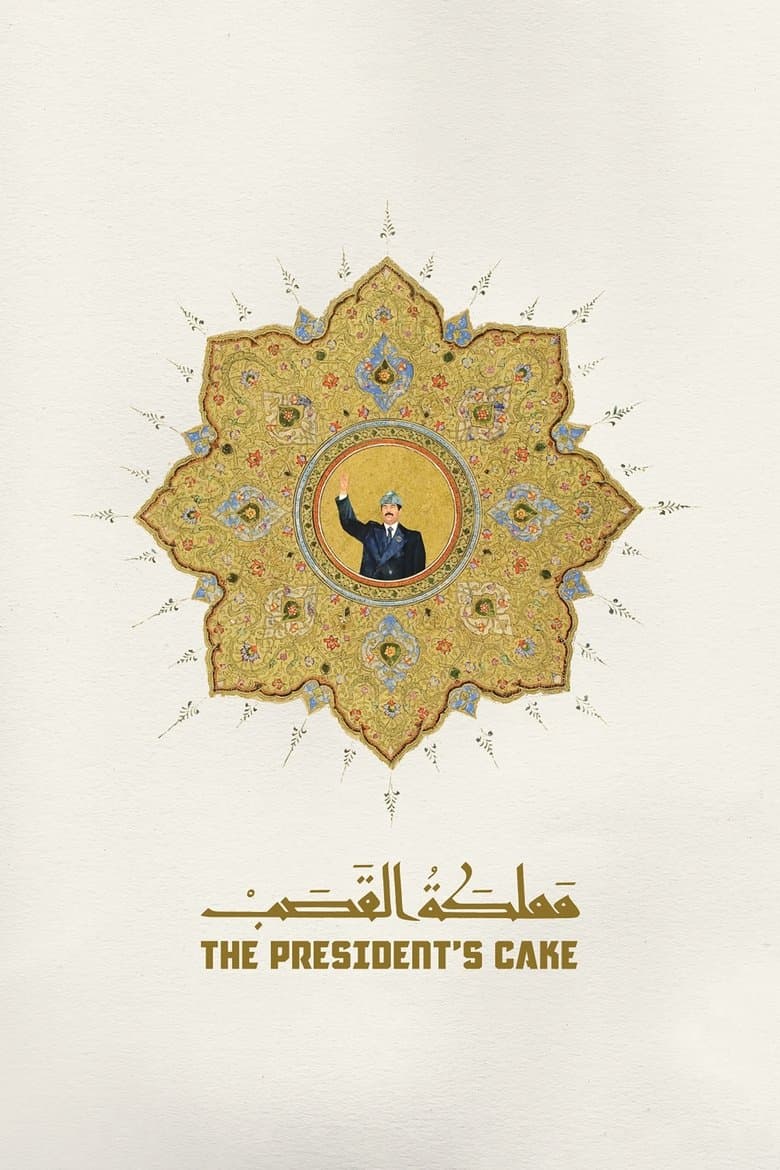
Movie · 2026
While people across 1990s Iraq struggle to survive the war and food shortages, Saddam Hussein requires each school in the country to prepare a cake to celebrate his birthday.
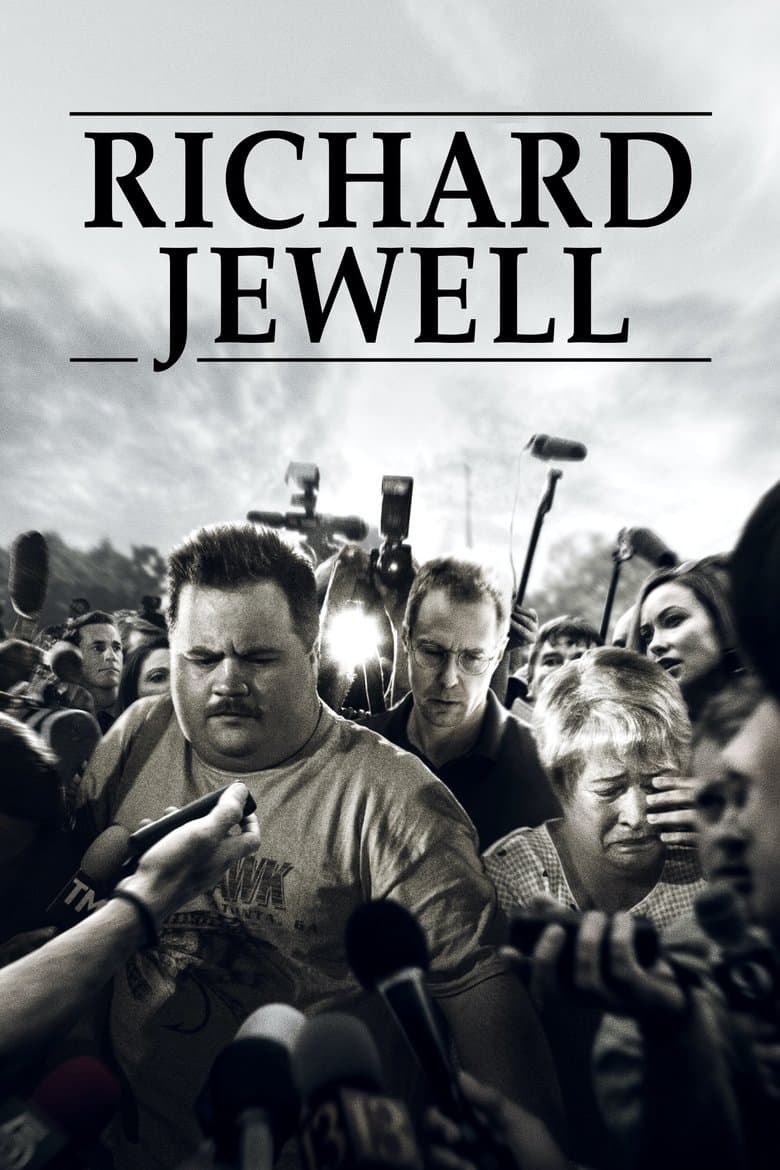
Movie · 2019
Richard Jewell thinks quick, works fast, and saves hundreds, perhaps thousands, of lives after a domestic terrorist plants several pipe bombs and they explode during a concert…

Movie · 2016
After his older brother passes away, Lee Chandler is forced to return home to care for his 16-year-old nephew.
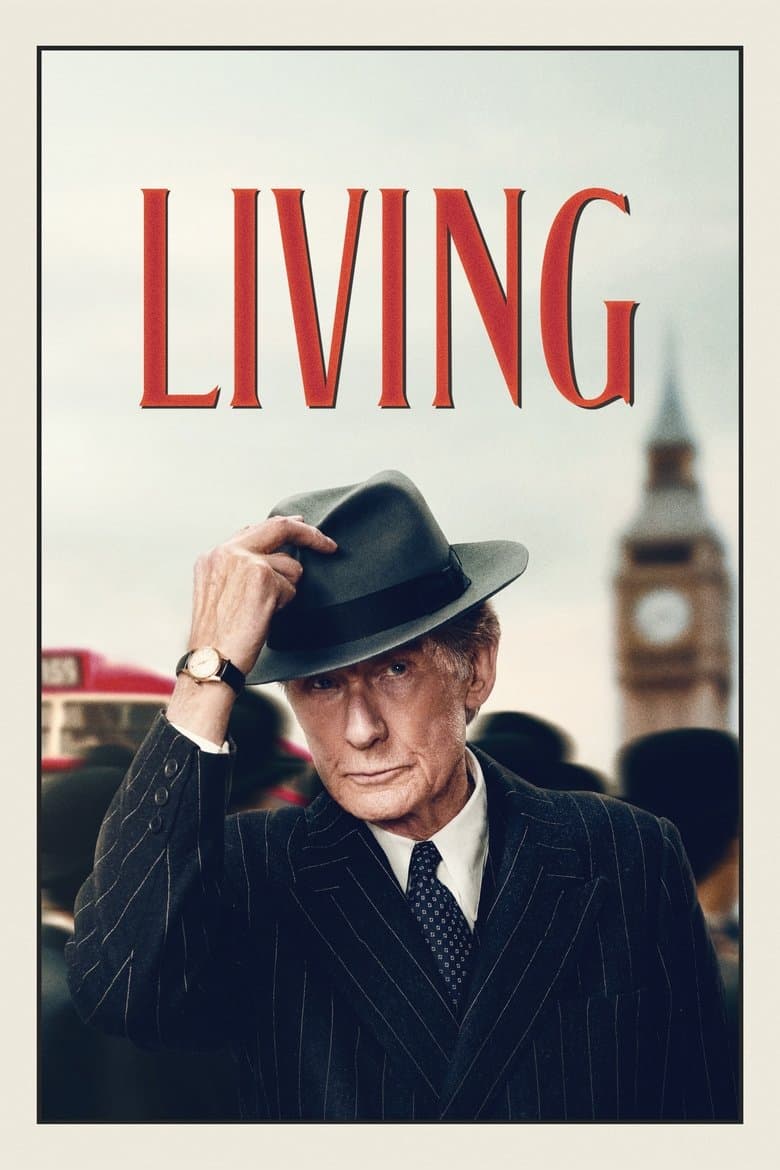
Movie · 2022
London, 1953. Mr. Williams, a veteran civil servant, is an important cog within the city's bureaucracy as it struggles to rebuild in the aftermath of World War II.
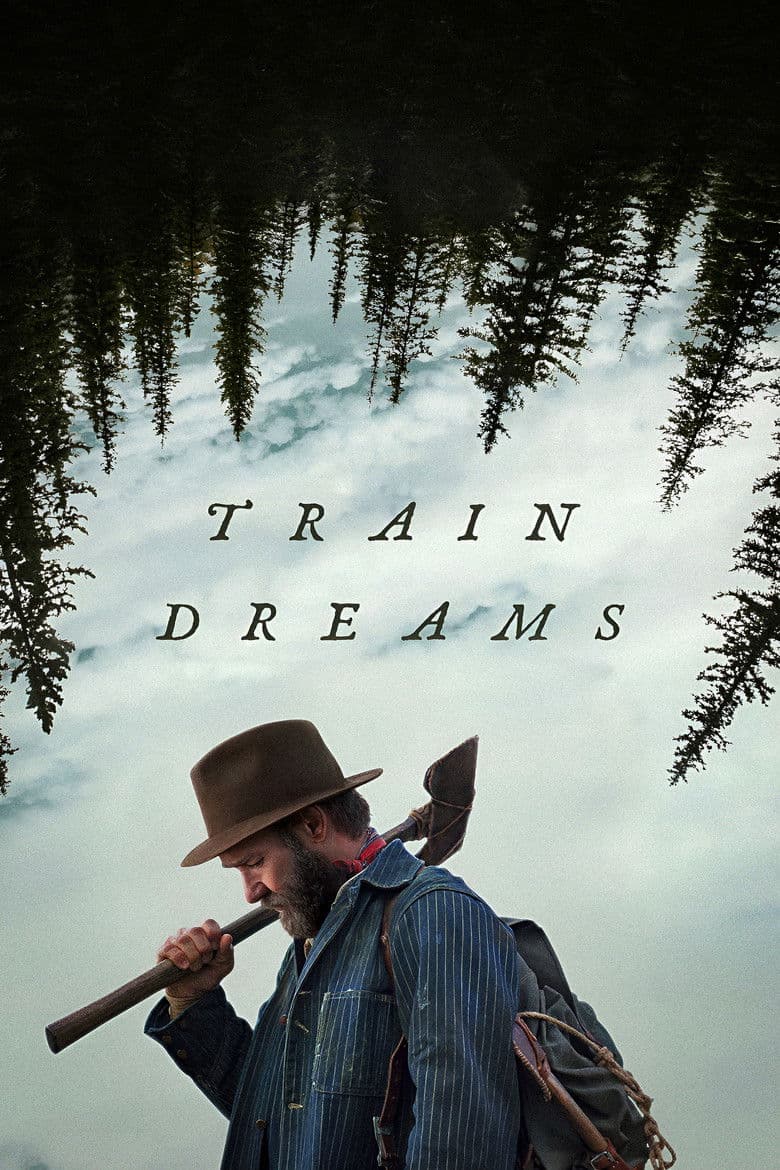
Movie · 2025
A logger leads a life of quiet grace as he experiences love and loss during an era of monumental change in early 20th-century America.
