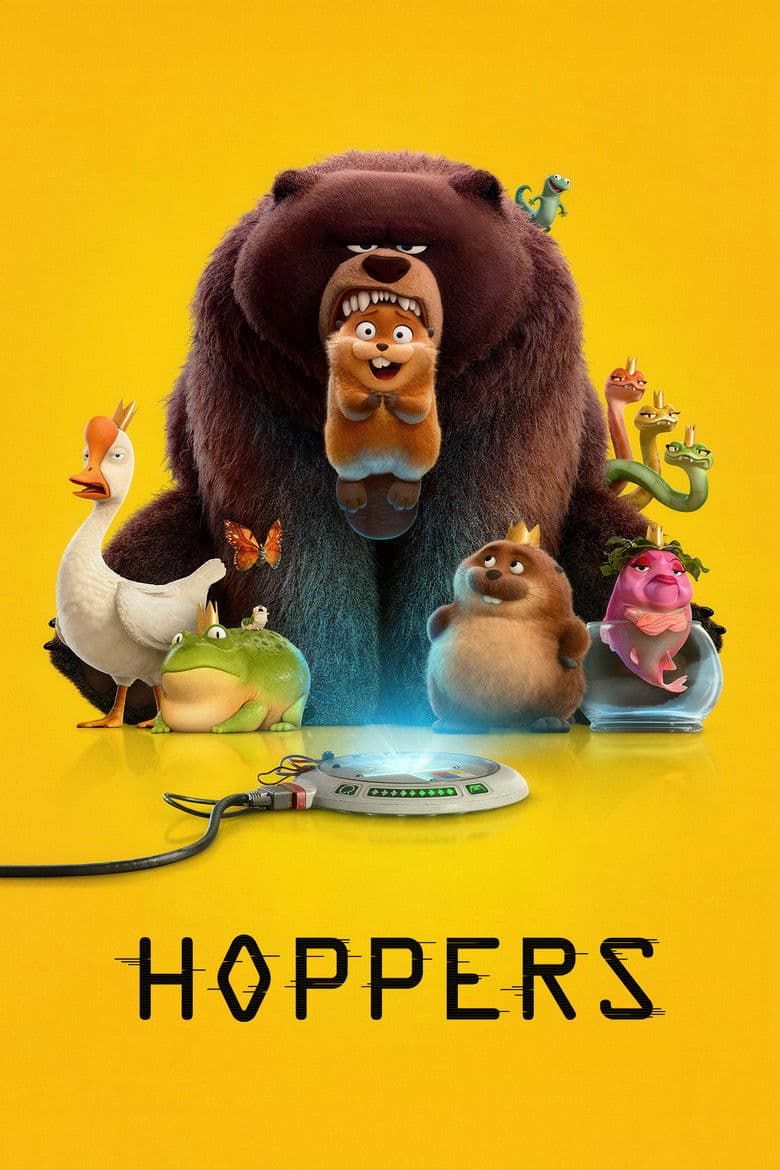
Hoppers follows Mabel Tanaka, a nineteen-year-old college student who has loved animals since she was a child. She lives in Beaverton, Oregon, where a mayor wants to build a highway through the forest glade that she shared with her grandmother. Mabel uses a secret machine to place her mind inside a robotic beaver so she can speak with the animals and learn why they left. The film mixes fast jokes, strange science fiction, animal action, grief, and a warm story about friendship.
The clearest audience-visible social message is environmental activism. Mabel protests the highway, tries to bring the animals home, and treats their habitat as worth protecting even when other people do not care. The film presents a Japanese-American girl as the main hero and gives women important science and guide roles, including Dr. Sam, the inventor, and Grandma Tanaka, her mentor. The story also asks people and animals to share one world, but it balances Mabel’s anger with a warning that careless activism can cause harm and that cooperation is needed.
Community feedback
Was our 41% Woke rating accurate?
Breakdown
These are the editorial factors and ratings behind our score for Hoppers.
Woke representation / casting
The film gives Mabel Tanaka, a Japanese-American college student, the main heroic role. The film also makes Dr. Sam a brilliant biology professor who invents the Hoppers technology, while Grandma Tanaka guides Mabel through grief and nature. Interviews openly discuss Asian-American representation, and other cast coverage highlights the film’s women scientists and Mabel’s value as a model for girls. Mabel’s identity stays a light part of the story, but the repeated pattern of prominent female roles makes representation noticeable.
34%
Woke political dialogue
The film makes environmental activism part of Mabel’s regular words and actions. Mabel protests the highway, collects support, and argues that the animals’ homes deserve protection. Mayor Jerry uses public office, reelection plans, and a development project to push back against her. The animal council then debates protest, violence, and cooperation, although the movie avoids long speeches about current parties or climate policy.
36%
Identity-driven story themes
Not present. Focus stays on personal family legacy and practical human-animal coexistence rather than race, gender, sexuality, or identity politics.
0%
Western institutional / cultural critique
The film treats Mayor Jerry’s highway plan as short-sighted human development that harms wildlife. Jerry uses his public office and machines that drive animals away to clear the land for the project. Mabel’s protest creates a mild critique of political image-making and human control of nature. The ending favors a deal between people and animals, so the film does not condemn all government, business, or human progress.
20%
Woke character or canon changes
Not relevant. Original story with no ideological swaps to known characters or history.
0%
Anti-woke backlash and complaints
A right-wing podcast host called the film “non-biblical” and objected to its idea that people and animals should share one community. Some fringe reviewers called Mabel’s environmental activism woke, leftist, or propaganda. Those complaints focused on nature politics and Mabel’s anger rather than race, gender, or queer content. The reaction was scattered, not a broad campaign against the film.
24%
Creator track record context
The team includes creators with some earlier work about cultural identity, representation, or inclusive casting, especially Domee Shi, Lee Unkrich, and Kate Hansen-Birnbaum. Max Sachar produced Pixar’s Out, a short about a gay man coming out to his parents. Daniel Chong’s known work centers family comedy and people who feel like outsiders rather than direct political activism. This gives the film some supporting context, but the team’s history is mixed and Hoppers is not a queer-centered project.
31%
Production
Movie · 2024
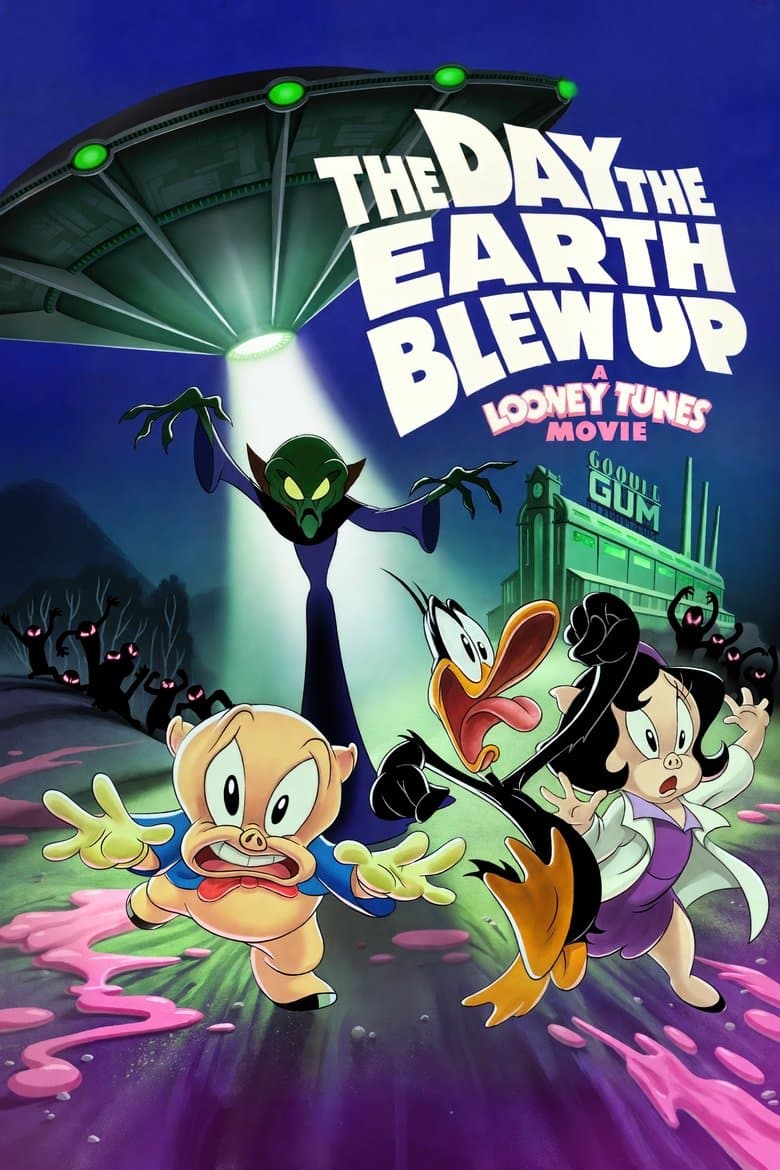
Porky and Daffy, the classic animated odd couple, turn into unlikely heroes when their antics at the local bubble gum factory uncover a secret alien mind control plot.
Movie · 2018
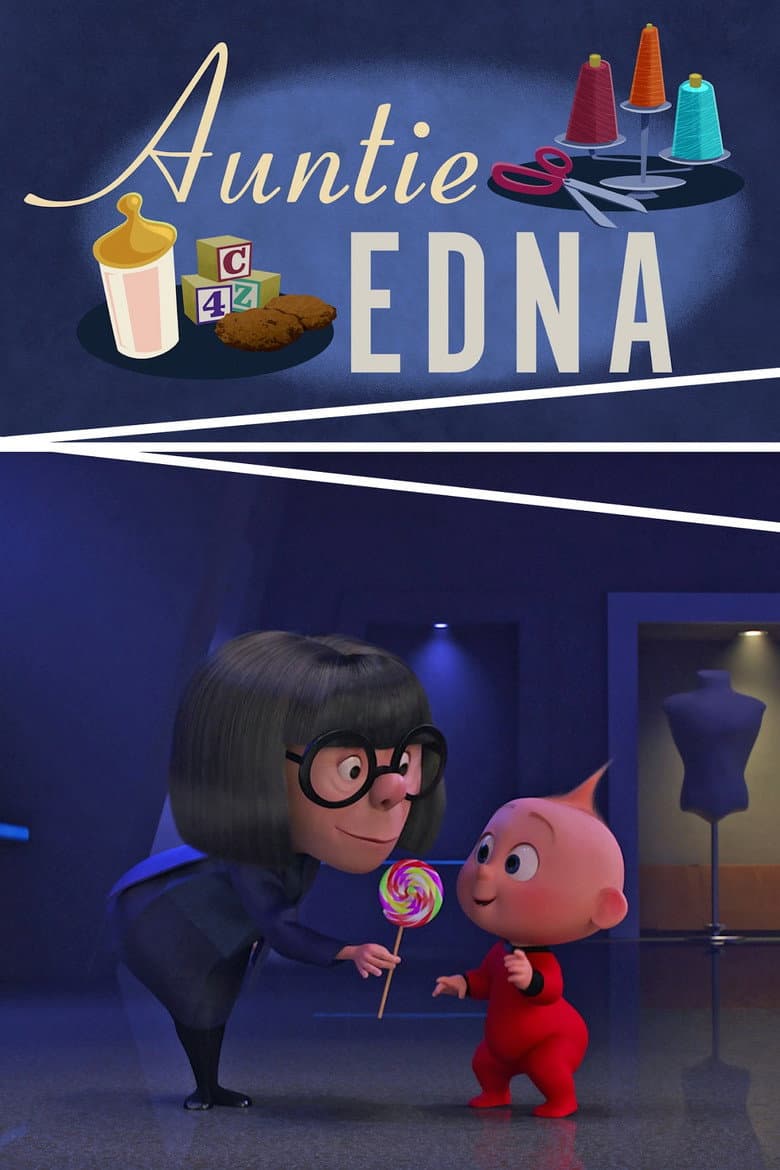
Taking place during the events of Incredibles 2, Edna Mode babysits Jack-Jack.
Movie · 2022
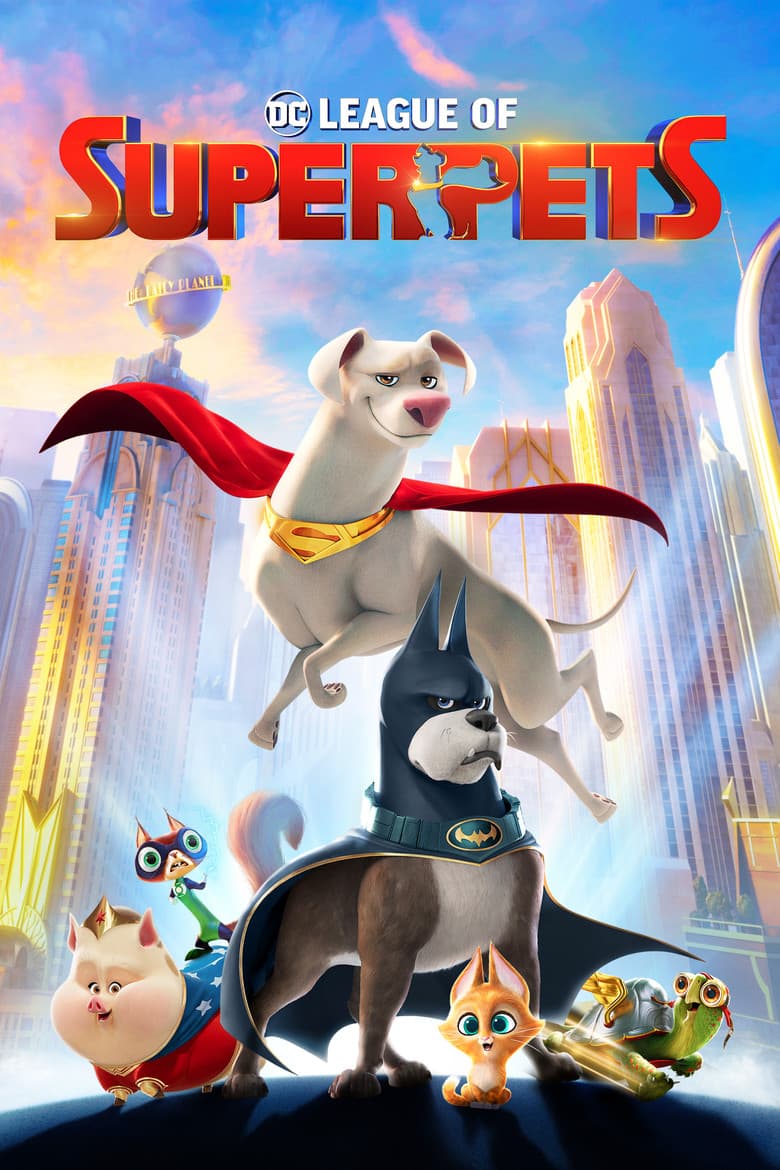
When Superman and the rest of the Justice League are kidnapped, Krypto the Super-Dog must convince a rag-tag shelter pack - Ace the hound, PB the potbellied pig, Merton the turtle…
Movie · 2024
Gru and Lucy and their girls—Margo, Edith and Agnes—welcome a new member to the Gru family, Gru Jr., who is intent on tormenting his dad.
Movie · 2021
Buster and his new cast now have their sights set on debuting a new show at the Crystal Tower Theater in glamorous Redshore City.
Movie · 2023
Jaded 74-year-old lizard Leo has been stuck in the same Florida classroom for decades with his terrarium-mate turtle.

Movie · 2021
In a world where walking, talking, digitally connected bots have become children's best friends, an 11-year-old finds that his robot buddy doesn't quite work the same as the…
Movie · 2021
A music-loving kinkajou named Vivo embarks on the journey of a lifetime to fulfill his destiny and deliver a love song for an old friend.
