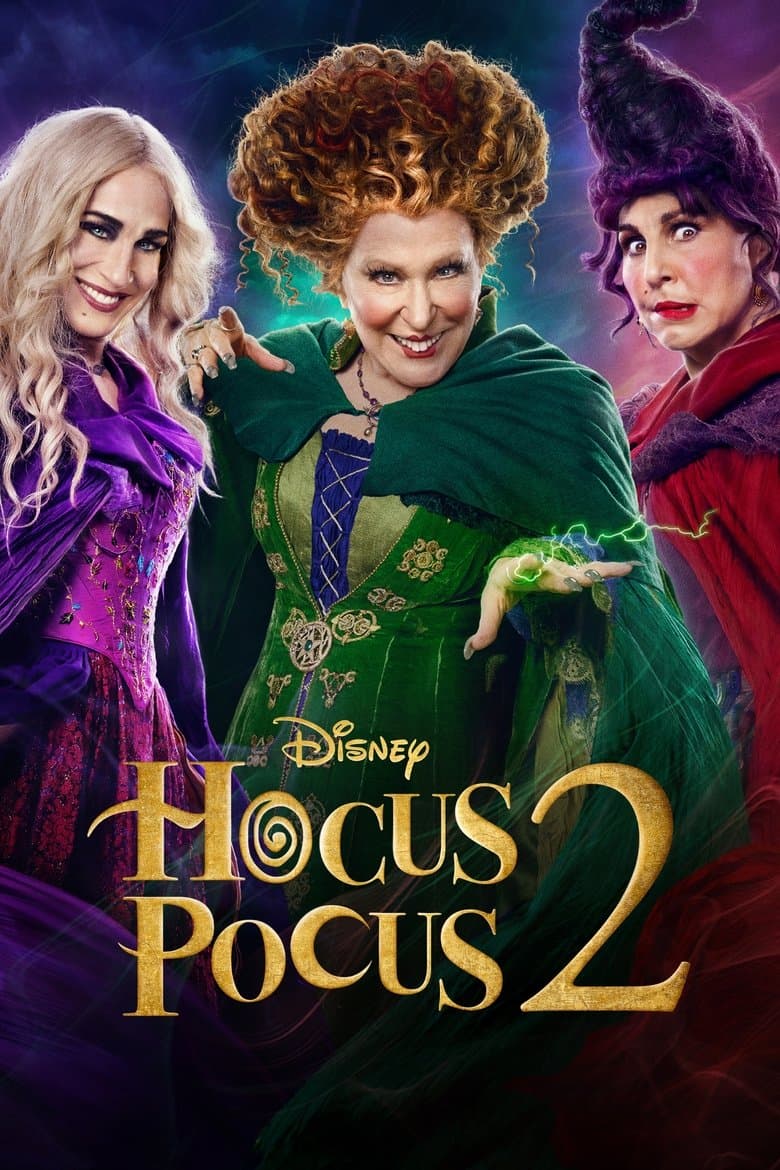
Becca is a teen in modern Salem who wants a quiet birthday with her best friends. A magic candle brings the Sanderson sisters back from the dead. The witches want big power and payback before sunrise. The movie is a light Halloween comedy with sisterhood, friendship fights, and silly witch chaos.
Viewers will notice girl power and modern updates more than a full political lecture. The new heroes are three teen girls, including a black lead and a Latina best friend. One line jokes that witch myths come from “patriarchal fear of female aging.” The story pushes female friendship, shared power, and young Winifred refusing a forced marriage after clashing with a church leader. Drag Race queens play drag versions of the sisters, and a brief gay couple appears on a TV screen. Some fans called it forced diversity or “woke,” but many others mainly complained it was weaker than the first film. The identity push is clear but not the whole movie.
Community feedback
Was our 70% Woke rating accurate?
Breakdown
These are the editorial factors and ratings behind our score for Hocus Pocus 2.
Woke representation / casting
New leads include a black teen hero and a Latina best friend in front roles, plus black actor Sam Richardson as Gilbert. Critics openly praised “diverse casting.” Drag Race queens get a clear cameo as drag Sandersons. Modern Salem can be diverse, but the pattern and marketing of race mix plus drag are easy to notice, not pure background.
52%
Woke political dialogue
Becca’s “patriarchal fear of female aging” line is direct modern activist-style talk. Mike gets a soft lesson about calling people “weird.” Talk is not wall-to-wall politics, but that one line and light inclusion notes stand out in a family Halloween comedy.
42%
Identity-driven story themes
Core story is girl friendship, sisterhood, and “a witch is nothing without her coven,” with power meant to be shared. Young Winifred’s arc rejects forced marriage and church control. Female bonding drives the plot more than race or queer romance, but girl-power framing is strong and on-purpose.
48%
Western institutional / cultural critique
Flashbacks cast Puritan church power and arranged marriage as the start of the witches’ path. The patriarchal line links old myths to sexism. This is partly period story logic, not a full modern attack on capitalism or “whiteness,” but traditional church and gender rules are shown as harsh and wrong.
38%
Woke character or canon changes
Heroes shift from the original boy-and-sisters setup to three new teen girls with diverse casting. The spell book’s giver shifts from devil lore toward a Mother Witch. These feel like soft modern and feminist updates, not hard race or gender swaps of named legacy leads.
28%
Anti-woke backlash and complaints
Viewers and posters hit “forced diversity,” drag cameos, and Disney “woke” framing on IMDb, Reddit, YouTube, and X. Complaints are real but not a top-tier culture war. Some fans even said the film was less woke than they expected.
32%
Creator track record context
Fletcher and D’Angelo both sit mid-to-upper on progressive and diversity-focused work; Shankman adds moderate LGBTQ-aligned public identity. Other producers and casting leads are mostly craft-first with low activist scores, so the overall crew signal is medium, not extreme.
48%
Production
Movie · 2023
A rich man learns about a guru who can see without using his eyes. He sets out to master the skill in order to cheat at gambling.
Movie · 2018
Fresh off being unseated as the ruler of Sakaar, the Grandmaster makes his way to Earth to start a new life. It's been over a year since Thor left Australia and Darryl has been…
Movie · 2021
A social butterfly who dies during her birthday week is given a second chance to right her wrongs on Earth.
Movie · 2024
Maddie's dream guy is days away from marrying her best friend when a wish for true love made on an ancient stone in Ireland magically alters her fate.
Movie · 2022
Disillusioned with life in the city, feeling out of place in suburbia, and frustrated that her happily ever after hasn’t been so easy to find, Giselle turns to the magic of…
Movie · 2019
Kat is an aspiring singer-songwriter who dreams of making it big. However, her dreams are stalled by her reality: a conniving and cruel stepfamily and a demoralizing job working…
Movie · 2022
A young girl discovers a secret map to the dreamworld of Slumberland, and with the help of an eccentric outlaw, she traverses dreams and flees nightmares, with the hope that she…
Movie · 2021
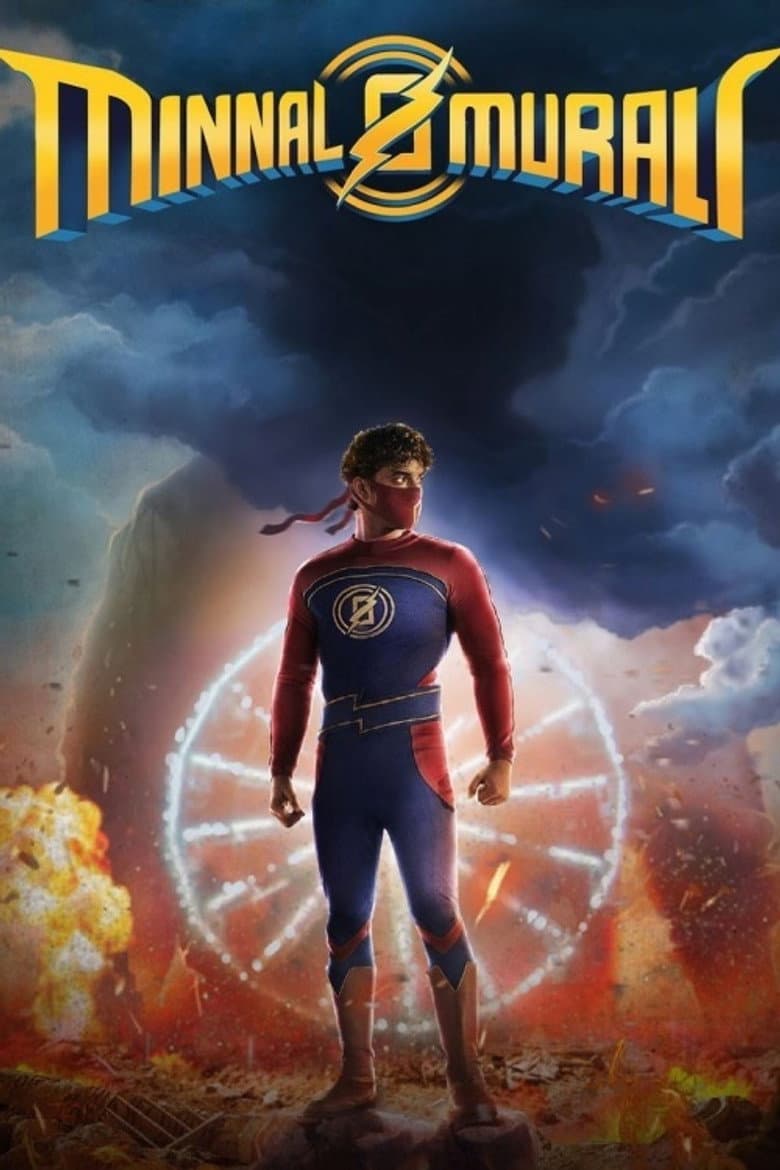
A tailor gains special powers after being struck by lightning but must take down an unexpected foe if he is to become the superhero his hometown in Kerala needs.
