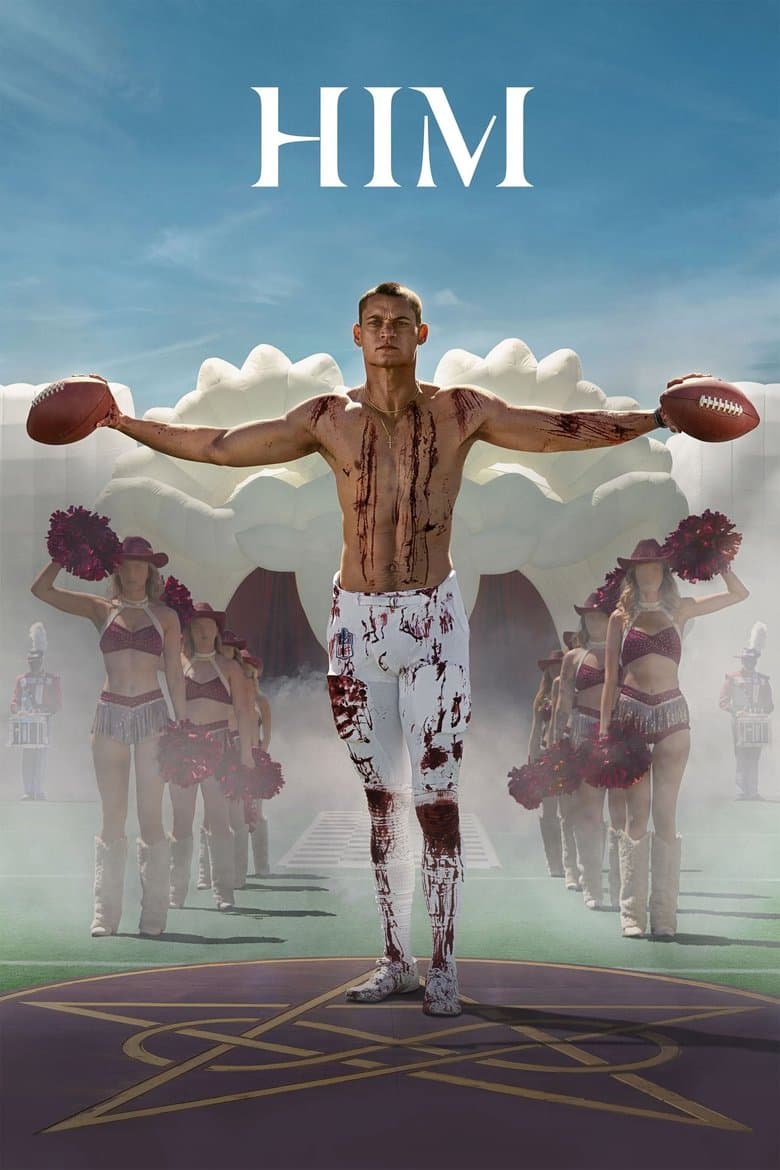
HIM is a horror movie about Cameron Cade, a rising young quarterback who gets a brain injury before turning professional. He gets a chance to train at the isolated compound of his idol, a legendary superstar quarterback named Isaiah White. As they train, Cameron discovers that Isaiah's lessons are actually part of a dark and dangerous trap. The movie uses this scary setup to criticize toxic masculinity, athlete worship, and the exploitation of black players in sports.
Community feedback
Was our 57% Woke rating accurate?
Breakdown
These are the editorial factors and ratings behind our score for HIM.
Woke representation / casting
The film features a mostly black main cast. This fits a football setting, but it also matches the studio's goal of putting black actors in lead roles. There are no forced character swaps, but the casting highlights black identity and the physical struggle of black athletes.
12%
Woke political dialogue
The movie has speeches about the unfair history of professional sports. Characters talk about how the business takes advantage of black players. These lines use modern social-justice ideas to criticize sports organizations.
35%
Identity-driven story themes
The story is a metaphor for how white-owned sports businesses exploit black athletes. The plot focuses on the mental harm caused by toxic masculinity and the pressure to be the best.
42%
Western institutional / cultural critique
The movie criticizes American sports culture, fame, and traditional values like "God, family, football." It shows these traditional ideals as toxic, greedy, and bad for people.
48%
Woke character or canon changes
Not relevant. This is an original story.
0%
Anti-woke backlash and complaints
Some viewers called the film "woke garbage" because of its focus on race and toxic masculinity. However, most viewers complained about the bad writing, messy editing, and confusing plot.
30%
Creator track record context
The crew has a history of making stories about social themes. This includes director Justin Tipping, producer Jordan Peele, casting director Carmen Cuba, and others who focus on diversity and social justice.
48%
Production
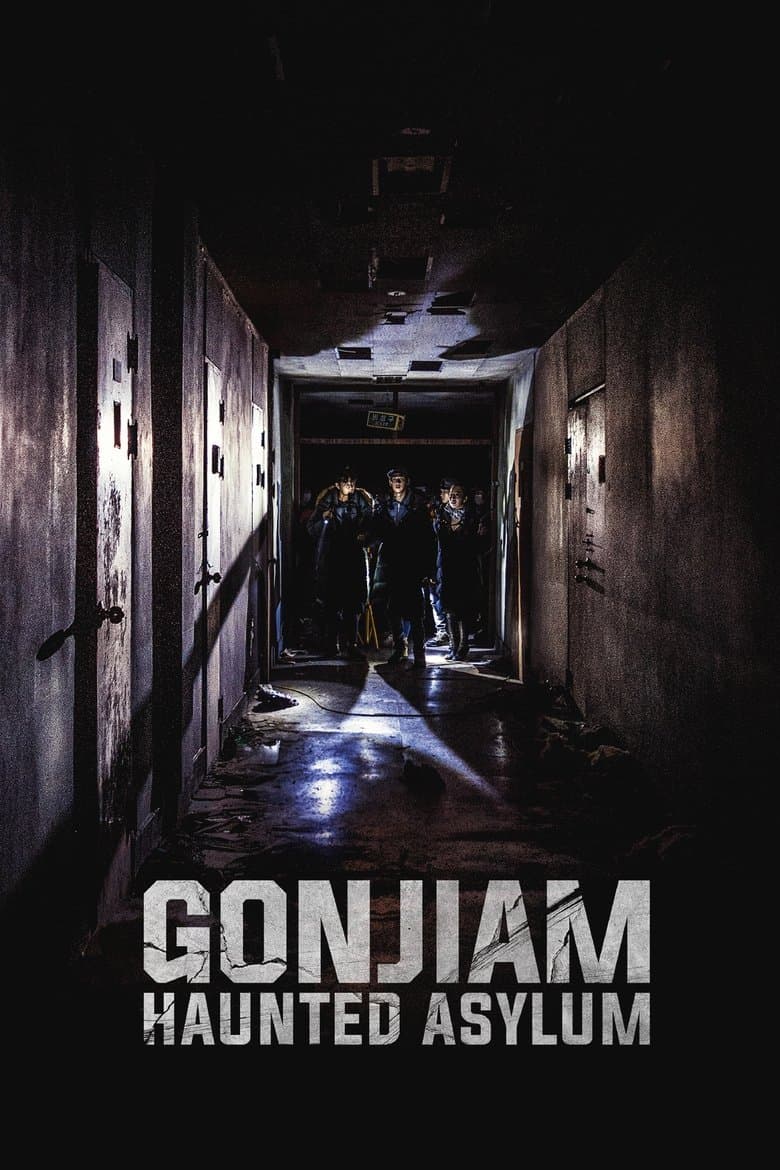
Movie · 2018
The crew of a horror web series travels to an abandoned asylum for a live broadcast, but they encounter much more than expected as they move deeper inside the nightmarish old…
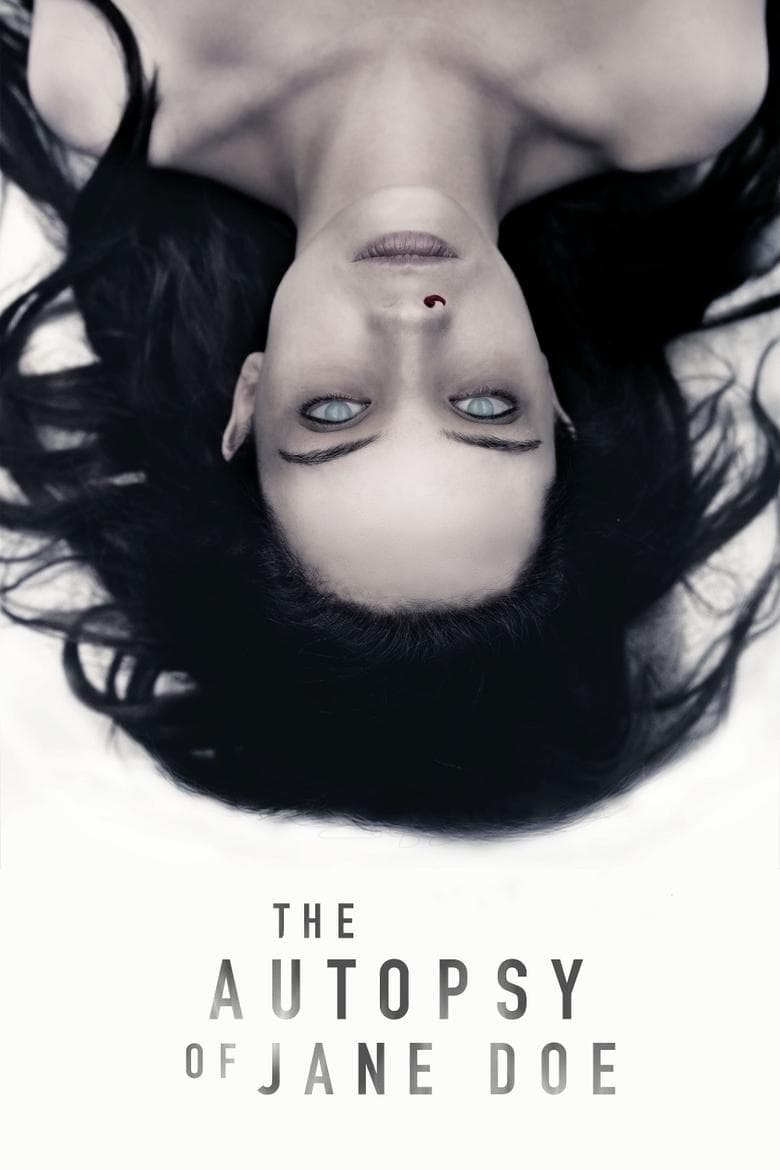
Movie · 2016
Father and son coroners receive a mysterious unidentified corpse with no apparent cause of death. As they attempt to examine the "Jane Doe," they discover increasingly bizarre…
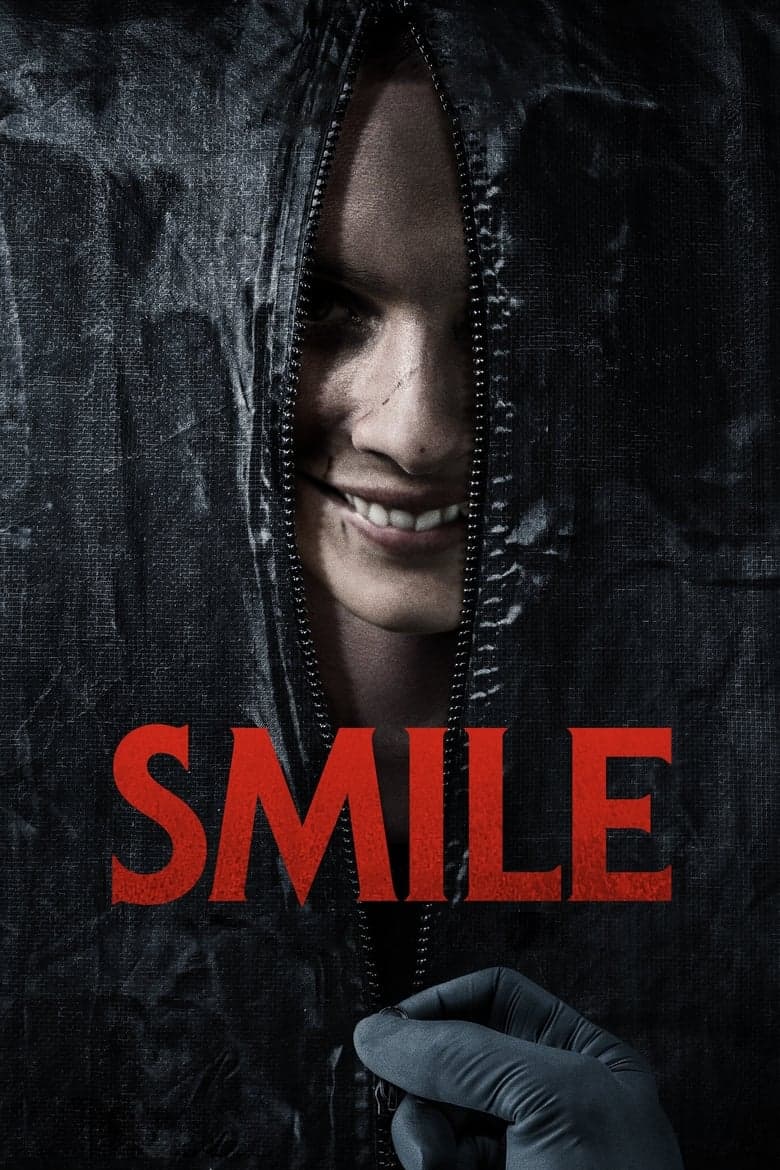
Movie · 2022
After witnessing a bizarre, traumatic incident involving a patient, Dr. Rose Cotter starts experiencing frightening occurrences that she can't explain.
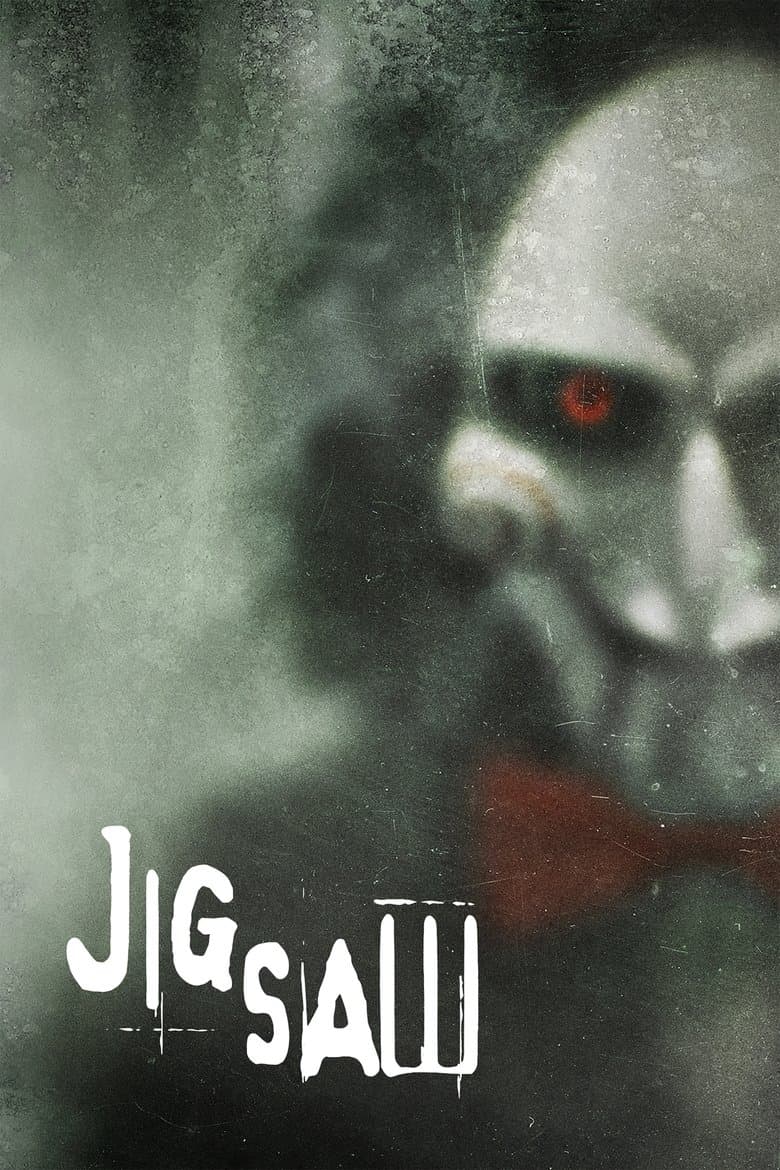
Movie · 2017
Law enforcement finds itself chasing the ghost of a man dead for over a decade, embroiled in a diabolical new game that's only just begun.
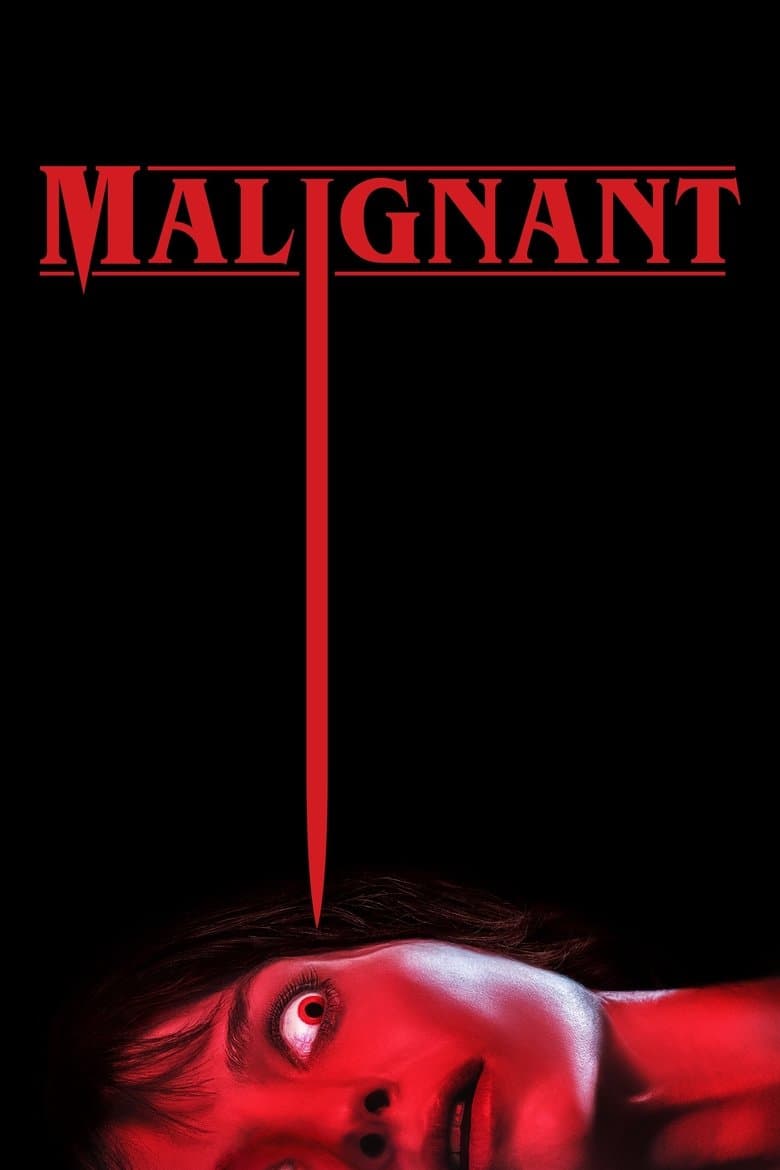
Movie · 2021
Madison is paralyzed by shocking visions of grisly murders, and her torment worsens as she discovers that these waking dreams are in fact terrifying realities with a mysterious…

Movie · 2017
After a mysterious global crisis, a young girl is left alone to hide from a malevolent power that stalks her home.
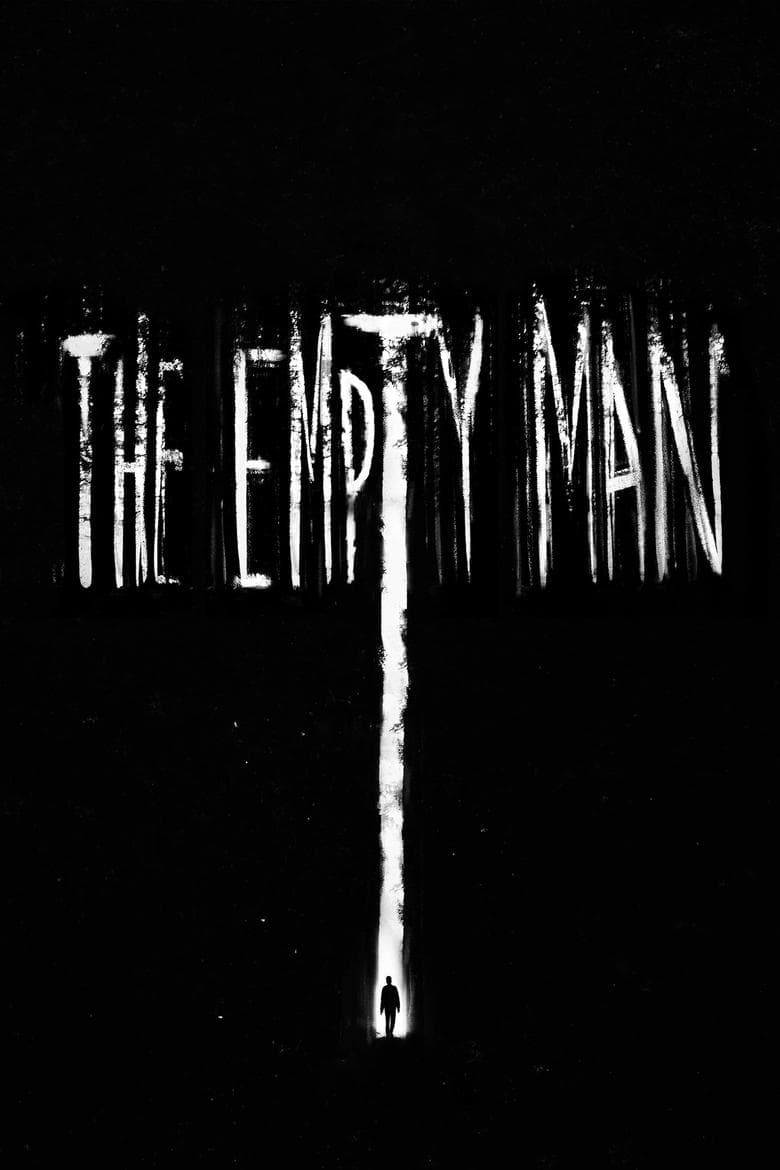
Movie · 2020
On the trail of a missing girl, an ex-cop comes across a secretive group attempting to summon a terrifying supernatural entity.
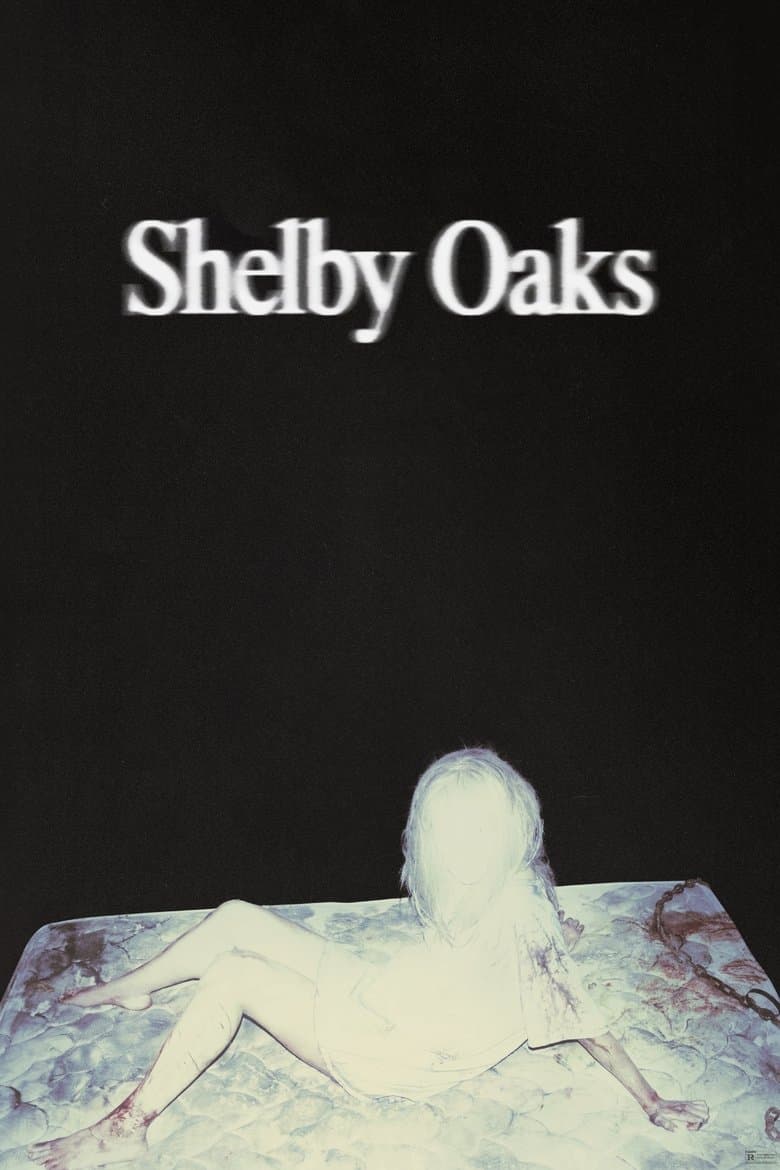
Movie · 2025
A woman's obsessive search for her missing sister leads her into a terrifying mystery at the hands of an unknown evil.
