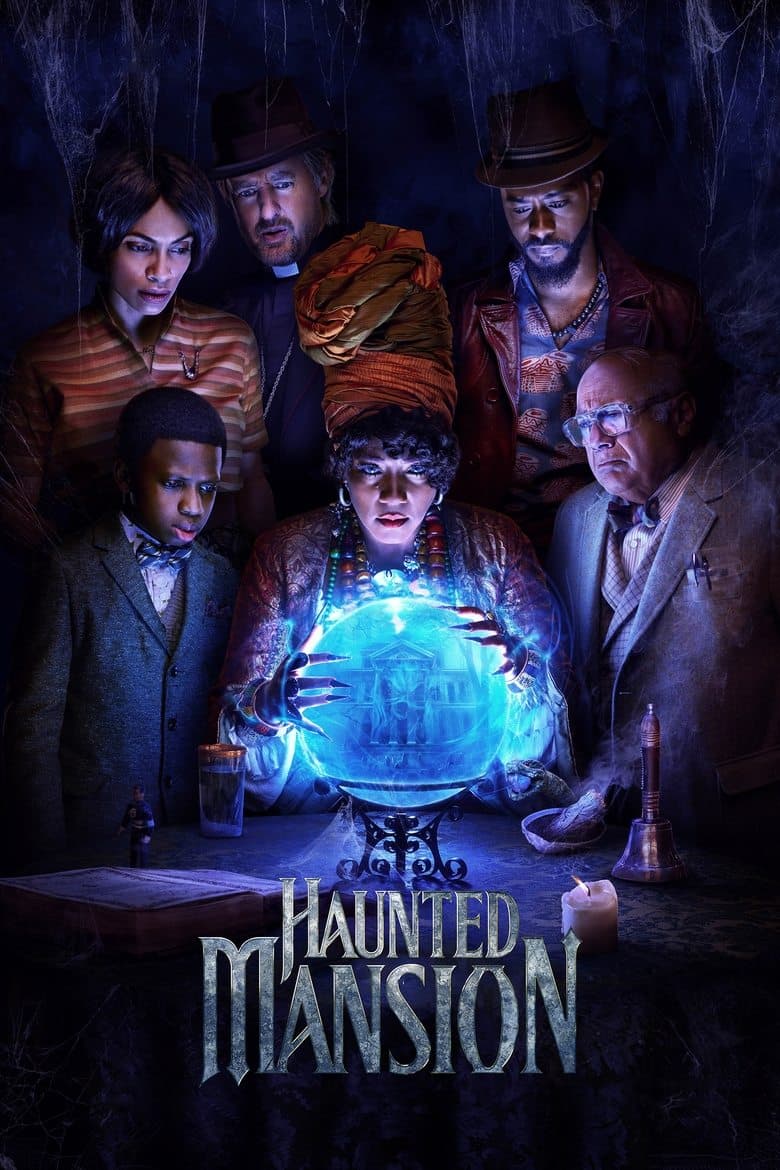
Ben is a sad scientist in New Orleans who stopped believing in ghosts after his wife died. A single mom named Gabbie and her son Travis move into a huge old house and find real ghosts living there. They hire Ben and a mixed group of helpers to clear the house. The movie is a family comedy with scares, jokes, and a soft story about grief and new friends.
What stands out most is who is on screen and who made the film. The lead roles include a black man, a black psychic, a black boy, and a Latina doctor mom. Director Justin Simien said he pushed hard for a black lead and for many black faces in the cast. The main story is still about loss, ghosts, and sticking together, not long talks about race or politics. Viewers who watch for diversity will notice the cast and the director’s public talk about it. Viewers who just want a ride-style ghost movie will mostly see jokes, scares, and a sad dad learning to open up again.
Community feedback
Was our 58% Woke rating accurate?
Breakdown
These are the editorial factors and ratings behind our score for Haunted Mansion.
Woke representation / casting
Big leads are a black scientist, black psychic, black child, and Latina doctor. Simien said a black lead was a must in his pitch. Diversity is easy to see and clearly planned, not random. The New Orleans setting can support mixed casting, but the director also sold it as representation. Noticeable for many viewers; not the whole movie’s only focus.
52%
Woke political dialogue
Lines and jokes center on ghosts, fear, scams, and grief. No clear pattern of activist lectures on race, gender, or modern politics. A fake priest is played for laughs and later grows; that is mild comedy, not a speech against faith. Normal viewers would not hear a political agenda in the talk.
12%
Identity-driven story themes
The spine is loss, moving on, and a found family fighting a ghost. Race is not the problem the heroes must solve. Soft identity weight comes from a black-led emotional core and the director later calling that “radical,” but on screen the theme stays personal and family-first, not a race or gender manifesto.
28%
Western institutional / cultural critique
The villain is a rich, cruel man who killed people and worshiped dark power. That fits old ghost stories more than modern attacks on “the West,” the church, or traditional families. The priest con man becomes better, not a hit on faith. Light rich-villain flavor only.
15%
Woke character or canon changes
This is a new plot with new leads around ride favorites (Gracey, Leota, Hatbox Ghost, Constance). It is not a high-profile race or gender flip of a famous named hero. Mild DEI imprint is who gets center stage, not rewriting classic figures into identity symbols.
18%
Anti-woke backlash and complaints
Some posts and comments call the director “woke” and treat the flop as part of Disney’s diversity era. Complaints stayed limited and mixed with non-political gripes (ads, timing, quality). No major, sustained anti-woke campaign defined the release.
18%
Creator track record context
Simien’s past work and public persona are strongly identity- and race-focused (Dear White People and related talk). Writer and some producers land mid-range on inclusivity talk. His voice as director is the main reason this factor is high, even when the script stays a family ghost comedy.
74%
Production
Movie · 2018
The story of a heartbroken man who attends a spiritual retreat, only to discover that the course releases more than everyday toxins and traumatic experiences.
Movie · 2023
Hapless family man Paul Matthews finds his life turned upside down when millions of strangers suddenly start seeing him in their dreams.
Movie · 2023
While the Second World War rages, the teenage Mahito, haunted by his mother's tragic death, is relocated from Tokyo to the serene rural home of his new stepmother Natsuko, a woman…

Movie · 2019
As the gang return to Jumanji to rescue one of their own, they discover that nothing is as they expect. The players will have to brave parts unknown and unexplored in order to…
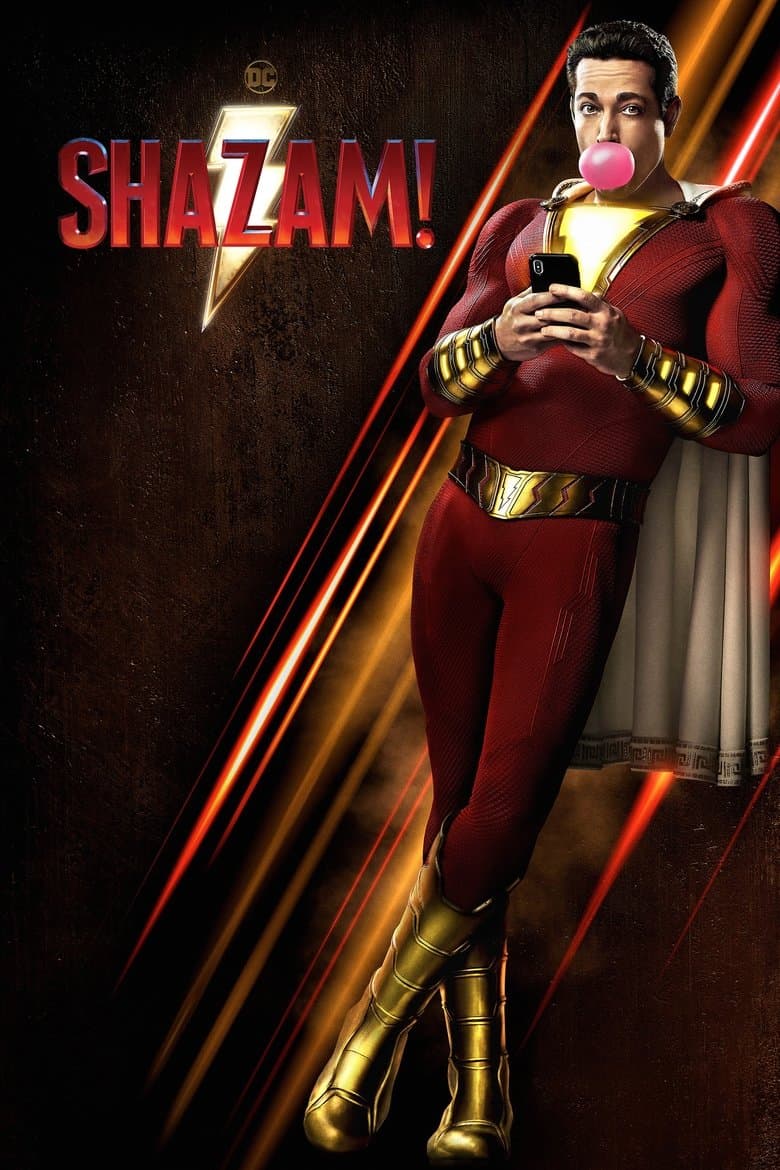
Movie · 2019
A boy is given the ability to become an adult superhero in times of need with a single magic word.
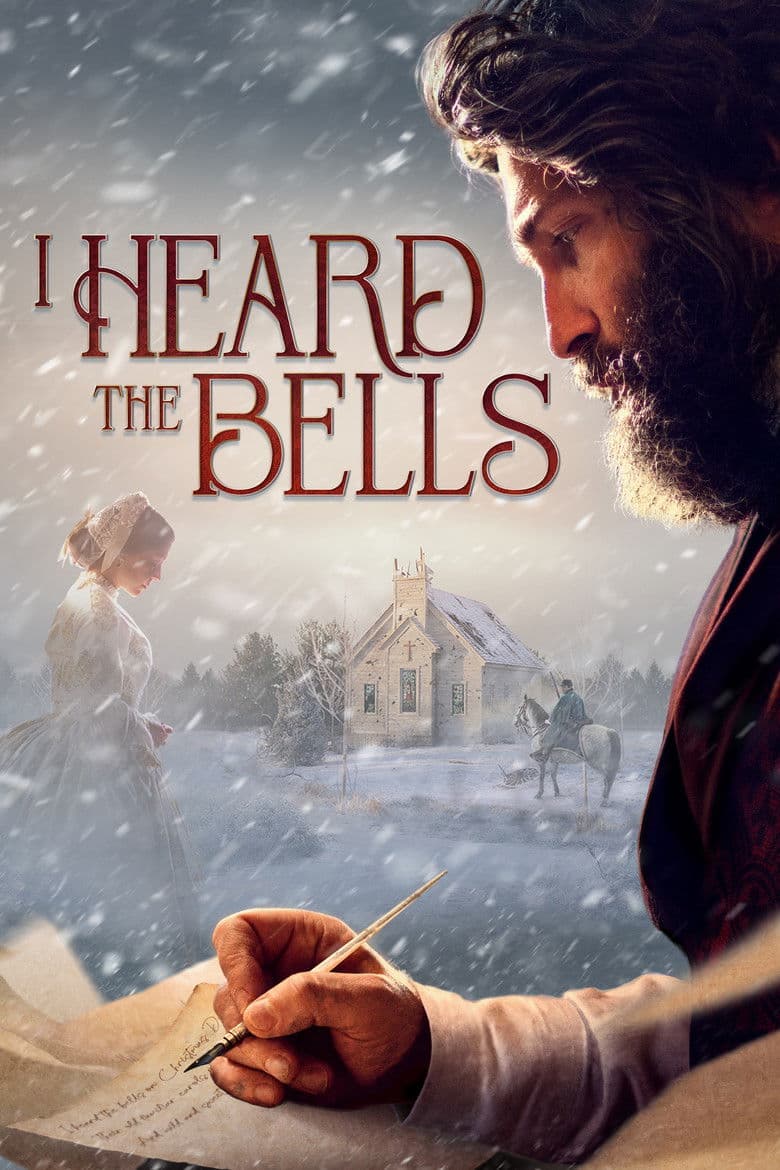
Movie · 2022
Known as America’s Poet, Henry Wadsworth Longfellow leads an idyllic life – until the day his world is shattered by tragedy.
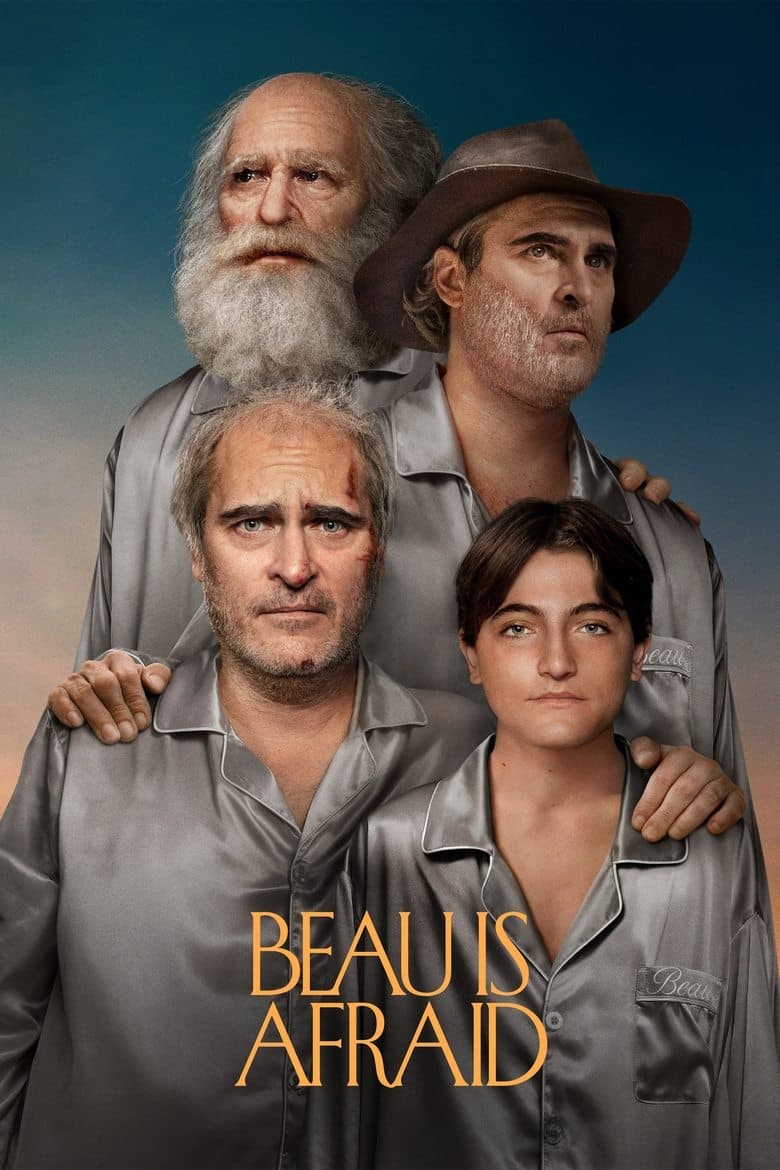
Movie · 2023
Following the sudden death of his mother, a mild-mannered but anxiety-ridden man confronts his darkest fears as he embarks on an epic odyssey back home.
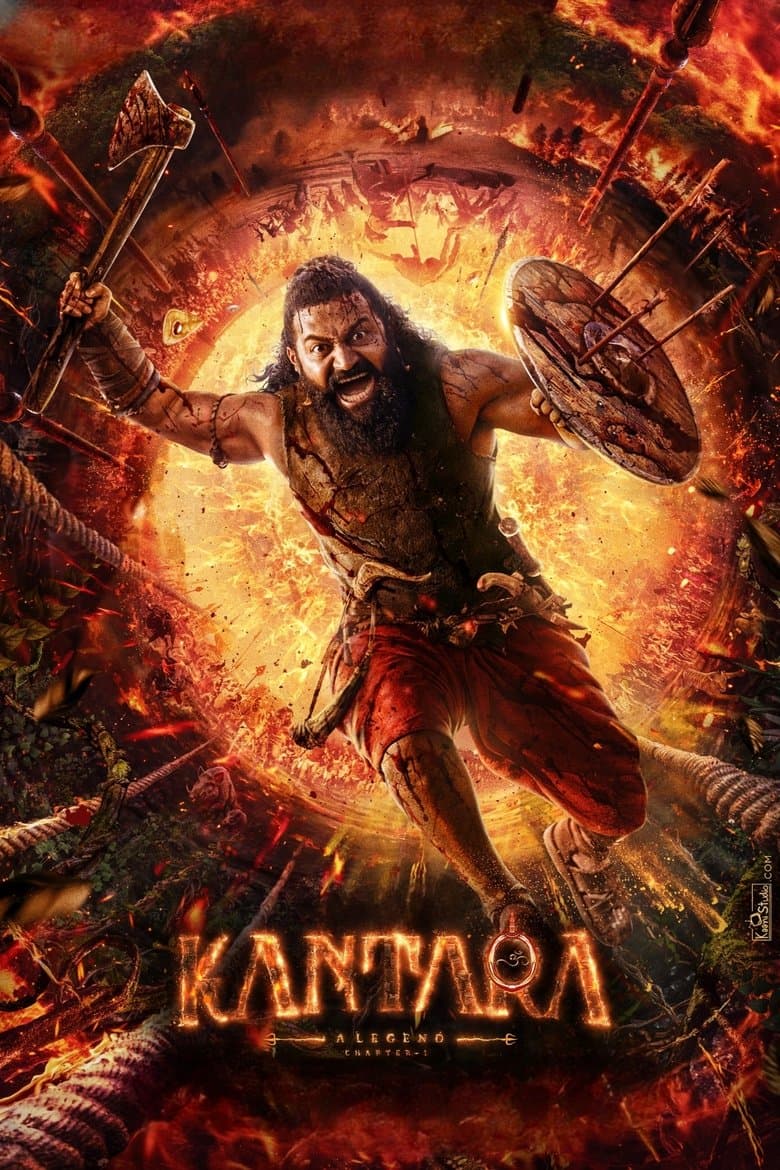
Movie · 2025
During the Kadamba reign, King Vijayendra, the ruler of the fictional feudatory land of Bangra, meets his final fate while venturing into the mystical forest of Kantara.
